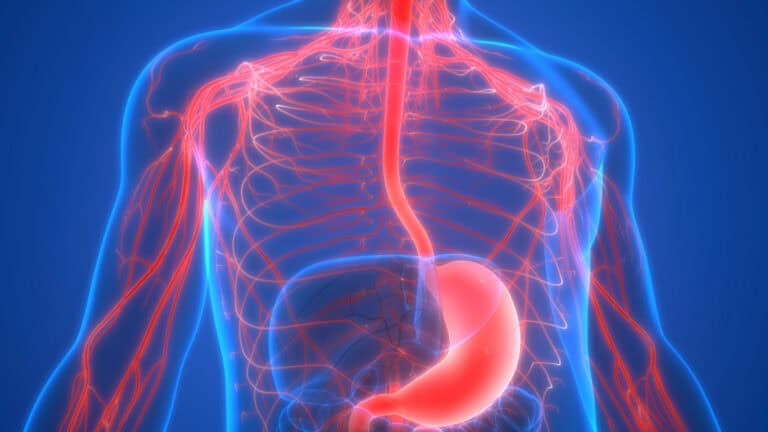


7️⃣ ESSENTIAL ROBOTIC ESOPHAGEAL SURGERY FACTS: WHAT YOU NEED TO KNOW BEFORE AND AFTER YOUR OPERATION
Facing robotic esophageal surgery preparation and recovery can feel overwhelming. When your doctor says the word “surgery,” your mind fills with questions. You may wonder what the procedure is like, how recovery will feel, and whether robotic surgery is truly better than traditional methods.
The truth is that robotic esophageal surgery preparation and recovery has improved dramatically over the past decade. Thanks to modern technology, surgeons now perform complex esophageal procedures with remarkable precision.
However, understanding what happens before surgery, during surgery, and after surgery helps you feel more confident and prepared for the journey ahead.
This guide will walk you through everything you should know about robotic esophageal surgery preparation and recovery, including medical research comparing robotic techniques with traditional surgery.
UNDERSTANDING ROBOTIC ESOPHAGEAL SURGERY
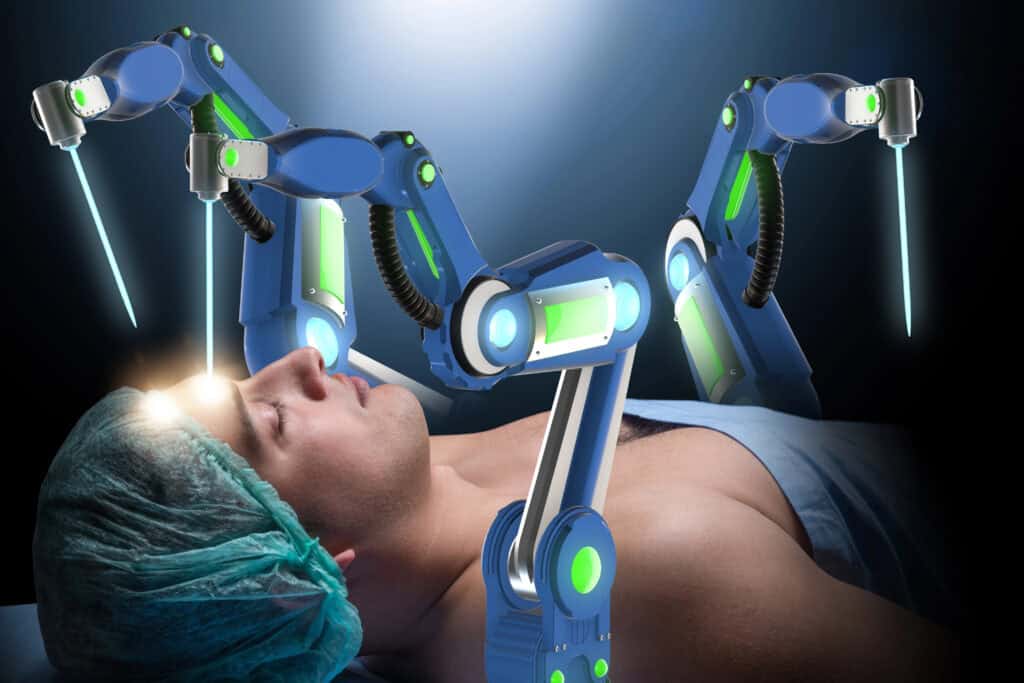
First, it helps to understand what robotic surgery actually means.
Robotic esophageal surgery does not mean a robot performs the operation alone. Instead, the surgeon controls robotic instruments from a surgical console. These robotic arms translate the surgeon’s movements into extremely precise actions inside your body.
Because the instruments are smaller and more flexible than traditional surgical tools, the surgeon can perform delicate procedures through small incisions rather than large ones.
This technology is most often used for:
- Esophageal cancer surgery
- Barrett’s esophagus complications
- Severe GERD complications
- Achalasia and swallowing disorders
In most cases, the procedure used is called robotic-assisted minimally invasive esophagectomy.
As a result, robotic esophageal surgery preparation and recovery often involve less trauma to the body compared to open surgery.
WHY ROBOTIC SURGERY IS CHANGING ESOPHAGEAL TREATMENT
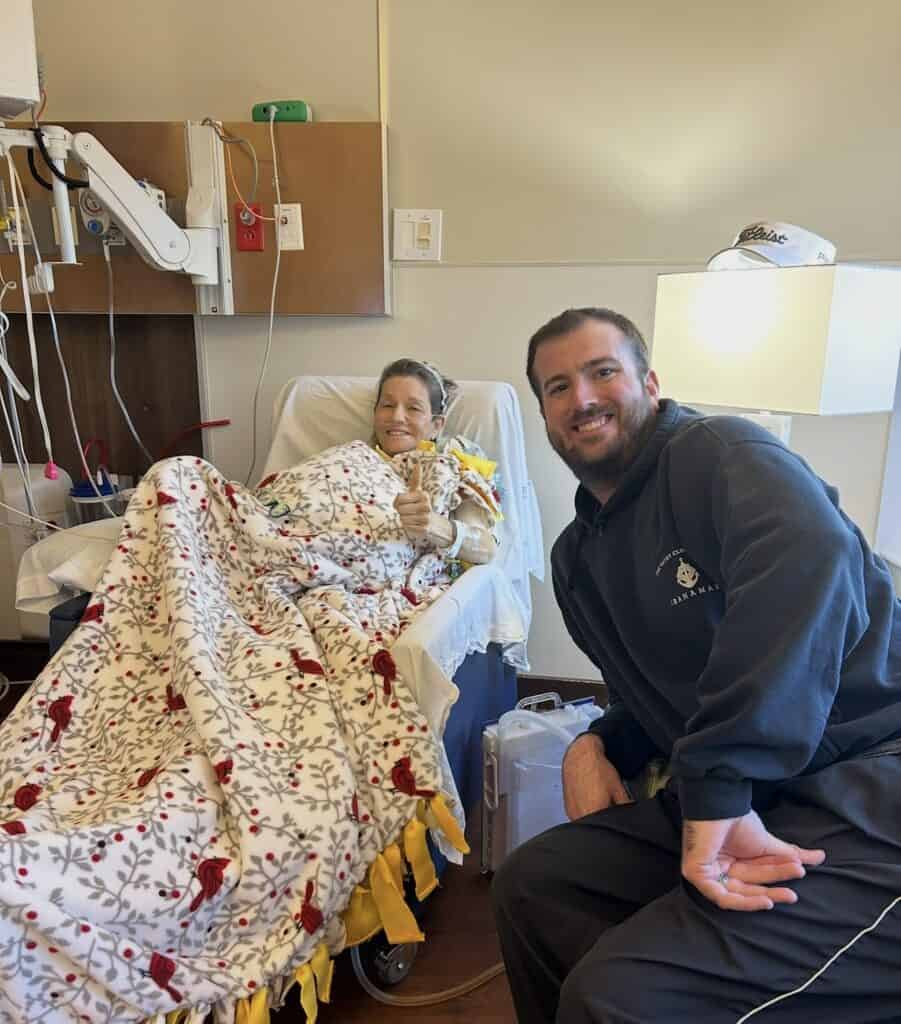
Traditional esophageal surgery historically required a large incision in the chest or abdomen. Recovery could take weeks or months.
However, robotic surgery has changed that experience significantly.
Studies from the Annals of Surgery and Journal of Thoracic Surgery show several advantages when robotic techniques are used.
Benefits often include:
• Smaller incisions
• Less blood loss
• Reduced risk of infection
• Shorter hospital stays
• Faster recovery time
For patients preparing for robotic esophageal surgery preparation and recovery, these improvements can make the process much more manageable.
Nevertheless, surgery remains a major medical procedure. Therefore, understanding the preparation process is extremely important.
HOW YOU PREPARE BEFORE ROBOTIC ESOPHAGEAL SURGERY

Preparation begins weeks before your surgery date.
Doctors typically want your body to be as strong as possible before surgery. Therefore, they often recommend lifestyle changes that improve your ability to heal.
NUTRITION BEFORE SURGERY

Your esophagus plays a major role in digestion. Because of that, nutrition becomes especially important.
Before surgery, your doctor may recommend:
• High-protein foods
• Smaller frequent meals
• Liquid nutrition supplements
• Hydration improvements
Some patients even work with oncology nutritionists to build strength.
Proper nutrition greatly improves robotic esophageal surgery preparation and recovery, helping your body heal faster afterward.
PRE-SURGERY TESTING
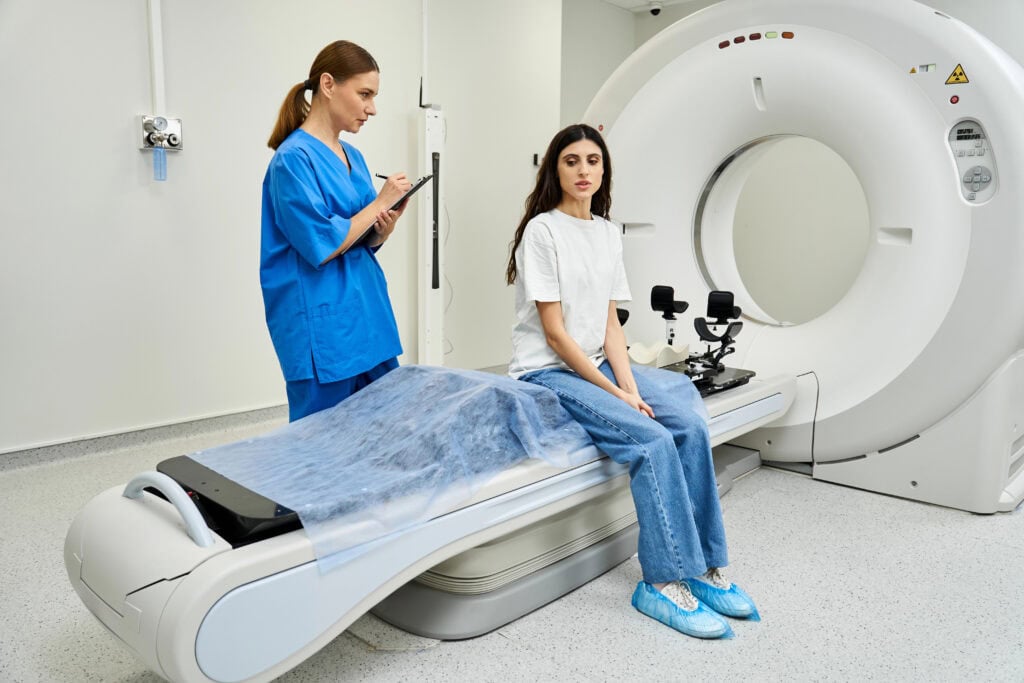
Before the procedure, your care team usually performs several diagnostic tests.
These tests help the surgeon plan the safest surgical approach.
Common tests include:
• Endoscopy
• CT scans
• PET scans
• Pulmonary function tests
• Cardiac testing
Although the process may seem extensive, these steps ensure that your robotic esophageal surgery preparation and recovery is tailored specifically to your health condition.
PHYSICAL PREPARATION

Doctors often encourage gentle physical activity before surgery.
Walking, breathing exercises, and light movement improve lung capacity and circulation.
These small habits can significantly improve robotic esophageal surgery preparation and recovery, especially when surgery involves the chest.
WHAT HAPPENS DURING ROBOTIC ESOPHAGEAL SURGERY

During the procedure, the surgeon sits at a console controlling robotic arms equipped with tiny instruments and cameras.
The robotic system provides:
• High-definition 3D visualization
• Enhanced precision
• Greater flexibility than traditional tools
The surgeon removes the diseased portion of the esophagus and reconnects the digestive system so food can pass into the stomach again.
Most robotic esophagectomy procedures last between 5 and 8 hours, depending on complexity.
While this may sound intimidating, robotic technology allows surgeons to perform the operation with extreme accuracy, which often improves robotic esophageal surgery preparation and recovery outcomes.
RESEARCH: ROBOTIC VS TRADITIONAL ESOPHAGEAL SURGERY

Medical research has increasingly compared robotic surgery with traditional open surgery.
A large European clinical trial known as the ROBOT trial compared robotic-assisted esophagectomy with open surgery for esophageal cancer patients.
The findings were encouraging.
Patients who had robotic surgery experienced:
• Fewer surgical complications
• Less postoperative pain
• Shorter hospital stays
• Faster return to normal activity
Another study published in The Lancet Oncology found robotic surgery reduced pulmonary complications by nearly 50 percent compared with traditional procedures.
These results continue to support robotic techniques for improved robotic esophageal surgery preparation and recovery.
WHAT TO EXPECT RIGHT AFTER SURGERY

After surgery, you will likely spend several days in the hospital.
Recovery begins immediately.
Doctors monitor:
• Breathing
• Heart function
• Pain levels
• Nutritional intake
Most patients initially receive nutrition through a feeding tube while the surgical connection heals.
Although this stage can feel challenging, it is a temporary step in the larger process of robotic esophageal surgery preparation and recovery.
PRODUCTS THAT HELPED ME DURING RECOVERY
AS A AMAZON AFFILIATE, I AM EARNING ON QUALIFYING PURCHASES AT NO ADDITIONAL COST TO YOU
Ninja Nutri-Blender
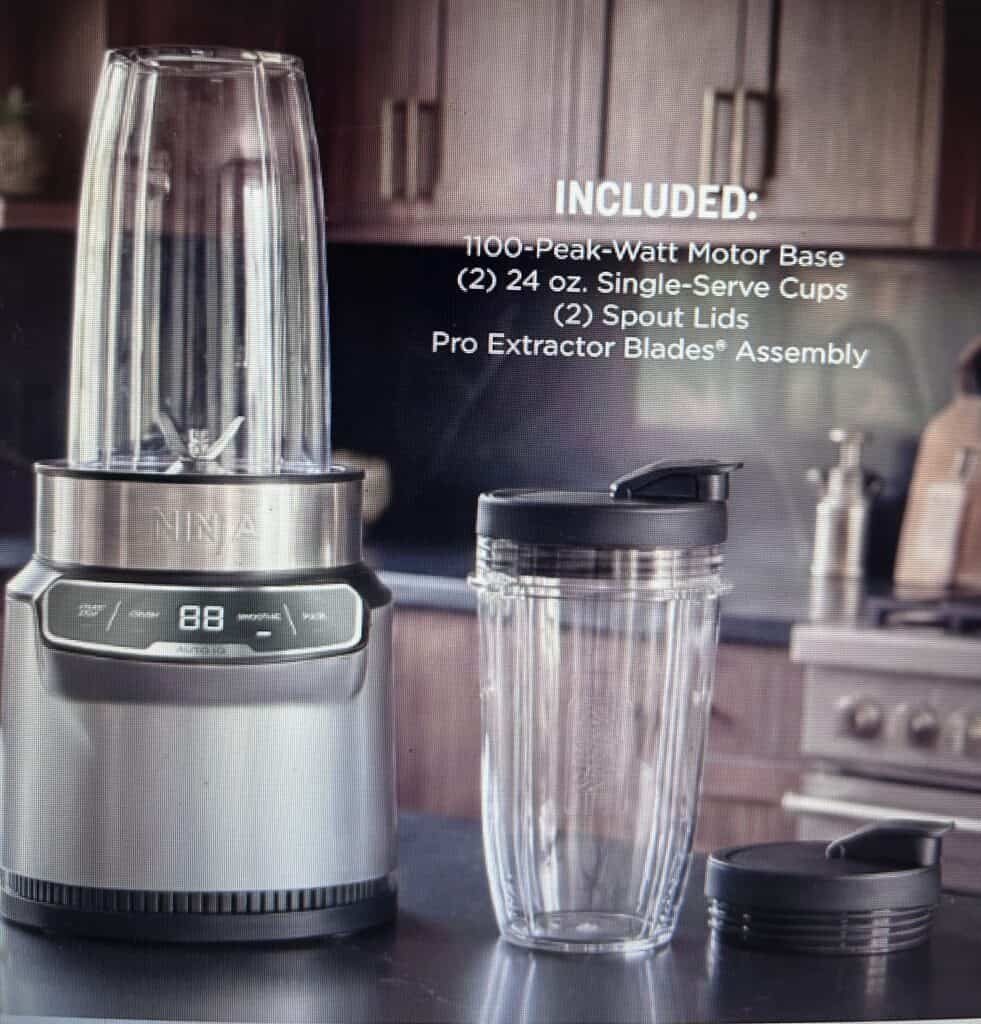
Every morning i have a smoothie while reading my bible. It is where i add all my fruits and veggies, protein powder and coconut milk.. I add zinzino fiber powder to offset all the test i have through out the year and medicine used in the tests.
Charmast 20000mAh Portable Charger

This here is a life saver. Cannot count the times my phone would run out of battery and no plug or extension available but this holds a charge forever. It also plugs into a usb plug directly and highly recommended.
Orthopedic Bed Wedge Pillow
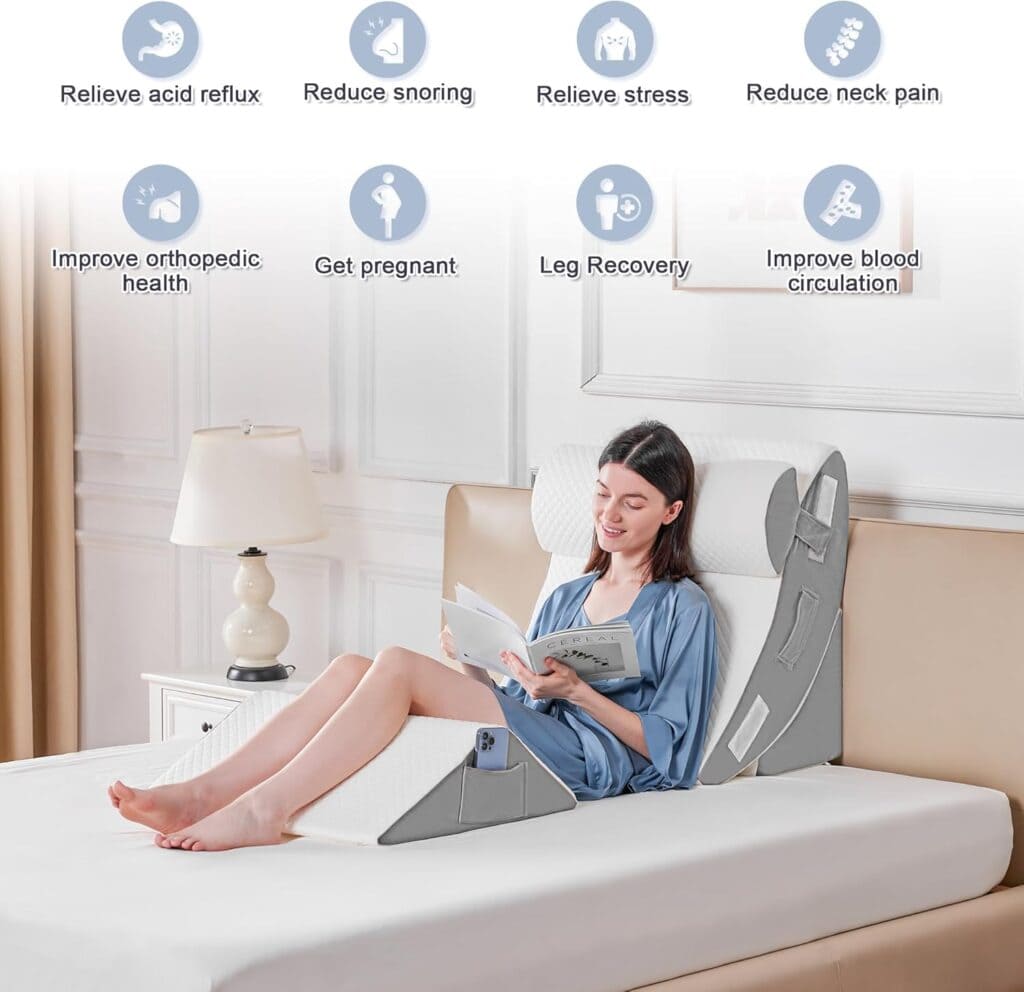
This wedge pillow helped in more ways than one. It helped tremendously with reflux and nausea. The leg support helped with leg pain .
Looking for more products that helped during cancer treatment and recovery. CANCER COMFORT GUIDE.
THE FIRST WEEKS OF RECOVERY
Once home, your recovery continues gradually.
During the first few weeks, you may experience:
• Fatigue
• Changes in appetite
• Swallowing adjustments
• Weight loss
These changes are common and expected.
Therefore, your care team will guide you through diet transitions that support robotic esophageal surgery preparation and recovery.
Patients typically move through stages:
- Liquid diet
- Soft foods
- Small regular meals
Over time, most patients regain strength and develop a new eating rhythm.
LONG-TERM LIFESTYLE ADJUSTMENTS

Living without a fully intact esophagus requires adjustments.
However, many people go on to live healthy, active lives.
Important habits include:
• Eating smaller meals
• Staying upright after eating
• Drinking fluids between meals instead of during them
These lifestyle changes help improve digestion and support long-term robotic esophageal surgery preparation and recovery.
MENTAL AND EMOTIONAL HEALING

Surgery does not only affect the body. It also impacts emotions.
Many patients experience fear, uncertainty, or even grief during recovery.
That is completely normal.
Support from friends, family, and faith communities often plays an important role in emotional healing.
When you combine physical healing with mental strength, your robotic esophageal surgery preparation and recovery becomes much more manageable.
NUTRITION SUPPORT DURING RECOVERY

Because eating can be difficult after surgery, proper nutrition becomes even more important.
Foods that support healing include:
• Soft proteins
• Smooth soups
• Yogurt and probiotics
• Healthy fats
Omega fatty acids, vitamins, and trace minerals can support recovery and overall wellness.
However, some days your body simply cannot tolerate certain foods. That reality is common for patients healing from major digestive surgery.
TEST-BASED NUTRITION SUPPORT FOR RECOVERY

During your healing journey, you may start looking deeper into test-based nutritional support. Metastatic esophageal cancer changes your roadmap. It may shift your expectations. It may alter your timeline. ZINZINO BALANCE OIL SUPPLEMENT I HAVE BEEN TAKEN SINCE CANCER IS AMAZING …ASK ME ABOUT IT. SEE LINK TOO https://www.zinzino.com/2020684532.
After my own cancer recovery journey, I searched for ways to strengthen my body again from the inside out. That search eventually led me to a company focused on testing your body’s omega balance and providing scientifically formulated supplements to correct deficiencies. Their balance oil system works by measuring your fatty acid levels first, then helping restore proper Omega-3 and Omega-6 balance over time. What I appreciate most is the science-based testing approach, which allows you to actually see improvement through follow-up testing rather than guessing what your body needs. For many people recovering from major procedures like esophageal surgery, this kind of targeted nutritional support can provide confidence that your body is receiving essential nutrients even on days when eating certain foods is difficult.

PATCHAID VITAMIN PATCH & PRAYER SUPPORT

Recovery from major surgery requires both physical and spiritual strength.
Vitamin patches can help provide nutrients when digestion is difficult after surgery. One option many people explore is PatchAid Vitamin Patches, which deliver vitamins through the skin rather than relying on digestion alone.
You can learn more about PatchAid supplements here:
http://www.patchaid.com/TEXASKK
THE FUTURE OF ROBOTIC SURGERY
Medical technology continues to evolve rapidly.
Today’s robotic surgical systems already provide extraordinary precision, but future innovations are expected to include:
• AI-assisted surgical planning
• Enhanced imaging systems
• Smaller robotic instruments
• Faster recovery protocols
These advancements will likely make robotic esophageal surgery preparation and recovery even safer and more effective for future patients.
FINAL ENCOURAGEMENT FOR YOUR SURGERY JOURNEY

If you are facing esophageal surgery, remember that medical science has made incredible progress.
Robotic techniques have dramatically improved surgical outcomes, helping patients experience less trauma, faster recovery, and better quality of life.
Although the journey requires patience and resilience, many people discover that their experience with robotic esophageal surgery preparation and recovery becomes a turning point toward better health.
Healing takes time.
But with the right medical team, proper preparation, strong nutrition, and supportive faith, you can move forward with hope and strength.


“Meet Kelle Hinson, founder of Texas KKs Stomps Cancer, esophagus cancer survivor, advocate, and blogger sharing hope, faith, healthy living, and recovery.”