
What I Learned About Diverticulosis After My Colonoscopy
Why I Decided to Write This Article
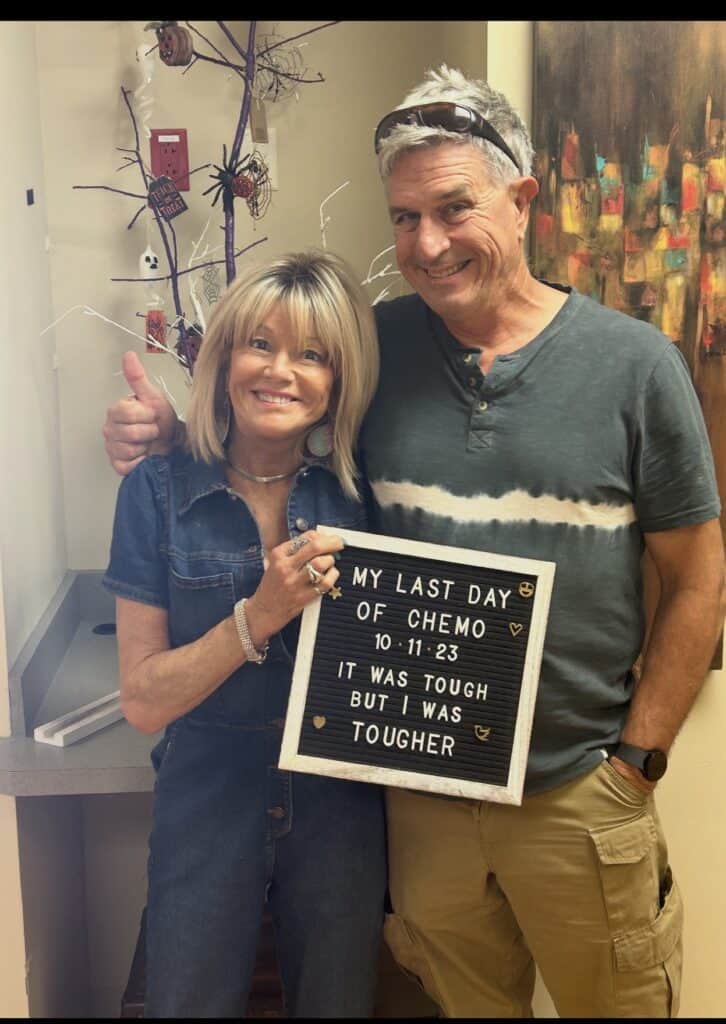
When I went in for my recent routine colonoscopy, I expected it to be just another important follow-up. After everything I have faced with my health, I never take preventive screenings for granted. Thankfully, this colonoscopy did not reveal another cancer diagnosis. However, my doctor did tell me I have diverticulosis.
I had heard the word before, but I honestly did not know much about it. So, right away, I started asking questions. What is diverticulosis? How serious is it? Can I stop it from getting worse? Most importantly, what can I do now to protect my colon?
Instead of letting the diagnosis scare me, I did what I have learned to do throughout my cancer journey. I educated myself. As I dug into the research, I realized that millions of people live with this condition without truly understanding it. That is exactly why I wanted to write this article. If you were just diagnosed with diverticulosis, or you know someone who was, I hope this helps you understand it better and feel more confident about protecting your digestive health.
What Is Diverticular Disease?
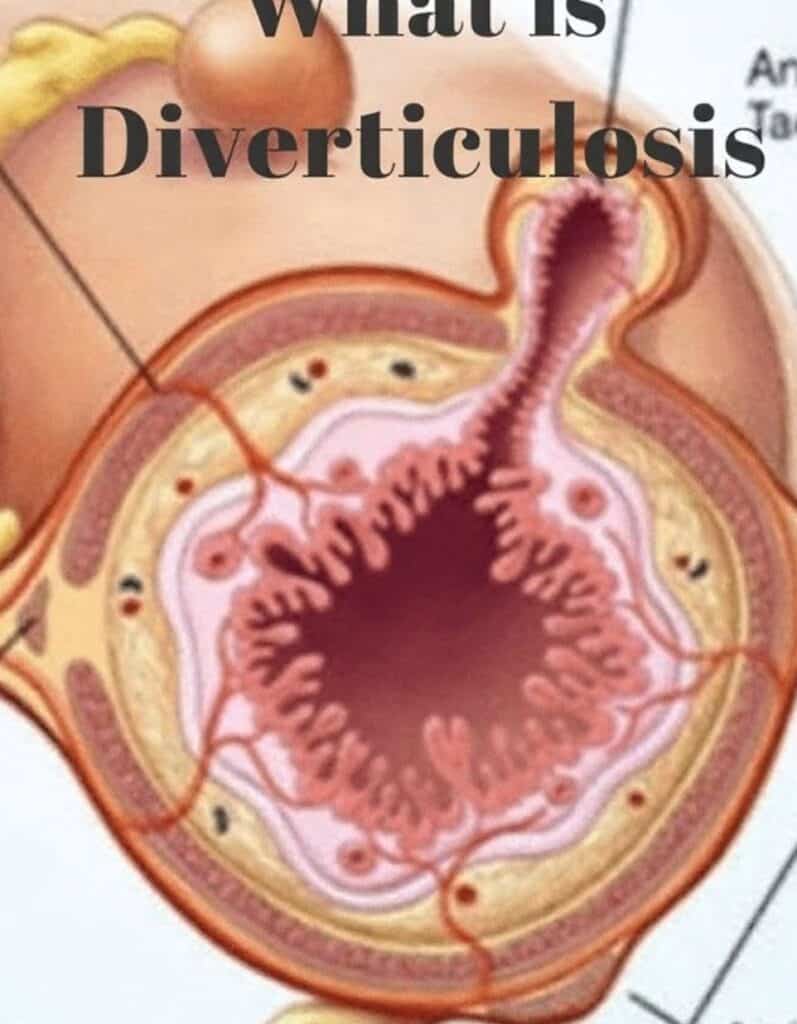
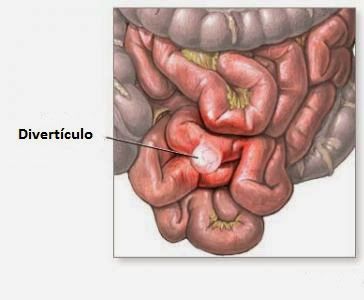
Diverticular disease is a general term for small pouches that form in the wall of your colon. These pouches are called diverticula. They usually form in weak spots after years of pressure inside the colon during bowel movements.
Two terms often get confused, but they mean very different things: diverticulosis and diverticulitis.
What Is Diverticulosis?
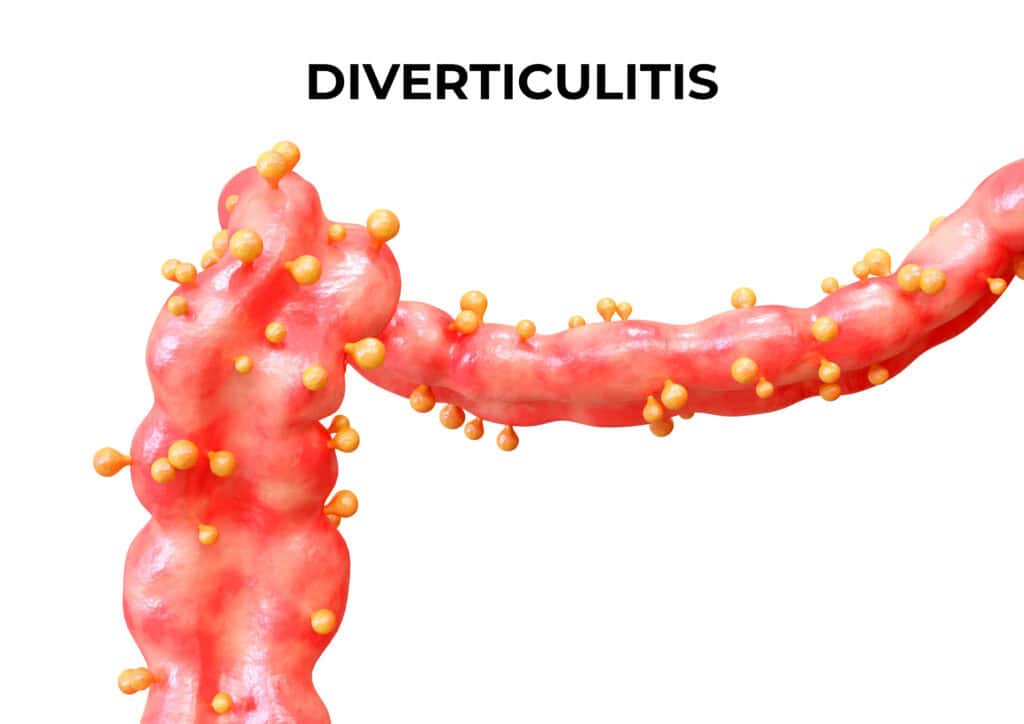
Diverticulosis simply means the small pouches are present in your colon. Most people with diverticulosis have no symptoms at all. In fact, they usually find out during a routine colonoscopy or scan done for another reason. That is exactly how I learned about mine.
In many cases, diverticulosis never causes any problems. Some people live their whole lives without pain or complications. Still, knowing you have it gives you a chance to make lifestyle changes that may lower your risk of trouble down the road.
What Is Diverticulitis?
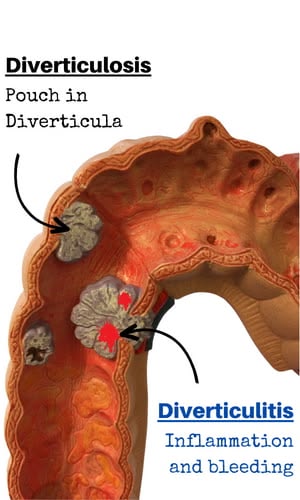
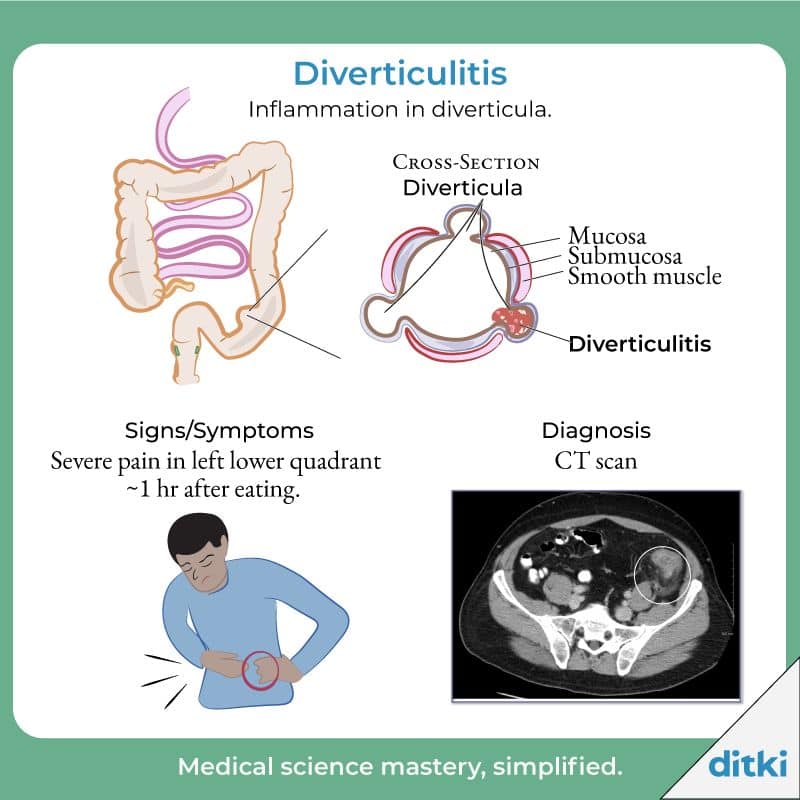
Diverticulitis happens when one or more of those pouches becomes inflamed or infected. Unlike diverticulosis, it usually causes noticeable symptoms and often needs treatment. While diverticulosis is common and usually harmless, diverticulitis can turn serious if it is not treated quickly.
Understanding the difference matters, because many people use these two words like they mean the same thing. Having diverticulosis does not mean you have an infection right now. Instead, it means it is time to get proactive and learn the warning signs.
How Common Is Diverticular Disease?
One of the biggest surprises in my research was learning just how common diverticulosis really is. According to the National Institute of Diabetes and Digestive and Kidney Diseases (NIDDK), it affects more than half of adults over age 60. The American Gastroenterological Association also reports that the condition becomes more common as we age, since the colon wall naturally weakens over time.
The good news is that only a portion of people with diverticulosis ever go on to develop diverticulitis. That means many people live full, active lives without ever having a painful flare-up.
Even so, I believe knowledge is one of the best forms of prevention. When you understand what is happening in your body, you are much more likely to catch symptoms early and make healthier choices every day.
Why Does Diverticulosis Develop?
One of my first questions after the colonoscopy was, “Why did I get this?” The answer is not simple. Researchers believe diverticulosis develops over many years, from several factors working together.
Aging changes the colon. As we get older, the muscles and tissue that support the colon wall slowly become less flexible. Think of the colon like a garden hose that has been used for years. It still works, but certain spots grow weaker over time. Each time the muscles squeeze to push waste along, extra pressure can cause those weak spots to bulge outward, forming diverticula. This is why diverticulosis shows up far more often after age 50.
Low fiber plays a role, too. Fiber adds bulk and softness to stool, making it easier to pass. When stool is hard or hard to move, the colon has to work harder. Over many years, that extra pressure may contribute to diverticula forming. Once you know you have diverticulosis, however, you can talk with your doctor about safely adding more fiber back into your diet, once any active inflammation has healed.
Other risk factors include getting older, obesity, smoking, inactivity, family history, low-fiber diets, and long-term use of certain medications like NSAIDs. You cannot change your age or genetics, but you can influence the rest. Every healthy meal, every walk, and every glass of water is another step toward a stronger digestive system.
As I keep learning, I no longer see this diagnosis as something to fear. Instead, it is a reminder to take care of the body God gave me, the same way my cancer journey taught me the importance of early detection and healthy living.
What Are the Symptoms of Diverticulosis?
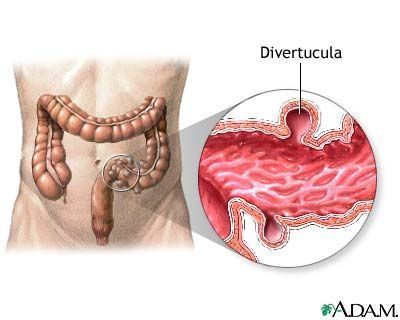
Most people never notice any symptoms at all, which is why it is so often found by accident, during a routine colonoscopy, just like mine. If I had skipped my screening, I never would have known.
That said, some people do notice mild cramping, bloating, constipation, or changes in bowel habits. These symptoms are usually not dangerous, but they should never be ignored if they continue. Your doctor can help figure out whether they are linked to diverticulosis or something else.
When Diverticulosis Becomes Diverticulitis
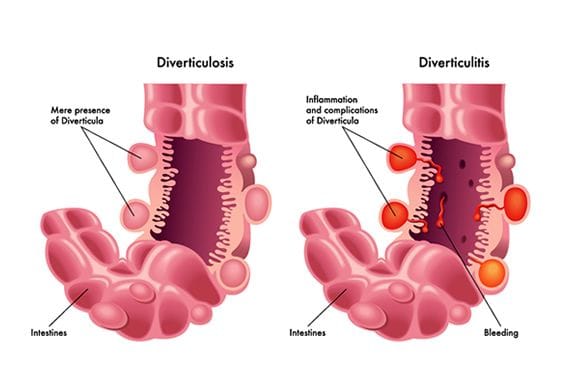
Diverticulitis happens when a pouch becomes inflamed or infected, and it almost always causes symptoms. These can include:
- Constant pain, usually on the lower left side of the belly
- Fever and chills
- Nausea or vomiting
- Constipation or diarrhea
- Bloating and loss of appetite
- Tenderness when the belly is touched
- Feeling unusually tired or weak
Some people improve with treatment at home. Others develop a more serious infection that needs hospital care. Because of that, it is important to catch the warning signs early instead of waiting to see if they pass.
When Should You Call Your Doctor?
One of the biggest lessons from my cancer journey is that your body often whispers before it screams. Call your doctor if you notice ongoing belly pain, a fever with stomach discomfort, blood in your stool, severe constipation, ongoing diarrhea, unexplained weight loss, or pain that keeps getting worse.
If you have severe abdominal pain, a high fever, vomiting that will not stop, dizziness, or heavy rectal bleeding, seek emergency care right away. These could be signs of a serious complication.
How Is Diverticular Disease Diagnosed?
For many people, diverticulosis turns up during a routine colonoscopy, just like mine did. During the exam, your doctor can actually see the small pouches lining the colon.
If diverticulitis is suspected because of pain, fever, or signs of infection, your doctor may order a CT scan, which is the best way to see inflammation, infection, or other complications during a flare-up. Blood tests can also show whether your body is fighting an infection. Once inflammation heals, your doctor may recommend a colonoscopy to check the health of your colon and rule out other conditions.
Does Diverticulosis Lead to Colon Cancer?

This was one of my biggest worries, given my personal history with colon cancer. The reassuring answer is no. Current research shows that diverticulosis does not turn into colon cancer. They are two completely different conditions, although they can sometimes cause similar symptoms, like changes in bowel habits or rectal bleeding, so your doctor may still recommend testing if something feels off.
According to the American Cancer Society, colorectal cancer is one of the most preventable cancers, because routine screening lets doctors find and remove precancerous polyps before they ever become cancer. My own early-stage colon cancer was found because I stayed current with my screenings, and I cannot say enough about how grateful I am that I did.
Can Diverticulosis Be Cured?
This was probably the question I asked the most. The answer depends on which condition you have.
Once diverticula form, they usually do not go away, and there is no medicine that removes them. That may sound discouraging, but here is the encouraging part: many people live their entire lives with diverticulosis and never develop diverticulitis. Having the pouches does not mean you are destined for ongoing problems. Instead, think of your diagnosis as a chance to protect your digestive health moving forward.
Diverticulitis, on the other hand, can usually be treated successfully with medication, dietary changes, rest, and sometimes antibiotics. Most people recover fully from a flare-up. A smaller number of people have repeat flare-ups or complications that eventually need surgery, but this is far less common than most people fear.
Treatment always depends on how severe your symptoms are. If diverticulosis is not causing problems, your doctor may simply suggest lifestyle changes and routine follow-up. If diverticulitis develops, treatment may include temporary diet changes, more fluids, rest, pain management, antibiotics, hospitalization for severe infections, or surgery for serious complications. Every person is different, so it is best to follow your own doctor’s advice rather than compare your situation to someone else’s.
The Importance of Good Nutrition
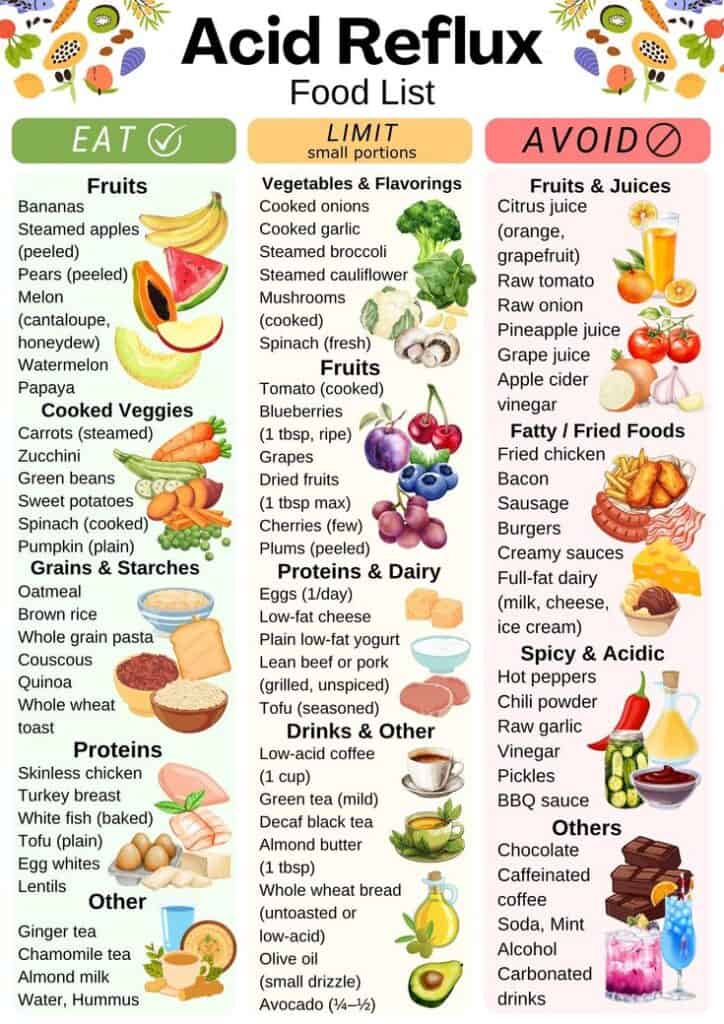
One of the biggest lessons I have learned through my experiences with esophageal cancer, colon cancer, major surgery, and now diverticulosis is that food plays an important role in supporting my health. Although good nutrition cannot cure diverticulosis, it can support healthy digestion and may help lower the risk of developing diverticulitis.
Nutrition is about much more than eating enough calories. Your body needs protein, vitamins, minerals, fiber, healthy fats, and fluids to function properly. Therefore, what you eat each day can make an important difference in your digestive and overall health.
WHAT TO EAT DURING A DIVERTICULITIS FLARE-UP
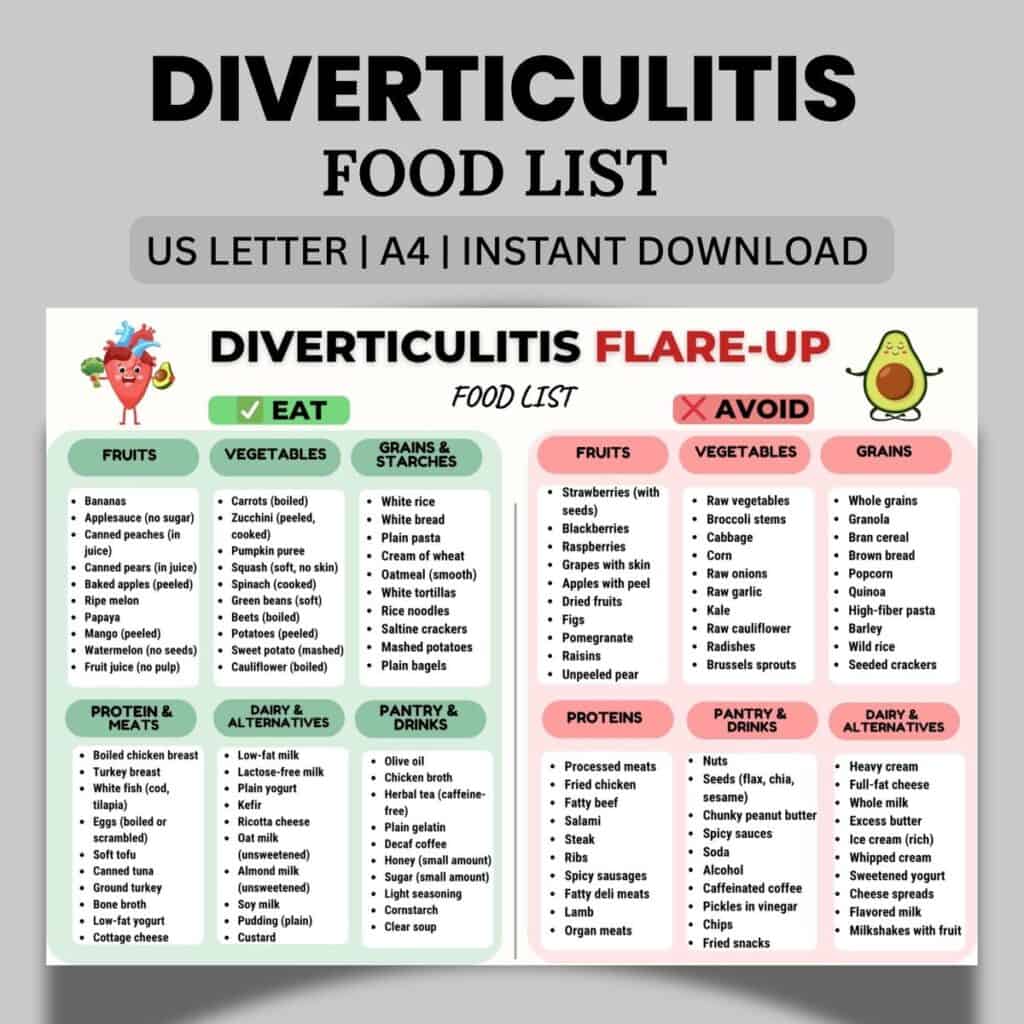
During an active diverticulitis flare-up, your healthcare provider may temporarily recommend clear liquids or a low-fiber diet while your symptoms improve. However, this is generally a short-term approach rather than a permanent way of eating.
As you recover, your healthcare provider may recommend gradually returning to your normal diet and increasing fiber when appropriate.
WHY FIBER MATTERS AFTER RECOVERY
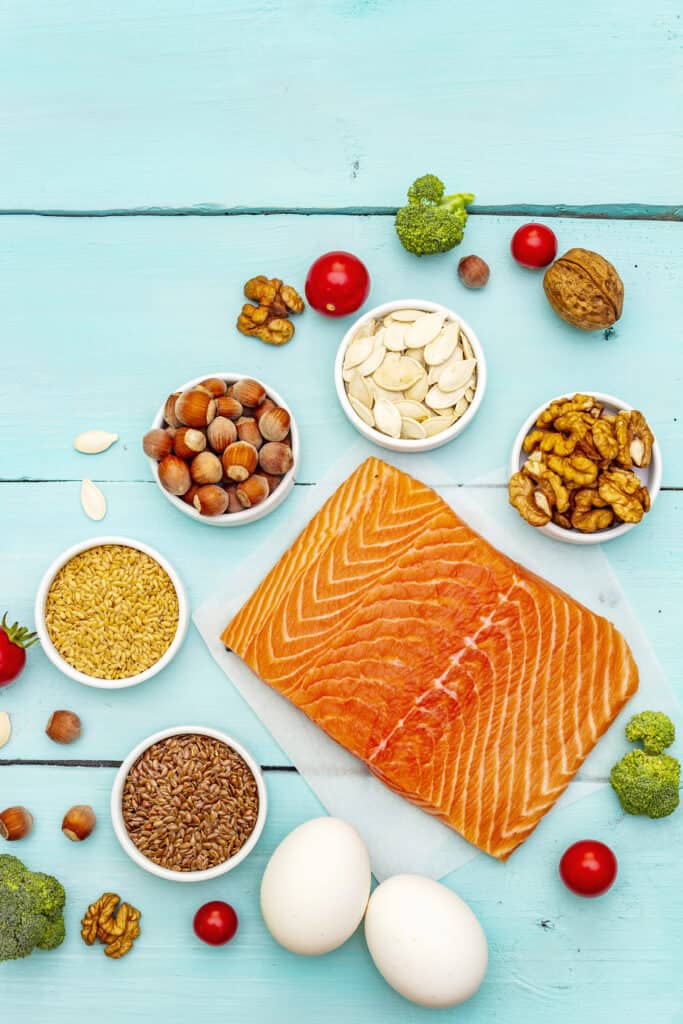
Fiber helps add bulk and softness to stool, making it easier to move through your colon. Fruits, vegetables, beans, lentils, and whole grains provide natural sources of fiber.
However, increase fiber gradually. Adding a large amount too quickly can cause gas, bloating, or discomfort. Your individual needs also matter, so talk with your healthcare provider about the amount of fiber that is appropriate for you.
DON’T FORGET ABOUT WATER

Hydration matters too. Fiber absorbs water, which helps keep stool softer and easier to pass. Therefore, increasing fiber without drinking enough fluid may actually make constipation worse.
I have learned that simple habits can make healthy choices easier. Keeping water nearby throughout the day reminds me to drink regularly rather than waiting until I feel thirsty.
WHAT STUDIES SAY ABOUT NUTS, SEEDS, AND POPCORN
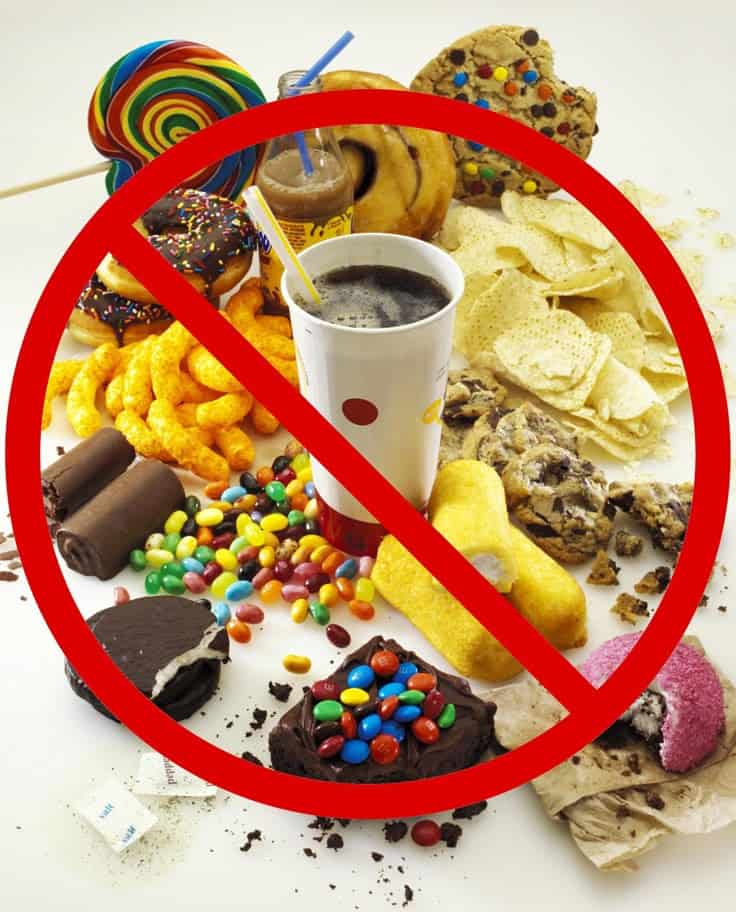
For years, doctors told people with diverticular disease to avoid nuts, seeds, corn, and popcorn because they feared these foods might become trapped inside diverticula.
However, research challenged that long-standing belief. A large prospective study published in JAMA found that eating nuts, corn, and popcorn did not increase the risk of diverticulitis or diverticular bleeding.
Therefore, current thinking focuses more on the quality of your overall diet rather than automatically eliminating these foods.
As an Amazon Associate, I earn from qualifying purchases. If you purchase through one of my links, I may earn a small commission at no additional cost to you.

SIMPLY TERAS ORGANIC WHEY PROTEIN
I PUT THIS IN EVERY MORNING IN MY BLENDER FOR ADDED PROTEIN AND WITH MY VEGGIES AND FRUIT.
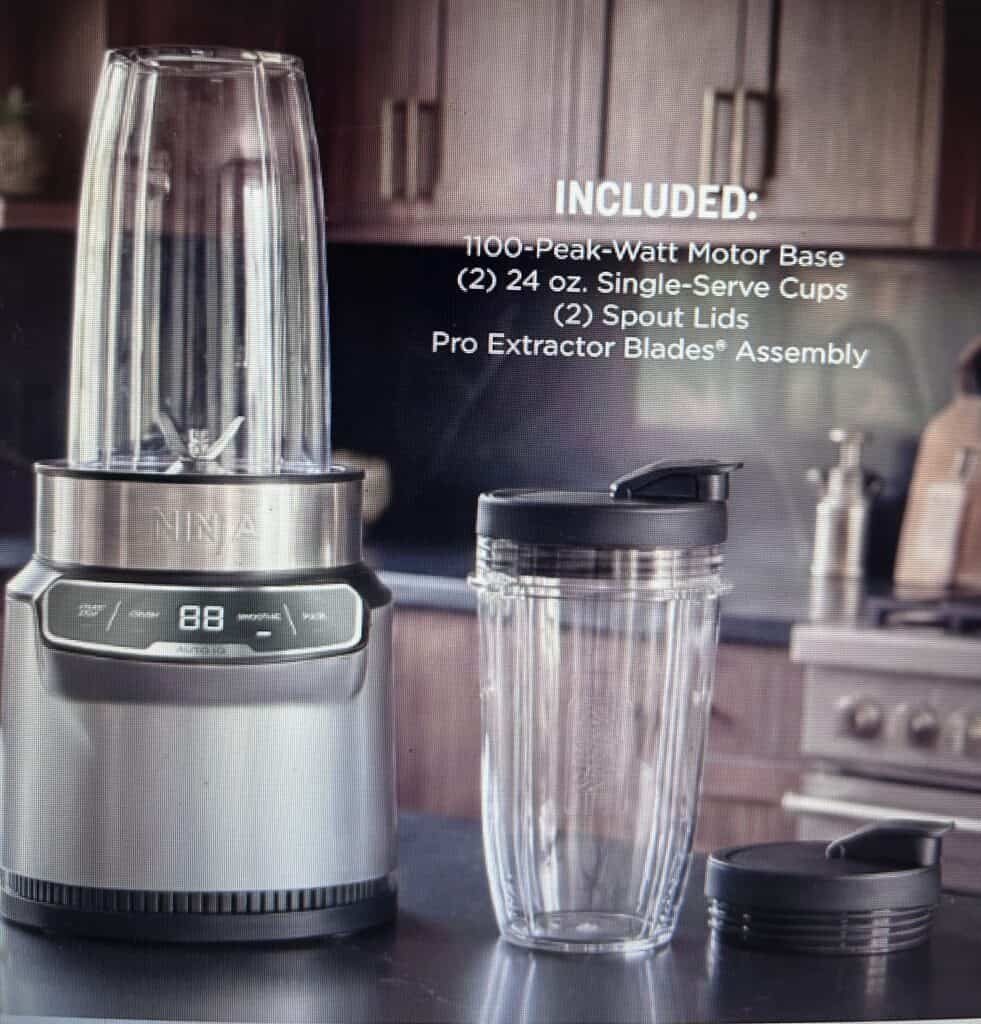
Ninja Nutri-Blender Pro with Auto iQ
THIS INDIVIDUAL SERVER WAS A GAME CHANGER FOR ME EVERY MORNING . NO, WASTED PRODUCT
Because I faced real nutrition struggles after my esophageal cancer surgery, I know there are days when a full meal feels like too much. Getting enough protein became one of my biggest goals during recovery, since protein supports healing, muscle, and immune strength. A good protein powder, blended with fruit, yogurt, or milk, became an easy way to get nutrition in when my appetite was low or chewing was hard. A dependable blender also became one of my favorite kitchen tools, since it let me make smoothies, shakes, and soft meals that were gentle on my system. My free cancer guide is provided for easy care items I personally used.
Living Well With Diverticulosis

Getting a diverticulosis diagnosis does not mean your life has to change overnight. Many people go on living active, healthy lives without ever developing diverticulitis. The key is to use the diagnosis as motivation to build healthy habits.
For me, walking has been one of the greatest gifts to my health. After spending nearly thirty days in the hospital recovering from my esophagectomy, I slowly started walking at my local state park. At first, those walks were short and hard. Over time, they became one of the best parts of my day. Walking strengthened my body, eased my stress, lifted my mood, and reminded me how grateful I was just to be alive.
Regular movement also supports healthy bowel habits and helps maintain a healthy weight. You do not need to run marathons. Even a daily walk around your neighborhood can make a real difference.
Managing stress matters too. While stress does not directly cause diverticulosis, it can affect digestion, eating habits, and sleep. Slowing down, spending time outdoors, praying, enjoying family, or simply taking a deep breath can help both your mind and your body.
Taking the Next Step

If you have diverticulosis, I hope you will use what you learn to take an active role in protecting your digestive health. Work closely with your healthcare provider, understand what your body needs, and choose healthy habits you can realistically maintain. You do not have to change everything overnight. Instead, focus on steady progress through nutritious foods, proper hydration, regular movement, and recommended medical care. Over time, these small choices can work together to support your colon, improve your overall health, and give you greater confidence moving forward.

“Meet Kelle Hinson, founder of Texas KKs Stomps Cancer, esophagus cancer survivor, advocate, and blogger sharing hope, faith, healthy living, and recovery.”