

7️⃣ COLON CANCER IN YOUNG ADULTS: WHY CASES ARE RISING
A PERSONAL WAKE-UP CALL
Colon cancer in young adults is rising at an alarming rate across the United States and around the world. In fact, researchers now consider early-onset colorectal cancer one of the fastest-growing cancers among adults under age 50. Furthermore, scientists continue studying possible links between ultra-processed foods, chronic inflammation, poor gut health, obesity, and unhealthy omega-6 to omega-3 ratios.
Unfortunately, many people still believe colon cancer is a disease that only affects older adults. However, today’s statistics tell a very different story.
As a cancer survivor, this topic is deeply personal to me.
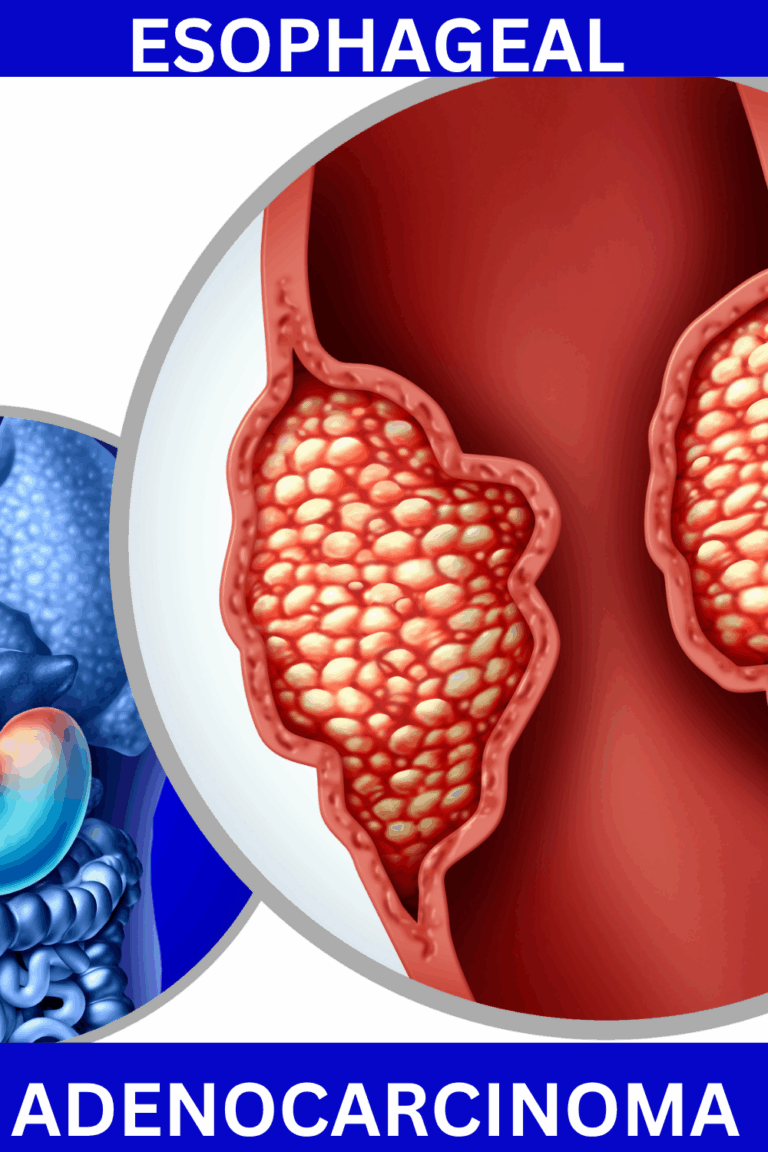
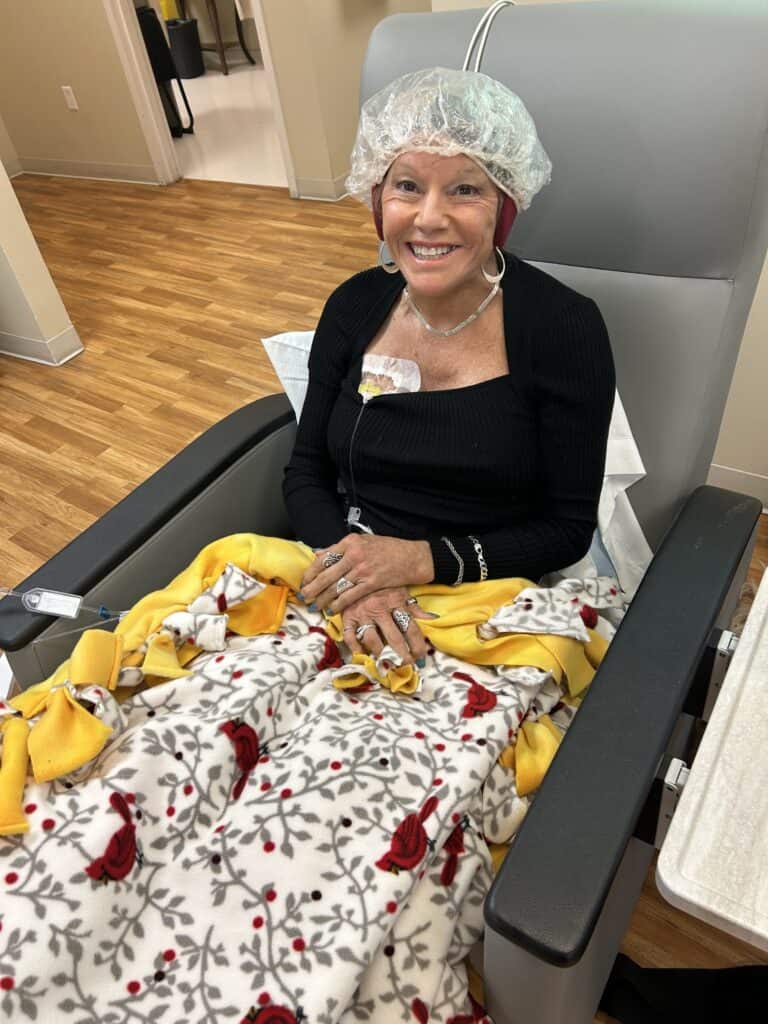
In 2023, I was diagnosed with Stage 3 esophageal cancer. Suddenly, my life became filled with scans, procedures, treatments, doctor visits, and countless decisions. Like many cancer patients, I focused entirely on survival.
Then, during additional testing and screenings, doctors discovered something I never expected.
I also had Stage 1 colon cancer.
Naturally, hearing the word cancer a second time was overwhelming. Nevertheless, I was incredibly grateful it had been found early. Because of early detection, my treatment options were much more favorable than they would have been otherwise.
Looking back today, I can clearly see God’s hand throughout my journey. More importantly, that second diagnosis opened my eyes to a growing health crisis affecting younger generations.
Consequently, I began paying much closer attention to the research surrounding colon cancer in young adults and the lifestyle factors that may be contributing to its rise.
As a result, what I discovered was both surprising and concerning.
THE SHOCKING RISE OF COLON CANCER IN YOUNG ADULTS

While cancer rates among older adults have generally declined because of screening and awareness, a very different trend is emerging among younger adults.
According to data from the American Cancer Society, colorectal cancer diagnoses among adults younger than age 55 have increased dramatically over the past several decades. Furthermore, colon cancer has become one of the leading causes of cancer-related deaths among adults under age 50.
Even more concerning, researchers estimate that by 2030, nearly one in four rectal cancers may occur in people younger than age 50.
Consequently, researchers around the world are asking an important question:
Why are younger people developing colon cancer at increasing rates?
Although no single answer exists, several factors continue appearing in study after study.
WHY BABY BOOMERS GREW UP DIFFERENTLY

Before examining modern risk factors, it is important to understand how dramatically lifestyles have changed over the past several decades.
Many Baby Boomers grew up eating home-cooked meals prepared from simple ingredients. Additionally, they generally consumed more vegetables, fruits, and fiber while eating far less processed food.
At the same time, children spent significantly more time outdoors.
They walked.
They played sports.
They rode bicycles.
In contrast, many modern lifestyles now include processed foods, excessive screen time, long periods of sitting, and reduced daily activity.
Consequently, researchers believe these lifestyle changes may be contributing to rising colon cancer rates among younger generations.
THE ULTRA-PROCESSED FOOD PROBLEM
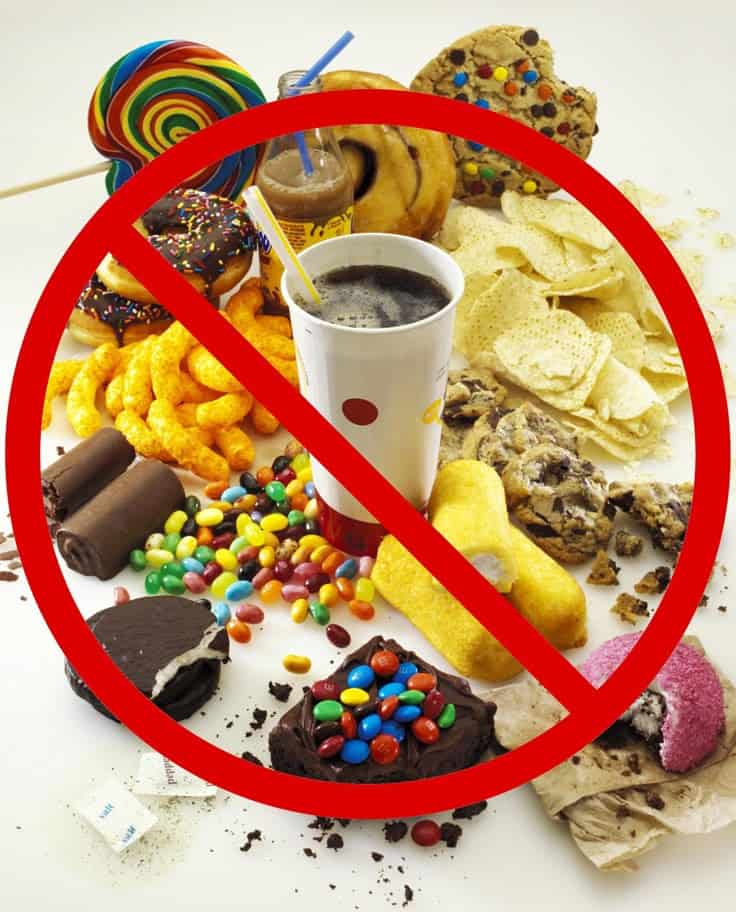
While genetics certainly play a role in some cases, researchers are increasingly focusing on ultra-processed foods as a possible contributor.
Specifically, ultra-processed foods include products such as fast food, packaged snacks, sugary cereals, frozen meals, and processed meats.
Unfortunately, these foods now make up a significant portion of the average American diet.
Furthermore, multiple studies have linked these foods to obesity, insulin resistance, poor gut health, chronic inflammation, and increased colorectal cancer risk.
As a result, many experts now recommend reducing ultra-processed food intake whenever possible.
In other words, the closer food is to its natural state, the better it may be for overall health.
WHAT RESEARCHERS ARE DISCOVERING ABOUT GUT HEALTH
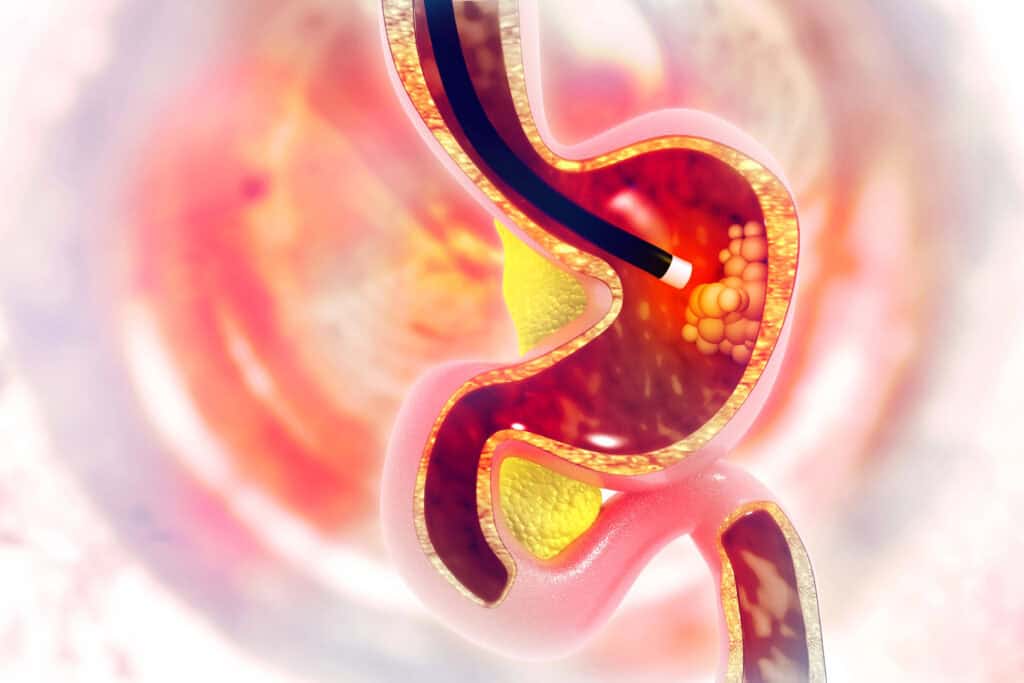
While processed foods receive considerable attention, another important area of research involves the gut microbiome.
Simply put, your digestive system contains trillions of bacteria and microorganisms that help regulate digestion, immunity, and inflammation.
Fortunately, many of these bacteria support good health.
However, poor dietary habits may disrupt this delicate balance.
Researchers call this disruption dysbiosis.
When dysbiosis occurs, harmful bacteria may begin to outnumber beneficial bacteria. Consequently, inflammation may increase and digestive health may decline.
Furthermore, some harmful bacterial strains have been associated with environments that may promote cancer growth.
Therefore, researchers increasingly believe that maintaining a healthy gut microbiome may be one important factor in colon cancer prevention.
THE OMEGA-6 AND OMEGA-3 IMBALANCE
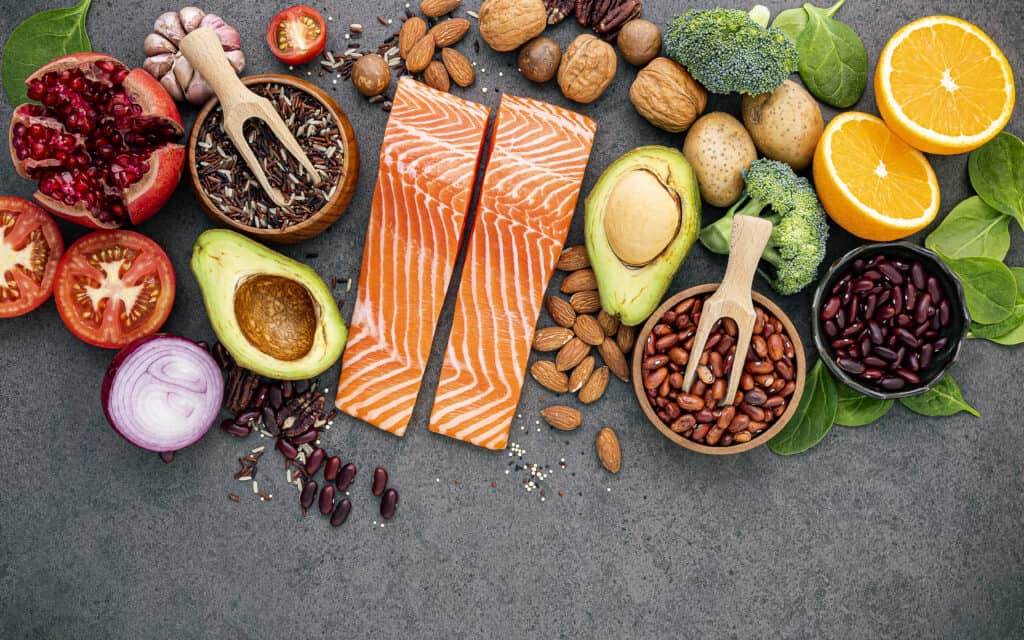
While processed foods and gut health continue receiving significant attention, another important area of research involves fatty acid balance.
Specifically, researchers are investigating how omega-6 and omega-3 levels influence inflammation throughout the body.
Years ago, people consumed a much healthier balance between these two fatty acids.
Today, however, most Americans consume excessive amounts of omega-6 while consuming far too little omega-3.
Meanwhile, omega-6 fats are commonly found in fast food, fried foods, packaged snacks, soybean oil, and corn oil.
In contrast, omega-3 fats are found in salmon, sardines, flaxseed, chia seeds, and walnuts.
Not surprisingly, researchers have discovered that excessive omega-6 intake combined with inadequate omega-3 intake may contribute to chronic inflammation.
Consequently, many scientists now consider fatty acid balance one of the most important areas of ongoing health research.
WHY CHRONIC INFLAMMATION MATTERS

To put it simply, inflammation itself is not the enemy.
In fact, inflammation helps your body heal after injury or illness.
However, chronic inflammation is very different.
Instead of lasting a few days, it may continue for months or even years.
As a result, chronic inflammation has been associated with numerous health concerns, including heart disease, diabetes, autoimmune disorders, and several forms of cancer.
Therefore, reducing inflammation has become a major focus among researchers studying disease prevention.
Most importantly, many lifestyle choices that reduce inflammation are also associated with improved overall health.
MY INTEREST IN OMEGA BALANCE
After surviving esophageal cancer and receiving a second diagnosis of colon cancer, I became increasingly interested in inflammation and nutrition.
Like many cancer survivors, I wanted answers.
I wanted to better understand the factors that influence long-term health.
That journey eventually led me to learn more about omega-3 and omega-6 balance.
One thing that surprised me was how few people know their actual fatty acid levels.
Many assume they are healthy.
Many assume they consume enough omega-3.
However, assumptions do not provide data.
Testing does.
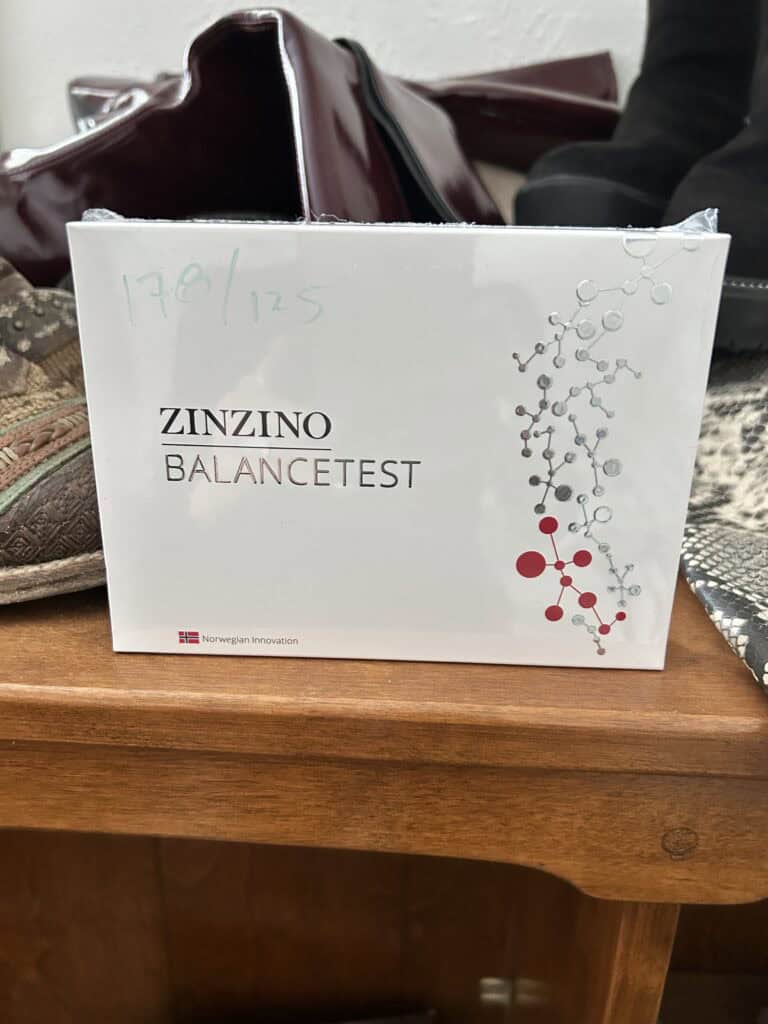
That is one reason I became interested in the Zinzino BalanceTest.
The test measures your omega-6 to omega-3 ratio using a simple finger-stick sample.
Rather than guessing, you can actually see your numbers.
Knowledge creates awareness.
Awareness creates action.
And action creates opportunities to make healthier choices.
While no supplement can diagnose, treat, cure, or prevent cancer, researchers continue studying the relationship between omega balance, inflammation, and overall wellness.
SHOULD PARENTS BE CONCERNED?

Perhaps one of the most concerning aspects of current research is the age at which diagnoses are occurring.
Although colon cancer remains relatively uncommon in children, doctors are diagnosing colorectal cancer in younger age groups more frequently than ever before.
Therefore, healthy habits should begin early.
Parents can help by:
- Limiting sugary drinks
- Serving more vegetables
- Encouraging outdoor activity
- Reducing fast food consumption
- Increasing fiber intake
- Supporting healthy omega-3 consumption
Small habits established during childhood often create lifelong benefits.
COLON CANCER SYMPTOMS YOU SHOULD NEVER IGNORE
One of the biggest misconceptions surrounding colon cancer in young adults is the belief that younger people are too young to develop the disease.
Unfortunately, this assumption often delays diagnosis.
Do not ignore:
- Blood in stool
- Rectal bleeding
- Persistent constipation
- Persistent diarrhea
- Changes in bowel habits
- Unexplained weight loss
- Iron deficiency anemia
- Abdominal pain
- Severe fatigue
Because symptoms are sometimes dismissed, younger adults may receive diagnoses later than they should.
Therefore, early medical evaluation is essential.
THE IMPORTANCE OF SCREENING

One of the most powerful tools against colon cancer remains screening.
Current guidelines generally recommend screening beginning at age 45 for average-risk adults.
However, individuals with symptoms, family history, or certain genetic conditions may require earlier screening.
Most importantly, colonoscopies can identify and remove precancerous polyps before they become cancerous.
Consequently, screening saves lives.
HOW TO LOWER YOUR RISK

Although no prevention plan guarantees protection, researchers consistently recommend several strategies.
EAT MORE FIBER
Choose:
- Vegetables
- Fruits
- Beans
- Oats
- Whole grains
LIMIT ULTRA-PROCESSED FOODS
Reduce:
- Fast food
- Soda
- Processed meats
- Packaged snacks
IMPROVE OMEGA-3 INTAKE
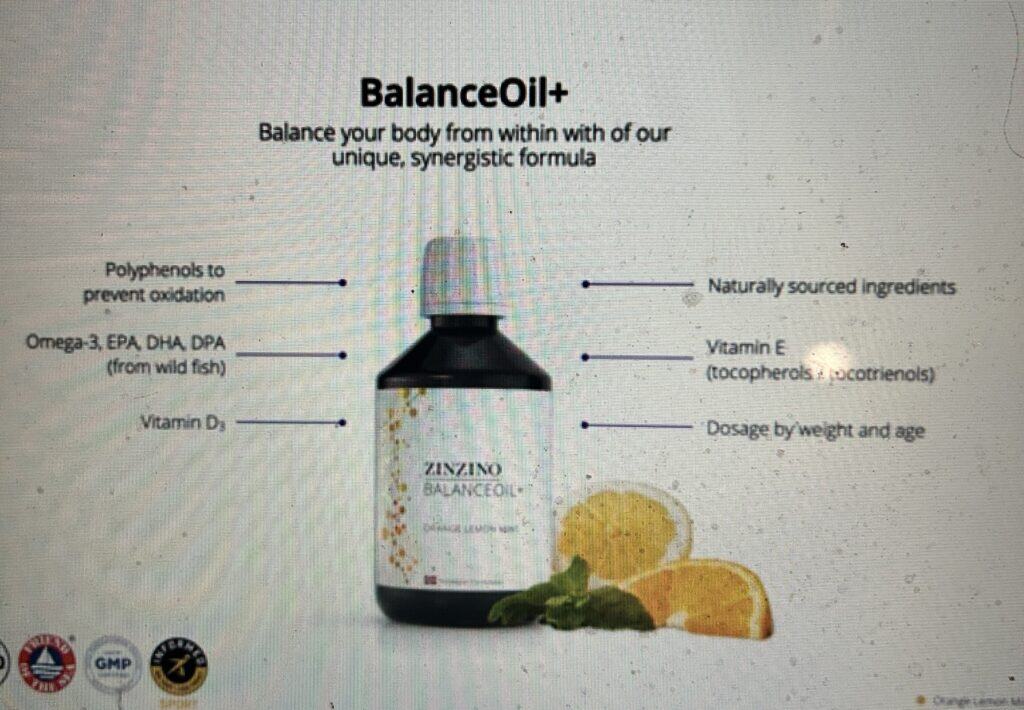
Include: ZINZINO Balance Oil ( gives the doses of needed intake below) https://www.zinzino.com/2020684532
- Salmon
- Sardines
- Chia seeds
- Flaxseed
- Walnuts
MOVE DAILY
Walking, tennis, pickleball, cycling, and strength training all support overall health.
MAINTAIN A HEALTHY WEIGHT
Reducing obesity may help lower chronic inflammation.
PRIORITIZE SLEEP
Adequate sleep supports immune function and overall wellness.
MY FAITH THROUGH TWO CANCER DIAGNOSES

Cancer changes everything.
It changes how you view time.
It changes how you view relationships.
Most importantly, it changes how you view your faith.
Throughout my journey with esophageal cancer and colon cancer, God carried me through some of the most difficult moments of my life.
There were days filled with fear.
There were days filled with uncertainty.
Yet through it all, God remained faithful.
Jeremiah 29:11 reminds us:
“For I know the plans I have for you,” declares the Lord, “plans to prosper you and not harm you, plans to give you hope and a future.”
That promise became an anchor during my cancer journey.
PATCHAID AND NUTRITION SUPPORT
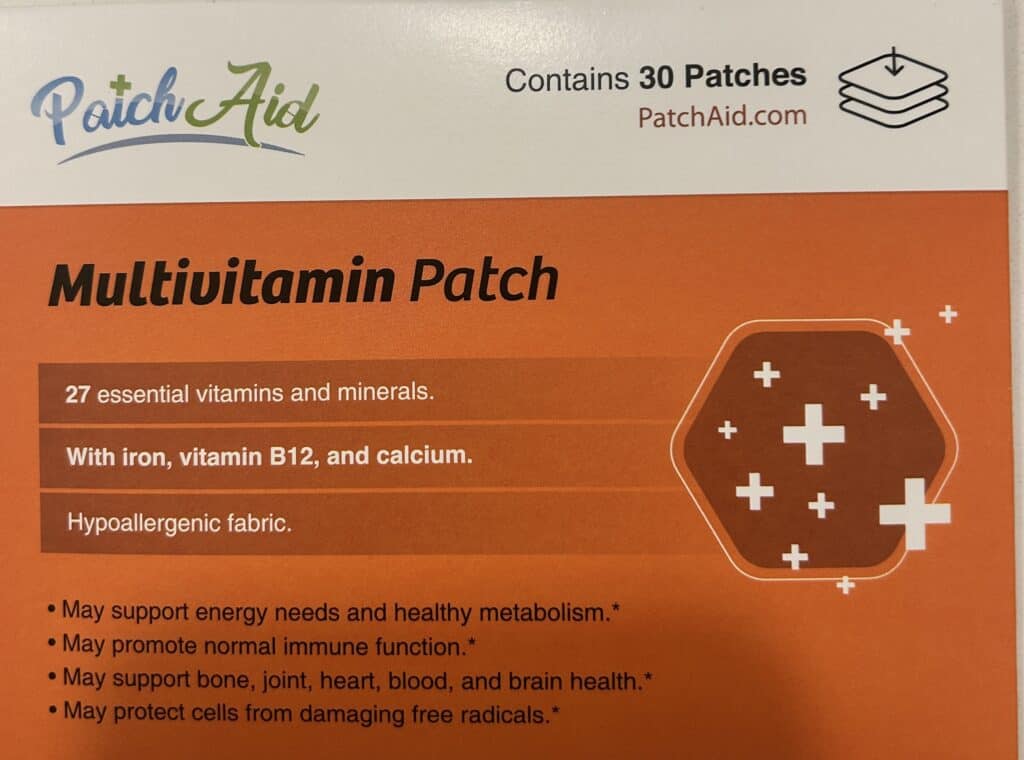
After cancer treatment, nutrition became one of my highest priorities.
Many cancer survivors struggle with nutrient absorption and maintaining adequate vitamin levels.
That is one reason I personally value PatchAid Vitamin Patches.
Learn more at:
http://www.patchaid.com/TEXASKK
Always discuss supplements and nutritional programs with your healthcare provider.
PRAYER WALL

If you are facing cancer, testing, treatment, recovery, or uncertainty, please know you are not alone.
If you would like prayer or encouragement, visit my Prayer Wall:
I would be honored to pray for you.
CONCLUSION

In summary, colon cancer in young adults is no longer a future concern—it is happening today.
Furthermore, researchers continue studying the roles of processed foods, chronic inflammation, poor gut health, fiber deficiency, and omega-3 imbalance.
While many questions remain, one message continues to emerge clearly:
Awareness matters.
Prevention matters.
Early detection matters.
As someone who survived Stage 3 esophageal cancer and received a second diagnosis of Stage 1 colon cancer, I encourage you to listen to your body, prioritize your health, and never ignore symptoms.
Above all, trust God, stay informed, make healthy choices, and remember that your story is still being written.


“Meet Kelle Hinson, founder of Texas KKs Stomps Cancer, esophagus cancer survivor, advocate, and blogger sharing hope, faith, healthy living, and recovery.”