
9️⃣ FRIGHTENING Facts About Septic Inflamed Lungs With Esophagus Cancer Every Family Should Understand
WHAT ARE SEPTIC INFLAMED LUNGS WITH ESOPHAGUS CANCER?
Septic inflamed lungs with esophagus cancer is one of the most serious complications a patient can face. Many families are not prepared for it — and that is exactly why this guide was written.
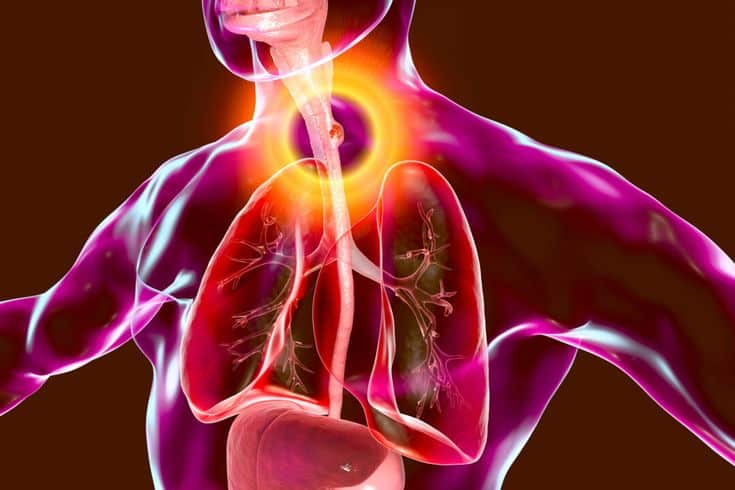
When a patient is fighting esophagus cancer, harmful material like bacteria, stomach acid, mucus, saliva, or food particles can accidentally enter the lungs. Once bacteria settle inside, infection spreads quickly. In some situations, that infection travels into the bloodstream and triggers sepsis — a life-threatening emergency that can affect every organ in the body.
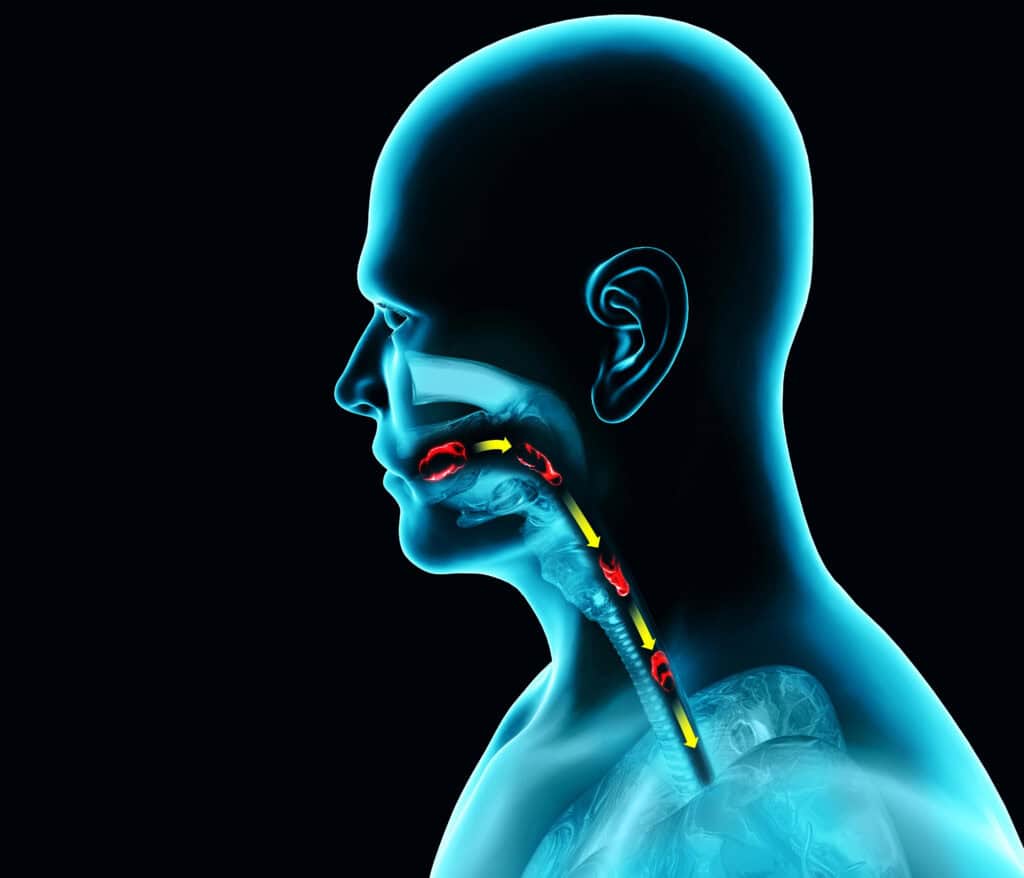
Normally, the body has natural protections that guide food and liquid safely down the esophagus and into the stomach. However, esophagus cancer changes everything. Tumors, inflammation, surgery, radiation, scarring, and nerve damage can all damage swallowing muscles. As a result, harmful material may accidentally travel into the airway instead of the stomach.
This process is called aspiration. It is one of the leading causes of septic inflamed lungs with esophagus cancer — and it often happens without the patient realizing it.
📚 STUDY SAYS: Research shows that aspiration pneumonia is one of the most common and dangerous complications after esophageal cancer surgery, affecting up to 30% of patients. (Molena et al., Annals of Surgery, 2018)
Because of this, education and awareness are incredibly important for patients, caregivers, and loved ones. Recognizing symptoms early may make the difference between a complication that is caught in time — and one that is not.
💛 Families who understand what to watch for are families who act faster. And acting faster saves lives.
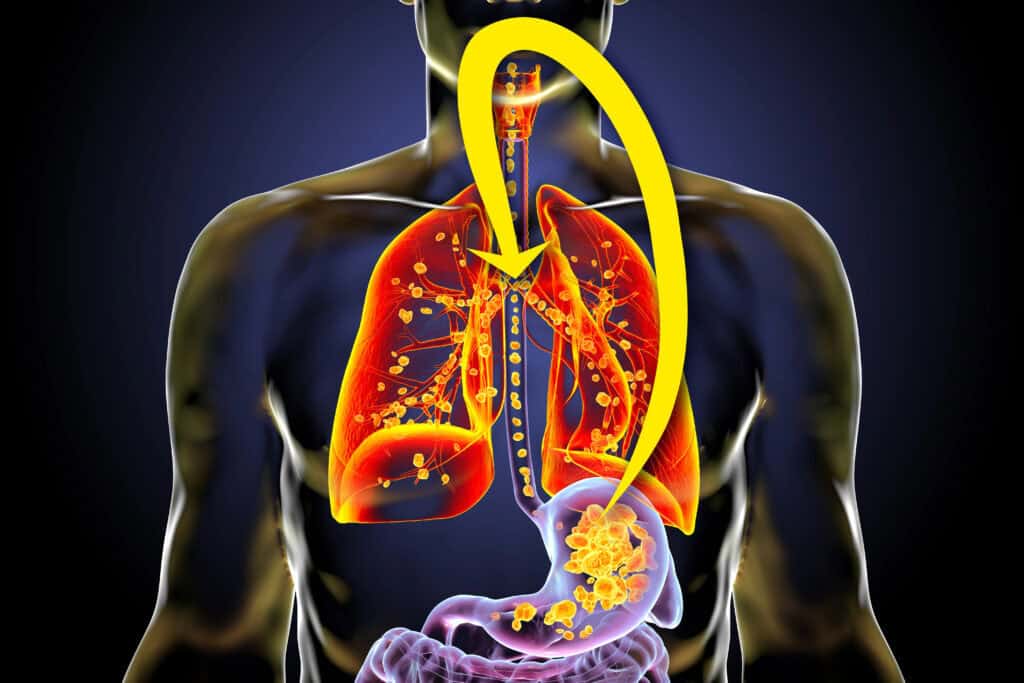
ASPIRATION IS THE LEADING CAUSE OF LUNG INFECTIONS
Aspiration is one of the biggest reasons septic inflamed lungs with esophagus cancer develops. It happens when food, liquids, saliva, mucus, stomach acid, or vomit accidentally enter the lungs instead of the stomach.
In healthy people, a natural cough reflex removes harmful material from the airway quickly. However, esophagus cancer patients often have weakened coughing reflexes and damaged swallowing muscles. Because of this, material can become trapped deep inside the lungs — and bacteria begin to grow.
WHAT IS SILENT ASPIRATION?
Silent aspiration is especially dangerous. It happens when material enters the lungs without any obvious coughing or choking. Families may have no idea it is occurring.
Over time, repeated silent aspiration slowly irritates the lung tissue and introduces bacteria deeper and deeper. Eventually, inflammation develops and infection begins growing — sometimes for weeks before symptoms become serious enough to notice.
WARNING SIGNS FAMILIES SHOULD WATCH FOR
- Wet or gurgling voice after meals
- Frequent throat clearing
- Coughing during eating or drinking
- Food feeling like it gets stuck
- Chest congestion after meals
- Shortness of breath after eating
- Increased mucus production
Although some of these signs may seem small at first, they should never be ignored. Each one may be a warning that aspiration is happening — and that lung infection risk is rising.
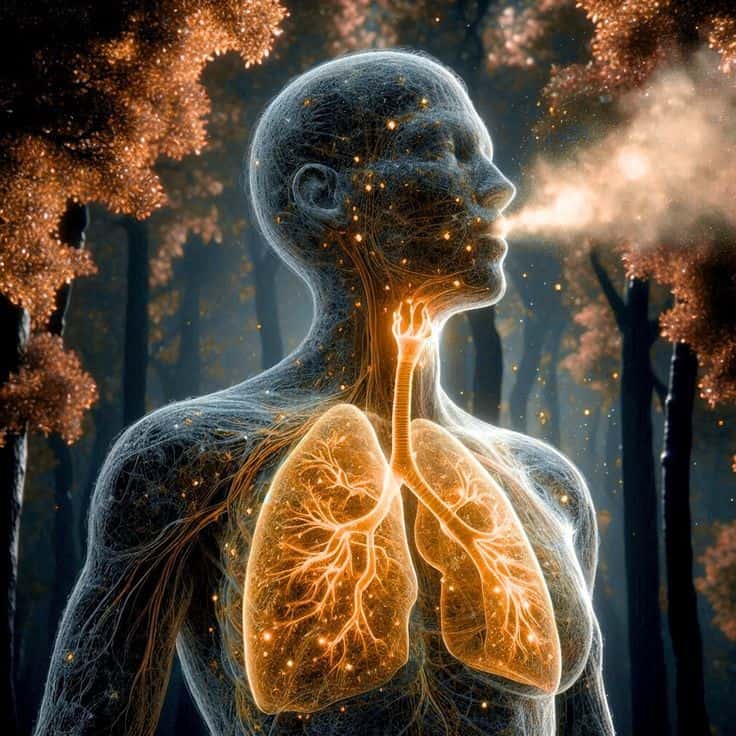
ASPIRATION PNEUMONIA CAN BECOME LIFE-THREATENING
Aspiration pneumonia is one of the most dangerous complications connected to esophagus cancer. Unlike regular pneumonia, it develops because bacteria-filled material enters the lungs through swallowing problems or acid reflux.
Once bacteria settle inside the lungs, the body sends an emergency response. The lungs begin filling with mucus, infected fluid, and inflammatory cells. As inflammation worsens, breathing becomes harder and harder.
COMMON ASPIRATION PNEUMONIA SYMPTOMS
- Fever and chills
- Wet or productive cough
- Thick green or yellow mucus
- Bad-smelling mucus
- Wheezing or chest pain
- Rapid breathing
- Low oxygen levels
- Extreme fatigue and weakness
However, families should know that older adults sometimes do not show a fever at all. Instead, they may simply become confused, very sleepy, disoriented, or weak. Because aspiration pneumonia can worsen very quickly, early treatment is critical.
📚 STUDY SAYS: Research confirms that keeping patients upright during and after meals significantly reduces aspiration pneumonia risk — especially in those with swallowing difficulties from esophageal cancer. (Teramoto et al., Chest Journal, 2008)
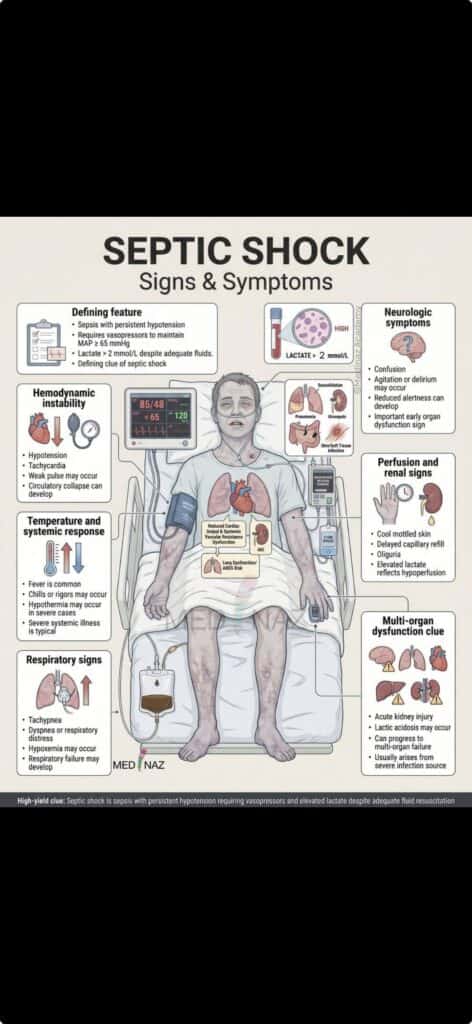
SEPSIS IS ONE OF THE MOST DANGEROUS COMPLICATIONS
The scariest complication connected to septic inflamed lungs with esophagus cancer is sepsis. Sepsis happens when the body’s response to infection goes completely out of control.
Instead of only fighting the infection, the immune system begins attacking healthy tissues and organs throughout the entire body. The lungs, heart, kidneys, liver, and brain can all be affected. Blood pressure drops dangerously. Organs begin to shut down. Without fast treatment, sepsis can be fatal.
EARLY SEPSIS WARNING SIGNS — NEVER IGNORE THESE
- Sudden confusion or disorientation
- Heart beating very fast
- Rapid or labored breathing
- Fever — or unusually low temperature
- Severe weakness or exhaustion
- Low oxygen levels
- Blue color around lips or fingertips
- Pale or mottled skin
- Difficulty staying awake
🚨 URGENT: If three or more of these signs appear together — call 911 immediately. Sepsis moves fast. Every minute matters.
📚 STUDY SAYS: International sepsis guidelines confirm that starting IV antibiotics within one hour of recognizing sepsis is the single most important factor in reducing sepsis deaths. (Singer et al., JAMA — Sepsis-3 Definition, 2016)

SURGERY PLACES EXTRA STRESS ON THE LUNGS
Many patients develop lung complications after robotic esophageal surgery or traditional open surgery. Although surgery may successfully remove cancer, recovery places tremendous stress on the lungs and breathing muscles.
After surgery, patients often breathe more shallowly because of pain. Shallow breathing prevents the lungs from fully expanding. As a result, mucus and bacteria can settle deep inside and create the perfect environment for infection to grow.
COMMON POST-SURGERY LUNG COMPLICATIONS
- Pneumonia
- Partially collapsed lungs
- Fluid building around the lungs
- Mucus buildup deep in the airways
- Reduced oxygen levels
- Recurring respiratory infections
Because of this, doctors strongly encourage patients to walk, practice coughing exercises, and work with breathing therapists during recovery — even when it feels painful and exhausting.

MOVEMENT AND BREATHING EXERCISES ARE CRITICAL
Although recovery may feel completely exhausting, movement is one of the most powerful tools a patient has for protecting their lungs. Even slow, short walks across a room help the lungs expand, improve oxygen flow, and prevent mucus from settling in dangerous places.
Many patients receive a device called an incentive spirometer after surgery. It encourages deep breathing and helps reopen small air sacs inside the lungs that can collapse during shallow breathing. Without consistent breathing exercises, those collapsed sacs can become breeding grounds for bacteria.
💛 Walking — even ten steps at a time — is medicine. Every deep breath is one more defense against infection. Keep moving.
REFLUX QUIETLY DAMAGES THE LUNGS OVER TIME
Many esophagus cancer patients suffer from severe acid reflux — especially after surgery changes the structure of the digestive tract. Unfortunately, reflux does far more than cause discomfort.
When stomach acid repeatedly enters the airway or lungs, it damages lung tissue and increases inflammation. During sleep, acid and bacteria may silently enter the lungs without the patient realizing it at all. Over time, repeated reflux aspiration weakens the lungs’ natural defenses and makes infection far more likely.
WAYS FAMILIES CAN HELP REDUCE REFLUX RISKS
- Elevate the head of the bed 6 to 8 inches using bed risers — not just pillows
- Use a wedge pillow for sleeping
- Avoid eating within 2 to 3 hours of lying down
- Stay sitting upright for at least 30 to 60 minutes after every meal
- Eat smaller, more frequent meals rather than large ones
- Take prescribed acid-reducing medications exactly as directed
These daily habits may seem small. However, done consistently, they can meaningfully protect the lungs from repeated acid damage over time.
SAFE EATING HABITS AND SWALLOWING THERAPY MATTER DEEPLY
Preventing septic inflamed lungs with esophagus cancer requires careful daily attention to how a patient eats and drinks. Rushing through meals is one of the biggest aspiration risks — and one of the most preventable.
SAFE EATING HABITS FOR ESOPHAGUS CANCER PATIENTS
- Always sit fully upright — at 90 degrees — during every meal
- Take very small bites and very small sips
- Chew food thoroughly before swallowing
- Avoid distractions like TV or phones while eating
- Never eat while lying down or reclined
- Stay upright for at least 30 to 60 minutes after finishing a meal
In addition, families should ask the medical team for a referral to a speech-language pathologist who specializes in swallowing. These therapists teach safer swallowing techniques and may recommend thickened liquids, soft foods, or specific swallowing exercises. Although these changes can feel frustrating, they can dramatically reduce lung infection risks over time.
📚 STUDY SAYS: A major research review found that improved oral hygiene combined with safer swallowing practices reduced pneumonia death risk by up to 40% in vulnerable patients. (Sjogren et al., Journal of the American Geriatrics Society, 2008)

CAREGIVERS ARE OFTEN THE FIRST TO NOTICE DANGER
Caregivers play one of the most important roles in protecting esophagus cancer patients from lung complications. Patients who are exhausted, weak, or heavily medicated may not recognize their own symptoms. However, a watchful caregiver often can.
WHAT CAREGIVERS SHOULD WATCH FOR DAILY
- Sleeping more than usual or being hard to wake
- New or worsening confusion
- Fever — or chills without fever
- New coughing or changes in existing cough
- Coughing or wet voice during or after meals
- Personality changes or unusual quietness
- Loss of appetite or refusing to eat
- Chest congestion or shortness of breath
Keeping a simple daily log of symptoms, oxygen levels, temperature, and eating changes is one of the most helpful things a caregiver can do. Many families also keep a fingertip oxygen monitor at home — low oxygen is often one of the very first signs of worsening lung problems, sometimes before other symptoms appear at all.
💛 Caregivers — your eyes, your instincts, and your daily observations are more powerful than you know. Trust them. Act on them.

KNOWING WHEN TO SEEK EMERGENCY HELP CAN SAVE A LIFE
Families need to know exactly when to stop waiting and call for emergency help. Septic inflamed lungs with esophagus cancer can worsen within hours. Acting quickly truly matters.
🚨 URGENT: Go to the ER or call 911 immediately if the patient develops severe breathing difficulty, blue lips, dangerously low oxygen, high fever with confusion, chest pain, difficulty waking up, or unresponsiveness.
Do not wait to see if symptoms improve on their own. Also — if a patient had recent esophageal surgery and suddenly develops chest pain, fever, and a racing heart after appearing to improve — contact the surgical team immediately. This can signal a serious complication at the surgical site that requires urgent care.
📚 STUDY SAYS: Research shows that caregiver recognition of early sepsis warning signs and rapid transfer to emergency care is one of the top factors in improved survival outcomes for sepsis patients. (Funk et al., Critical Care Medicine, 2009)
NOURISH THE BODY. LIFT THE SPIRIT. — PATCHAID + PRAYER WALL
Families navigating septic inflamed lungs with esophagus cancer often look for additional ways to support the patient’s body during recovery. Because swallowing pills and supplements may be painful or unsafe, many families explore swallow-free nutrition options.
One option many in the esophagus cancer community have found helpful is PatchAid Vitamin Patches. Because the patches are worn on the skin, nutrients absorb directly through — with no swallowing required. No pills. No liquids. No extra strain on a healing esophagus. Just gentle, steady nutritional support throughout the day.
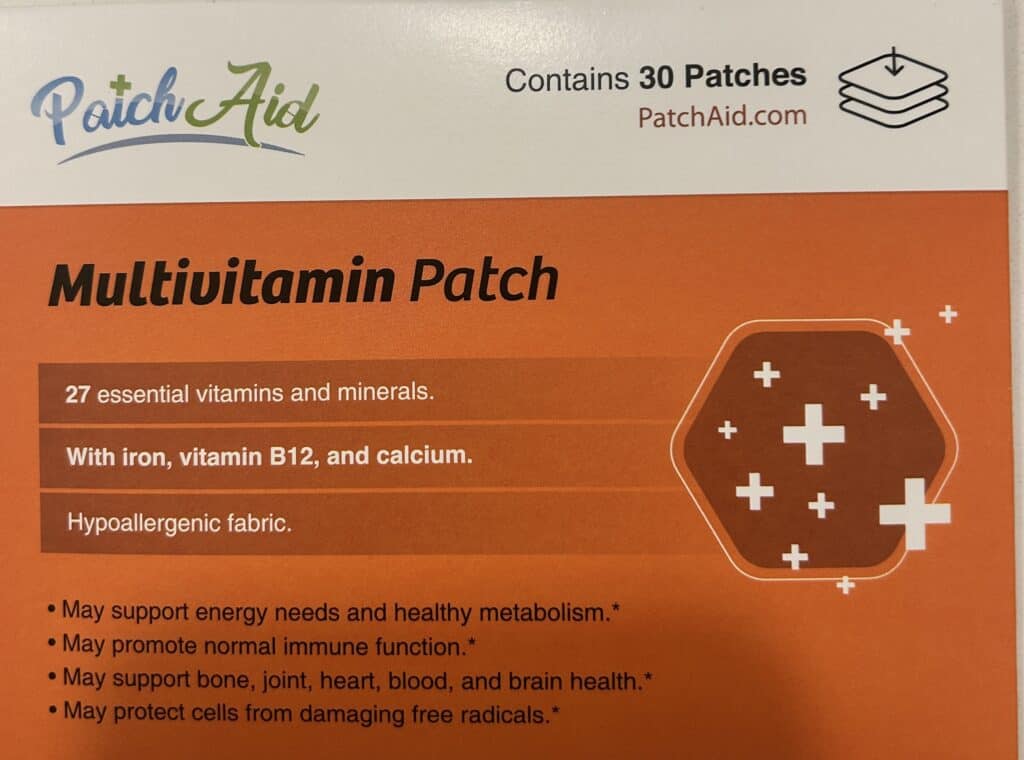
👉 Explore PatchAid Vitamin Patches for Cancer Recovery Support — swallow-free nutrition designed for people who need it most.
The emotional side of esophagus cancer is just as difficult as the physical side. Fear, exhaustion, loneliness, and uncertainty can weigh heavily on patients and caregivers alike. The Stronger With Scars Prayer Wall was created for exactly this reason — a place where patients and families can leave their names, their needs, and their prayers.

🙏 Visit the Stronger With Scars Prayer Wall — leave a name, a need, or a word of hope. Someone is praying.
“I can do all this through Him who gives me strength.” — Philippians 4:13
CONCLUSION — AWARENESS IS THE FIRST STEP TOWARD PROTECTION

Facing septic inflamed lungs with esophagus cancer is frightening. However, early awareness truly makes a difference. Families who understand what to watch for — coughing during meals, wet voice after eating, fever, confusion, rapid breathing, and dropping oxygen levels — are families who can act faster. And acting faster saves lives.
Most importantly, no family has to figure this out alone. Strong medical care, consistent daily habits, swallowing therapy, breathing exercises, careful nutrition, and faith-filled community support can all work together to protect patients and bring hope to caregivers.
For more education, encouragement, and community, visit Stronger With Scars — a place built on faith, hope, and the belief that healing is still possible.
Even in the hardest seasons, hope still matters. Keep going. 💛


“Meet Kelle Hinson, founder of Texas KKs Stomps Cancer, esophagus cancer survivor, advocate, and blogger sharing hope, faith, healthy living, and recovery.”