

5️⃣ LIFE-CHANGING NEW TREATMENTS FOR ESOPHAGEAL CANCER YOU NEED TO KNOW
Hope just got a whole lot bigger.
If you or someone you love has been diagnosed with esophageal cancer, you know how heavy those words can feel. The fear. The questions. The sleepless nights. I’ve been there — sitting in the silence, wondering what comes next, and holding onto faith like it was the only rope in the room.
But here’s the thing: science and hope are moving fast.
The landscape of new treatments for esophageal cancer is changing in remarkable ways right now — and 2025 is one of the most exciting years yet for patients and their families. You deserve to know about every tool available to fight this battle. Whether you’re newly diagnosed, a caregiver, or simply searching for answers, this article is for you.
Let’s walk through 7 powerful treatment breakthroughs — one step at a time.
WHY ESOPHAGEAL CANCER IS SO CHALLENGING TO TREAT

Before you can understand the new, it helps to understand the old. Esophageal cancer is one of the more aggressive cancers out there. More than 22,000 people in the United States are diagnosed with it each year, and nearly 80% of patients don’t survive beyond five years of diagnosis. That’s a sobering statistic — but it’s also exactly why researchers aren’t stopping. American Association for Cancer Research
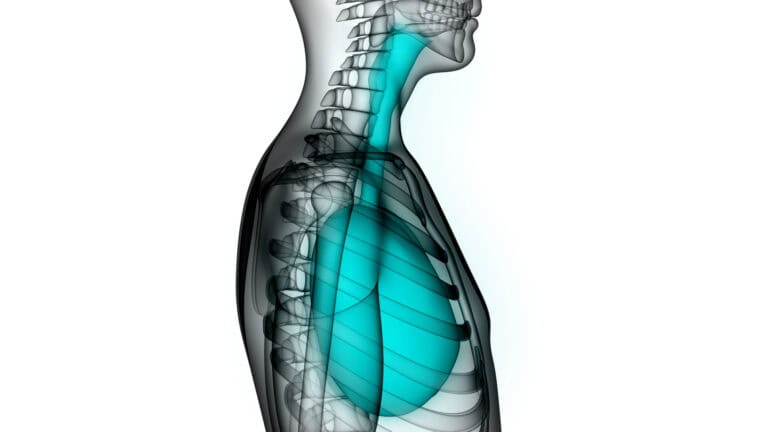
Rates of esophageal cancer have been steadily rising over the past decade, largely due to higher rates of gastroesophageal reflux disease (GERD). The esophagus, the tube that carries food from your throat to your stomach, is a sensitive place. When cancer takes hold there, it often goes undetected until it’s already advanced. PubMed Central
Traditional treatment has included surgery, chemotherapy, and radiation. And while those tools still matter, the new treatments for esophageal cancer arriving on the scene are expanding what’s possible — giving doctors more options and patients more reasons to keep fighting.
1️⃣ IMMUNOTHERAPY: TEACHING YOUR BODY TO FIGHT BACK
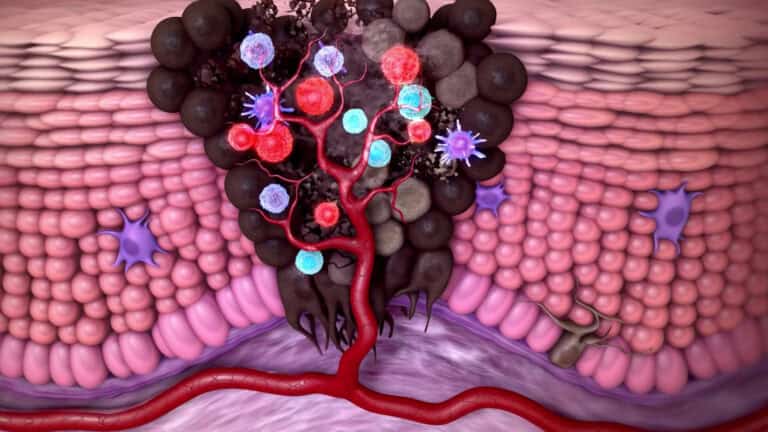
One of the biggest game-changers in esophageal cancer immunotherapy is exactly what it sounds like — using your own immune system as a weapon.
Your immune system is already designed to find and destroy abnormal cells. But cancer is sneaky. It can wear a disguise that fools your immune cells into leaving it alone. Immunotherapy drugs work by ripping off that disguise.
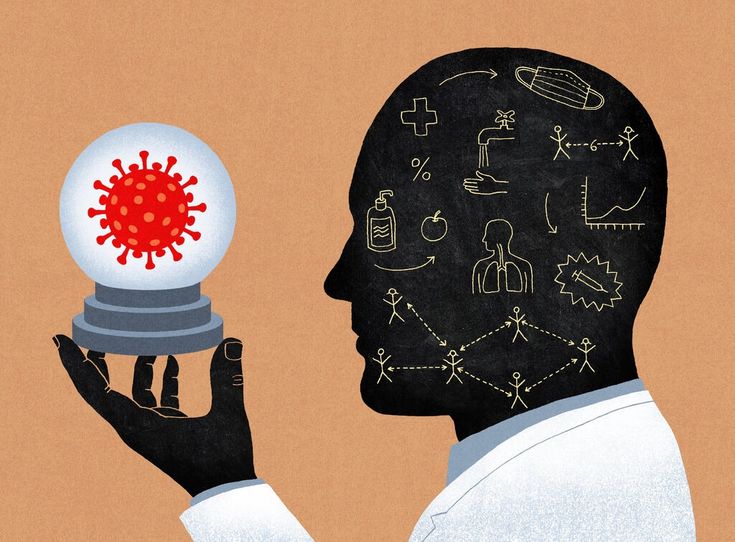
The therapeutic landscape in nearly every treatment line for advanced esophageal cancer has been enriched by recent approvals of immune checkpoint inhibitors (ICIs). These drugs essentially flip a switch in your body’s defense system, helping your immune cells recognize and attack the tumor. nih
Two of the biggest names in this space right now are nivolumab and pembrolizumab — both of which have been approved for use in esophageal cancer patients. In patients with locally advanced or metastatic esophageal cancer, the combination of pembrolizumab and chemotherapy has shown a significant benefit in overall survival — 12.4 months versus 9.8 months — compared to chemotherapy alone, across multiple cancer types. nih
That may sound like a modest gain, but in the world of advanced cancer, those extra months mean everything. They mean more time with the people you love.
2️⃣ TEVIMBRA (TISLELIZUMAB): THE BRAND-NEW FDA APPROVAL
Here’s something brand new that you need to know about.
On March 4, 2025, the FDA approved Tevimbra (tislelizumab), in combination with chemotherapy, as a first-line treatment for people with advanced esophageal squamous cell carcinoma that expresses the PD-L1 protein. This is huge news. Cancer Today
What makes Tevimbra stand out? It’s not just approved as a later-line treatment. It’s now a starting point — something doctors can use right away when a patient is first diagnosed with advanced disease.
And the clinical trial results are remarkable. A study published in the AACR journal Clinical Cancer Research in November 2024 showed that adding tislelizumab to standard chemotherapy and radiation shrank tumors in patients with unresectable esophageal cancer enough to make them eligible for surgical removal — which led to longer patient survival. American Association for Cancer Research
In the phase II trial, 24 patients with unresectable esophageal cancer received the treatment combination. Twenty of those patients had their tumors shrink enough to become eligible for surgery, and 13 had their tumors disappear entirely. American Association for Cancer Research
Read that again. Thirteen patients. Tumors. Gone entirely.
This is one of the most powerful new treatments for esophageal cancer to hit the market in years, and it’s available right now.
3️⃣ HER2-TARGETED THERAPY: PRECISION MEDICINE GETS PERSONAL
Not every esophageal cancer is the same. Some tumors carry a specific protein called HER2 — and when they do, there’s a targeted weapon designed just for them.
Targeted therapy for esophagus cancer works differently than chemotherapy. Instead of attacking all fast-growing cells in the body (which is why chemo causes hair loss and fatigue), targeted drugs go directly after the specific protein or gene driving the cancer’s growth.
In the metastatic setting, the antibody-drug conjugate trastuzumab deruxtecan has been shown to be effective after progression on initial trastuzumab treatment. Think of it like a heat-seeking missile — it locks onto HER2 and delivers a direct hit. nih
Anti-HER2 therapy with trastuzumab has been approved as front-line treatment for HER2-positive cases, which account for approximately 20% of esophageal cancers. nih
If you have HER2-positive esophageal cancer, make sure your doctor knows. Ask to be tested. Because this personalized treatment could be the exact right fit for your specific tumor.
Molecular markers such as HER2 and EGFR can be targeted with drugs like trastuzumab and cetuximab, and immunotherapy drugs like pembrolizumab and nivolumab show promise by targeting immune checkpoint proteins. nih
The future of cancer treatment is personal — and that’s a beautiful thing.
4️⃣ LIQUID BIOPSY: CATCHING CANCER WITH A SIMPLE BLOOD DRAW(
This one might be the most surprising breakthrough on the list.
Traditional cancer detection means biopsies — needles, tissue samples, and procedures that can be uncomfortable and imprecise. But liquid biopsy cancer detection is changing the game with something as simple as a blood draw.
Liquid biopsy has recently become popular because conventional tests like endoscopy and CT scans are insufficient to evaluate minimal residual disease. It involves taking a small body fluid sample and testing it for circulating tumor DNA (ctDNA), microRNA, or circulating tumor cells — and it may help predict esophageal cancer prognosis and recurrence, stratify high-risk populations, and determine cases with complete responses to preoperative treatment. nih
In plain English? A blood test that can tell you if cancer is coming back before you can even feel it. That’s extraordinary.
In gastroesophageal junction cancer treated with pembrolizumab and neoadjuvant chemoradiotherapy, serial ctDNA analysis has proven effective at tracking treatment response and disease progression. Post-therapy ctDNA clearance correlates with higher rates of complete pathological response and better outcomes — while ctDNA that persists in the bloodstream indicates a higher risk of recurrence. Frontiers
This means your doctors can monitor treatment in real time. They can adjust the plan before a scan would even show a change. That’s precision. That’s power.
5️⃣ CHEMORADIATION + IMMUNOTHERAPY COMBINATIONS: STRONGER TOGETHER
On its own, chemoradiation has been a backbone of esophageal cancer treatment for years. But combining it with immunotherapy? That’s where things get exciting.
A phase II clinical trial found that adding immunotherapy to standard chemoradiation could shrink tumors enough to make some patients eligible for surgery who previously were not. Researchers followed 30 people who had esophageal squamous cell carcinoma that had spread to nearby organs and lymph nodes — none of them were eligible for surgery at the start. Cancer Today
The process went like this: patients first received chemoradiation. Then they got the immunotherapy drug tislelizumab along with additional chemotherapy. The result? For 20 of those participants, the treatment shrank the tumor enough that they could have surgery. Cancer Today
Surgery is often where long-term survival happens. Getting a patient to the table who previously couldn’t qualify — that’s a life changed. That’s a miracle dressed in medicine.
Esophageal cancer clinical trials are continuing to test new combinations, timing strategies, and patient populations to find out exactly who benefits most. If surgery feels out of reach right now, ask your oncologist whether a combination approach might open that door.
6️⃣ AI AND ROBOTIC SURGERY: SMARTER TOOLS IN THE OPERATING ROOM

Here’s something you might not expect to see on this list: artificial intelligence.
Emerging applications of AI and extended reality are transforming intraoperative navigation, risk prediction, and surgical education — shifting the role of the esophageal cancer surgeon from that of a technical operator to a strategic decision-maker who must balance oncologic efficacy, physiologic reserve, and technological innovation to achieve truly personalized care. Wiley Online Library
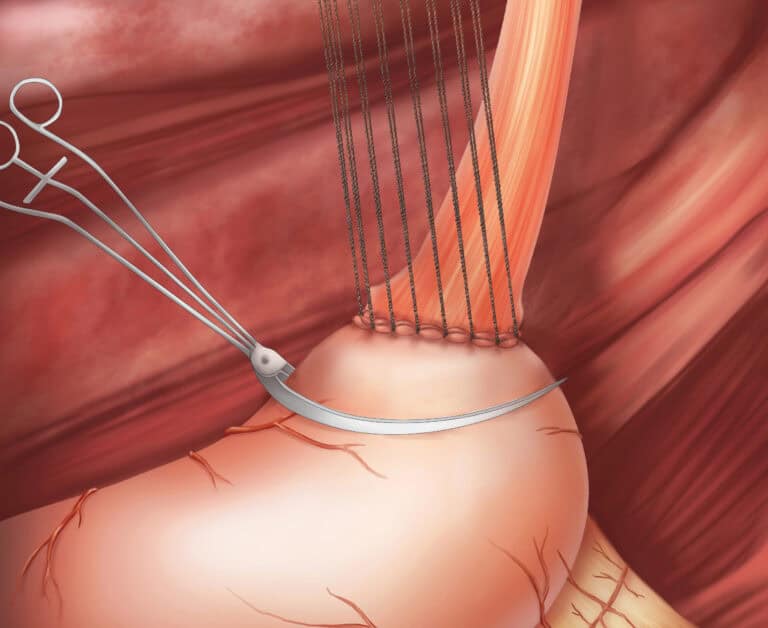
What does that mean for you as a patient? It means the surgeons operating on esophageal tumors today have better tools than ever before. AI can help map a tumor before surgery. Robotic systems allow for more precise incisions with less damage to surrounding tissue. Recovery times are improving.
These aren’t just futuristic dreams — they’re happening right now in top cancer centers across the country. If surgery is on your treatment plan, ask your team about robotic-assisted options and whether AI-guided imaging is available at your facility.
7️⃣ PERSONALIZED MEDICINE: YOUR CANCER, YOUR TREATMENT
The seventh — and maybe most important — breakthrough isn’t a single drug. It’s a philosophy.
Recent advancements in the field have led to biomarker-guided treatment options such as immunotherapy and HER2-targeted therapy. These newer therapies have not only improved outcomes for advanced disease, they are now also being investigated in earlier stage settings. nih
Personalized medicine means your tumor gets tested. Your genetic markers get analyzed. And then — your treatment plan gets designed for you. Not just you as a statistic, but you as a unique human being with a unique cancer profile.
This is where the new treatments for esophageal cancer are all headed. The goal isn’t just to treat cancer. It’s to treat your cancer. With the right drug, at the right time, in the right combination.
Early diagnosis, appropriate treatment, and supportive care are key to improving outcomes. And as more targeted drugs enter clinical trials, the options for each individual patient continue to grow.
PATCHAID VITAMIN PATCH + THE PRAYER WALL: SUPPORT THAT STICKS WITH YOU
Fighting cancer is not just a physical battle. It’s emotional. Spiritual. Exhausting. That’s why I always say — you need support that sticks.
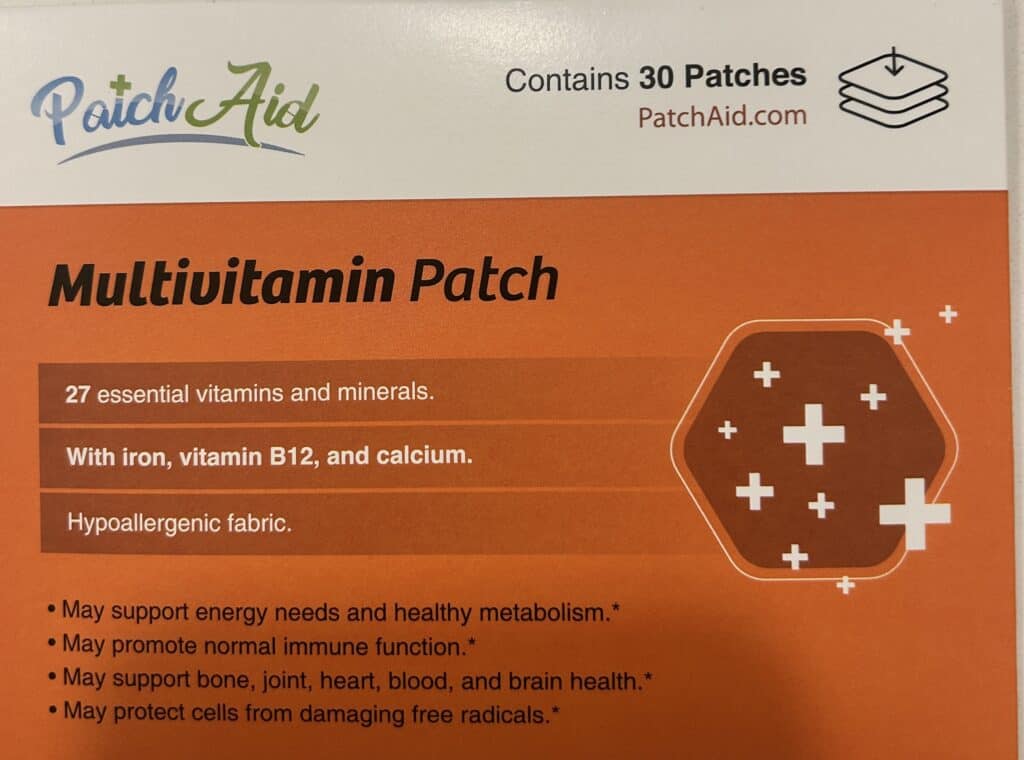
PatchAid Vitamin Patches are a game-changer for cancer patients and survivors who struggle to swallow pills or maintain consistent nutrition during treatment. These patches deliver vitamins and nutrients transdermally — right through your skin — without the nausea or difficulty that often comes with oral supplements. Whether you’re in active treatment or in recovery, your body needs fuel. PatchAid helps you get it.
👉 Shop PatchAid now at http://www.patchaid.com/TEXASKK — and give your body the nutritional support it deserves.

But here’s what matters just as much as any supplement: prayer.
I believe with everything in me that healing happens on a spiritual level too. When you’re in the valley, you need people praying with you — not just for you. That’s why I want you to visit the Prayer Wall and submit your request. Let a community of faith stand in the gap for you.
👉 Visit the Prayer Wall here and let someone carry this with you. You are not alone.
ZINZINO: FEEDING YOUR CELLS FROM THE INSIDE OUT
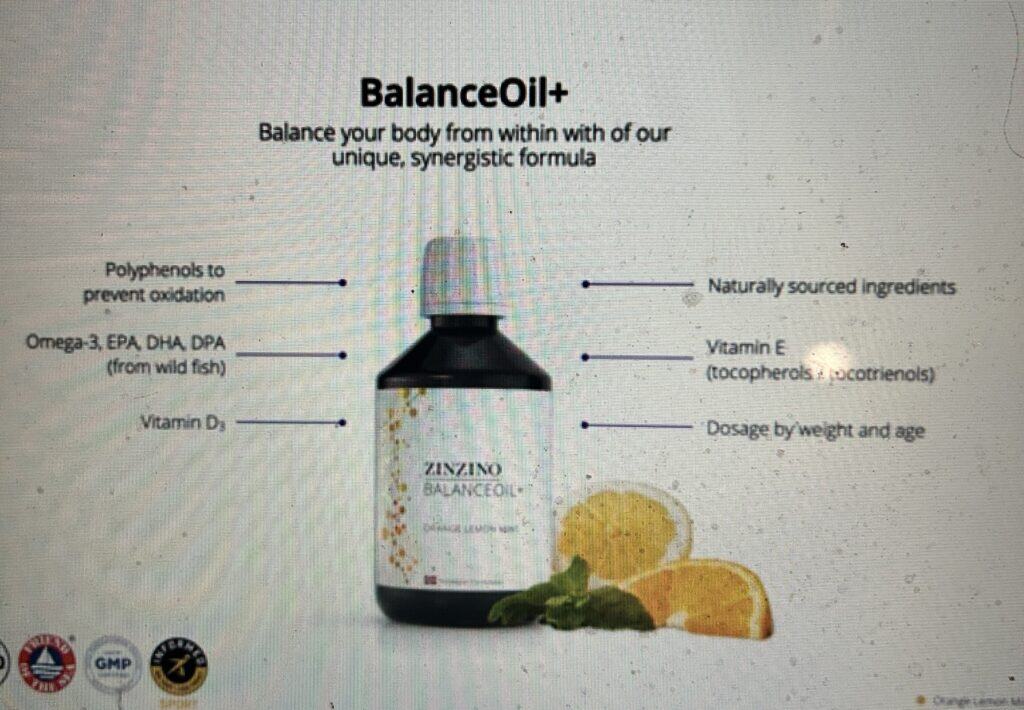
When you’re dealing with something as serious as esophageal cancer, what you put into your body matters more than ever. That’s why I’m passionate about Zinzino — especially BalanceOil+ and Collagen Boozt.
According to research by Robert Ferguson, BalanceOil+ is a powerful Omega-3 supplement that actually raises HDL (the good cholesterol) — and it debunks the common myth that Omega-3s thin the blood in a harmful way. For cancer patients managing inflammation, circulation, and cellular health, this kind of balanced fat intake is critical.
Collagen Boozt, meanwhile, is superior when it comes to skin elasticity and gut health — both areas that can take a serious hit during cancer treatment. The gut microbiome plays a powerful role in immune function, and keeping the gut strong matters whether you’re in treatment or on the other side of it.
These aren’t miracle cures. But they’re high-quality tools to support your body while medicine does its work. Ask your care team about incorporating Zinzino into your wellness plan.
THE BOTTOM LINE: HOPE IS NOT A FOUR-LETTER WORD
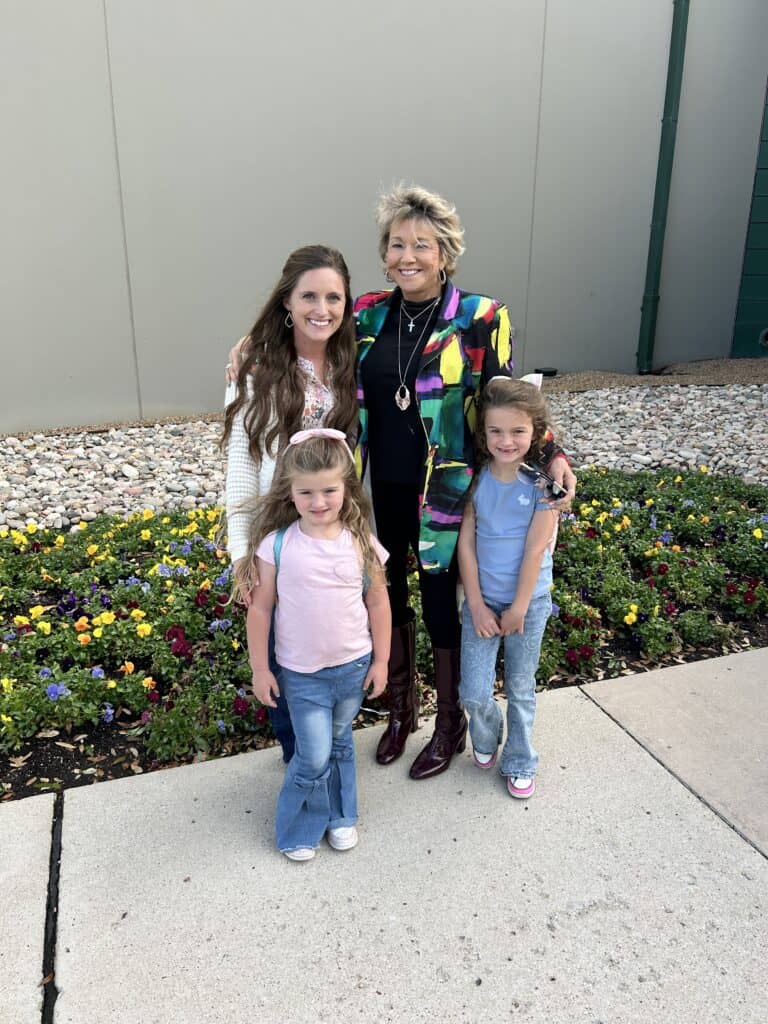
I want to leave you with this.
When I was in the thick of my hardest days, I held on to faith with both hands. And I also held on to facts — because knowing what’s possible gave me something to fight toward.
The new treatments for esophageal cancer available in 2025 are not small steps. They are leaps. From FDA-approved immunotherapy drugs to AI-guided surgeries, from liquid biopsies to targeted precision medicine — doctors are fighting harder for patients than ever before.
You have more options today than any patient had five years ago. And the research isn’t stopping. Esophageal cancer clinical trials are ongoing right now, testing even more combinations and breakthroughs that could change lives in the years to come.
So if you’re reading this in a hospital room, a living room, or a parking lot waiting for test results — hear me when I say this: keep going. Stay curious. Ask your doctor hard questions. Seek second opinions. And lean on the people — and the faith — that hold you up.
You are Stronger With Scars — and the fight is worth it. 💛
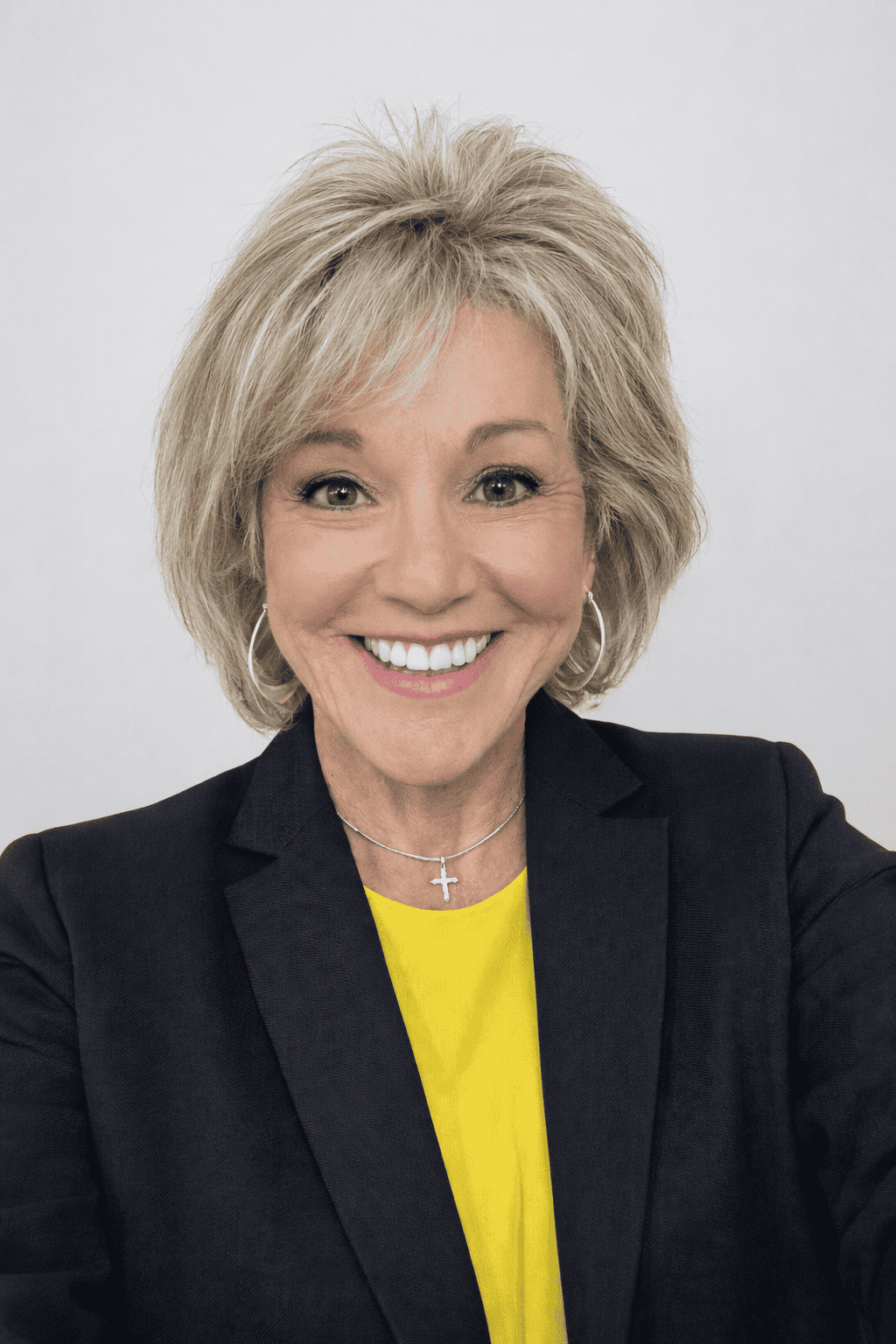
“Meet Kelle Hinson, founder of Texas KKs Stomps Cancer, esophagus cancer survivor, advocate, and blogger sharing hope, faith, healthy living, and recovery.”