
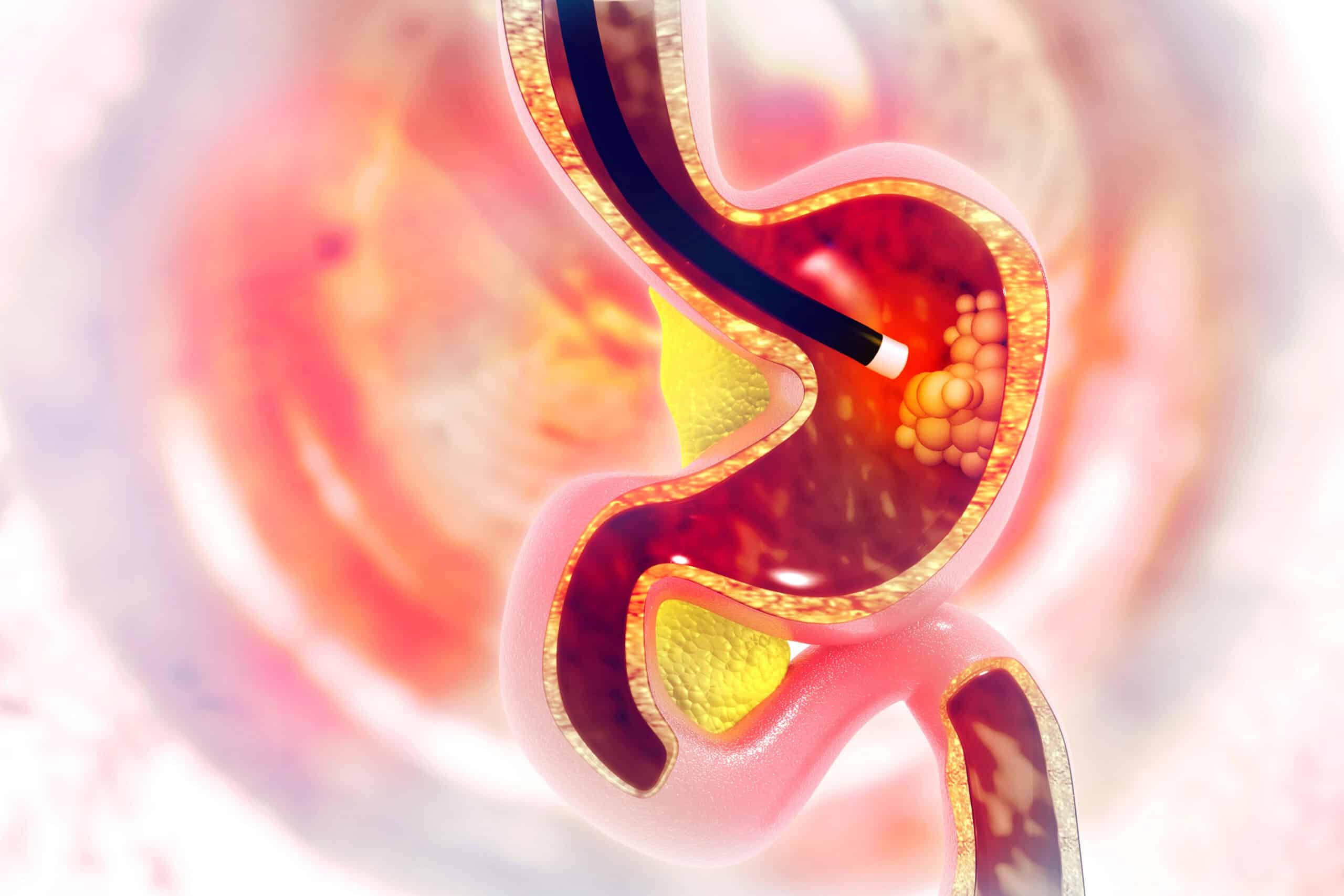
“5 Crucial Facts About Trouble Swallowing After Endoscopy and Esophagus Cancer”
If you’ve ever had an endoscopy and noticed trouble swallowing afterward, you may wonder if it’s normal—or if it’s something more serious like esophagus cancer. Difficulty swallowing, also called dysphagia, is one of the most common esophagus cancer symptoms. At first, it might feel like throat irritation, congestion, or a sore spot that just needs a few days to heal. But sometimes, it’s your body waving a red flag.
You may feel food sticking, water not going down, or even chest pain. Because these overlap with symptoms of esophagus cancer, you need to know the difference. In this article, you’ll learn:
- Why swallowing trouble happens after endoscopy
- What signs may point to esophagus cancer
- How my colonoscopy and endoscopy saved my life from stage 3 esophagus cancer and stage 1 colon cancer
- What life looks like when you’re still living with swallowing problems
- Simple healing tips that make eating and drinking easier
- How procedures, anesthesia, and even minor surgeries affect your whole body
- How prayer and practical tools like PatchAid Vitamin Patches work together to bring strength and hope
By the end, you’ll understand why trouble swallowing after endoscopy should never be ignored, and how you can move forward with awareness, care, and faith.
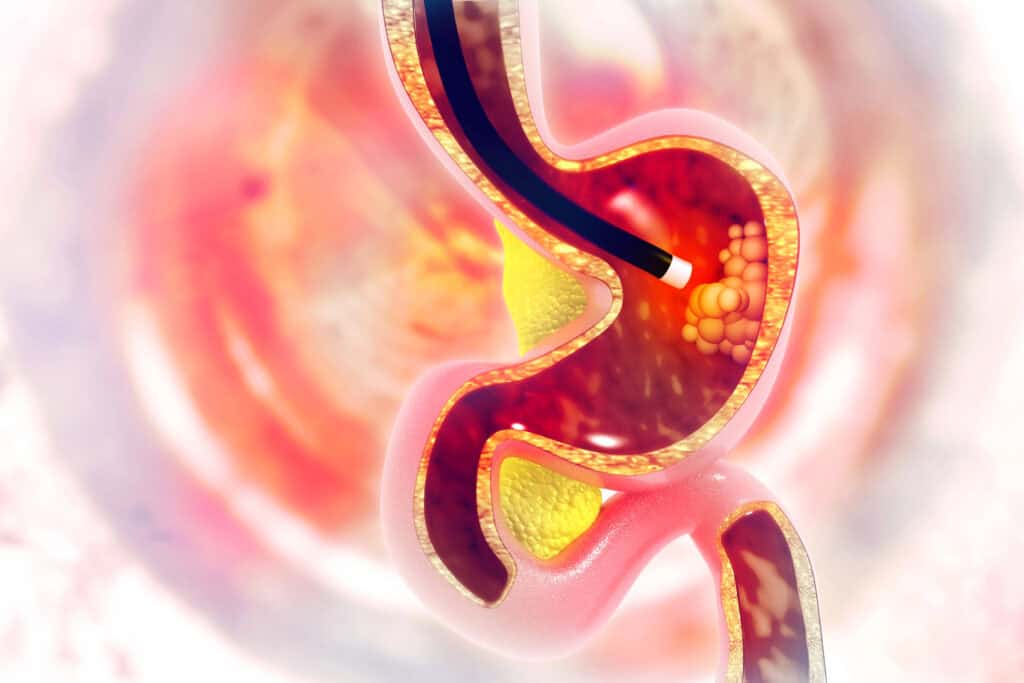
WHY YOU MAY HAVE TROUBLE SWALLOWING AFTER ENDOSCOPY
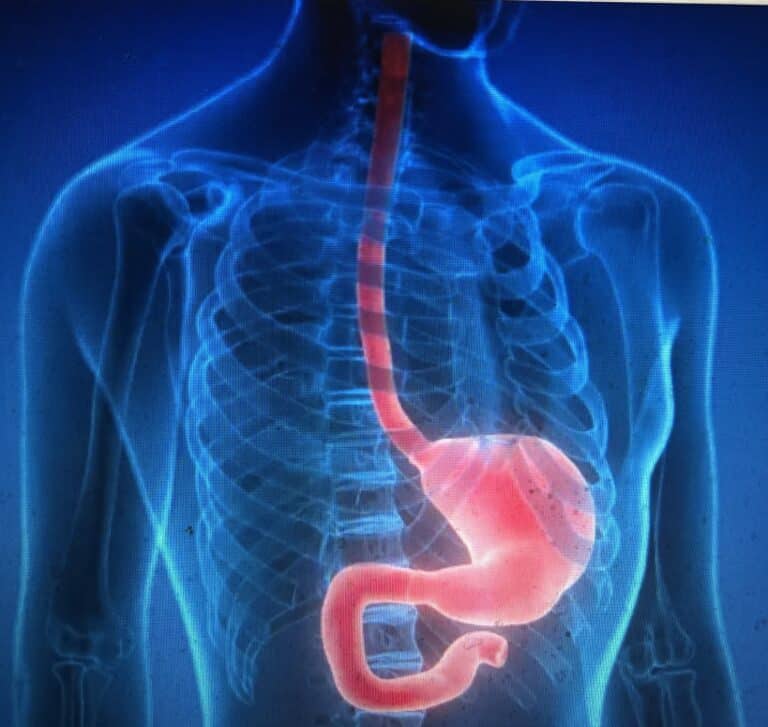
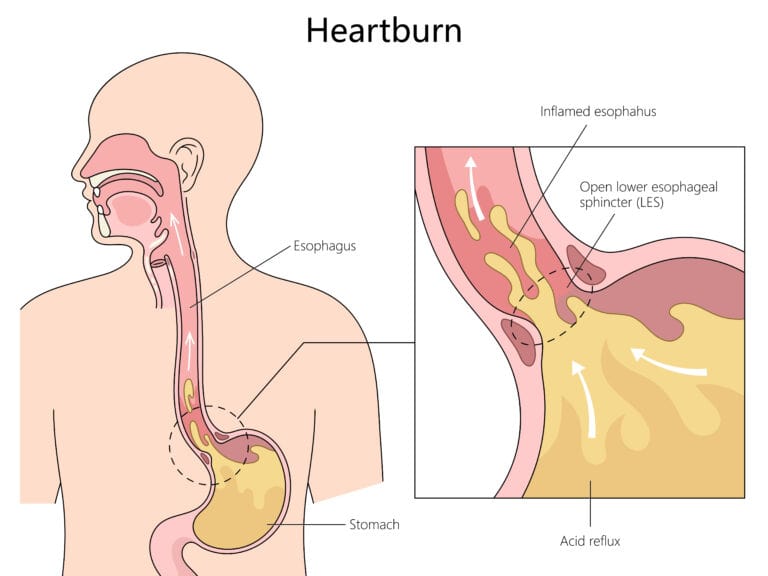
When you have an endoscopy, your throat and esophagus can feel irritated afterward. This is common. You may notice trouble swallowing because:
- The scope can cause temporary soreness or swelling.
- If you already have GERD, reflux, or esophagus cancer, symptoms may flare.
- The anesthesia and procedure can leave you with congestion or coughing.
Most of the time, these symptoms fade in a few days. But if swallowing problems linger, you should pay attention. Sometimes what seems like irritation is really a symptom of esophagus cancer.

HOW A COLONOSCOPY AND ENDOSCOPY SAVED MY LIFE
For years, you may put off routine screenings. I did. I lived with reflux and heartburn, but I didn’t have insurance. So, I skipped my colonoscopy and let the years slide by.
Finally, I went in for my colonoscopy. My GI doctor remembered my history with reflux and suggested, “Let’s do an endoscopy while we’re at it.” I agreed.
THAT CHOICE CHANGED MY LIFE
The colonoscopy revealed stage 1 colon cancer, while the endoscopy found stage 3 esophagus cancer. I never expected two cancers to show up at once. My sore throat and congestion afterward felt minor compared to the diagnosis I was about to face. Within a month, I started chemo and radiation treatments. My new journey began right there.

LIVING WITH ESOPHAGUS CANCER AND SWALLOWING TROUBLES
If you’re walking through esophagus cancer, swallowing is one of the hardest daily struggles. You may need endoscopies every six weeks to stretch your esophagus, just like I do. Without those, eating becomes impossible.
Here’s what swallowing trouble looks like in real life:
- Food gets stuck suddenly—even in the middle of a meal.
- You start coughing, gagging, or even vomiting without warning.
- Napkins at the dinner table aren’t just for spills—they become your safety net.
- Drinks don’t always help. Sometimes even water refuses to go down.
- Eating out means you always ask for extra napkins, water before meals, and a seat near the bathroom.
This is what trouble swallowing after endoscopy and esophagus cancer recovery really looks like. It’s messy. It’s frustrating. But with procedures, patience, and faith, you find ways to keep going.

ESOPHAGUS CANCER SYMPTOMS YOU SHOULD NEVER IGNORE
If you’ve had an endoscopy, don’t just focus on your throat soreness. Pay attention to bigger signs. Call your doctor if you notice:
- Swallowing trouble that gets worse instead of better
- Food or liquid sticking in your throat regularly
- Unexplained weight loss
- Chest pain, pressure, or constant reflux
- Coughing fits, nausea, or vomiting after meals
👉 These are not just recovery signs—they are classic esophagus cancer symptoms. Don’t ignore them. Early answers may save your life, just like they saved mine.
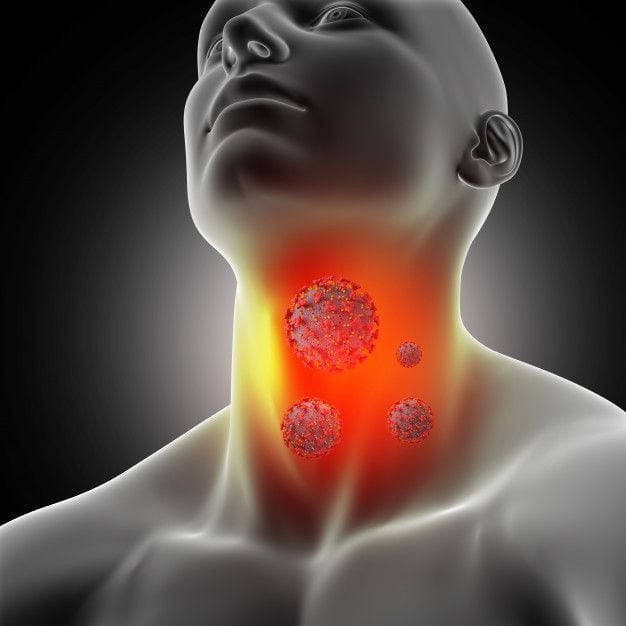
WHEN TROUBLE LINGERS AFTER ENDOSCOPY
Not every recovery feels the same. Sometimes you bounce back quickly. But after several procedures, you may notice lingering sore throat, congestion, or breathing problems.
For me, the congestion irritated my cancer-driven asthma. I never had asthma before cancer. But chemo, radiation, and surgery changed my lungs forever. You may experience the same.
If you feel shortness of breath, chest tightness, or wheezing after an endoscopy, don’t panic. But do be prepared. I needed breathing treatments, inhalers, and lots of rest before my body calmed down. You may too.

HOW SURGERY AFFECTS YOUR WHOLE BODY
You might think of an endoscopy as just a “simple test.” But the truth is—it’s still a surgery. Anesthesia puts stress on your system. Your immune defenses dip. And if you’re already fighting esophagus cancer or recovering from chemo, the effects hit harder.
Here’s what you may notice:
- Hair thinning or loss – not just from chemo, but from the stress of repeated procedures.
- Immune system weakness – making you more prone to infections.
- Extreme fatigue – your body spends energy just trying to heal.
- Brain fog – lingering confusion or memory lapses from anesthesia.
Even a “small” surgery shakes your whole body. That’s why you need to prepare, rest, and give yourself grace when recovery takes longer than you planned.
HOW TO PREPARE YOURSELF BETTER
Here are a few things you can do before and after your procedure to ease recovery:
- Talk to your doctor about asthma, reflux, or other conditions before surgery.
- Plan for downtime—don’t overbook your schedule the same day.
- Hydrate well—fluids help clear anesthesia and soothe your throat.
- Have your inhaler or breathing treatments ready if you’re prone to congestion.
- Boost your immune system with nutrition, rest, and vitamins before going in.
Being prepared helps you recover faster and reduces the stress on your body.

HEALING HABITS TO EASE SWALLOWING
While your esophagus is healing, simple changes make a big difference:
- Drink warm teas or broths instead of icy drinks.
- Choose soft foods like mashed potatoes, yogurt, or pudding.
- Chew slowly and sip water with each bite.
- Stay away from alcohol, caffeine, and spicy foods.
- Eat smaller meals throughout the day.
- Always keep water nearby—you never know when food may stick.
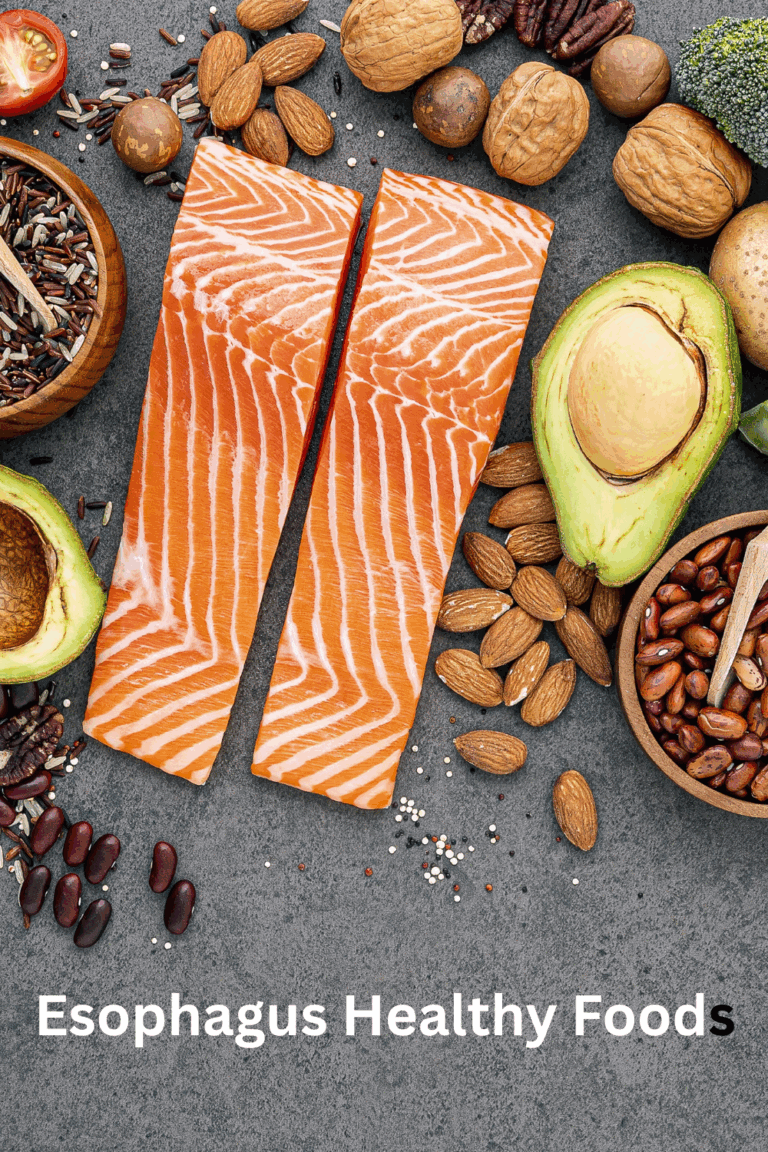
These habits won’t cure esophagus cancer, but they can help you manage swallowing problems and make life easier. SEE ARTICLE : https://texaskkstompscancer.com/healthy-foods-esophagus-cancer/

PATCHID VITAMIN PATCHES + PRAYER SUPPORT 🌙✝️
When you’re living with esophagus cancer or struggling with trouble swallowing after endoscopy, even something as simple as taking a daily vitamin can feel impossible. That’s where PatchAid Vitamin Patches come in.
✨ With these patches, you don’t have to swallow pills. You just apply them at night, and they deliver nutrients through your skin while you rest. My own bloodwork shows they work—and they’ve been a huge part of keeping my body strong through treatments, repeat endoscopies, and recovery. http://www.patchaid.com/TEXASKK TO GET 40% OFF.
But physical strength isn’t the only thing you need. You also need spiritual strength. That’s why I built a Prayer Wall—a place where you can share your requests, lift up others, and know you’re not walking this road alone. Just as the vitamin patches nourish your body, prayer nourishes your soul.
When you combine practical tools like PatchAid Vitamin Patches with the power of prayer support, you’re building both physical and spiritual resilience. One helps your body fight fatigue, while the other brings peace, comfort, and hope when the journey feels too heavy.
🙏 You’re invited to visit the Prayer Wall, share your requests, and commit to praying for others. Healing takes more than medicine—it takes faith, community, and love. https://texaskkstompscancer.com/prayer-request/

FAITH AND HOPE THROUGH CANCER ✝️
If you’re facing esophagus cancer, you know it’s more than a physical battle—it’s emotional and spiritual too. When you’re exhausted, coughing at dinner, or feeling like your body betrayed you, it’s easy to lose hope.
But faith can hold you steady. In 2016, I gave up alcohol by leaning on God. Later, I leaned on Him again through chemo, radiation, and surgeries. My favorite verse became my anchor: “I can do all things through Christ who strengthens me.” (Philippians 4:13).
You may not always feel strong, but with God, you are never fighting alone.

WHAT YOU NEED TO REMEMBER
Here’s what I want you to carry with you:
- Trouble swallowing after endoscopy is common, but it can also signal esophagus cancer.
- Saying yes to my doctor’s advice saved me. Without that endoscopy, I would have missed stage 3 esophagus cancer and stage 1 colon cancer.
- Your body may struggle with sore throats, asthma, fatigue, or congestion after procedures—but awareness helps you prepare.
- Manage swallowing problems with simple habits, breathing support, and faith.
- Support your health with tools like PatchAid Vitamin Patches when swallowing pills isn’t possible.
- Most importantly—remember that faith, hope, and prayer are stronger than cancer.

SUMMARY
If you have trouble swallowing after endoscopy, don’t ignore it. Sometimes it’s just irritation. Other times, it’s the first clue that something bigger—like esophagus cancer—is happening. I know, because it happened to me.
Your road may include chemo, radiation, repeat endoscopies, vomiting at the dinner table, and asthma flare-ups. But your road can also include healing, hope, and strength you never knew you had.
With medical care, faith in God, and small tools to make daily life easier, you’ll discover that your scars don’t destroy you—they make you stronger.