
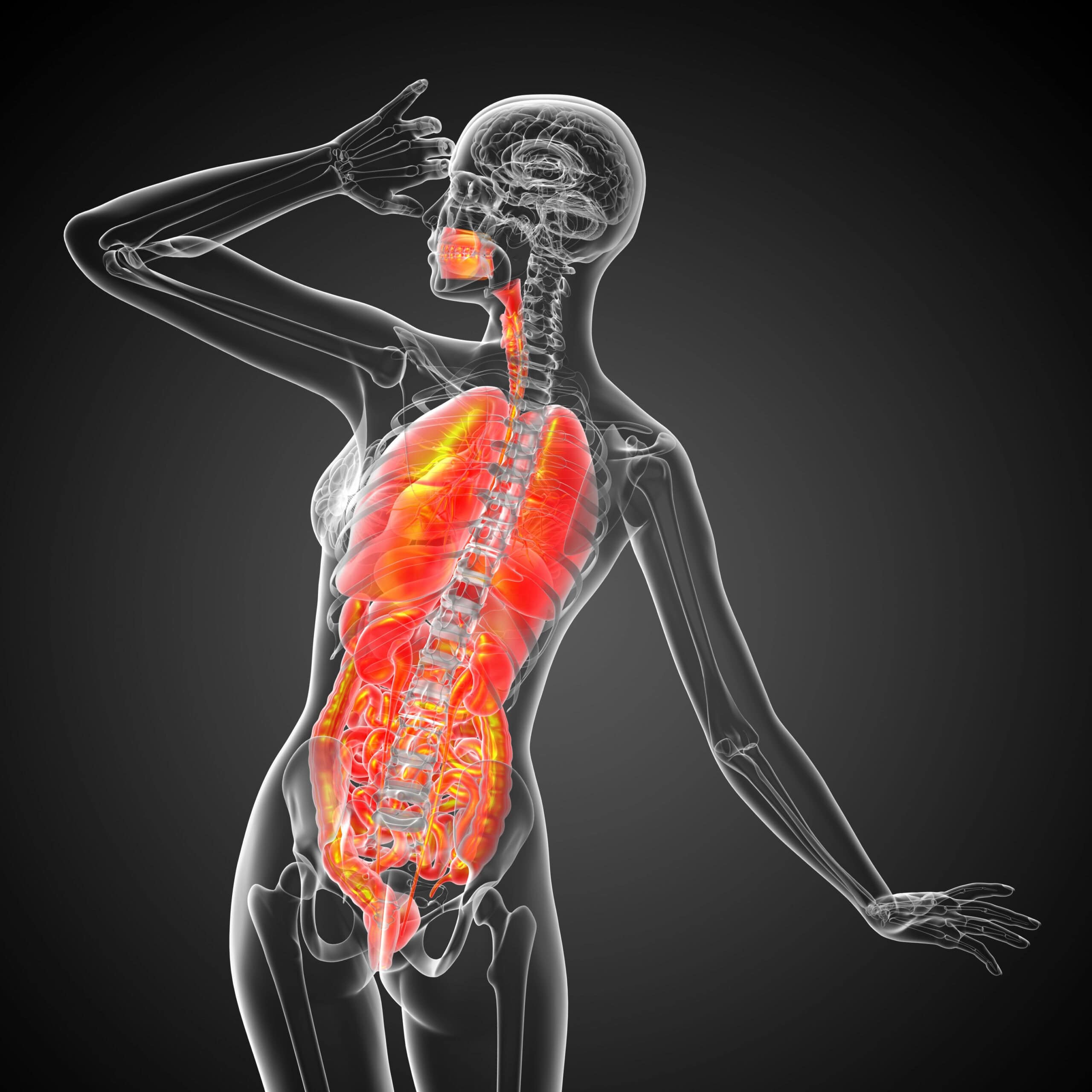
7️⃣ POWERFUL EXERCISES TO STRENGTHEN YOUR LOWER ESOPHAGEAL SPHINCTER
If you have acid reflux, GERD, heartburn, or difficulty swallowing, you’ve probably searched for lower esophageal sphincter exercises hoping to find a natural way to feel better.
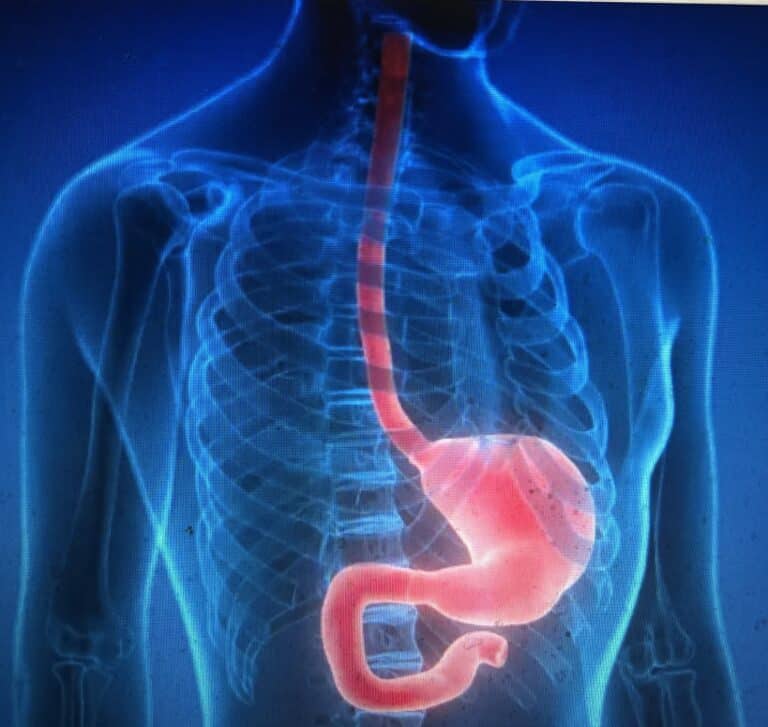
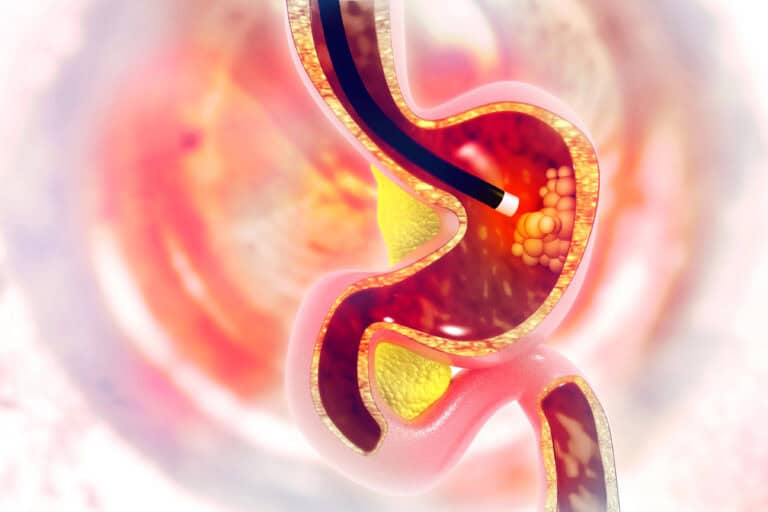
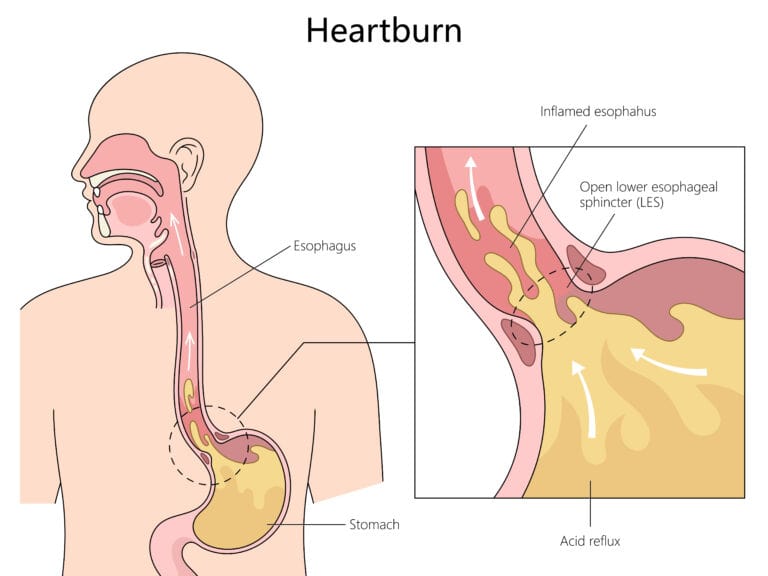
The lower esophageal sphincter (LES) is a ring of muscle between your esophagus and stomach. When it doesn’t close properly, stomach acid can flow back into the esophagus and cause uncomfortable symptoms.
While you can’t strengthen the LES like you would a bicep muscle, research suggests that diaphragmatic breathing, healthy posture, and certain daily habits may help support the muscles around the LES and improve reflux symptoms for some people.
These gentle, medically supported exercises are simple yet effective. They work by training your diaphragm, core, and throat muscles to cooperate instead of compete. Furthermore, they complement medical treatment, reduce acid reflux episodes, and help you breathe, speak, and swallow more comfortably.
Can you strengthen the lower esophageal sphincter? Not directly . However, breathing exercises,posture, maintaining a healthy weight, and following your healthcare provider’s recommendations may help support how the lower esophageal sphincter functions in some people.
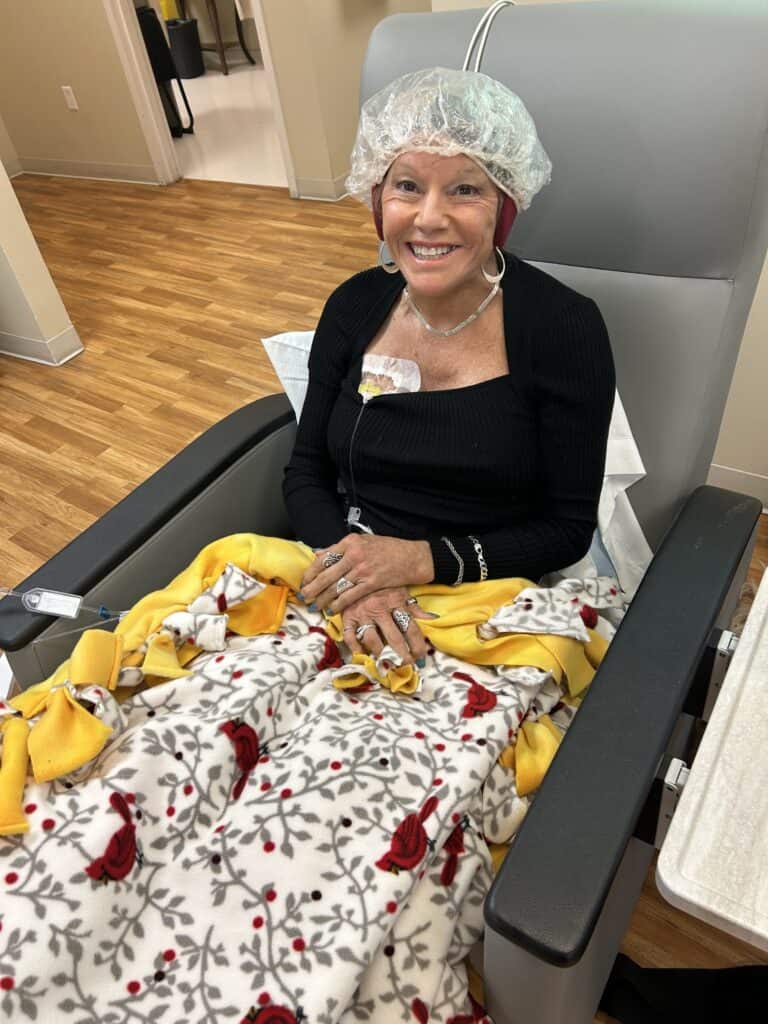
MY EXPERIENCES AFTER ESOPHAGEAL CANCER SURGERY
After my robotic esophagectomy for stage 3 esophageal cancer, my body felt completely different. Eating, swallowing, sleeping, and even simple daily activities required patience and adjustment. Like many people recovering from esophageal surgery, I experienced reflux and had to learn new habits to make everyday life more comfortable.
As I continued healing, I researched breathing exercises, posture techniques, and healthy lifestyle changes that might help support my recovery. My surgeon and healthcare team reminded me that healing takes time and that these exercises should never replace medical treatment. Instead, they became one part of my daily routine alongside eating smaller meals, staying hydrated, sleeping with my upper body elevated, and following my doctor’s recommendations.
While these exercises didn’t provide an instant fix, they helped me become more aware of my breathing, posture, and body mechanics during recovery. Over time, those small daily habits gave me greater confidence and helped me feel more in control of my healing journey.
Every person’s recovery is different, and what helped me may not be right for everyone. My hope is that by sharing both my experience and the current medical information, you’ll have practical ideas to discuss with your healthcare team as you work toward your own recovery.
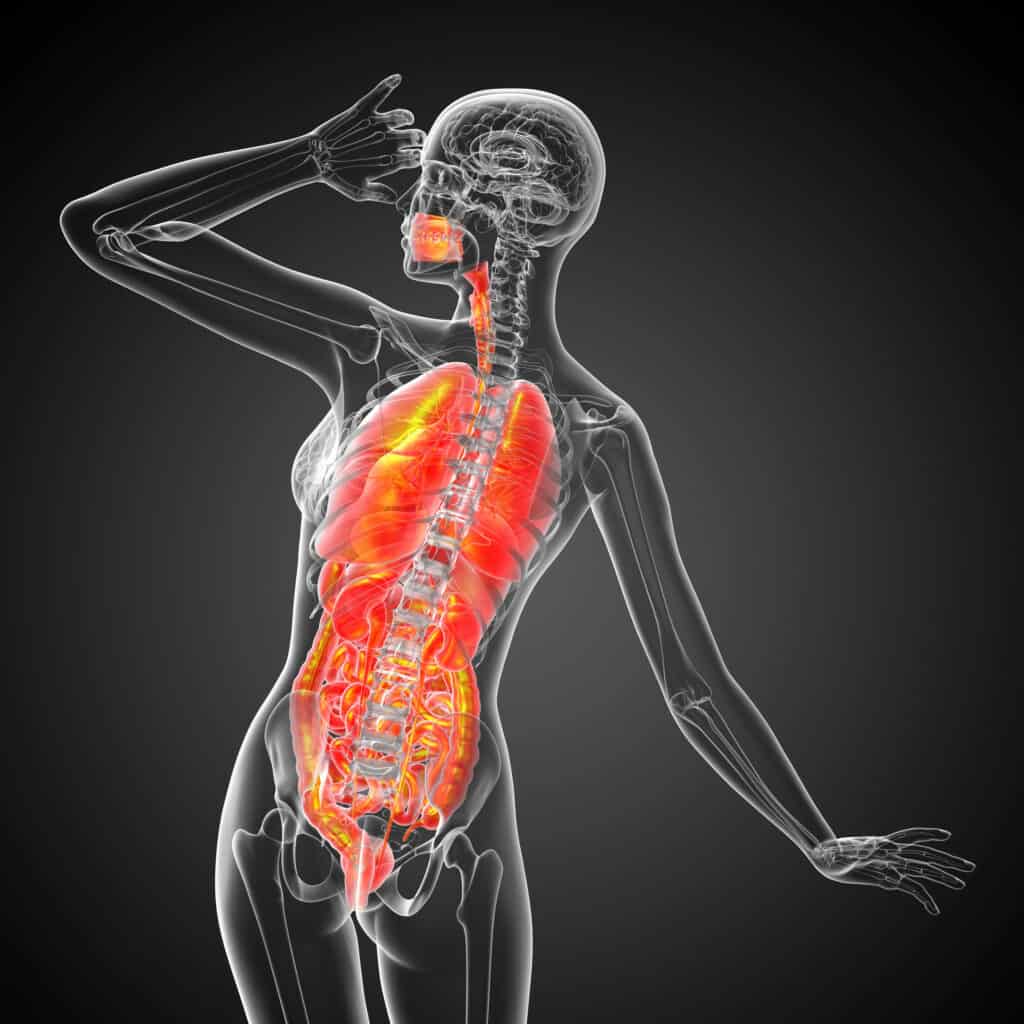
1️⃣ KNOW YOUR LOWER ESOPHAGEAL SPHINCTER
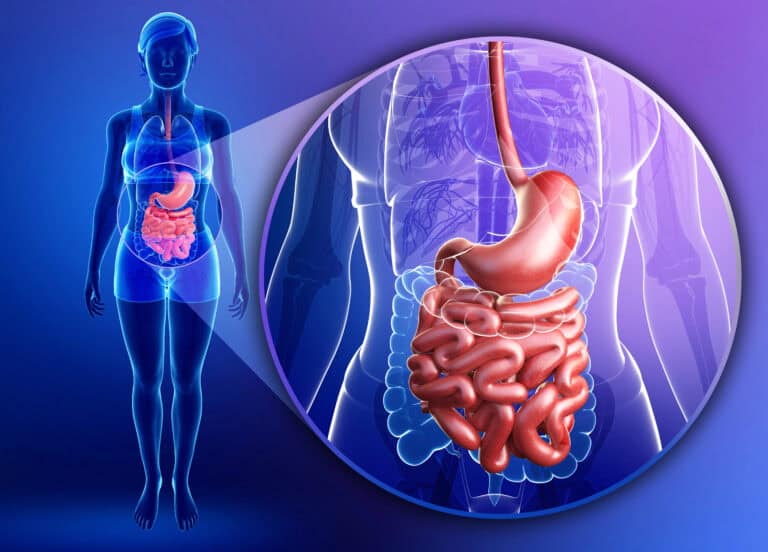
Before beginning any exercise, it helps to understand what your lower esophageal sphincter does. This small circular muscle sits between your esophagus and your stomach. It opens to allow food in and closes to keep stomach acid from leaking upward. When it becomes weak or relaxed, reflux occurs, leading to that familiar burning sensation.
Because the LES is made of muscle tissue, it can respond to training. In other words, just like strengthening your legs or arms through repetition, you can strengthen this muscle through specific exercises that build tone and coordination. As a result, acid stays where it belongs, and you experience less irritation, fewer flare-ups, and better digestion.

2️⃣ DEEP BELLY-BREATH TO DIAPHRAGM SUPPORT
This first exercise sounds simple, but it is powerful. You are going to use your belly, not your chest.
WHY THIS MATTERS:
Your diaphragm sits just above your stomach. When your diaphragm is strong and active, it helps support and stabilize the LES. So when you do this, you are doing one of the most direct exercises to strengthen lower esophageal sphincter tone without forcing or straining.
HOW TO DO IT:
Step 1: Sit upright or lie back with support behind you. Put one hand on your stomach and one hand on your upper chest.
Step 2: Breathe in slowly through your nose. Let your stomach rise like a soft balloon. Keep your chest and shoulders relaxed.
Step 3: Hold for just a gentle second.
Step 4: Now breathe out through pursed lips (like blowing out a candle), and as you exhale, feel your belly slowly fall.
DO THIS:
• 10 slow breaths in a row
• 2 times a day
• Especially after meals or when reflux is active
IMPORTANT:
If you start to feel tight in the throat, pause. Relax your neck and drop your shoulders. This is not a sprint. This is a reset.
This breathing is a foundation. You will build the next exercises on top of it.

3️⃣ ABDOMEN-TO-VOICE BREATH TRAINING (MY HOSPITAL RECOVERY LESSON)
Now we go deeper. I want you to hear this part because this is real.
After esophageal cancer surgery, I was in the hospital for 30 days. My chest was opened. My spleen was gone. I had a blood transfusion. The pain was not just “uncomfortable.” It was excruciating. It felt like my whole center — chest, ribs, throat — had been ripped, rearranged, and told to work again.
Because of that trauma, I started protecting myself in a way that seemed smart at the time, but it hurt me later.
I trained my body to go quiet.
I held my voice in. I squeezed my neck and vocal cords tight so I could talk without moving much air. I tried not to be loud, because loud hurt. I tried not to breathe big, because big breaths pulled on stitches and scars. My neck stayed tense. My throat stayed tight. My voice got weak. People said, “I can’t hear you.” I knew why. I was scared to open up.
That tension also affects the LES.
When you lock everything up from the throat down to the belly, you create pressure in all the wrong places. Your chest tightens. Your swallow changes. Your reflux can get worse.
So now, part of your healing and part of your exercises to strengthen your lower esophageal sphincter is to undo that fear pattern.
Here is how you retrain:
ABDOMEN-UP BREATH SPEAKING DRILL
Step 1: Sit tall. Place your hand over your belly.
Step 2: Inhale deep into your abdomen (like in Exercise 2).
Step 3: As you exhale, let the air lift up through your body and into your throat.
Step 4: Now, speak one short sentence gently — using air, not force.
Say something like: “I am healing.”
Then inhale again from the belly, not the throat.
Then say another short line: “My body is learning.”
KEY IDEA:
You are not pushing sound out of your mouth by squeezing your neck. You are letting sound ride the air from your diaphragm.
This is not just speech therapy. This is muscle therapy. This is LES support. This is you telling your whole swallow system, “We are safe now.”
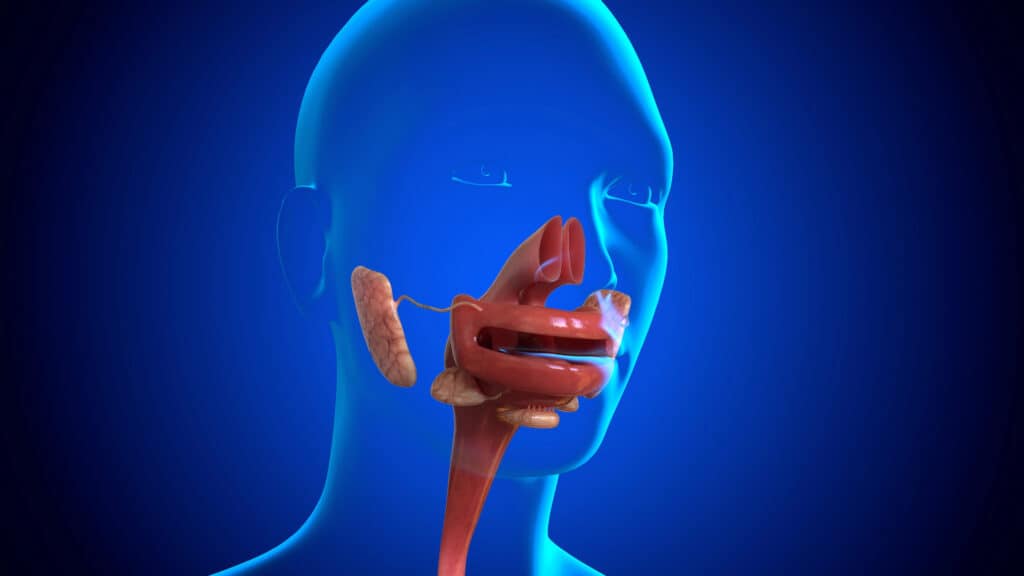
4️⃣ SLOW VOICE RELEASE AND NECK SOFTENING
When you hold your neck tight — like I did in the hospital — you trap stress in those throat muscles. That tight trap can make swallowing harder and can send signals of panic through your whole upper chest. Stress and tight posture can weaken the LES over time because stress keeps your core clenched and unbalanced.
So this next drill teaches your neck and voice to relax so your lower system can work better.
NECK RELEASE + VOICE CLEARING DRILL
Step 1: Sit or stand tall, shoulders loose.
Step 2: Take a slow belly breath in.
Step 3: As you exhale, gently drop your shoulders down and back. Feel your throat soften instead of clamping.
Step 4: Say a word or phrase in a calm, natural voice. Do not whisper (whispering can strain you more than you think). Do not force volume from your throat. Let it float out on breath.
You can practice with:
• “Thank you, Lord.”
• “I am okay.”
• “Today I am healing.”
Why this matters:
When you relax your neck and let your voice ride breath instead of tension, you reduce pressure up high and allow pressure to stabilize down low. This protects your swallow path and supports the LES seal. It sounds small. It’s not small.
This absolutely belongs in your list of exercises to strengthen your lower esophageal sphincter, because the LES is part of a system. Your voice, your swallow, your core, your diaphragm — they’re a team.

5️⃣ SWALLOW, SEAL, AND REST
Now let’s work the swallow.
This is gentle. Do not force if it hurts.
Step 1: Sit upright. Chin neutral (not tucked hard, not lifted high).
Step 2: Take a sip of water. Hold it in your mouth for one second.
Step 3: Swallow slowly. As you swallow, picture the path: mouth → throat → esophagus → stomach.
Step 4: After the swallow, pause and imagine the LES closing like a door and sealing.
Repeat this 5–10 times.
This mental + physical pattern helps retrain timing between your swallow and your LES seal. Over time, that rhythm can help reduce backwash and is part of practical exercises to strengthen lower esophageal sphincter function.
TIP:
Do this when you are calm, not panicked. Rushing makes you tighten the throat again, and we’re moving away from that.
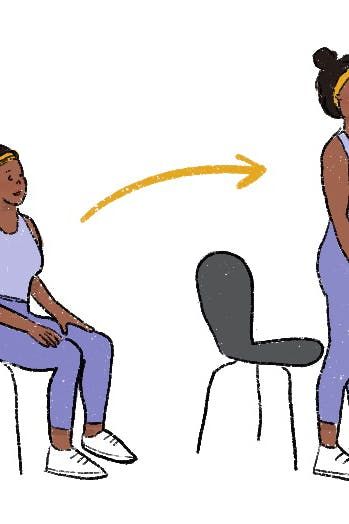
6️⃣ POSTURE AND CORE SUPPORT AFTER MEALS
This is so basic, but it matters all day long.
After you eat, stay upright. Let gravity help. When you lie down right after a meal, stomach acid can slide up toward the esophagus. That makes the LES work even harder, which can make it weaker over time.
So here is your posture routine:
• Sit or stand tall after meals for at least 30-60 minutes.
• Keep shoulders relaxed and chest open.
• Keep your belt line or waistline comfortable — no super-tight waistband pushing into your stomach.
• Take some slow belly breaths like in Exercise 2.
Why this counts:
Supporting your core, giving yourself room to breathe, and staying upright is one of the easiest daily exercises to strengthen the lower esophageal sphincter, because it reduces the load on that little muscle ring while it heals.
7️⃣ DAILY PROTECTION HABITS THAT WORK WITH THESE EXERCISES
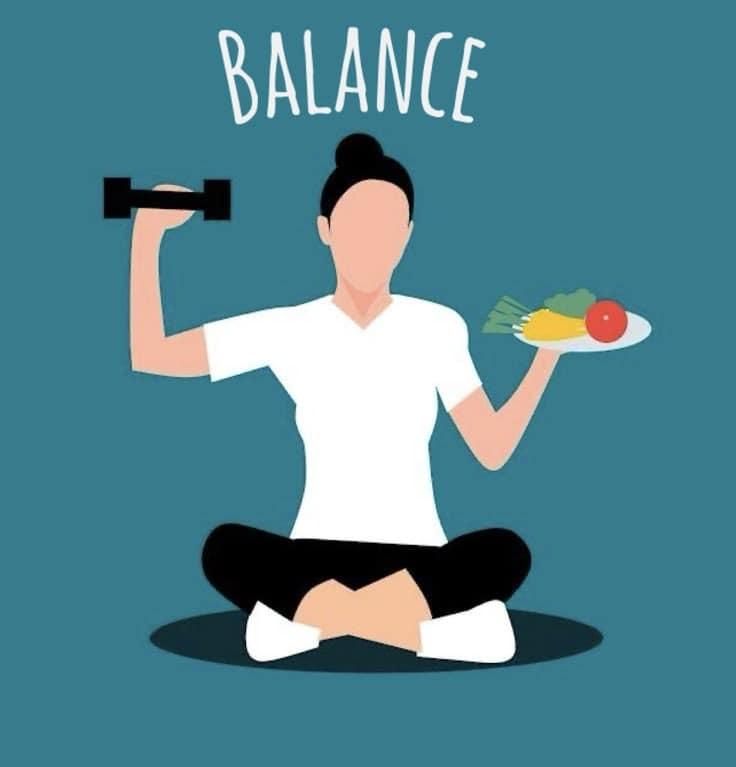
Now you bring it all together. Your LES heals best when the rest of your routine helps it instead of fighting it.
DO THIS EACH DAY:
• Eat smaller meals more often instead of giant heavy plates.
• Avoid laying flat for two hours after eating.
• Avoid late-night overeating.
• Sip water during the day to keep things moving gently.
• Limit alcohol and smoking, because both can relax (weaken) the LES.
• Use prayer, journaling, music, or quiet time to lower stress, because stress makes you clench your throat and hold your breath high — and that is the very pattern we are trying to undo.
These are not diet tricks. These are protection habits that work with your exercises to strengthen lower esophageal sphincter tone and control.
You are building calm inside your body. Calm gives the muscle a chance to become steady again.
🌿 PATCHAID VITAMIN PATCH
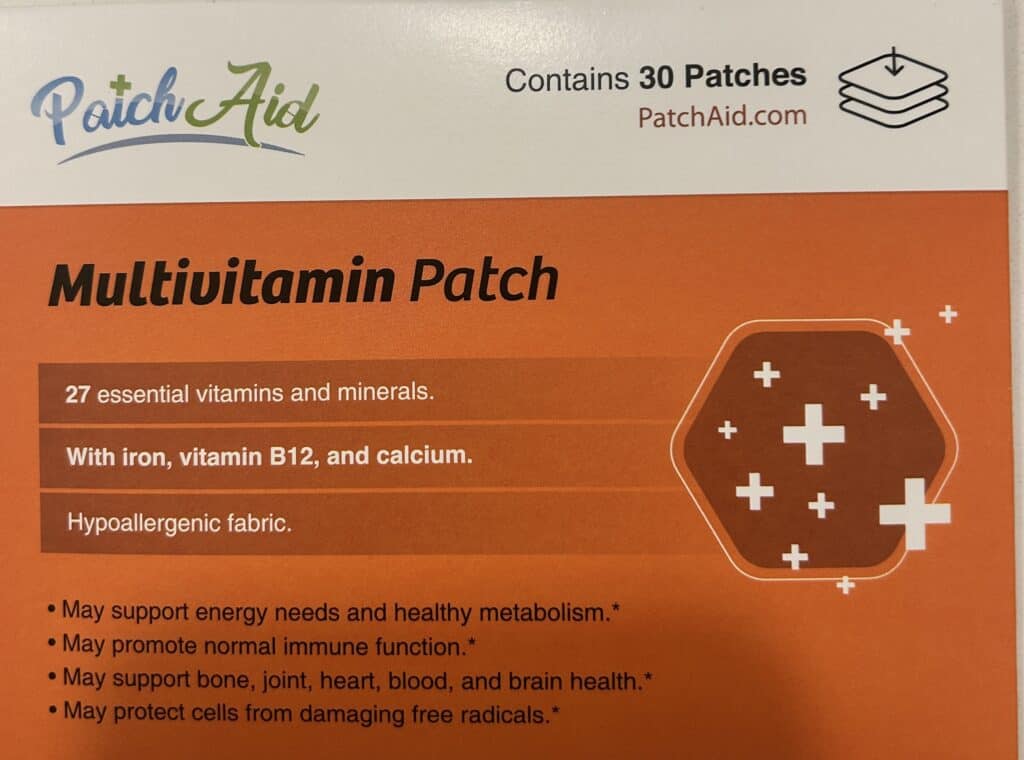
Here is the truth: after esophageal surgery, swallowing big vitamins, tablets, or even soft gels can feel impossible. Your throat may be swollen. Your esophagus may be healing. Your lower esophageal sphincter may be sensitive and irritated. You still need nutrition, but you cannot fight every single swallow.
HOW PATCHAID WORKS:
You place the PatchAid vitamin patch on clean, dry skin — I like the stomach or shoulder — before bed. Then you rest. During the night, vitamins and minerals absorb slowly through your skin into your body. You get support without forcing pills past a sore throat.

PRODUCTS THAT HELPED ME DURING RECOVERY
During my recovery from esophageal cancer surgery, I learned that small daily habits often made the biggest difference. While these products won’t strengthen the lower esophageal sphincter, they helped me stay comfortable and supported some of the lifestyle changes my healthcare team recommended. ( as a amazon affiliate, I am earn from qualifying purchases at no additional cost to you. 1% is donated to cancer research at end of year)
PRODUCT #1. WEDGE PILLOW – Sleeping with my upper body elevated became an important part of my recovery. A wedge pillow helped me stay in a comfortable position and reduced nightime reflux compared with lying flat.
PRODUCT #2. ROUTINE SHAMPOO & CONDITIONER – helped my hair feel healthier, softer, and stronger after cancer treatment. Chemotherapy and other treatments can leave hair thin, dry, and fragile. This gentle, moisturizing system helped improve the look and feel of my hair while reducing dryness and making it easier to manage.
RELATED READING
➡ 11️⃣ OVERLOOKED SYMPTOMS OF ESOPHAGUS CANCER
Learn the quiet warning signs that people ignore for years, like food sticking, sudden voice changes, and nonstop reflux.
➡ 9️⃣ ESSENTIAL TRUTHS ABOUT ESOPHAGUS CARCINOMA
Understand the difference between esophagus carcinoma and “just reflux,” and learn how early testing can save your life.
➡ 5️⃣ HEALING ESOPHAGUS-FRIENDLY FOODS FOR CANCER RECOVERY
Get soft, soothing meal ideas and snacks that are easier to swallow and kinder to your throat and stomach.
➡ STRONGER WITH SCARS — FINDING FAITH THROUGH CANCER
Read how pain can shape purpose, and how God can use even the hardest chapter to build courage in you.
These links help you keep learning, protect your body, and stay encouraged while you heal.

FAITH, HOPE, AND NEXT STEPS
Please hear this: you are not weak because you are healing. You are not dramatic because swallowing hurts. You are not “too sensitive” because talking wears you out.
You went through trauma. Your body remembers it. That tight throat, that guarded voice, that chest that doesn’t want to open — that all makes sense.
But now, step by step, breath by breath, you can retrain.
You can breathe from your belly.
You can speak from air, not strain.
You can swallow with control, not panic.
You can build calm around your LES.
You can do these steady exercises to strengthen lower esophageal sphincter tone and reclaim comfort.
And you can pray while you do it.
Your story is not over. Your healing is active. Your voice matters.


“Meet Kelle Hinson, founder of Texas KKs Stomps Cancer, esophagus cancer survivor, advocate, and blogger sharing hope, faith, healthy living, and recovery.”