
11 MUST-KNOW FACTS ABOUT ESOPHAGUS STENOSIS, REFLUX, AND HEARTBURN SYMPTOMS
Esophagus Stenosis, reflux and heartburn can be a hard road, but don’t give up—you lean on God, grit your teeth like a Texas girl, and know the facts about Esophagus Stenosis, reflux, and heartburn symptoms. That’s what it feels like when you hear the words “Esophagus Stenosis.”
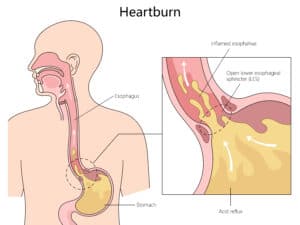
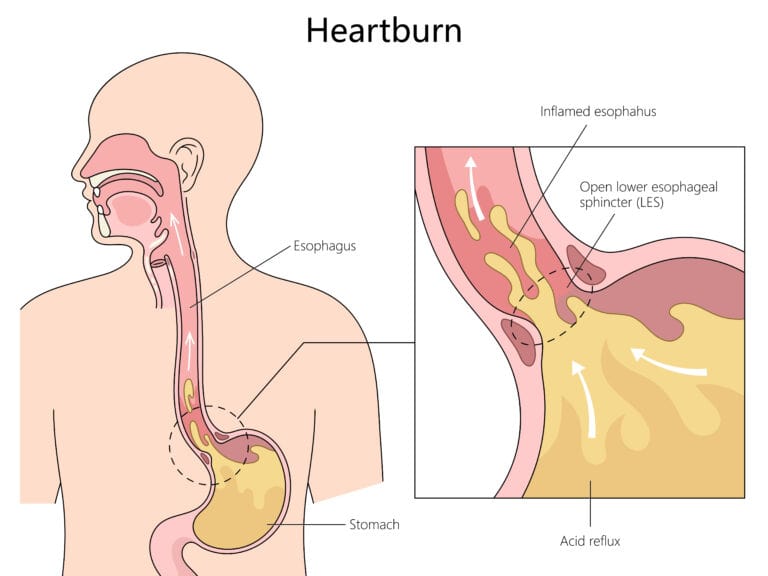
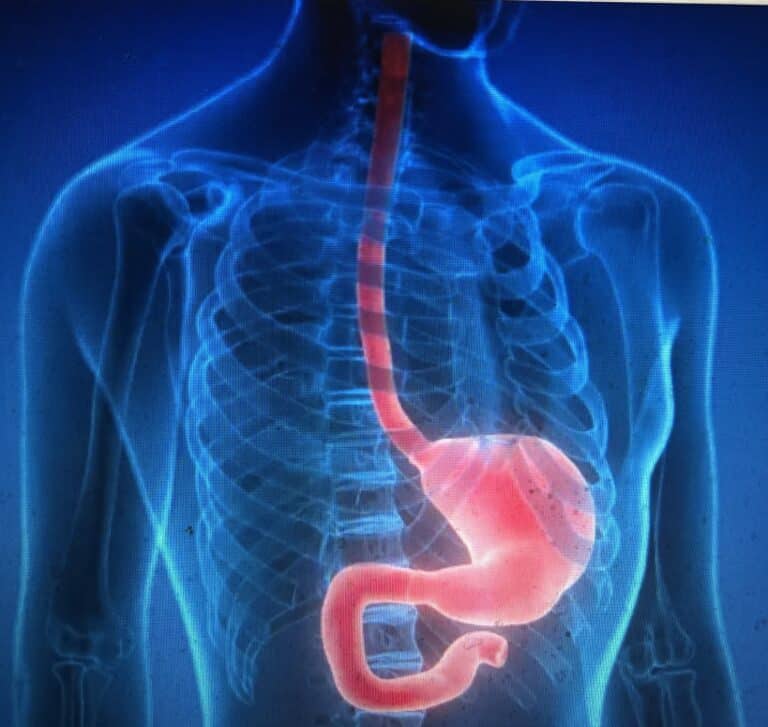
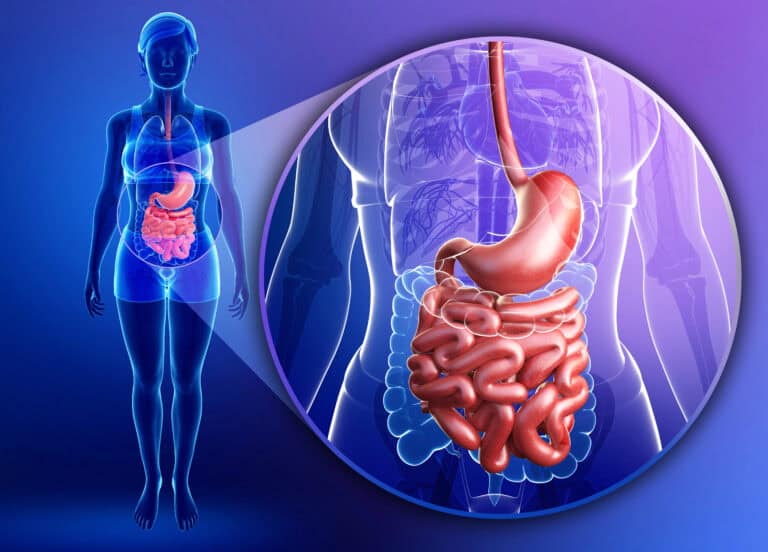
Your esophagus is the tube that carries food and water down to your stomach. When esophagus stenosis happens, that tube gets narrowed, making swallowing hard, painful, and sometimes embarrassing. Add in constant acid reflux and burning heartburn, and suddenly mealtime becomes a daily battle.
I’m here to share not just the medical side but also the real-life side of living with this condition. From eating out with friends to traveling with safe foods, this is what it’s really like—and how faith, preparation, and persistence can help you live fully.
So let’s break it down into 11 must-know facts about esophagus stenosis.
1. ESOPHAGUS STENOSIS MEANS NARROWING
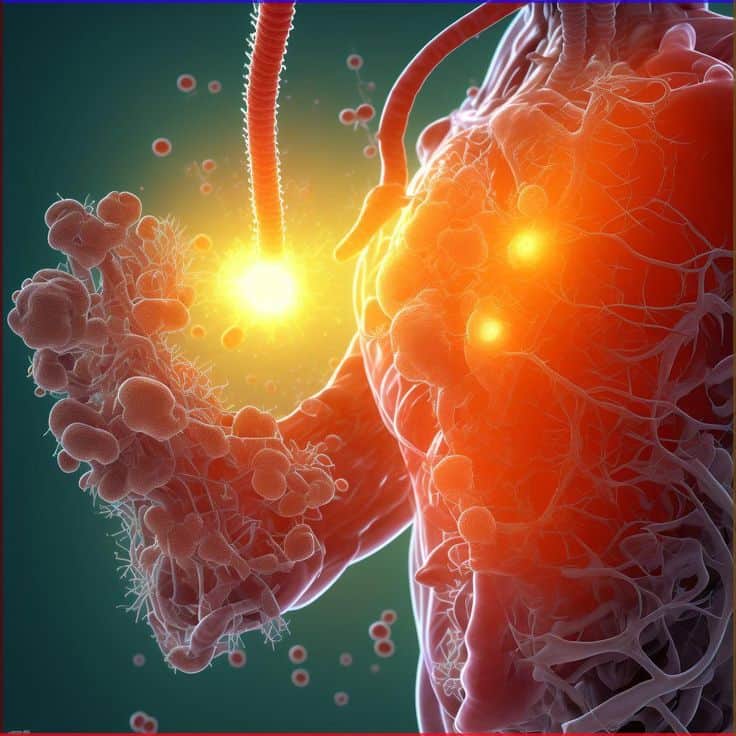
Picture a wide waterslide. Food should move down smoothly. But when your esophagus gets narrowed by scar tissue, tumors, or injury, it’s like someone closed half the slide. Suddenly, food gets stuck or even comes back up.
👉 Stenosis = narrowing. That’s the simple definition.
2. REFLUX AND HEARTBURN ARE COMMON CAUSES
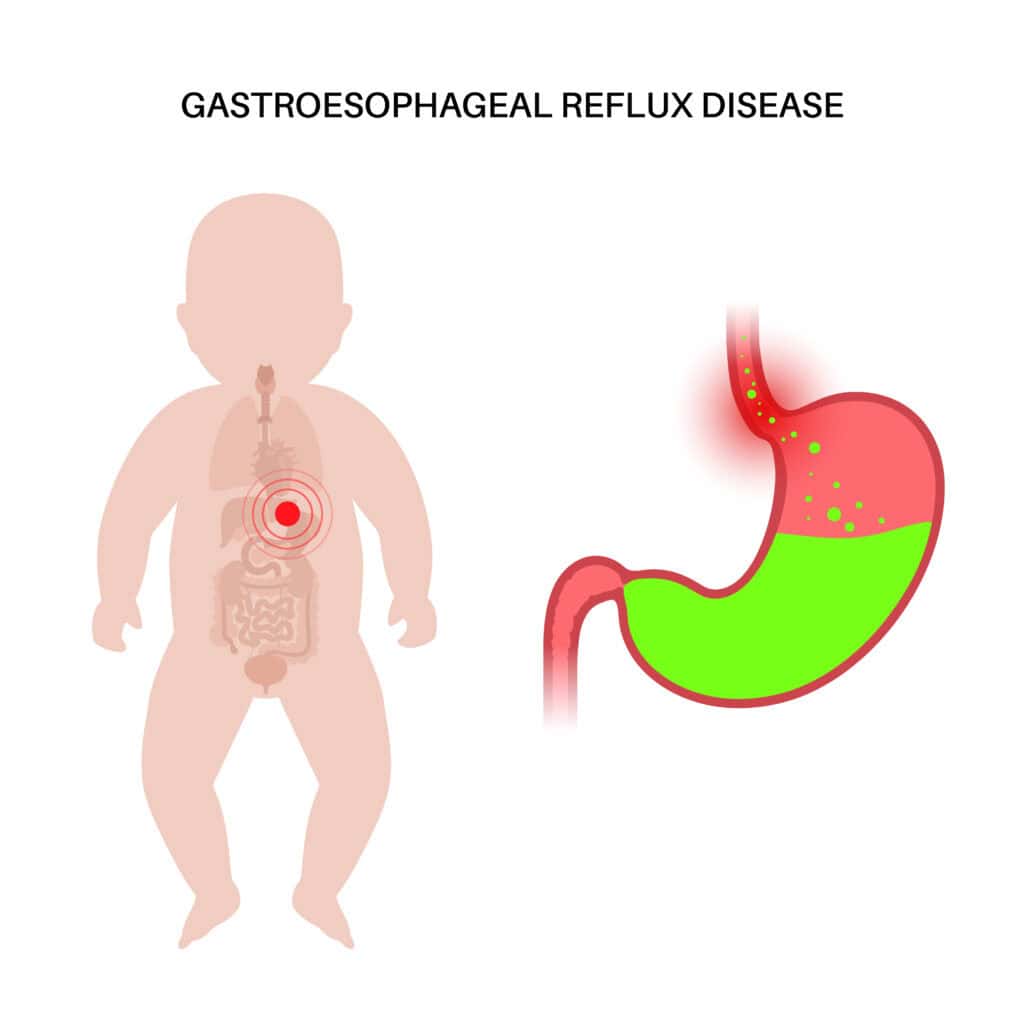
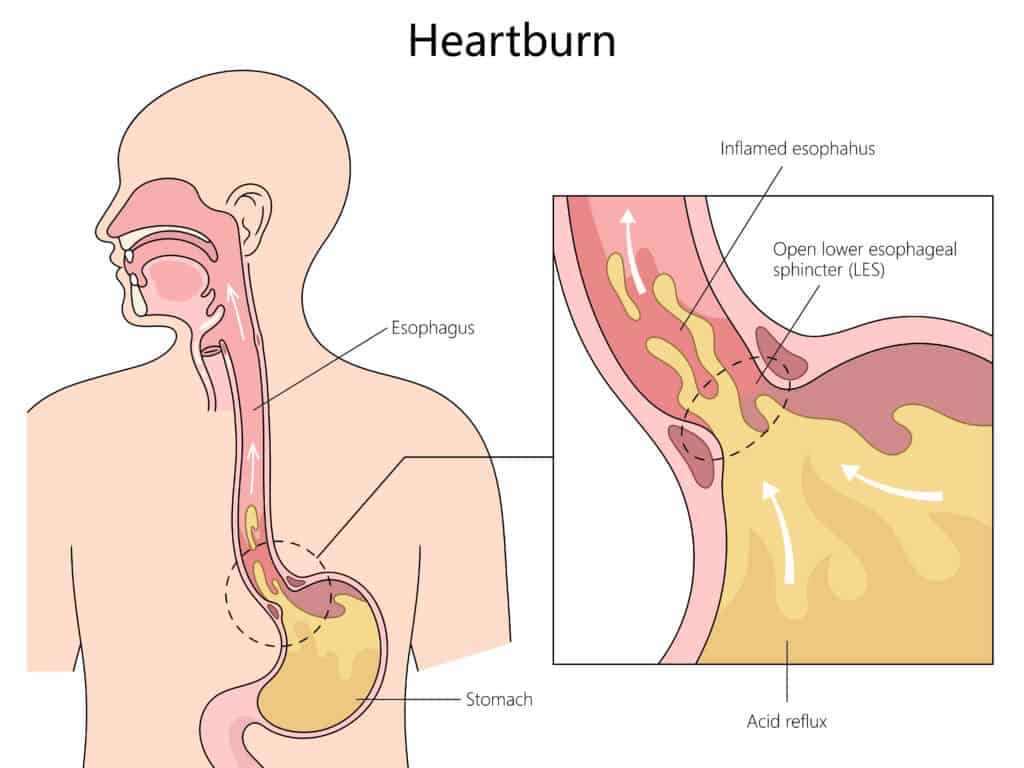
Chronic acid reflux and painful heartburn don’t just hurt—they burn the esophagus lining, leaving scars. Those scars tighten over time, creating narrowing. That’s why untreated reflux can lead to esophagus stenosis.

3. OTHER CAUSES EXIST TOO
Besides reflux and heartburn, here are other reasons it can happen:
- Esophagus cancer – tumors grow and block the tube.
- Radiation therapy – treatment healing leaves scars.
- Infections – certain infections damage the lining.
- Injuries – swallowing chemicals or super-hot liquids.
👉 No matter the cause, the result is the same: food doesn’t go down like it used to.
4. SYMPTOMS GO BEYOND SWALLOWING TROUBLE
Most people think it’s just about choking on food, but there’s more:
- Food feels stuck in the chest.
- Chest pain mid-meal.
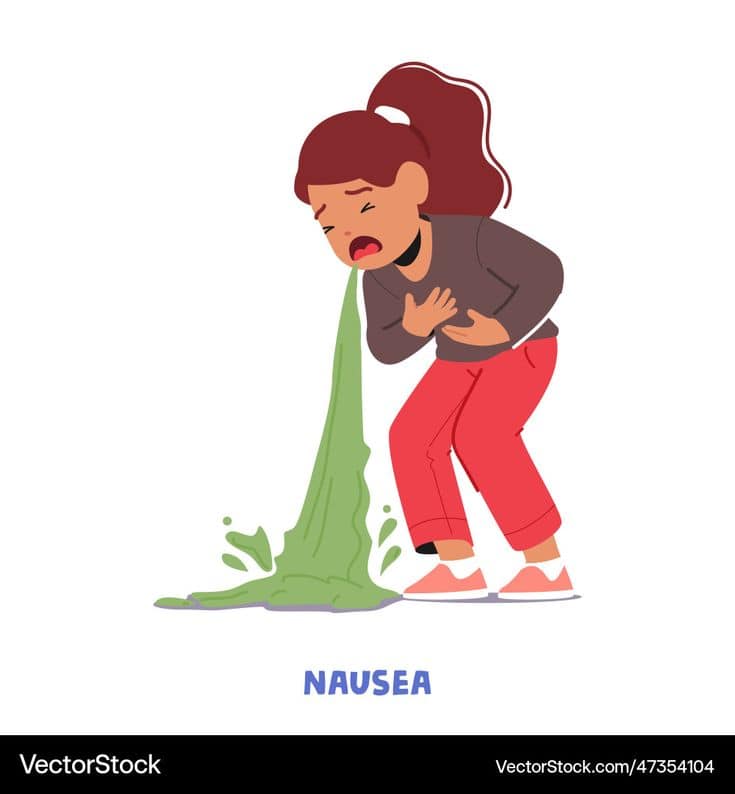
- Vomiting food back up.
- Sudden weight loss.
- Heartburn that won’t quit.
- Coughing when drinking.
- Choking on bread, meat, or even small bites.
👉 If this sounds familiar, your esophagus may be crying for help.
5. THE EMOTIONAL SIDE IS JUST AS HARD
This is where my own story comes in. Living with esophagus stenosis isn’t just physical—it’s emotional:
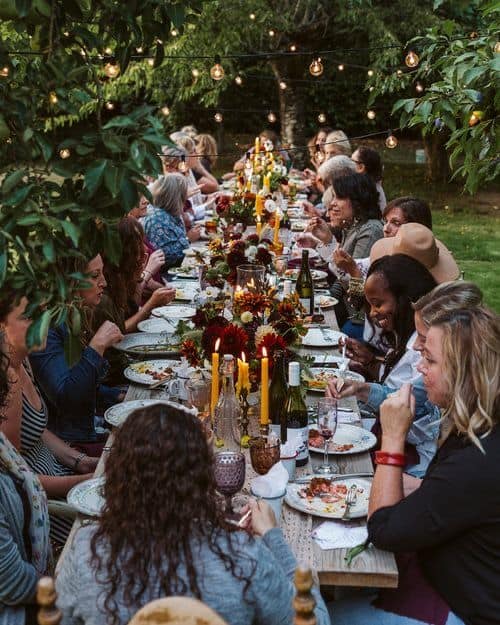
- Sitting at a table of six, food gets stuck, and you’re forced to spit into your napkin.
- Holding chewed food in your mouth until you reach the bathroom.
- Eating before events just to avoid the risk of vomiting in front of others.
- Skipping appetizers or samples at functions because of reflux.
- Only drinking water—because fizzy drinks trigger vomiting or diarrhea.
- Planning ahead by checking restaurant menus to avoid embarrassment.
- Traveling with “throw-up-proof” foods so you don’t starve.
👉 It boils down to being super prepared and cautious at all times.
6. DOCTORS USE TESTS TO DIAGNOSE IT
Doctors don’t guess—they investigate:
- Endoscopy – A camera looks inside.
- Barium swallow X-rays – A chalky drink shows blockages.
- Biopsy – Samples are tested if cancer is suspected.
👉 The tests may feel intimidating, but they bring answers—and peace of mind.

7. TREATMENTS CAN OPEN THINGS UP AGAIN
The good news? There are solutions:
- Dilation – Stretching the narrow spot with a balloon.
- Medications – To reduce acid reflux.
- Stents – A tube to keep the esophagus open.
- Surgery – In severe cases, damaged tissue is removed.
- Lifestyle changes – Managing food, drinks, and timing.
8. DAILY LIFE = ALWAYS BEING PREPARED
Here’s what living with esophagus stenosis looks like in my shoes:
- Eating small meals more often—big meals = vomiting.
- Stopping before I feel full (my stomach shrank after cancer surgery).
- Staying upright at least an hour after meals.
- Eating bland foods before events; saving spices for home.
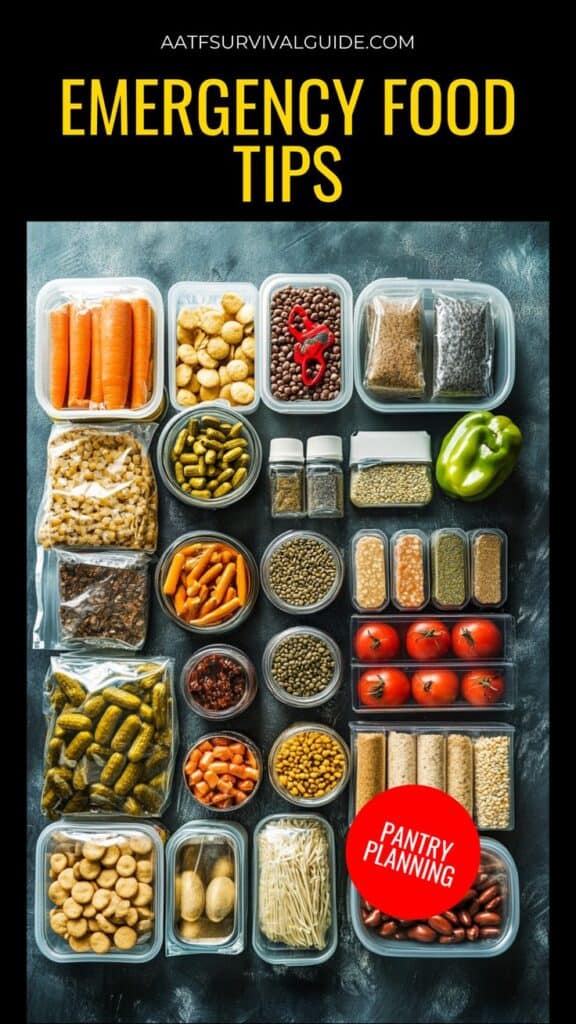
- Carrying “safe foods” on trips.
- Adjusting to changed taste buds after cancer—couldn’t stand vegetables at first, now I blend them into smoothies.
👉 These habits aren’t optional—they’re survival skills.

9. FAITH CARRIES YOU THROUGH
Some days are tough. It’s easy to feel embarrassed or left out. But here’s what I know: you are not broken. You are strong.
As a 9-year recovering alcoholic and cancer survivor, I lean on God every day. My scars tell a story—and they remind me that He never wastes pain.

10. SMALL HABITS MAKE A BIG DIFFERENCE
To manage esophagus stenosis, reflux, and heartburn, I live by these rules:
- Eat slowly and chew carefully.
- Avoid carbonated drinks.
- Stay upright after eating.
- Don’t eat one hour before bedtime.
- Keep water nearby at all times.
- Track which foods are triggers.
👉 Small steps = fewer flare-ups.

11. EARLY HELP MATTERS
Don’t wait until eating feels impossible. The sooner you see a doctor, the sooner you can get relief. Early treatment prevents bigger complications—and could save your life. If there is any kind of history with reflux or problem swallowing get an appointment ASAP.
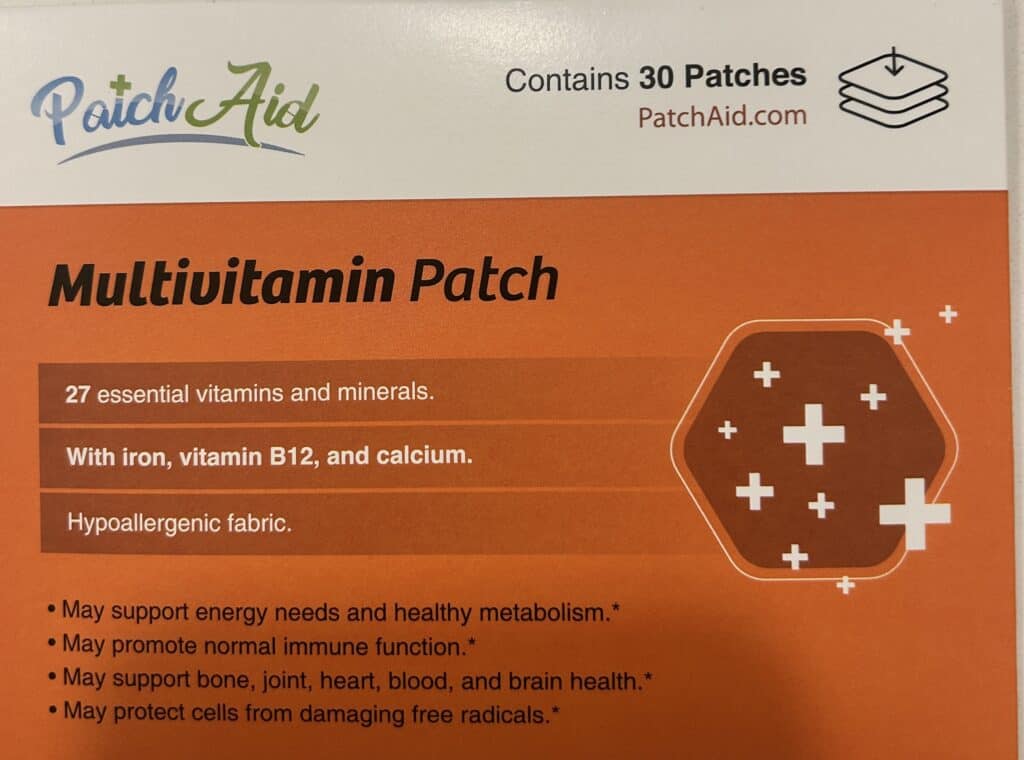
🌿 PATCHAID VITAMIN PATCH CORNER (HOW I GET MY VITAMINS WHEN SWALLOWING IS HARD)
Swallowing pills can feel impossible with esophagus cancer symptoms, reflux, and constipation. That’s why I use PatchAid vitamin patches to get the nutrition my body needs.
✨ Why I like them: No swallowing, simple routine, easy on busy days.
✨ My routine: Clean, dry skin at night → apply patch → remove the next day → repeat as directed.
✨ Important: This is my routine. Always ask your doctor what vitamins you need and whether patches are right for you.
👉 For me, PatchAid www.patchaid.com/TEXASKK FOR 40% OFF. are a game-changer. They let me keep my health steady without stressing about swallowing pills.

FINAL THOUGHTS
Living with esophagus stenosis, reflux, and heartburn isn’t easy. It changes the way you eat, drink, and even socialize. But it doesn’t have to take your joy.
With preparation, safe habits, the right treatments, PatchAid vitamin support, and a whole lot of faith—you can keep living fully, every single day.
“Lord, give me strength when I sit at the table, courage when I swallow, and peace in knowing You walk beside me. Amen.”