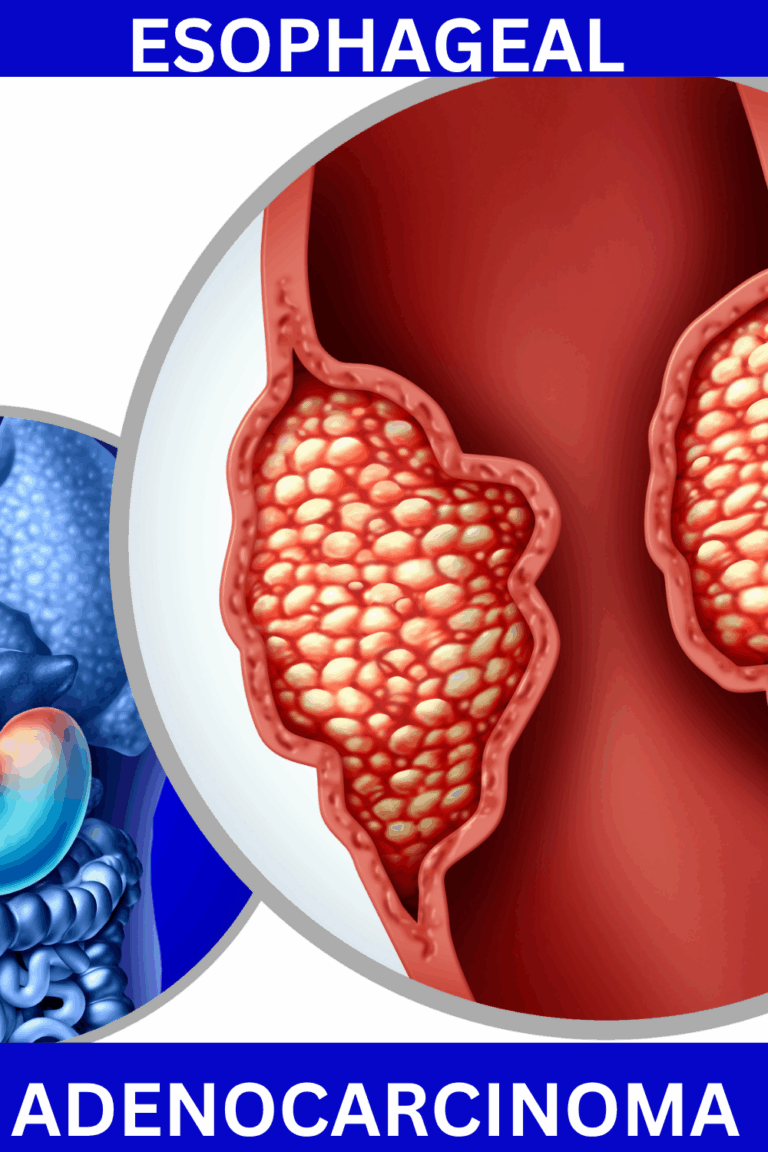

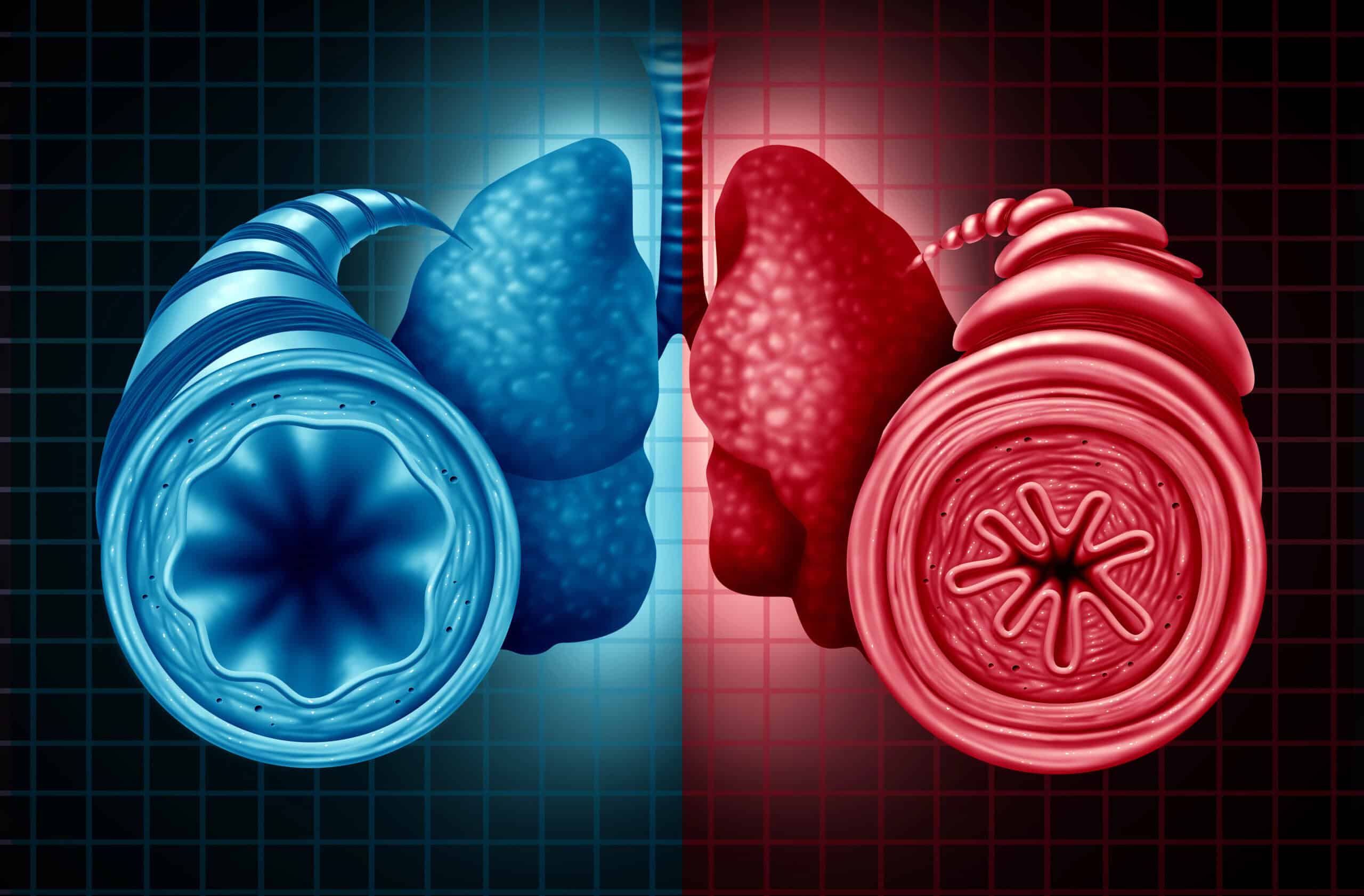
7 Powerful Truths About Asthma After Esophageal Cancer Nobody Warned You About
You beat esophageal cancer. You did the impossible. You walked through fire — surgery, chemo, radiation, feeding tubes, hospital gowns, and a whole lot of prayers — and you made it to the other side. You should be celebrating.
And then, out of nowhere, your chest tightens. You can’t catch your breath. You’re wheezing through something that feels like a brick wall sitting on your lungs. The doctor says the words you never expected to hear: “You have asthma.”
Wait. Asthma? You never had asthma a day in your life. Not as a kid, not as an adult. So why now?
In fact, If this is your story, you are absolutely not alone. Developing asthma — including allergic asthma — after esophageal cancer treatment is more common than most people realize, and it is one of the most confusing and frustrating parts of the post-cancer recovery journey. Furthermore, the learning curve is steep. With that in mind,the symptoms are scary. And not enough people are talking about it.
That ends today. This article is going to walk you through everything — the why, the how, the signs, the steps, the exercises, and the future — so you can breathe easier in every sense of the word. Because you didn’t survive cancer to be blindsided by your own airways.
Let’s go.
WHY ESOPHAGEAL CANCER TRIGGERS ASTHMA — THE CONNECTION YOU NEED TO UNDERSTAND
Specifically, here’s the thing that blows most people’s minds: your esophagus and your lungs are deeply connected. They share the same embryonic origin — meaning when you were developing in the womb, these two systems grew from the same tissue. So when one is damaged or disrupted, the other absolutely feels it.
As a result, after esophageal cancer treatment — especially after an esophagectomy (surgical removal of part of the esophagus) — the anatomy of your digestive and respiratory systems is permanently altered. The surgery disrupts the normal anti-reflux mechanisms your body relied on. This means acid and stomach contents can now travel upward and reach places they were never meant to go: your throat, your voice box, and critically — your airways.
This is the gateway to asthma.
The Three Pathways That Connect Acid Reflux to Asthma:
Research has identified three specific ways this happens, and once you understand them, everything makes more sense.
1. Microaspiration. Tiny amounts of stomach acid travel up the esophagus and into the lungs — sometimes without you even knowing it. Even microscopic amounts of acid cause significant airway irritation, triggering inflammation and constriction that mirrors a classic asthma attack.
2. The Vagal Nerve Response. Acid in the esophagus stimulates the vagus nerve, a major nerve that connects your gut and your lungs. When stimulated by acid, this nerve triggers something called bronchoconstriction — a narrowing of the airways — along with increased mucus production. Suddenly you’re wheezing and congested, and it came from below, not above.
3. The Esophageal-Bronchial Reflex. Acid in the esophagus triggers a neural pathway that leads directly to airway narrowing, mimicking — and creating — asthma symptoms. Your body is essentially firing off an alarm from the wrong room.
Because of all of this, your airways become chronically inflamed and hypersensitive. They become what doctors call “twitchy” — overreacting to everything from cold air, to dust, to stress, to a meal eaten too fast. What was once a normal breath is now a complicated negotiation.
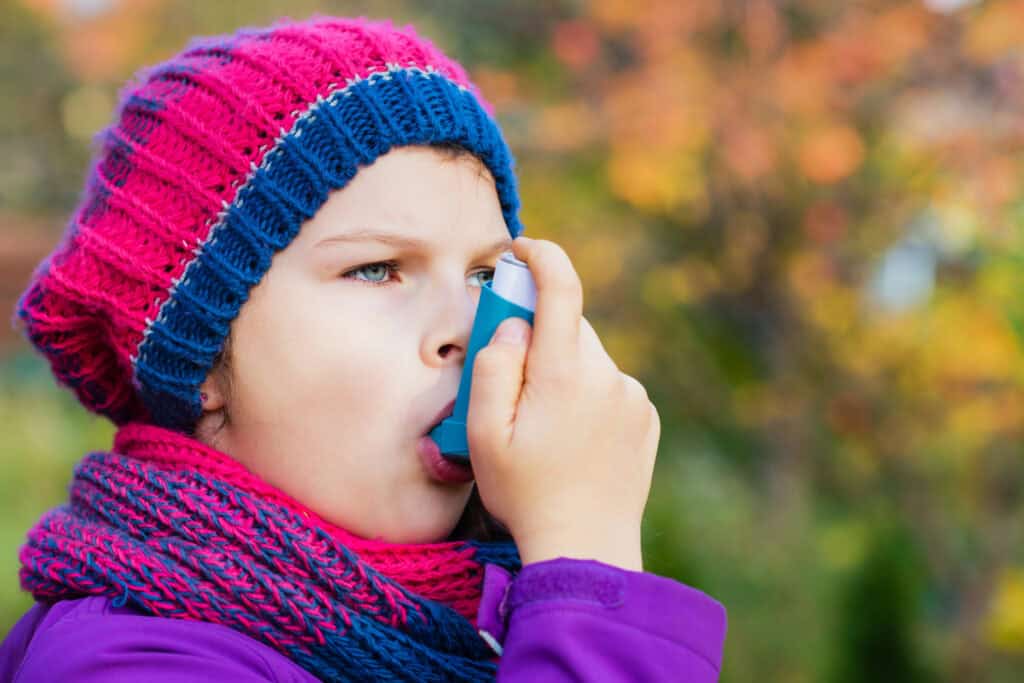
WHAT IS ALLERGIC ASTHMA AND CAN ESOPHAGEAL CANCER CAUSE IT?
Yes. It can. And here’s why this matters.
As a result, chronic exposure to aspirated acid — day after day, meal after meal — can actually activate asthma genes. Therefore, your immune system starts recognizing the acid as a threat and launches an immune response. This response releases T-helper 2 cells, which trigger inflammatory markers in your airways. Over time, this creates a condition nearly identical to allergic asthma — even if you’ve never had an allergy in your life.
Think about it this way, your immune system has essentially been tricked into treating your own stomach acid like an allergen. This is exactly why, the result is airway inflammation, edema (swelling), smooth muscle contraction, and increased mucus production — the full cocktail of what makes breathing so hard.
This is why so many post-esophageal cancer survivors develop what doctors classify as GERD-induced asthma — a subgroup of allergic asthma caused not by pollen or pets, but by the chronic exposure of your airways to refluxed acid. Some research shows that GERD is present in approximately 89% of asthma patients, with the link being especially strong in those who’ve had structural changes to their digestive tract.
So no — you didn’t just randomly develop asthma. Your body went through something enormous, and your lungs are responding to what they’ve experienced.

THE LEARNING CURVE: WHAT NOBODY TELLS YOU ABOUT ADJUSTING TO SEVERE ASTHMA
With that in mind, going from “never had asthma” to “severe asthma” , is a whole new world. And it is one of the most emotionally and physically disorienting experiences a cancer survivor can face. You thought you were done fighting. But here you are — learning your triggers, managing your inhalers, watching the weather, and wondering if every tight chest is something dangerous.
Here is what the learning curve actually looks like:
First, month 1–3: Confusion and Shock. You may not even realize it’s asthma at first. You think it’s lingering effects of treatment, or maybe pneumonia, or just your body healing. The wheezing, the nighttime coughing, the breathlessness after minimal activity — it all feels like something is wrong with your recovery, not like a new separate diagnosis.
However, month 3–6: The Medication Maze. Once diagnosed, you’ll start navigating controller inhalers (usually inhaled corticosteroids) and rescue inhalers (bronchodilators). You’ll learn what a nebulizer is, why your peak flow number matters, and why your doctor asks if you’ve been avoiding your triggers. Spoiler: you didn’t even know you had triggers yet.
For example, Month 6–12: Knowing Your Body. This is where it starts to click. You begin to notice patterns. You know that eating a large meal makes it worse. You know that lying down too soon after eating is a recipe for a rough night. You learn that cold air, smoke, strong perfume, and even emotional stress can set you off.
Most importantly, year 1 and beyond: A New Normal. Asthma after esophageal cancer is often severe because the root cause — the structural changes to your digestive system — is permanent. You are not going to “outgrow” this. But you absolutely can manage it, live fully with it, and refuse to let it shrink your world.
Above all, the biggest mindset shift? Stop treating asthma as a failure of recovery. It is a consequence of survival. And you can handle it — because you’ve already handled things most people can’t imagine.
HOW TO KNOW YOU HAVE ASTHMA: SIGNS, SYMPTOMS, AND STEPS TO TAKE
If you’ve had esophageal cancer treatment and you’re wondering whether what you’re experiencing might be asthma, pay attention to these signs:
Common Symptoms of Post-Cancer Asthma:
Furthermore, you may be dealing with asthma if you’re experiencing persistent wheezing (especially at night or early morning), a chronic dry cough that won’t quit, chest tightness that comes and goes, shortness of breath during activities that never used to wind you, and breathlessness after meals or when lying down.
Doctors pay special attention when asthma appears in patients who have no prior history, when symptoms seem worse after eating or at night, and when reflux symptoms accompany the breathing trouble. These are all red flags that point to GERD-induced or post-esophageal asthma.
Steps to Get a Proper Diagnosis:
To begin with, Step 1: Tell your doctor everything. Be specific. When does the breathlessness happen? After meals? At night? In the morning? Does it worsen with activity? Do you feel wheezing in your chest or throat? Write it down before your appointment.
Next step, Step 2: Ask for pulmonary function testing. A spirometry test measures how much air you can exhale and how quickly. This is the gold-standard test for diagnosing asthma. Your doctor should also check your peak flow — a simple at-home test that measures how fast you can breathe out.
In a addition, Step 3: Request a bronchodilator response test. If spirometry shows reduced airflow, your doctor will give you a bronchodilator (rescue inhaler) and retest. If your numbers improve significantly, that confirms asthma.
Step 4: Consider a GERD workup. Because post-esophageal cancer asthma is so closely tied to reflux, your care team should also assess your acid reflux status. A 24-hour pH monitoring test can measure acid activity in your esophagus and airway. This is critical for treating the root cause.
Finally, and most important, Step 5: See a pulmonologist AND a gastroenterologist. This is a two-system problem. You need specialists from both sides of the equation working together on your care plan.

TRIGGERS YOU NEED TO KNOW AND AVOID
However, post-cancer asthma can be triggered by many things. Some will surprise you. Knowing your triggers is one of the most powerful tools you have.
Common triggers include large meals, fatty or acidic foods, carbonated drinks, caffeine, chocolate, peppermint, lying flat after eating, cold or dry air, strong smells (perfume, cleaning products, smoke), respiratory infections, physical exertion, stress and anxiety, and environmental allergens like dust, mold, and pollen.
With that in mind, keep a symptom journal. Write down what you ate, what you did, how you felt, and when symptoms hit. Within two to three weeks, patterns will emerge — and patterns give you power.

EXERCISES THAT ACTUALLY HELP YOUR ASTHMA
Movement matters — even with severe asthma. In fact, the right exercises can dramatically improve your lung function, reduce the frequency of attacks, and help you feel stronger in your body again. Here’s what works:
PURSED LIP BREATHING
First up, this is one of the most evidence-backed breathing techniques for asthma and respiratory illness. Research shows it keeps airways open longer and reduces the number of breaths you need to take. To do it: breathe in slowly through your nose, then exhale through lips pursed like you’re blowing out a candle — making the exhale at least twice as long as the inhale. Count to four during the exhale. Practice several times daily, and use it anytime you feel breathless.
DIAPHRAGMATIC (BELLY) BREATHING
In addition to purse lip breathing, most people with asthma breathe from the chest — shallow, fast, exhausting breaths. On the other hand, Diaphragmatic breathing retrains your body to breathe from the belly. Lie on your back with your knees bent. Place one hand on your chest and one on your belly. Inhale through your nose — the belly hand should rise, the chest hand should stay still. Exhale slowly through pursed lips. This exercise strengthens your diaphragm, slows your breathing rate, and significantly decreases your body’s oxygen demand.
UPPER BODY STRETCHING
After esophageal cancer surgery, your chest and back muscles can become tight and restricted — and tight chest muscles make breathing harder. Daily upper body stretching restores mobility in your chest wall, allowing your lungs and diaphragm to move more freely. Think gentle chest openers, shoulder rolls, and torso stretches.
YOGA AND TAI CHI
Beyond stretching, both yoga and tai chi have been shown in clinical research to improve lung health and reduce anxiety in people with serious respiratory illness. They combine controlled breathing, gentle movement, and relaxation — a triple benefit for post-cancer asthma. Even 20 minutes, three times a week, can make a measurable difference.
GENTLE AEROBIC EXERCISE
With that foundation in place, walking is one of the best things you can do. Start with five to ten minutes and build gradually. Swimming is excellent because the warm, humid air around pools is easier on sensitive airways. Avoid exercising in cold, dry air, and always carry your rescue inhaler.
THE PAPWORTH METHOD
Finally, originally developed in the 1960s, this technique combines relaxation with breathing retraining. It teaches you to breathe gently, regularly, and from your diaphragm — reducing hyperventilation patterns that can trigger asthma attacks. Ask your pulmonologist or a respiratory therapist to walk you through it.

FUTURE REPERCUSSIONS: WHAT TO EXPECT LONG-TERM
Here’s the honest, compassionate truth: post-esophageal cancer asthma is likely a long-term companion. Because the structural changes to your digestive system are permanent, the risk of ongoing reflux — and its effects on your airways — remains. This means your asthma may not resolve entirely, but it absolutely can be well-managed.
Long-term, you may need to stay on controller medication (inhaled corticosteroids), continue acid-suppression therapy, maintain dietary and lifestyle adjustments, and schedule regular pulmonology follow-ups. Research shows that treating GERD aggressively — with proton pump inhibitors or other therapies — improves asthma symptoms in approximately 70% of patients. This is huge. It means that managing what’s happening in your gut has a direct impact on what’s happening in your lungs.
You’ll also want to stay vigilant about respiratory infections. Viral infections are a major trigger for asthma flares, and as a cancer survivor, your immune system may still be rebuilding. Get your flu shot, stay current on vaccines, wash your hands faithfully, and don’t push through illness.
The future isn’t a prison sentence. It’s a management plan — and you’ve proven you can follow a hard plan all the way through.

QUESTIONS AND ANSWERS: WHAT SURVIVORS ARE ASKING
Q: Will my asthma ever go away? A: For most people with post-esophageal cancer asthma, it’s an ongoing condition that improves significantly with proper management but may not fully resolve. The goal is control, not cure.
Q: Can I exercise safely with severe asthma? A: Yes — with the right approach. Always warm up slowly, carry your rescue inhaler, avoid cold/dry environments, and stick to low-to-moderate intensity until you know your limits.
Q: Is this the cancer coming back? A: This is one of the biggest fears survivors have when new symptoms appear — and it’s completely understandable. Post-treatment asthma is not a sign of cancer recurrence. However, always report new or worsening symptoms to your oncologist to rule out any concerns.
Q: Are there foods that help asthma? A: An anti-inflammatory diet rich in fruits, vegetables, omega-3 fatty acids, and lean protein can support lung health. Avoid large meals, acidic foods, and caffeine, which aggravate reflux and, in turn, worsen asthma.
Q: Why does it get worse at night? A: Nighttime asthma is common because lying flat makes reflux easier and because your body’s natural cortisol levels drop at night, reducing natural airway protection. Sleeping with the head of your bed elevated by six to eight inches can make a significant difference.
PATCHAID VITAMIN PATCHES + PRAYER WALL: SUPPORT FOR YOUR BODY AND YOUR SOUL
Recovery is not just physical. It’s spiritual. It’s emotional. And it requires real, intentional nourishment — for your body and your heart.
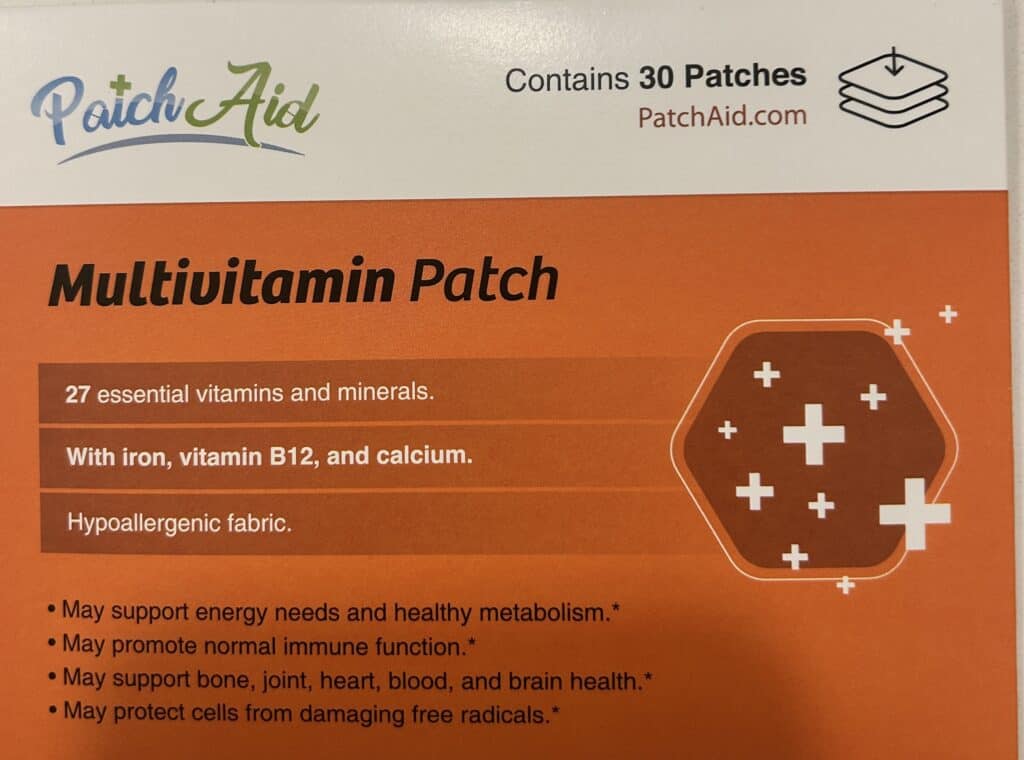
PatchAid Vitamin Patches are an incredible tool for cancer survivors and asthma patients who struggle with swallowing pills, digestive challenges, or nutrient absorption issues after esophageal surgery. The patches deliver vitamins and nutrients transdermally — straight through the skin — bypassing the digestive system entirely. For someone managing reflux, a reconstructed esophagus, and breathing challenges all at once, this is a gift.
After everything your body has been through, you need targeted nutritional support — and PatchAid delivers it in the gentlest, most effective way possible. Support your immune system, your energy, and your recovery from the outside in.
Explore PatchAid and find the right patches for your journey here: http://www.patchaid.com/TEXASKK
And while you’re at it — don’t do this alone. The Stronger With Scars Prayer Wall is here for you. Leave your prayer request. Let people who understand your fight lift you up. There is power in community. There is power in prayer. You carried this far by grace — let us carry it with you. Visit the Stronger With Scars Prayer Wall →

ZINZINO: FEEDING YOUR AIRWAYS FROM THE INSIDE OUT

If you’re managing asthma after esophageal cancer, inflammation is your enemy. And one of the most powerful tools against chronic inflammation is omega-3 fatty acids — specifically the kind that come from Zinzino’s BalanceOil+.
Based on research compiled by Robert Ferguson, Zinzino BalanceOil+ works to restore your omega-6 to omega-3 ratio to a healthy balance — reducing the systemic inflammation that underlies both asthma and the post-cancer recovery process. Contrary to common myths, BalanceOil+ does not thin your blood at therapeutic levels — it raises HDL (good cholesterol) and reduces inflammatory markers throughout the body, including the airways.
For those dealing with skin and gut health after cancer treatment, Zinzino Collagen Boozt is in a league of its own. Superior for skin elasticity and gut health, Collagen Boozt supports the mucosal lining of your digestive tract — which is exactly what you need when GERD and microaspiration are fueling your asthma symptoms.
When your gut is healthier, your airways have a fighting chance. Zinzino makes that connection real.
YOU ARE STRONGER THAN THIS DIAGNOSIS
Let me close with this, because it matters:
You didn’t walk through esophageal cancer just to be taken down by asthma. That is not your story.
However, yes, this is hard. Yes, it is exhausting to manage a new condition on top of everything you’ve already navigated. Yes, there are days the breathlessness is scary and the uncertainty is heavy. I know. I’ve walked hard roads too, and I know what it feels like to wonder if the healing will ever stop surprising you with new challenges.
But here is what I also know: you are not the same person you were before this journey. You are stronger. You are more aware of your body. You know how to fight. You know how to ask for help. And you know that every single day you wake up breathing — even if breathing is a little harder right now — is a day worth fighting for.
Therefore, manage your triggers. Do your breathing exercises. Take your medication faithfully. Feed your body what it needs. Lift your prayers. And never, ever stop believing that your best days are still ahead of you.
Because they are.
With love and faith — always stronger with scars. 💛


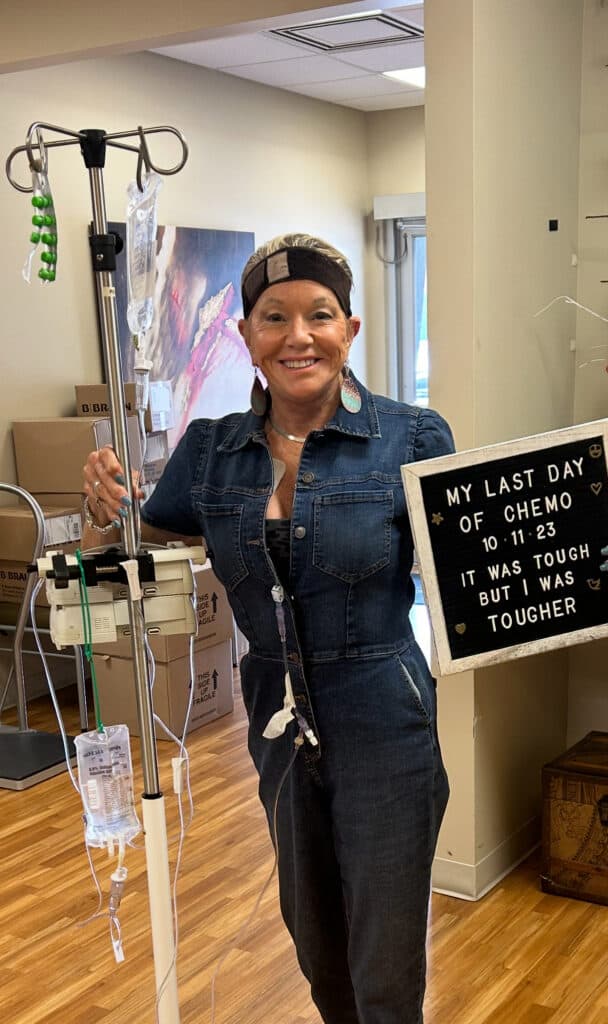
“Meet Kelle Hinson, founder of Texas KKs Stomps Cancer, esophagus cancer survivor, advocate, and blogger sharing hope, faith, healthy living, and recovery.”