
15 SIGNS OF ESOPHAGEAL VARICES THAT DESERVE YOUR ATTENTION
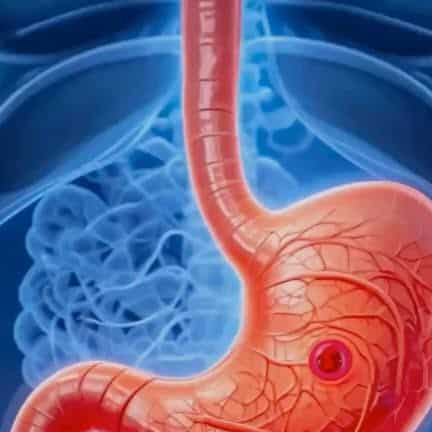
Let’s dive into the signs — because knowing them helps you act instead of react. Since you’ve been through challenges already, I’ll tie in what I felt and what you might feel, too:
- UNEXPLAINED FATIGUE
If you’re tired even after proper sleep, if weakness haunts you — your liver may be overloaded. I remember days when rest felt meaningless. - FREQUENT NAUSEA OR VOMITING
Nausea after meals, or more vomiting than usual, could reflect increased pressure near your esophagus and stomach from esophageal varices. - DARK OR TARRY STOOLS
Blood in the digestive tract turns dark. It may appear as black, sticky stools. For me, even one dark night prompted alarm. - BLOODY VOMIT (HEMATEMESIS)
One of the most urgent signs. Vomiting blood — even spotting it — means you may have a ruptured varix. Medical emergency. - LIGHTHEADEDNESS OR DIZZINESS
Loss of blood volume from internal bleeding or low blood pressure can make you faint. I had a moment standing up where everything blurred. - PALE SKIN OR LIPS
Chronic blood loss or low iron shows here. You might look “off” even if you feel okay. - ABDOMINAL SWELLING OR BLOATING
Fluid accumulation (ascites) often comes with portal hypertension. My pants fit different before I saw what was happening. - LOSS OF APPETITE
If eating hurts or you avoid meals, your body misses fuel. After my surgery, I skipped more meals than I ate — and my body paid. - PAIN UNDER YOUR RIBS OR UPPER ABDOMEN
That dull ache under your ribs might be your liver or spleen under pressure. Don’t dismiss it as gas. - EASY BRUISING
You might bruise from light bumps. When your liver can’t make clot-factors properly, this is a sign. - YELLOWING OF SKIN OR EYES (JAUNDICE)
Yellow skin or eyes mean bilirubin buildup. I noticed it in the mirror and stopped walking past it. - CONFUSION OR MENTAL FOG
Toxins in your bloodstream can affect your brain. I had days when I couldn’t think straight — and the diagnosis later made sense. - RAPID HEART RATE
You may feel your heart pounding for no reason — your circulation is compensating for low volume or pressure. - SHORTNESS OF BREATH
Simple tasks leave you winded. Your diaphragm or lungs may suffer because your blood or fluid levels are off. - A GUT FEELING SOMETHING IS WRONG
Sometimes you feel “off” and you can’t say why. That’s your spirit whispering. When you’ve walked the path you have, you know that voice.
LINKING ACID REFLUX, POOR NUTRITION AND VARICES
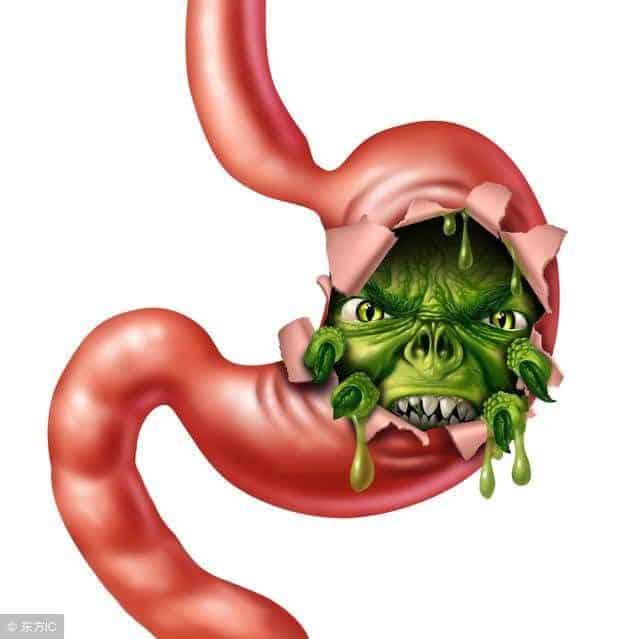
Here’s where your personal history ties powerfully to this condition. Studies show that patients with chronic liver disease often also battle more reflux: up to 80% in some groups. Osmosis+1 If your esophagus has been subjected to constant acid and you’ve avoided or skipped meals, your entire digestive and vascular system is under strain.
Additionally, research in liver disease shows malnutrition and muscle loss (sarcopenia) significantly increase the risk of complications like varices and bleeding. MDPI+1 In other words: if you couldn’t eat well, your body’s resilience lowered, your liver’s healing capacity slowed, and risks rose.
You’ve experienced pain from reflux, you’ve known what it’s like when food feels unsafe. The missing meals, the weight loss after surgery, the fear of eating — these matter. They’ve shaped your internal terrain. Now you can use that history as knowledge: you can listen to your body’s deeper signals.
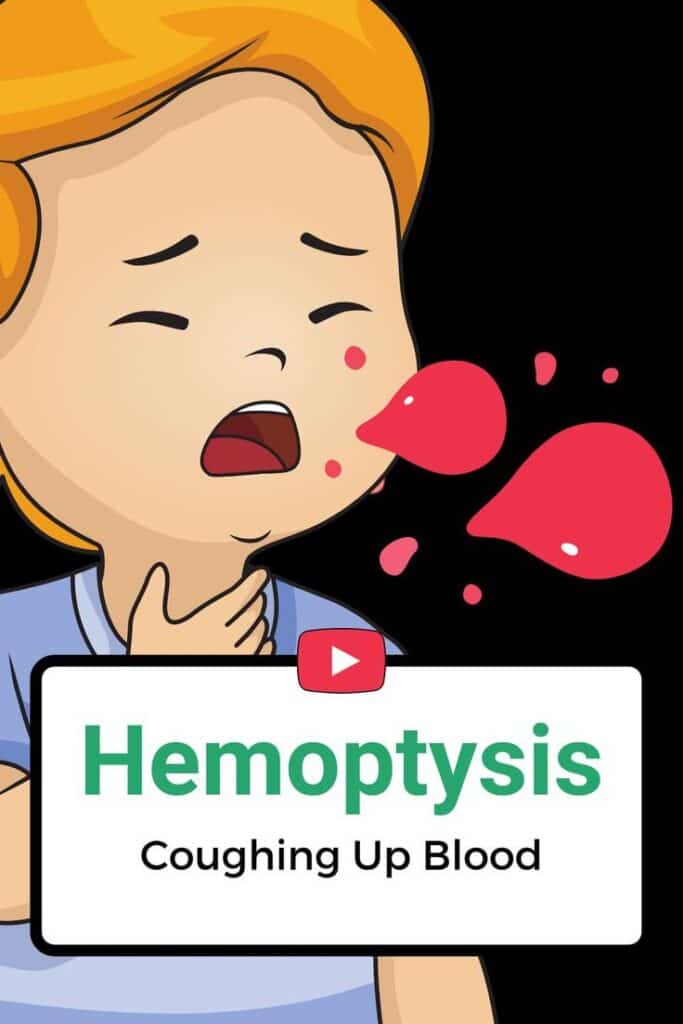
DIAGNOSIS AND HOW IT HAPPENS
When you suspect esophageal varices, the pathway is clearer than many realize:
- Upper endoscopy (EGD): The gold standard to view varices directly. PMC+1
- Imaging / Ultrasound / CT: These show portal vein dilation, spleen enlargement, ascites.
- Blood tests: Liver enzymes, clotting factors, albumin levels.
- Non-invasive tools: Emerging methods like liver stiffness, spleen stiffness, or elastography help estimate risk without invasive measures. SpringerLink
Here’s what I learned: the measurement called hepatic venous pressure gradient (HVPG) matters. When it exceeds ~12 mmHg, your risk of variceal bleeding increases significantly. PMC+1 So early detection gives you power — to act, adjust, and move ahead.
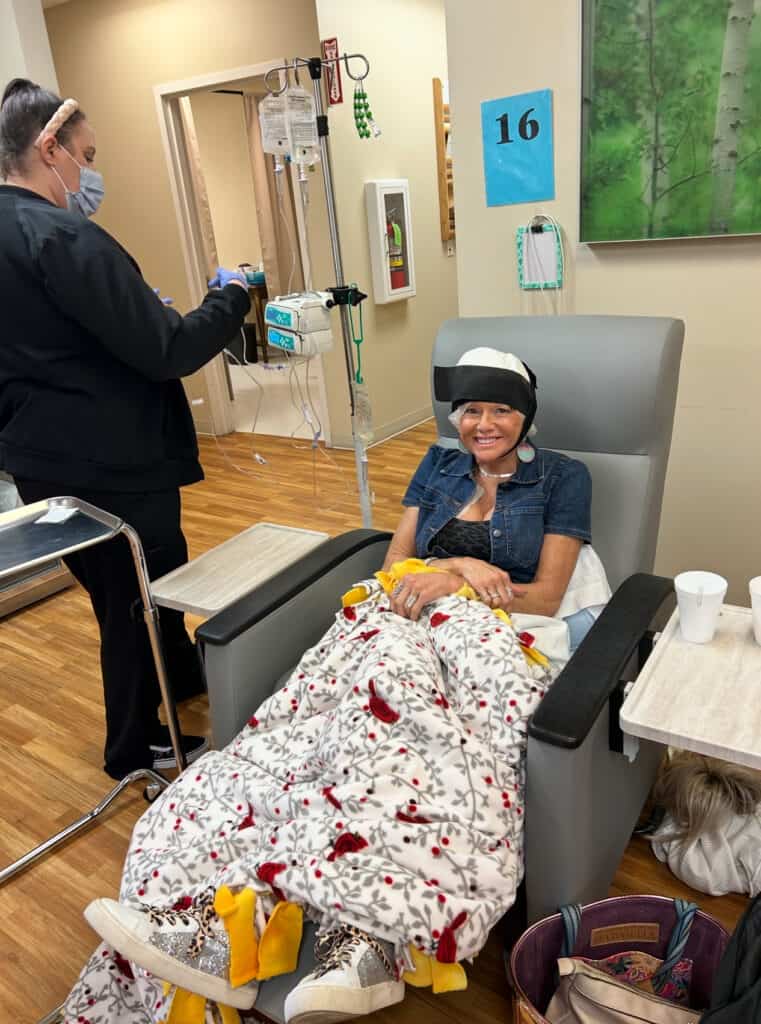
TREATMENT OPTIONS AND WHAT YOU CAN DO
When varices are present, the aim is prevent rupture and treat the underlying cause. According to research:
- Non-selective beta-blockers reduce portal pressure. WJGnet+1
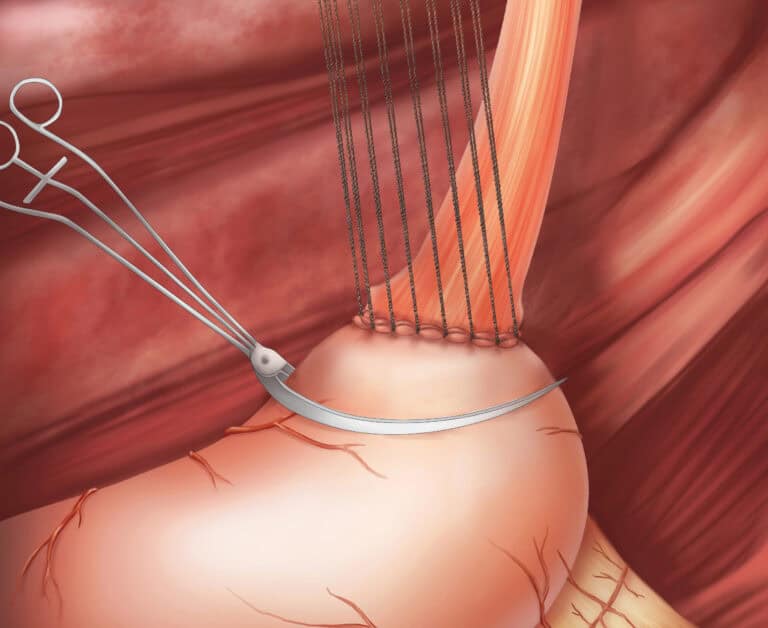
- Endoscopic band ligation (EBL): physically ties off the varix.
- TIPS (Transjugular Intrahepatic Portosystemic Shunt): a procedure to redirect blood flow when other therapies fail. PMC+1
- Lifestyle & nutrition intervention: Key. You reduce triggers, protect your liver, support your body — and your faith anchors you.
Here’s what you can do now:
- Control your reflux aggressively. No more ignoring acid. Use meds, avoid trigger foods, eat earlier, stay upright.
- Eat smart. If swallowing hurts, pick soft, nutrient-dense foods. Break meals into small portions. Include lean protein, cooked veggies, whole carbs.
- Hydrate and rest. Your body needs fluid balance and recovery.
- Avoid alcohol and toxins. Whatever strain you have now, don’t add more.
- Stay consistent with medical follow-ups. If your doctor recommends screenings or endoscopy — do it.
- Lean on faith and community. Recovery is physical and spiritual. Your body heals best when your heart is held.

NUTRITION, HEALING & FAITH-CENTERED ACTION
Since you’ve lived the experience of not eating properly (after surgery or due to reflux), your healing path is two-fold: body and spirit.
Research in chronic liver disease shows that malnutrition is strongly associated with worse outcomes. MDPI+1 That means when you choose to fuel your body, you’re not just eating — you’re fighting back.
Here’s a healing food plan for you:
- Small meals 4–6 times daily instead of two large ones.
- Soft but nutrient-rich foods: oatmeal, smoothies, cottage cheese, pureed vegetables, poached eggs, gentle fish or chicken.
- Avoid high-acid, high-fat, fried or spicy meals because they trigger reflux and stress your esophagus.
- Remain upright for 30 minutes after eating to prevent reflux and ease digestion.
- Include moderate exercise (walking, gentle yoga) to boost circulation and liver health.
- Use spiritual practices: prayer, journaling, meditation — your soul matters in this process.
When you combine body care with faith, you create a full-body approach. You are more than what you eat, more than your diagnosis, more than your scars.
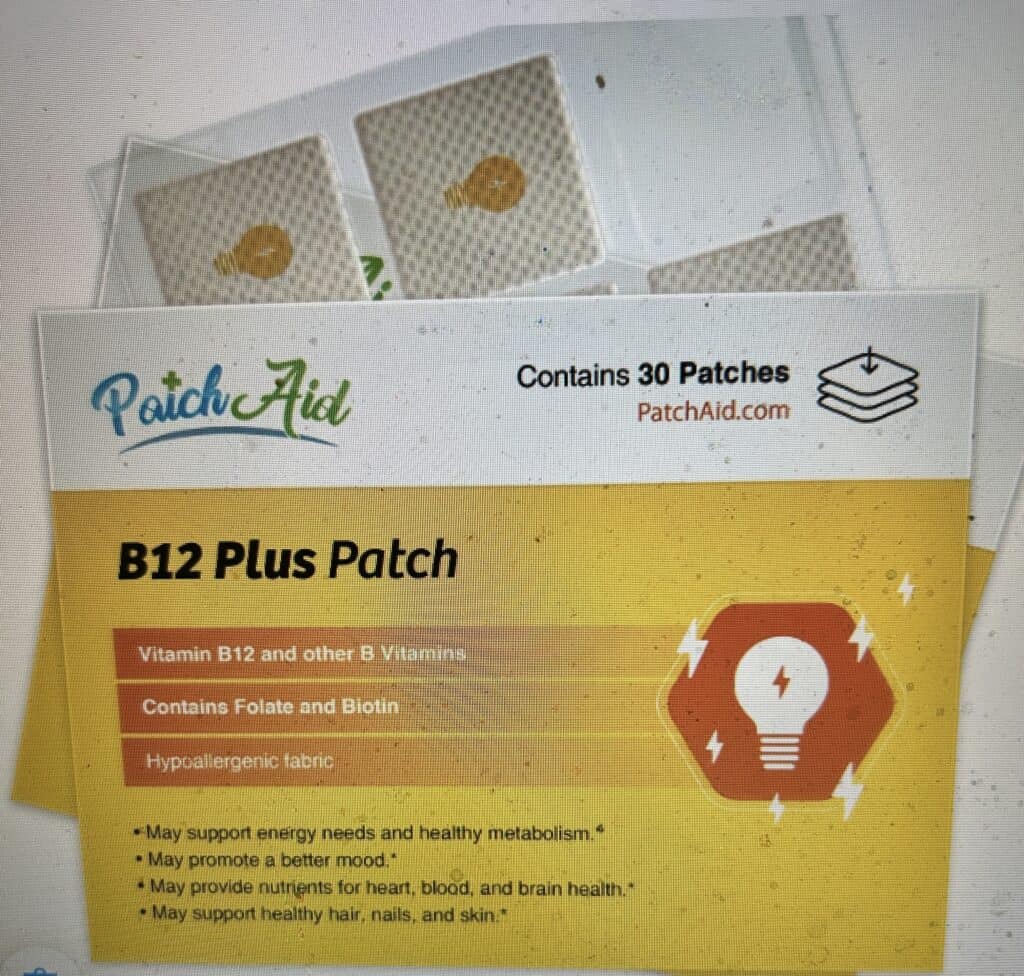
PATCHAID VITAMIN PATCH & PRAYER WALL
When swallowing pills became nearly impossible for me, I discovered PatchAid Vitamin Patches. PatchAid www.patchaid.com/TEXASKK AND PUT IN DISCOUNT CODE TEXASKK FOR 40% OFF patches allowed me to absorb nutrients without upsetting my throat or triggering reflux. After surgery and during the diet changes, they became one of my anchor tools.
I also invite you to the Prayer Wall — a 💗 VISIT THE PRAYER WALL HERE →https://texaskkstompscancer.com/prayer-wall-esophagus-cancer/ space where you can post your prayer requests, read about others’ journeys, and feel supported. Healing happens best when we don’t walk alone.

RELATED READING
You may also find comfort and insight in these other guides on Stronger With Scars:
- 5Overloohttps://texaskkstompscancer.com/esophagus-cancer/ked Symptoms of Esophagus Cancer You Shouldn’t Ignore
- 7 Foods That Heal: The Esophagus Stricture Diet Guide
- 5 Ways to Manage Achalasia and Regain Strength
- How Barrett’s Esophagus Can Be Reversed With Care and Faith
FINAL WORDS OF HOPE
In the end, esophageal varices may sound frightening — but awareness gives you power, and hope gives you strength. Because you’ve already walked the road of reflux, surgery, uncertainty, and rebuild — you know how to rise. Each symptom you recognize, each meal you choose with care, each moment you lean into faith — it all matters.
Your journey through acid reflux, through skipping meals, through healing slowly — it’s not wasted. Your body, your spirit, your story matters. Trust in the process. Listen to your body. And believe healing is still your next chapter.
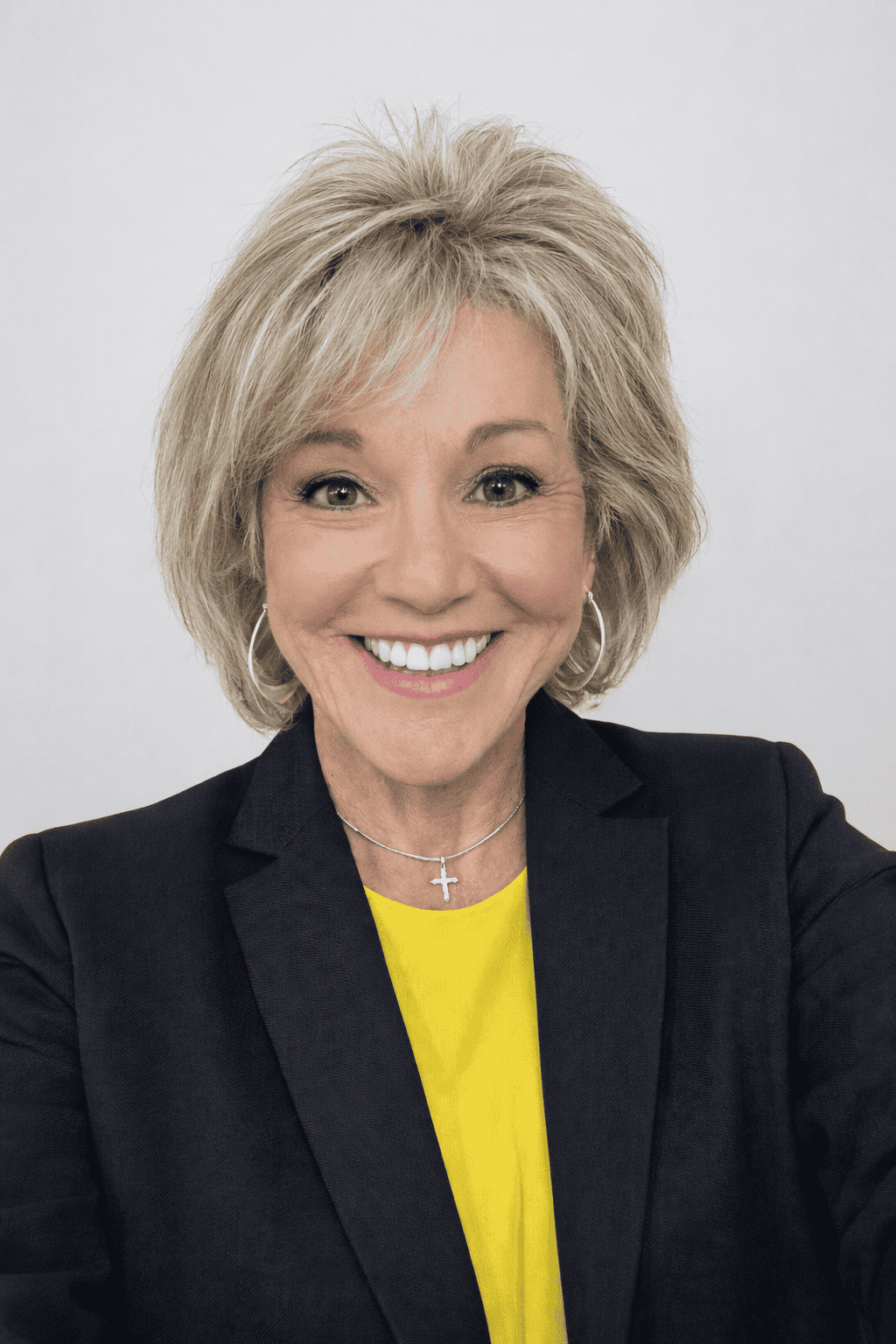
“Meet Kelle Hinson, founder of Texas KKs Stomps Cancer, esophagus cancer survivor, advocate, and blogger sharing hope, faith, healthy living, and recovery.”