
5️⃣ HOW TO EASE THE FINANCIAL BURDEN OF CANCER (CANCER READINESS BLUEPRINT)
WHEN YOUR LIFE CHANGES IN A SINGLE SENTENCE

There are moments in life that divide everything into two chapters — before and after.
For me, that moment was hearing the words: “You have cancer.”
I remember exactly how those words felt. One minute I was showing homes, spending time with family, planning my future. The next minute, I wasn’t thinking about next year anymore. I was wondering if I would make it to Christmas.
If you’ve just heard those same words — you are not alone. This guide was written for you.
THE CONVERSATION NO ONE PREPARES YOU FOR

When your doctor discusses your diagnosis, the conversation turns to treatment. Chemotherapy. Radiation. Surgery. Blood work. Treatment plans.
Those conversations are necessary. But there’s another one that rarely happens:
How are you going to live while you’re fighting cancer?
Who will cook dinner when you’re too exhausted to stand? How will you pay for gas after driving to treatment three times this week? Can you afford another prescription? Life doesn’t stop because you have cancer. The mortgage is still due. The electric bill still arrives. Your body still needs nourishment.
I know because I lived it.
MY JOURNEY
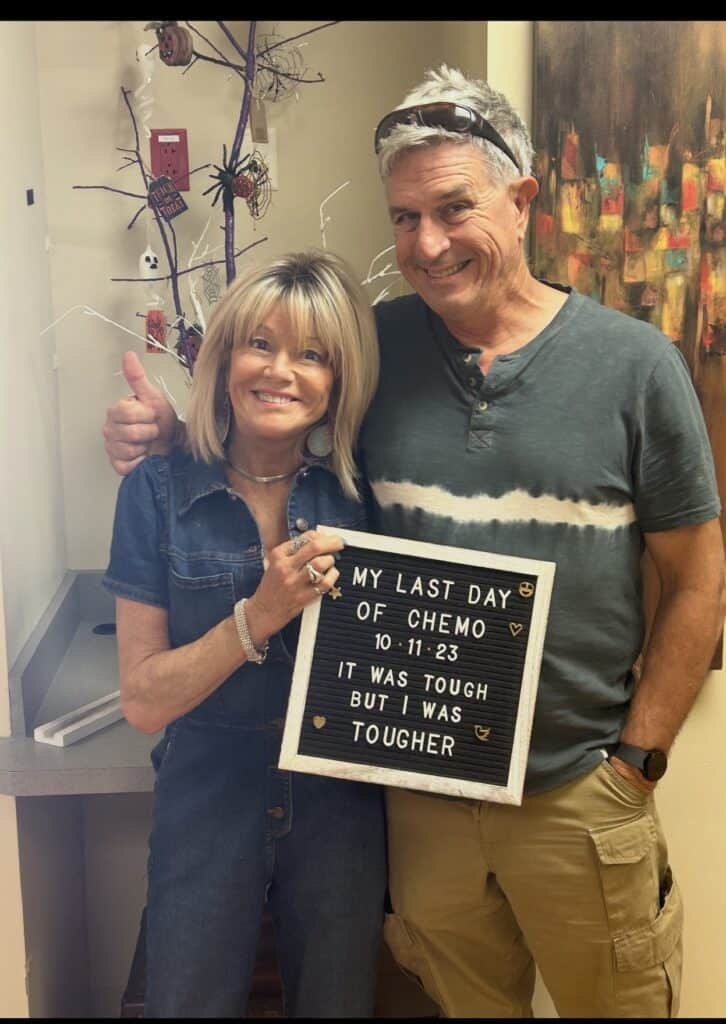
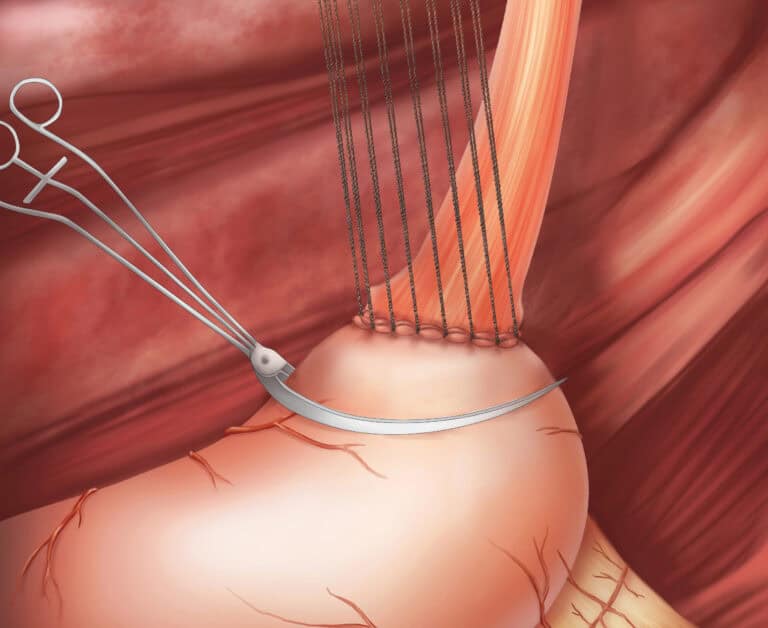
When I was diagnosed, I received two diagnoses at the same time — Stage III esophageal cancer and Stage I colon cancer. Both. Together. In the same season of life. Both were treated at the same time, and I quickly learned this disease affects every part of your life. After my robotic esophagectomy, I spent nearly a month in the hospital recovering from serious complications. There was no taking it one cancer at a time. I had to face both at once.
No one handed me a roadmap for everything outside the hospital. No one explained how quickly small expenses add up or how important it would be to organize paperwork before treatment began. I learned those lessons one at a time — through frustration, exhaustion, and tears.
Today, I share them so your journey can be a little easier than mine was.
THE HIDDEN COSTS NOBODY TALKS ABOUT

Most people expect hospital bills. Very few expect everything else. Before cancer, I thought treatment would mostly mean paying deductibles. I couldn’t have been more wrong.
The hidden expenses begin almost immediately. And they add up faster than you can imagine.
Think about gas alone. Every radiation appointment, every chemotherapy infusion, every follow-up visit — you’re driving to and from that clinic. If your treatment center is across town, or in another city, that fuel cost adds up week after week. And it’s not just the gas. It’s parking. It’s tolls. Some patients travel so far they need lodging nearby. That means hotel stays, or nights in a Hope Lodge if one is available in your area.
Then there are meals. You may be gone all day for treatment. You’re too tired to cook when you get home. Restaurants, drive-throughs, and prepared foods become part of your week. They’re necessary. But they’re also expensive.
Add to that: protein shakes because you’re losing weight, prescriptions not fully covered, lotion for dry irritated skin, someone to mow the yard, and childcare or pet care on treatment days.
Researchers call this financial toxicity — the financial hardship caused by cancer care. Studies show that financial stress can increase anxiety, reduce quality of life, and make it harder to stay on schedule with treatment. That’s exactly why planning ahead makes such a meaningful difference.
THE GIFT I NEVER KNEW I NEEDED — A CANCER POLICY
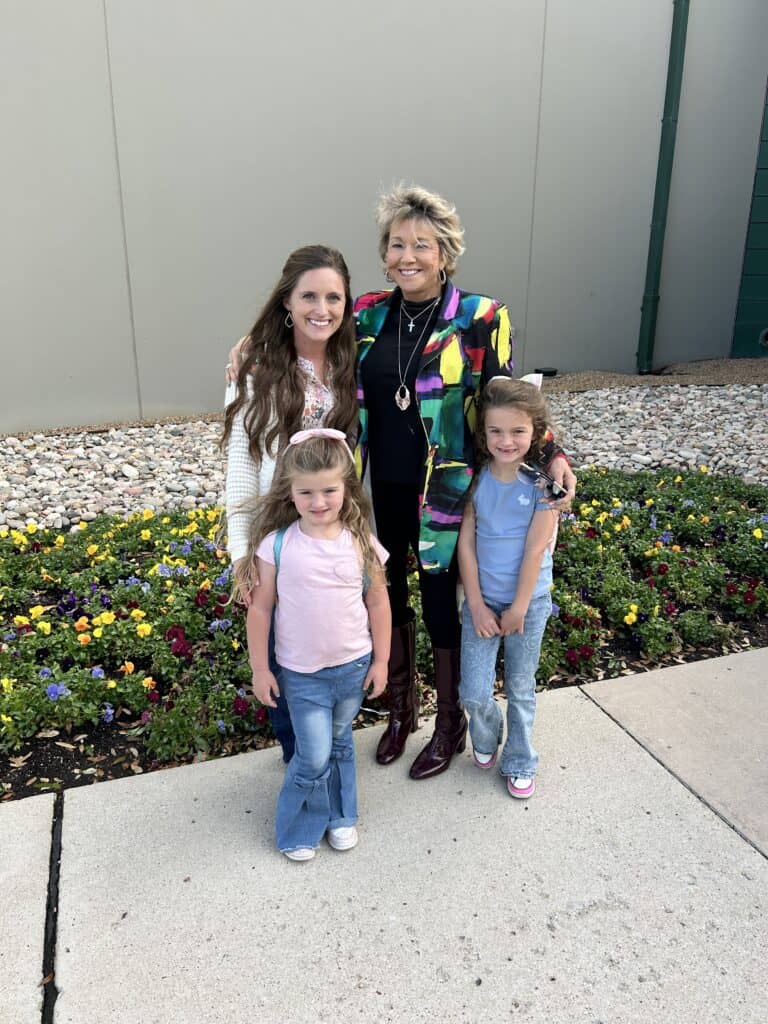
In 2015, I was working in hospice. A nurse pulled me aside one day and gave me advice I will never forget.
She said, “Kelle, women over 50 are prone to breast cancer. You should look into getting a cancer policy.”
I didn’t think much about it at the time. I was healthy. Cancer felt like something that happened to other people. But I listened. I got a cancer policy through Aflac, paid my premium every month, and honestly — I never thought I would use it.
Then came my diagnosis. And that policy became one of the greatest gifts I’ve ever given myself.
I also have regular insurance through the government marketplace. My income had fallen significantly because of all the time spent at doctor visits. For three years now, I’ve been in remission — but that doesn’t mean the appointments stop. I have a colonoscopy and an endoscopy every six months. Five years of monitoring. And there are always new flare-ups, infections, and complications that bring more office visits, more tests, and more maintenance costs.
The financial burden of cancer doesn’t end when treatment ends. It continues. And having that Aflac cancer policy has helped me manage that ongoing financial reality in a way I never could have predicted.
If you are reading this and you are healthy right now — please hear me. The best gift you can give your daughter, your granddaughter, your niece, or yourself is a cancer policy. Get it while you’re well. Get it before you need it. Because the day you do need it, it will feel like a life raft.
Contact an Aflac agent or speak with your HR department. Ask what cancer supplemental insurance options are available to you. It doesn’t have to be expensive. But it needs to exist before the diagnosis — not after.
I did this. And it was a God send.
THE CANCER READINESS BLUEPRINT™

After recovering, I asked myself: “If I could sit across the kitchen table from someone just diagnosed, what would I tell them?”
That question became The Cancer Readiness Blueprint™.
It’s not about fear or expecting the worst. It’s about preparing the parts of life you can control so you have more energy to face the parts you can’t. Write five pages in a notebook: Medical. Financial. Home. Support. Faith. Write everything down instead of carrying it in your head.
WHERE TO FIND FINANCIAL HELP

Ask for help before you’re desperate. When you’re used to being strong, that can feel uncomfortable. But cancer teaches you that strength isn’t doing everything alone. Sometimes strength is letting someone carry a bag, drive you to treatment, or bring dinner.
Start with your hospital social worker. Ask: “Can you help me find financial assistance and support resources before treatment begins?” That one sentence can open doors — gas cards, lodging, food, utility bills, medication assistance, and more.
National resources to check: The American Cancer Society offers transportation help through Road To Recovery and lodging in some areas through Hope Lodge. CancerCare offers limited financial help for transportation, home care, and child care. The Patient Advocate Foundation offers co-pay relief and financial aid for those who qualify.
Don’t overlook local help either — churches, county assistance, community foundations, hospital gas cards, and pharmacy manufacturer coupons. But you won’t know unless you ask.
PROTECT YOUR FINANCES AND CREDIT

Call your insurance company — more than once if needed. Check if your doctor and hospital are in-network. Ask if your scans need prior authorization. Ask what your out-of-pocket maximum is. Write down the date, time, and name of the person you spoke with. This is not being difficult. This is being prepared. Diligently asking about financial burden of cancer is essential to staying ahead.
When medical bills arrive, call the billing office. Look for an itemized bill. Check if financial assistance or payment plans are available. Ask if it’s been processed through insurance. Ask about charity care. The first bill is not always the final answer but financial burden of cancer is real.
SUPPORT YOUR BODY THROUGH TREATMENT
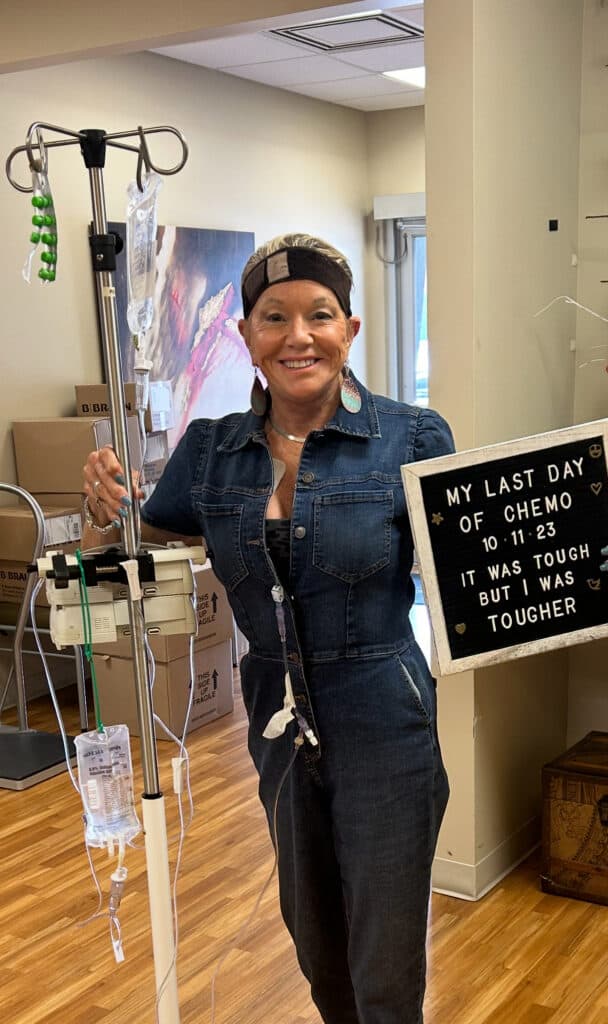
Your body is about to work hard. Treatment can affect your strength, appetite, skin, hair, digestion, energy, and sleep. You can’t control every side effect — but you can support your body.
Before treatment begins, ask your doctor what movement is safe for you. Ask about nutrition, protein needs, and foods that may be easier if swallowing or appetite become difficult. Cancer changed the way I looked at my body. After cancer, I learned to thank my body for surviving. Treat it with kindness.
PRODUCTS THAT HELPED ME FEEL MORE LIKE MYSELF

This section includes products I personally recommend. Some links are Amazon affiliate links, which means I may earn a small commission if you purchase through my link — at no extra cost to you. I only share products I believe in.
Routine Shampoo and Conditioner
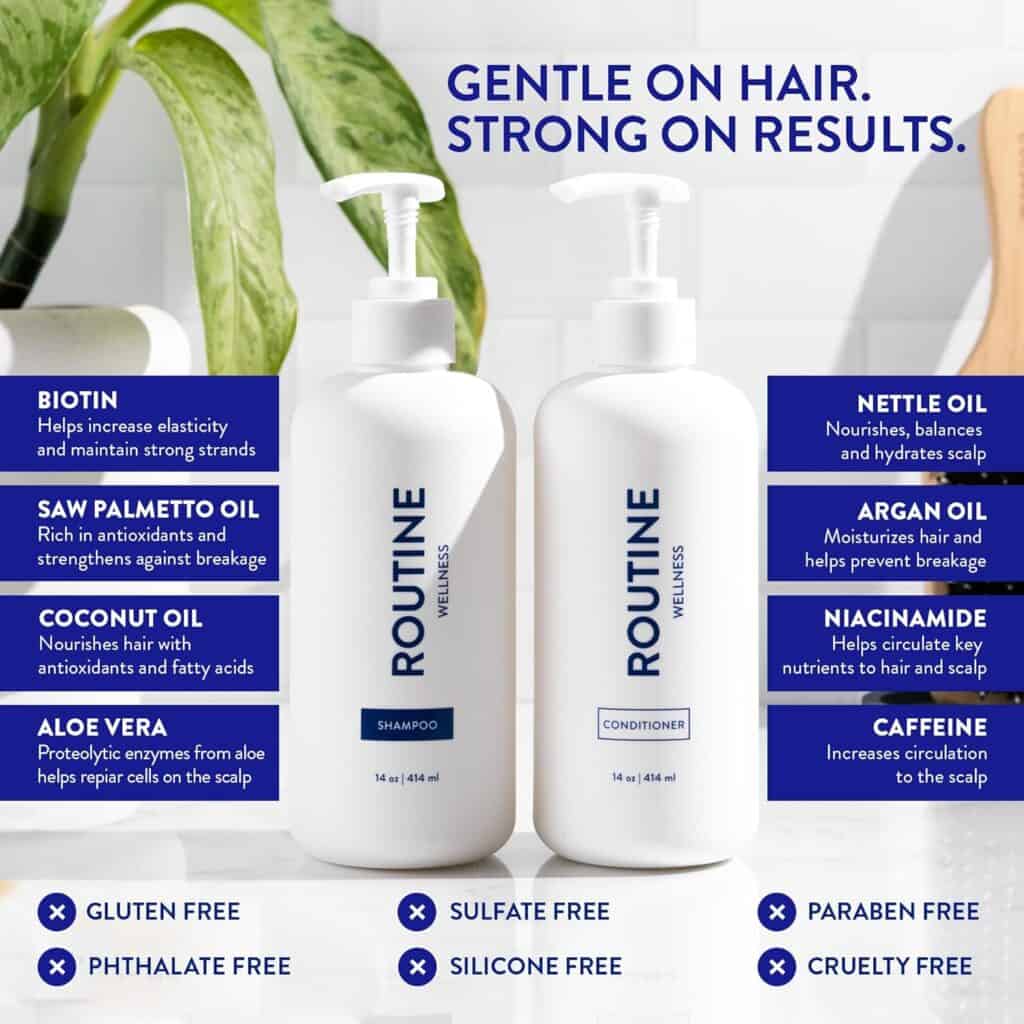
Hair can become thinner, dryer, or more fragile during and after treatment. A gentle shampoo and conditioner routine made a real difference for me. Avoid harsh heat and over-washing. Be patient. Hair recovery takes time.
Honest Body Lotion

Treatment, hospital stays, and stress can leave your skin dry and uncomfortable. A simple, gentle lotion helped me feel human again. Ask your doctor before applying anything to radiation or surgical areas, but for everyday dry skin, having a lotion you love nearby is a small comfort that matters.
Shark Hair Dryer

When new hair begins growing back, it’s delicate. A hair dryer with gentler heat settings helped me style with more control and less damage. After cancer, putting on lotion, fixing your hair, and getting dressed can feel like victory. Tiny victories count.
PATCHAID VITAMIN PATCHES + PRAYER WALL
Many cancer patients struggle with swallowing pills, pill fatigue, or absorbing nutrients. That’s one reason I love sharing PatchAid vitamin patches as a simple, easy-to-use option to explore with your care team.
PatchAid patches are not a cancer treatment. They are not meant to diagnose, treat, cure, or prevent disease. But some people find them easier to use than traditional vitamins. Always ask your doctor, pharmacist, or oncology team before adding any supplement during treatment.
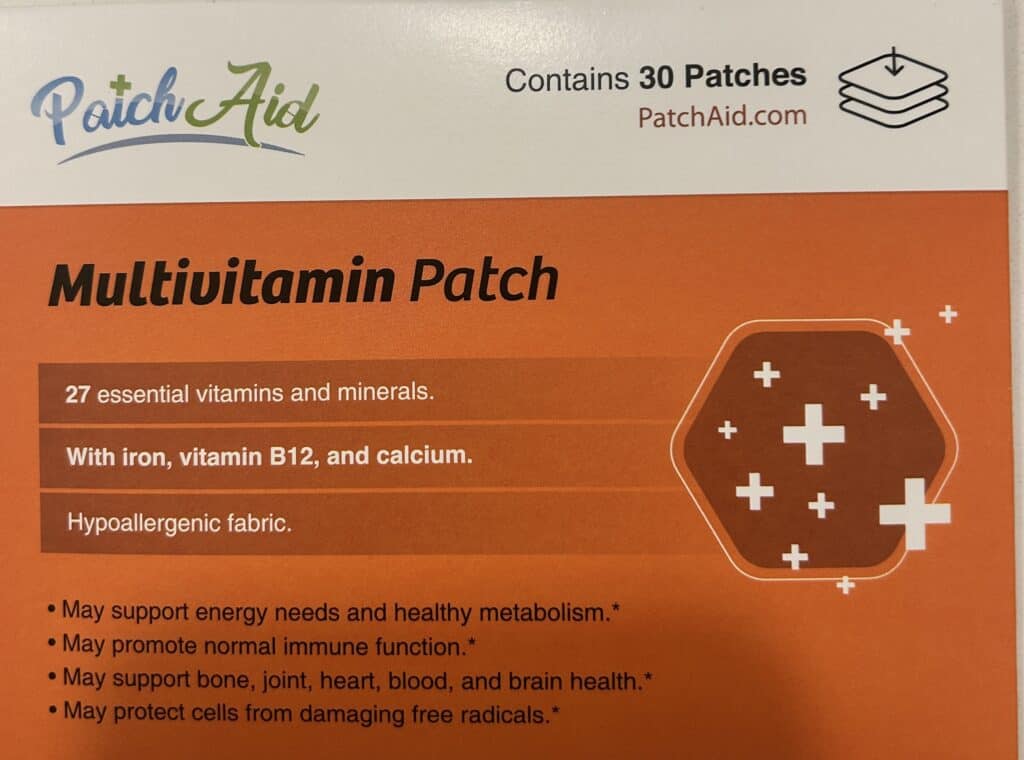
Learn more about PatchAid: patchaid.com/TEXASKK
And if you need prayer — visit the Prayer Wall. Leave your request and be lifted up by a community who understands. Financial burden of cancer is real.

Visit the Prayer Wall: texaskkstompscancer.com/prayer-wall-esophagus-cancer/
ZINZINO AND OMEGA BALANCE

Cancer made me pay attention to what I put in my body. The Zinzino Balance Test can help you learn more about your omega-6 and omega-3 balance. BalanceOil is designed to support general wellness and fatty acid balance.
This is not a cancer treatment. It does not replace your doctor. But for those who want to understand nutrition and wellness after a major health crisis, it can be part of a larger conversation.

Learn more about Zinzino: zinzino.com/2020684532
FAITH CARRIED ME WHEN MY BODY COULD NOT

There were days I had no words except, “God, please help me.” And He did. Not always in the way I expected. Periodically, through a doctor. Seldom through a nurse. Sometimes through my brother staying beside me. Always through peace that made no sense on paper.
If you’re walking through cancer right now, you don’t have to pray perfectly. You don’t have to sound strong. Sometimes the prayer is simply: “Lord, help me get through today.” And that is enough.
FINAL THOUGHTS: PREPARATION IS NOT FEAR. PREPARATION IS WISDOM.

Cancer can make you feel like life is spinning. But preparation gives you a place to stand.
You may not control every scan, every side effect, every bill. But you can prepare your finances, your home, your body, and your support system. That is the purpose of The Cancer Readiness Blueprint™.
If you were just diagnosed, take one step today. Not ten. Just one. Call the hospital social worker. Organize one folder. Ask one friend for help. Look into a cancer supplement policy. Write down one prayer.
Small steps add up. And over time, they become a foundation.
Cancer changed my life forever. But it also taught me compassion, courage, faith, and the power of preparation. My prayer is that this guide helps you feel less alone, more prepared, and more hopeful as you take the next step in your own journey.

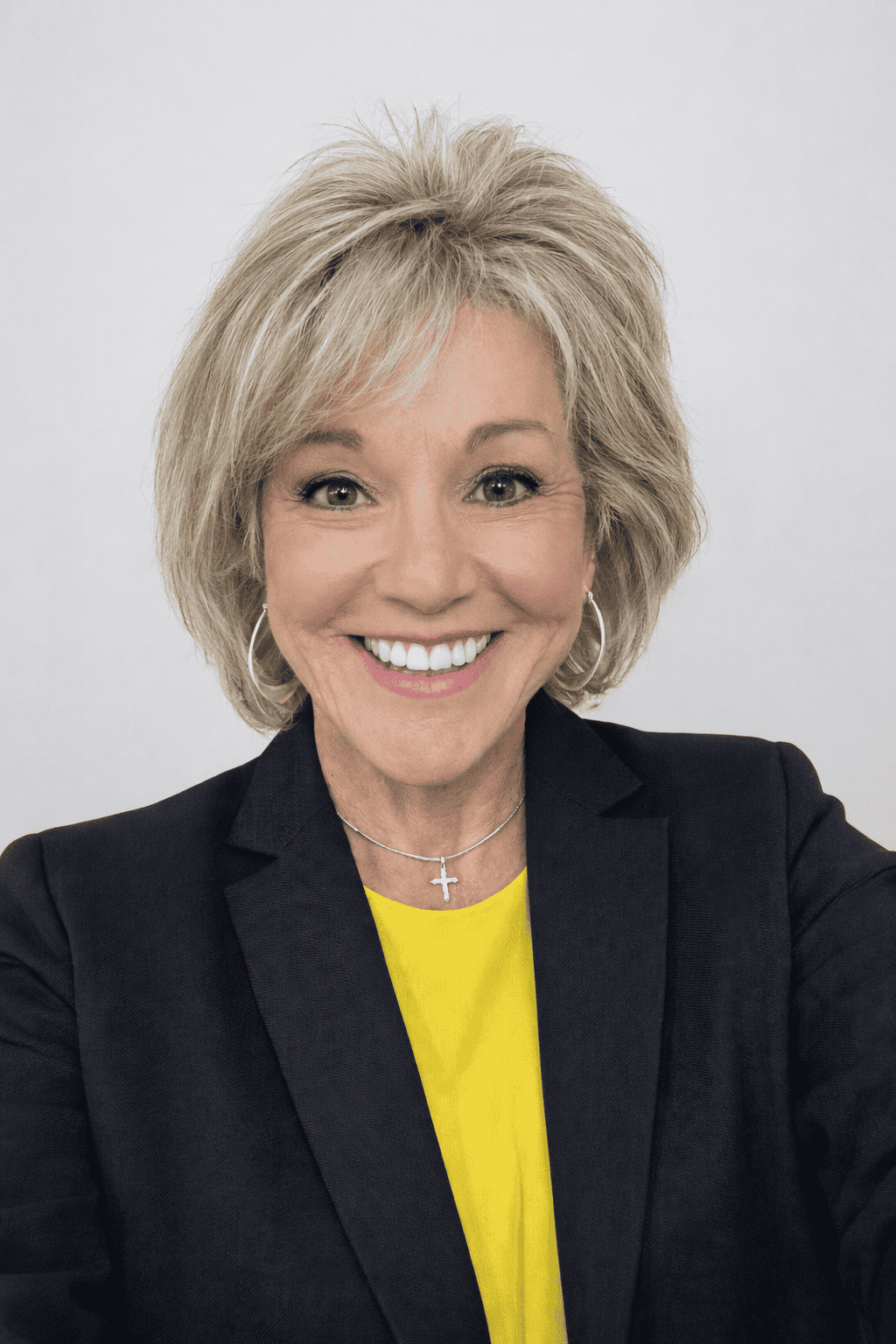
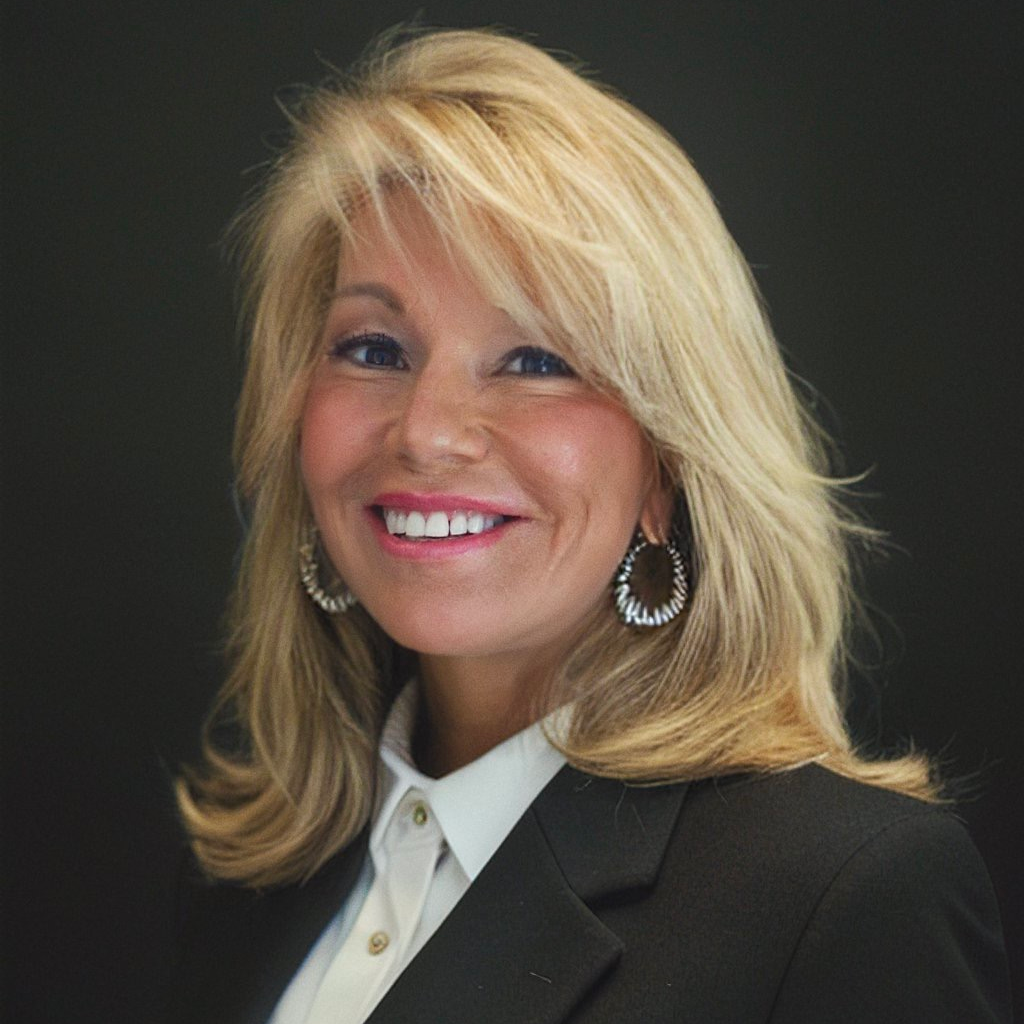
“Meet Kelle Hinson, founder of Texas KKs Stomps Cancer, esophagus cancer survivor, advocate, and blogger sharing hope, faith, healthy living, and recovery.”