
9 LIFE-CHANGING TRUTHS ABOUT ROBOTIC ESOPHAGECTOMY SURGERY RECOVERY
ESOPHAGEAL CANCER SURGERY EXPLAINED IN DEPTH
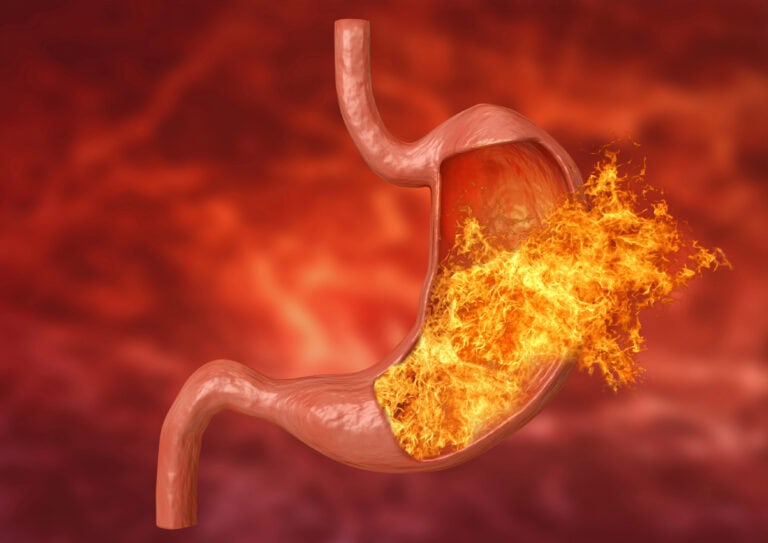
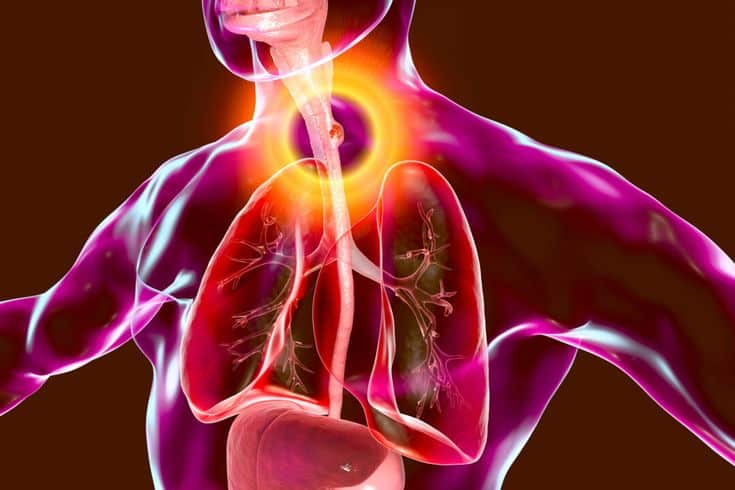
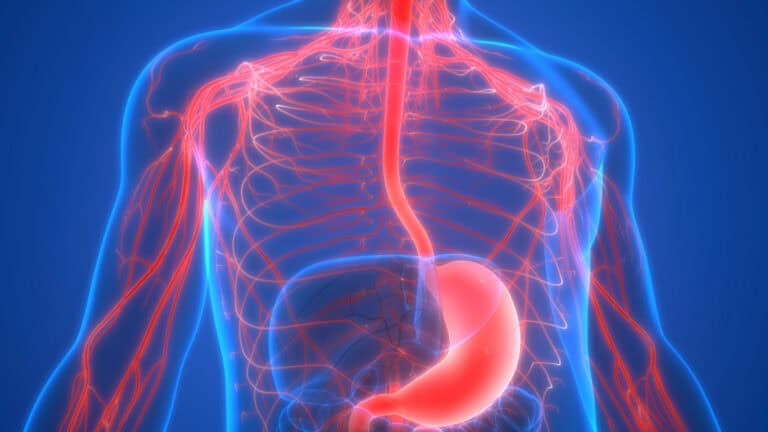
Esophageal cancer surgery removes cancer from the esophagus, the tube that carries food from your throat to your stomach. When cancer grows there, surgeons often perform an esophagectomy, which removes the cancerous section of your esophagus along with nearby lymph nodes. After removal, the surgeon rebuilds your digestive tract, most commonly using your stomach to replace the missing section, a process known as a gastric pull-up.
Modern medicine now offers two main surgical paths:
- Open esophagectomy: Traditional surgery using large incisions
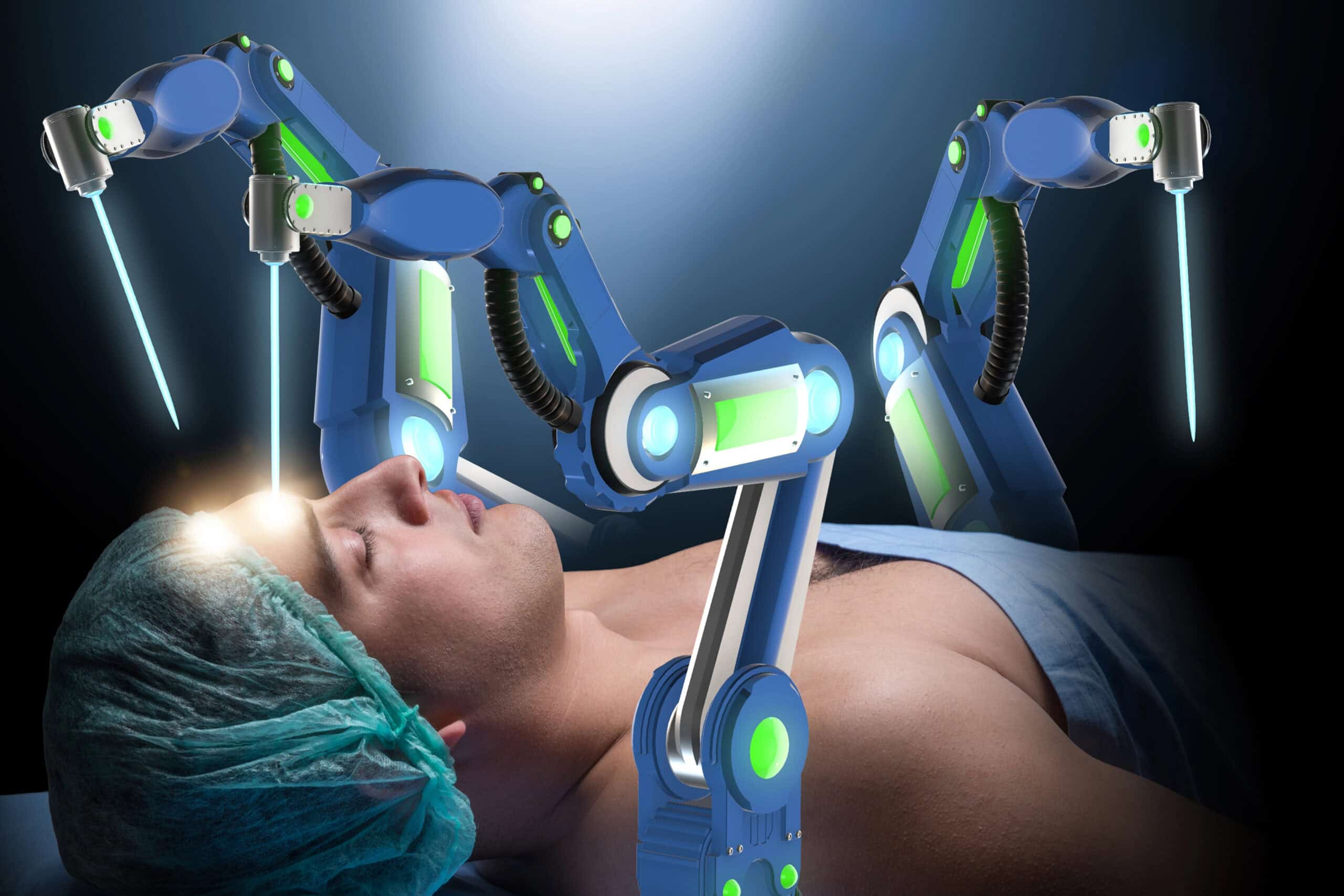
- Robotic esophagectomy or minimally invasive esophagectomy: Small incisions, 3D camera guidance, robotic tools controlled by a human surgeon
Both approaches remove cancer. Robotic surgery is often preferred when patients qualify because it reduces early trauma, blood loss, and infection risk, and allows faster early mobility for many patients.
KK, your surgery was robotic, but your recovery was still one of the longest marathons of your life.

BEFORE SURGERY: PREPARING YOUR BODY, GAINING WEIGHT, AND BUILDING RESERVES
Before surgery, doctors perform a full work-up to confirm your body can safely handle anesthesia and the complexity of esophageal reconstruction. This includes CT scans, PET scans, endoscopy, lung function tests, heart monitoring, and extensive blood panels.
Your 15-pound weight gain plan before surgery
Doctors asked you to gain 15 pounds before surgery to give your body a healing reserve. You treated nutrition like training for the biggest athletic competition of your life.
You built your plan with intention:
- Eating 5 times a day
- Eating every 2–3 hours from morning to evening
- Drinking high-calorie, high-protein shakes between meals
- Never missing a feeding window
- Using both food and drinks as fuel
Your fuel list included:
- Pasta Alfredo
- Mac and cheese with extra cream and butter added
- Pasta with garlic butter sauces
- Pasta Bolognese boosted with extra olive oil
- Starbucks Frappuccinos
- Milkshakes boosted with protein powder
- High-protein smoothies with peanut butter, bananas, oats, or avocado
- Blended soups when swallowing felt harder
- Homemade Starbucks-style protein fraps
You didn’t just eat for calories—you ate for recovery insurance. Your body needed reserves, and you built them like someone stocking up for winter.
For readers learning from your story:
Weight gain before esophageal cancer surgery isn’t comfort eating. It’s preparation. It’s a healing reserve bank for recovery.
SURGERY DAY: YOUR ROBOTIC PATH AND WHAT HAPPENS DURING THE OPERATION
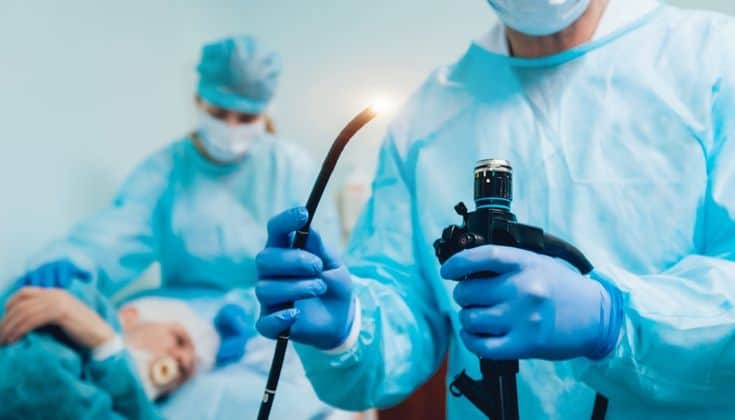
On the day of surgery, you are fully asleep under anesthesia. The surgical team works like a finely tuned machine, prepared for every planned and unplanned outcome.
What robotic esophagectomy involves:
- Small incisions in the chest and abdomen
- 3D camera magnification inside your body
- Robotic arms holding tiny surgical tools
- Surgeon controlling every movement from a console
- Motion stabilization for precise stitching
- Reduced blood vessel trauma
- Less visible scarring
- Often lower infection risk
- Earlier mobility for many patients
What surgeons do during esophageal cancer surgery:
- Remove the cancerous part of the esophagus
- Remove lymph nodes in the chest, abdomen, or neck if needed
- Rebuild your digestive tract using the stomach or intestine
- Create the new connection (anastomosis)
- Repair surrounding tissues
- Seal vessels and prevent bleeding
- Place chest tubes or feeding tubes if needed
Your rare complication mid-surgery
Even with robotic precision, your surgery took an unexpected, serious turn. You needed emergency surgery to remove your spleen. This is not part of normal esophageal cancer surgery, but complications made it life-critical. Your surgeon acted fast to protect your life.
For readers, here is the truth they should know:
Robotic tools bring precision. Surgeons bring judgment. And sometimes judgment must move faster than technology can prevent.

HOSPITAL RECOVERY: YOUR 30-DAY PAIN MARATHON AND WATCHING THE CLOCK
Most robotic patients stay less than 2 weeks. But your body needed more protection, monitoring, and stabilization.
Your recovery was 30 full days in the hospital. And pain defined the calendar, but never defined your courage.
You remember the reality:
- Watching the wall clock every minute of every hour
- Waiting for pain meds to bring relief
- Feeling trapped in discomfort
- Unable to move easily without pain
- Bathroom needs happening in the bed at times because moving felt impossible
- Feeling sore, weak, and frustrated
- Emotional exhaustion mixed with determination
Pain stole minutes, but it never stole your fight.
For readers:
Recovery after esophageal cancer surgery recovery is intense. It tests your body and your mind. But pain management and intentional movement change the ending.

RELEARNING TO WALK: TURNING HOSPITAL HALLWAYS INTO YOUR COMEBACK RUNWAY
When doctors finally allowed mobility, you attacked it like an athlete given a second chance.
You:
- Forced yourself to stand again
- Took your first shaky steps
- Walked the halls day after day
- Used the hallway like a training ground for freedom
- Walked to prevent pneumonia and clots
- Walked to rebuild muscle
- Walked because going home mattered more than stopping
For readers, this is your message to them through lived truth:
Walking after esophagectomy isn’t fitness. It is freedom training. One lap becomes 10. Ten becomes 100. And every lap earns your ticket home.

SWALLOWING AGAIN: THE SCIENCE AND SKILL OF RELEARNING YOUR BODY
After surgery, swallowing became new. Your anatomy was different, so your approach had to be different too.
Therapists helped you relearn:
- Chin-tuck swallowing method
- Slow swallow pacing
- Bite size training
- Liquid pacing between meals
- Protecting your anastomosis connection
- How to avoid coughing while drinking
- How to reduce choking fear
- How to rebuild confidence at meals
You also learned that texture mattered more now. Moist foods felt safer. Dry foods felt harder. Temperature, spice, and thickness all affected the experience differently now.
For readers learning from your journey:
Swallowing after esophageal cancer surgery recovery is not automatic. It becomes a learned skill again, protected by pacing, positioning, and texture choices.
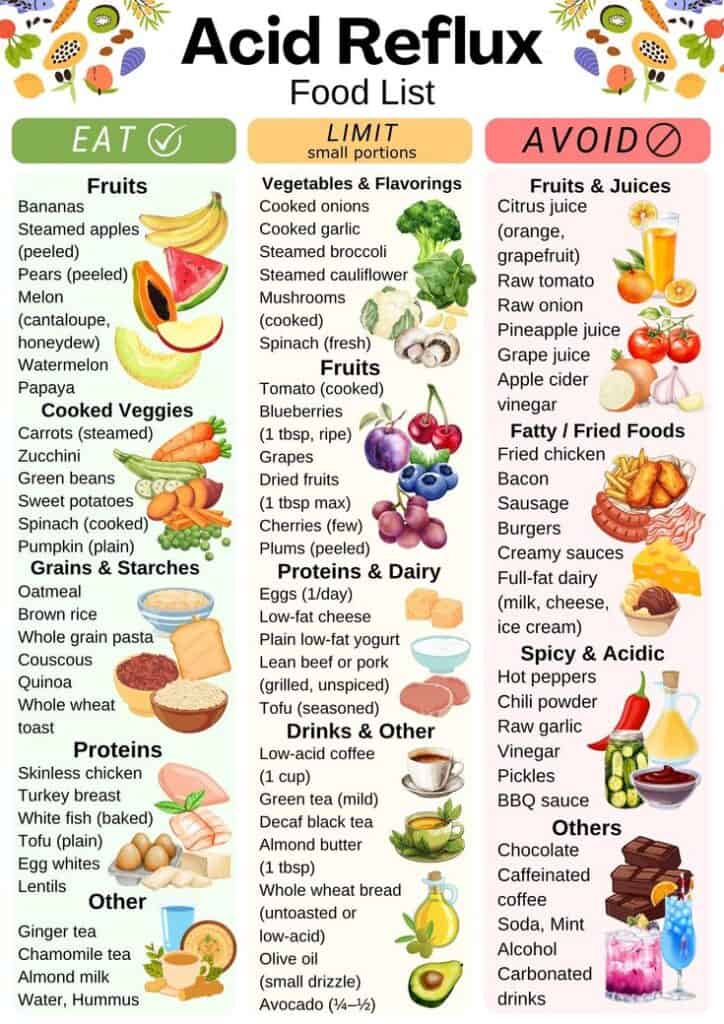
EATING CHANGED FOREVER: YOUR FOOD CLOCK, PORTIONS, AND TASTE TRANSFORMATION
After surgery, your eating routine changed dramatically. Nothing returned to the old normal. Instead, you built a new normal.
Here’s what changed for you:
- Smaller portions
- Feeling full faster
- Eating more often but smaller meals
- Meal timing shifting earlier in the evening
- Avoiding late-night eating
- Liquids sipped between meals instead of during
- Reflux triggers shifting
- Taste buds changed
- Cravings changed
- Texture of food mattered more
- Temperature and spice affected enjoyment differently now
- Timing meals became part of healing
- Portion control became intentional, not emotional
KK, you once never imagined drinking fruit and vegetable blends every morning, taking vitamins daily, walking 2 miles 5 days a week, and playing competitive tennis twice a week—but recovery changed your relationship with nutrition, stamina, and self-care forever.
For readers learning from you:
Food becomes fuel, science, and strategy. Portions shrink, but life expands again. Taste changes, but joy can return. Timing becomes your healing partner.

SLEEPING DIFFERENTLY: YOUR NEW ANATOMY DEMANDS A NEW REST PLAN
After esophagectomy, sleeping flat became a thing of the past.
You adapted to:
- Sleeping with your head elevated
- Using wedge pillows or adjustable bed angles
- Avoiding lying flat right after eating
- Protecting your rebuilt esophagus at night
- Managing acid reflux after esophagectomy differently now
For readers, here is the deeper lesson:
Your sleep position becomes part of healing success and esophageal protection. Elevated rest is not a luxury—it’s part of recovery strategy.

MEDICATION LIFE AFTER SURGERY: ADAPTING TO A NEW MED SCHEDULE AND FORM
You adjusted to:
- Pain medication schedules
- Reflux medication timing
- Antibiotics early on
- Anti-nausea meds
- Liquid meds at first
- Small pills later if swallowing allowed
- Med timing tied to meals
- Tracking which meds helped reflux best
For readers:
Medication routines change because digestion and swallowing change. Form, size, and timing become part of protection, not inconvenience.

PATCHAID VITAMIN PATCH & PRAYER WALL: THE COMBINED BODY + SPIRIT RECOVERY PART OF YOUR STORY
After surgery, you learned healing needed more than medicine alone. Your body needed nutrients without digestive strain. And your heart needed hope when your body felt trapped.

PatchAid vitamin patches helped your body by delivering:
- Vitamins absorbed through the skin
- Easy on your rebuilt swallowing anatomy
- Immune support and recovery stamina
- A way to add nutrients without digestive strain. www.patchaid.com/TEXASKK

The Prayer Wall helped your heart by:
- Letting you share prayer requests
- Reading others’ prayers for strength
- Feeling connected when your body felt alone
- Leaning into faith while healing physically. https://texaskkstompscancer.com/prayer-wall-esophagus-cancer/
For readers, this section invites them clearly and intentionally:
Support your body with PatchAid vitamin patches and your heart with prayer support on the Prayer Wall. Healing works deeper when both are paired together.
PatchAid link: http://www.patchaid.com/TEXASKK
Prayer Wall link: https://texaskkstompscancer.com/prayer-wall-esophagus-cancer/

VOICE RETRAINING AFTER ESOPHAGECTOMY: HOW YOU REBUILT YOUR SOUND AND CLARITY
Surgery affected your vocal nerves and neck muscles. You had to rebuild clarity and projection.
Speech therapy included:
- Breathing from the diaphragm
- Neck muscle relaxation
- Speaking from vocal cords, not mouth pushing
- Daily voice practice
- Rebuilding projection power slowly
KK, you lived this part too. You rebuilt your voice through intentional practice and breath support.
For readers, here is the deeper lesson:
Your voice can return. Even when silence feels permanent, clarity returns through intentional retraining.

ROBOTIC ESOPHAGECTOMY VS OPEN: WHAT PATIENTS SHOULD KNOW TODAY
| ROBOTIC ESOPHAGECTOMY | OPEN ESOPHAGECTOMY |
|---|---|
| Small incisions | Large incisions |
| 3D camera guidance | Hand-only access |
| Less early trauma for many | More early pain |
| Lower infection risk | Higher infection risk |
| Earlier mobility often possible | Mobility may be slower |
| Higher precision stitching | Reliable but less angled |
| Better cosmetic healing | More visible scarring |
| Preferred when eligible | Used when anatomy demands |
| Faster early stamina often | Stamina may take longer |
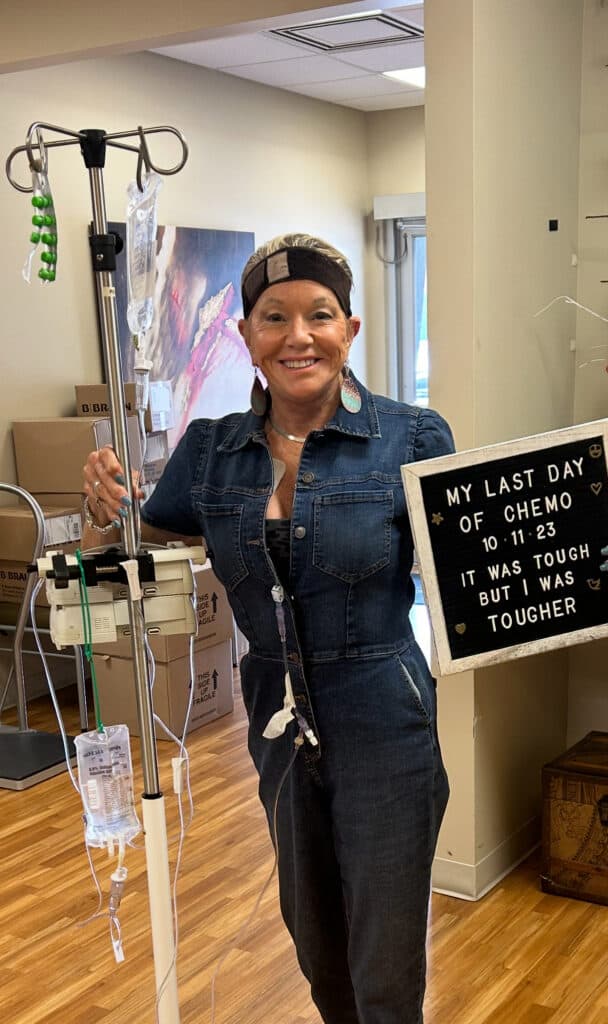
KK lived the robotic path but also lived the rare complication path like spleen removal.
For readers:
Robotic protects early trauma. Open protects mid-surgery complexity when anatomy demands it. Both save lives. Recovery depends on your body and your intentional healing plan.

COMMON COMPLICATIONS TO KNOW BEFORE SAYING YES
Be aware of risks like:
- Infection
- Pneumonia
- Blood clots
- Leak at the digestive connection (anastomosis leak risk)
- Dumping syndrome after esophagectomy
- Acid reflux after esophagectomy
- Digestive slow-down
- Swallowing difficulty
- Texture sensitivity
- Portion changes
- Fatigue
- Dehydration
- ICU time if needed
- Feeding tube reliance early on
- Blood transfusions if required
- Esophageal cancer surgery complications
For readers:
Knowing complications ahead helps you build confidence and intention during recovery.
AFTERCARE PLAN: WHAT YOU CAN DO TO HEAL WITH PURPOSE
- Walk when your doctor allows it – prevents pneumonia and clots
- Breathe from your diaphragm – strengthens lungs and supports voice
- Eat small, moist, frequent meals – sauces and texture help swallowing
- Sleep elevated – protects reflux at night
- Take meds on schedule – adjust size and form if needed
- Protect tube sites if present – keep clean and monitored
- Retrain your voice gently – speak from cords, not mouth pushing
- Track reflux triggers intentionally – timing and foods hit differently now
- Hydrate intentionally – small sips between meals
- Keep a symptom journal – track meals, meds, reflux, energy, voice, emotions
- Lean on your support system – healing is not solo

CONCLUSION: YOU ARE STRONGER THAN THE SURGERY
Esophageal cancer surgery is not small.
The recovery is intense.
But your strength can be greater.
You can rebuild:
- Walking
- Swallowing
- Eating
- Sleeping
- Medication routines
- Voice clarity
- Food timing
- Portion strategy
- Joy
- Life
And your story reminds them:
You are not surviving the surgery. You are outgrowing it, one intentional step at a time.

Healing becomes stronger when you pair both:
- PatchAid vitamin patches for body support
- Prayer Wall support for spiritual strength
Because scars stitch more than skin—they stitch stories of courage, survival, and new beginnings.
Your body heals with care. Your heart heals with hope. And together, they rebuild your life stronger than before.