
9️⃣ BRAVE METASTATIC ESOPHAGEAL CANCER: WHAT YOU NEED TO KNOW NOW
WHEN YOU HEAR THE WORD “METASTATIC”
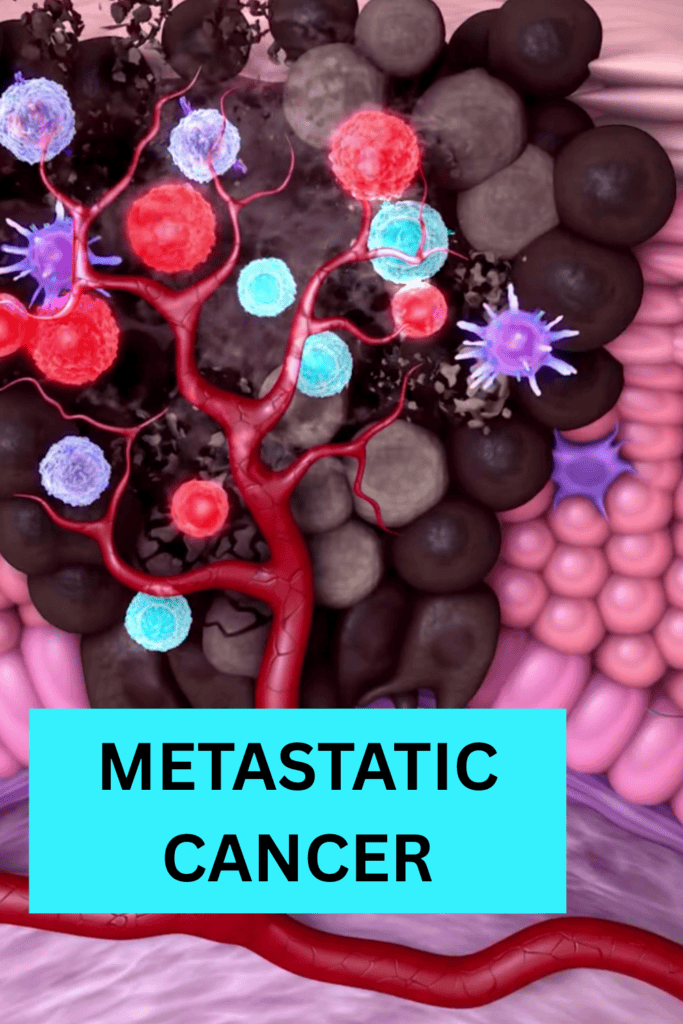
When you first hear the words metastatic esophageal cancer, your heart may stop for a second. Everything feels louder and quieter at the same time. You may wonder what it truly means. Is there hope? Is there time? What happens next?
First, take a breath.
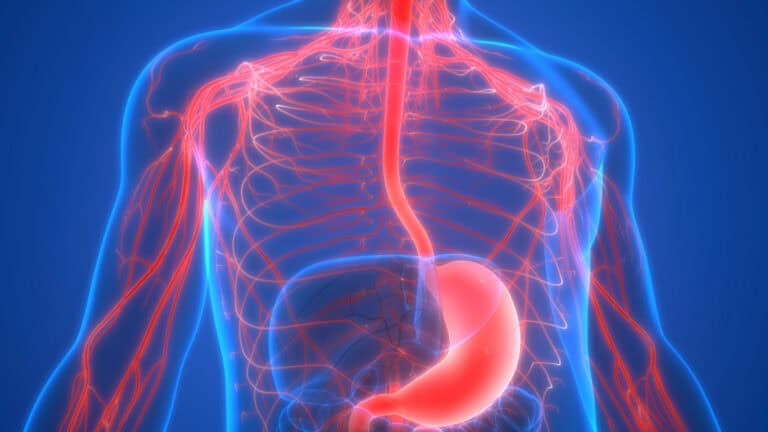
Metastatic means the cancer has moved from the esophagus to another part of your body. It may have spread to the liver or lungs, lymph nodes, or other tissues. Doctors often refer to this as stage IV esophageal cancer. While that label sounds overwhelming, it does not define your strength, your faith, or your future decisions.
You are still you. And there are still options.
WHAT METASTATIC ESOPHAGEAL CANCER REALLY MEANS

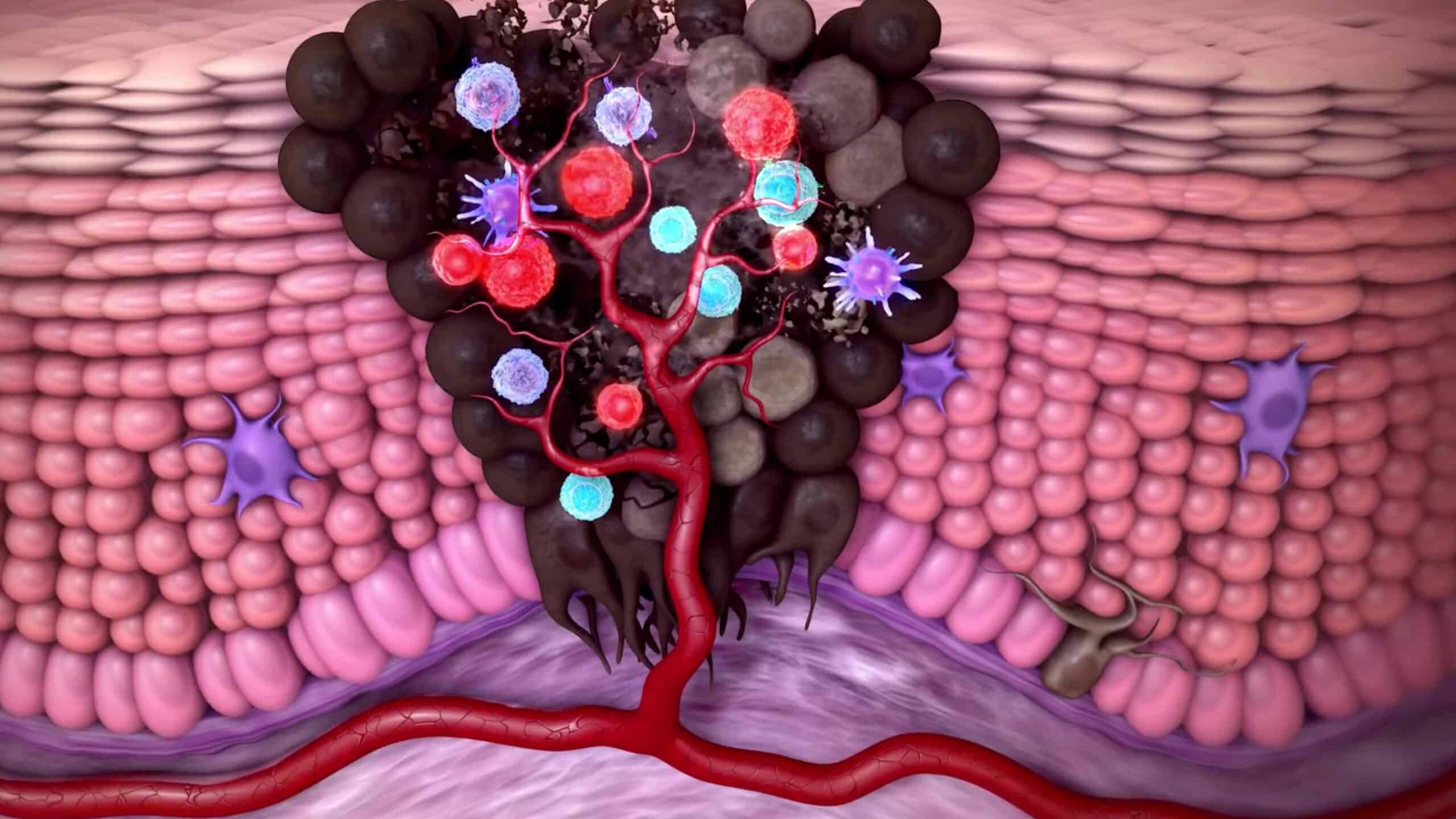
Metastatic esophageal cancer develops when cancer cells travel through the bloodstream or lymphatic system and form tumors elsewhere. Because the disease is no longer confined to one area, treatment goals often shift.
Instead of focusing only on removing a tumor, your care team may prioritize:
- Slowing cancer growth
- Managing symptoms
- Extending survival
- Protecting quality of life
However, treatment plans today look very different than they did even ten years ago. Advances in advanced esophageal cancer treatment are offering more personalized care than ever before.
That is important. Because personalized medicine changes outcomes.
UNDERSTANDING THE NUMBERS — WITHOUT LOSING HOPE

You may look up esophageal cancer survival rates and feel discouraged. Statistics can feel cold and impersonal. For example, according to data from the American Cancer Society, the 5-year relative survival rate for distant-stage esophageal cancer has historically been in the single digits to low teens.
But here is what those numbers do not show you:
- They reflect past treatments, not the newest therapies.
- They do not account for your individual biology.
- They do not measure mindset, support systems, or faith.
In recent years, survival curves have begun shifting due to immunotherapy and targeted therapy options. Clinical trials for esophageal cancer are expanding rapidly, and researchers are discovering that some patients respond exceptionally well to newer treatments.
Therefore, statistics inform you — but they do not own you.
MODERN TREATMENT OPTIONS ARE EXPANDING

If you are facing metastatic esophageal cancer, your oncologist may recommend a combination of therapies. Each case is unique, but here are the most common approaches:
CHEMOTHERAPY
Chemotherapy remains a foundational treatment. It works by killing rapidly dividing cancer cells. While side effects can be challenging, medication protocols today are more refined and supportive than in the past.
IMMUNOTHERAPY
Immunotherapy for esophageal cancer has changed the conversation entirely. Drugs such as PD-1 inhibitors help your immune system recognize and attack cancer cells more effectively.
In the CheckMate-649 clinical trial, published in the New England Journal of Medicine, combining immunotherapy with chemotherapy significantly improved overall survival in certain advanced gastrointestinal cancers. That is not theory — that is data.
TARGETED THERAPY
If your tumor tests positive for specific markers such as HER2, doctors may use targeted drugs that focus directly on those cancer signals. This approach can be more precise and sometimes less toxic than traditional chemotherapy.
RADIATION FOR SYMPTOM CONTROL
In some cases, radiation is used to relieve pain, difficulty swallowing, or bleeding. Even if surgery is not an option, symptom control is powerful.
Because comfort matters.
OUTSIDE RESEARCH THAT IS CHANGING THE FUTURE
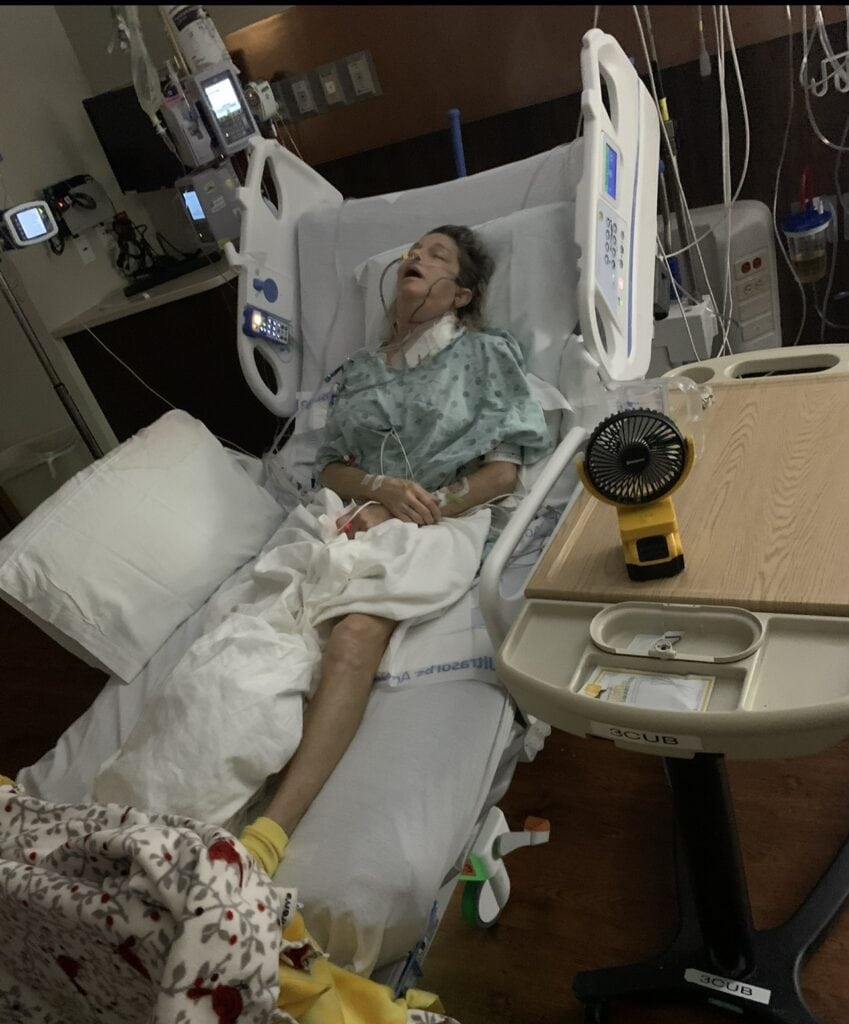
You deserve facts backed by evidence.
A 2022 study in The Lancet Oncology showed that combining chemotherapy with immunotherapy improved median survival compared to chemotherapy alone in advanced esophageal cancers.
Another major trial demonstrated that patients whose tumors expressed PD-L1 markers responded significantly better to checkpoint inhibitors. In simple terms, some bodies are more “recognizable” to immune-based treatments — and testing can reveal that.
Furthermore, researchers are exploring:
- Personalized tumor DNA sequencing
- Cancer vaccines
- Combination biologic therapies
Science is moving forward. Even if the journey feels slow, it is not standing still.
MANAGING SYMPTOMS AND PROTECTING YOUR QUALITY OF LIFE

Living with metastatic esophageal cancer means balancing treatment with daily strength. You may experience:
- Fatigue
- Difficulty swallowing
- Weight loss
- Nausea
- Pain
However, supportive care is not “giving up.” It is strategic.
Palliative care specialists focus on quality of life during cancer treatment. They help manage symptoms so you can remain present with family, faith, and meaningful moments.
You are not weak for asking for comfort. You are wise.
NUTRITION, STRENGTH, AND CELLULAR SUPPORT

Because the esophagus is directly involved in eating, nutrition becomes critical. Small, frequent meals may work better than large ones. Soft proteins, high-calorie smoothies, and nutrient-dense foods can help maintain weight.
Omega-3 fatty acids, antioxidants, and anti-inflammatory nutrients are being studied for their role in supporting immune function during cancer care. While no supplement replaces medical treatment, targeted nutritional support can help fill daily gaps — especially when appetite fluctuates.
PATCHAID VITAMIN PATCH & PRAYER WALL

When swallowing pills feels difficult, vitamin patches can offer an alternative method of nutrient delivery. You can explore options at http://www.patchaid.com/TEXASKK for supportive supplementation designed for easy absorption.

At the same time, your strength is not only physical. If you need prayer support, encouragement, or a place to leave your request, visit the Prayer Wall at:
https://www.texaskkstompscancer.com/prayer-wall
You do not have to carry this alone.
QUESTIONS YOU SHOULD ASK YOUR DOCTOR

Knowledge empowers you. Consider asking:
- Has my tumor been tested for HER2 or PD-L1 markers?
- Am I eligible for immunotherapy?
- Are there clinical trials for esophageal cancer available near me?
- What side effects should I expect — and how can we manage them?
- How do we measure whether treatment is working?
Clear communication builds confidence.
LIVING WITH COURAGE — EVEN NOW

Metastatic esophageal cancer is serious. There is no sugarcoating that reality. However, serious does not mean hopeless.
You can still:
- Advocate for your care
- Strengthen your body daily
- Seek second opinions
- Build a supportive team
- Protect your joy
Research continues to expand. Treatments are evolving. And your story is still unfolding.
EXPANDED: THE SCIENCE, THE BREAKTHROUGHS, AND WHAT IS COMING NEXT
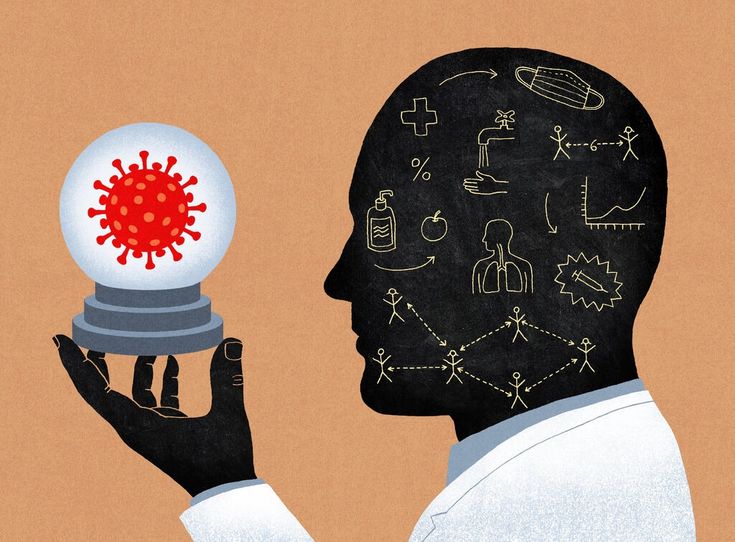
When you are facing metastatic esophageal cancer, one of the most empowering things you can do is understand what science is actively discovering. While the diagnosis can feel final, research continues to move forward in ways that were unimaginable even a decade ago.
For example, molecular profiling is becoming more common. Instead of treating every patient the same way, doctors now analyze tumor DNA to identify mutations or protein expressions that can be targeted directly. This means your treatment plan may be uniquely tailored to your cancer’s biology rather than based only on location or stage.
One major area of growth involves PD-1 and PD-L1 inhibitors. These immunotherapy drugs essentially remove the “brakes” from your immune system, allowing it to recognize and attack cancer cells more effectively. In multiple global studies, including large phase III trials, patients receiving immunotherapy combinations showed improved overall survival compared to chemotherapy alone. That shift has changed first-line treatment standards in many cases of advanced esophageal cancer treatment.
Additionally, researchers are exploring combination immunotherapy approaches. Instead of using one immune drug, some studies are testing two agents that activate different immune pathways at the same time. Early data suggests this may improve response rates in certain patients.
At the same time, scientists are studying tumor microenvironments. In simple terms, they are analyzing the environment around the cancer cells — including inflammation, immune cell presence, and oxygen levels. Why does this matter? Because some tumors resist treatment not because the drug fails, but because the surrounding environment protects them. By modifying that environment, treatments may become more effective.
Furthermore, precision radiation techniques are improving. Advanced imaging now allows radiation oncologists to target metastatic lesions more accurately while sparing healthy tissue. This reduces side effects and improves comfort, which directly supports quality of life during cancer treatment.
And perhaps one of the most hopeful developments is circulating tumor DNA testing. These blood-based “liquid biopsies” can sometimes detect microscopic cancer activity before it appears on scans. That means doctors may adjust treatment earlier, rather than waiting for visible progression.
Science is not static. It is actively evolving. cancer.org
THE ROLE OF CLINICAL TRIALS
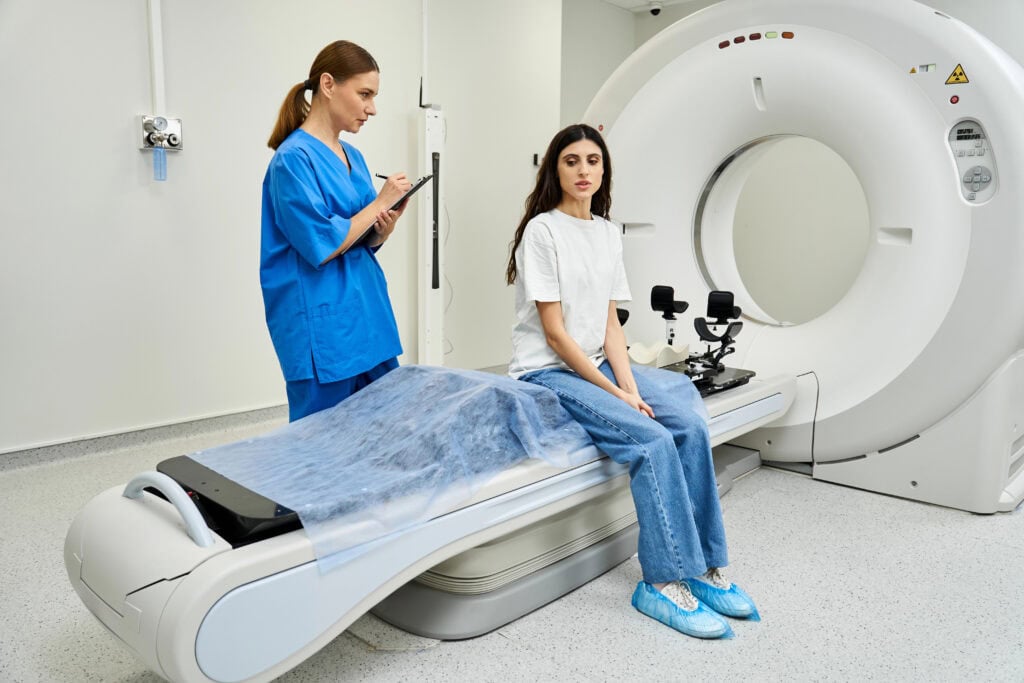
If you have metastatic esophageal cancer, clinical trials may sound intimidating. However, they are not “last resort” options. In fact, many trials offer access to cutting-edge therapies before they become widely available.
Some trials focus on:
- New immunotherapy combinations
- Novel targeted therapy options
- Personalized cancer vaccines
- Antibody-drug conjugates that deliver chemotherapy directly to cancer cells
Participation does not mean giving up standard care. Instead, many trials compare current standard treatments with new enhanced protocols.
If you are eligible, asking about clinical trials for esophageal cancer may open doors you did not know existed.
MENTAL RESILIENCE AND THE BRAIN-BODY CONNECTION

While treatment targets the tumor, your thoughts and emotional health influence your strength daily. Chronic stress can increase inflammatory markers in the body. On the other hand, hope, connection, and faith can improve coping ability and reduce anxiety.
Several peer-reviewed studies have shown that patients who engage in structured emotional support — whether through counseling, prayer groups, or guided mindfulness — report better symptom tolerance and improved mental clarity.
You do not have to be fearless. You simply have to keep moving forward.
Small daily practices may help:
- Five minutes of controlled breathing
- Gentle stretching
- Journaling one gratitude each day
- Talking openly with someone you trust
Coping with terminal cancer diagnosis fears does not mean surrendering to them. It means acknowledging them and choosing support.
FAMILY CONVERSATIONS THAT MATTER

Another important piece of living with metastatic esophageal cancer involves communication. You may struggle with what to tell children, grandchildren, or loved ones.
However, honest conversations often reduce anxiety more than silence does. When you speak openly about treatment plans, hopes, and uncertainties, you create space for connection rather than fear.
You can say:
“I don’t have all the answers, but I have a plan.”
“We are taking this one step at a time.”
“There is still treatment, and there is still hope.”
Clarity creates calm.
BUILDING YOUR CARE TEAM STRATEGICALLY

Your oncologist leads treatment, but you benefit from a full team approach. Consider including:
- Oncology nutritionist
- Palliative care specialist
- Oncology social worker
- Spiritual advisor or pastor
- Physical therapist
Each professional addresses a different layer of strength. Because metastatic esophageal cancer affects more than one system, your support system should too.
WHEN TREATMENT CHANGES
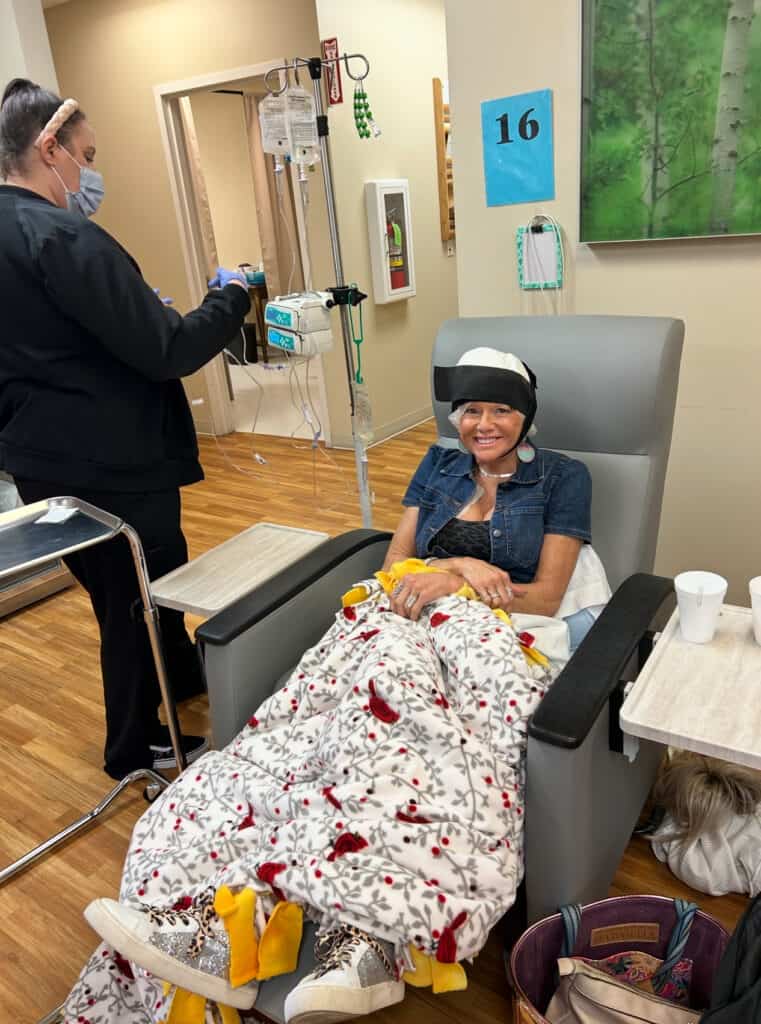
There may come a time when scans show progression. That moment can feel discouraging. However, progression does not mean the end of options. It simply means a shift.
Doctors may:
- Change chemotherapy agents
- Add immunotherapy
- Adjust dosage
- Focus on symptom-targeted radiation
Every adjustment reflects strategy — not defeat.
And importantly, you are allowed to reassess goals. Some patients prioritize aggressive therapy. Others prioritize comfort and time at home. Both choices are courageous.
THE FUTURE OF METASTATIC ESOPHAGEAL CANCER CARE

Looking ahead, researchers are focusing on:
- CAR-T cell therapies adapted for solid tumors
- Bispecific antibodies that connect immune cells directly to cancer cells
- AI-driven tumor response prediction
- Personalized vaccine technology
Although not all therapies are available today, progress continues steadily. What is experimental now may become standard in a few years.
Therefore, staying informed — without becoming overwhelmed — allows you to advocate for yourself wisely.
CONCLUSION: WHAT YOU CAN HOLD ONTO

Metastatic esophageal cancer changes your roadmap. It may shift your expectations. It may alter your timeline. ZINZINO BALANCE OIL SUPPLEMENT I HAVE BEEN TAKEN SINCE CANCER IS AMAZING …ASK ME ABOUT IT. SEE LINK TOO https://www.zinzino.com/2020684532.
However, it does not remove your agency.
New therapies are extending lives. Research is uncovering targeted solutions. Immunotherapy is rewriting treatment standards. Supportive care is preserving dignity and comfort.
And above all, hope remains present — even when fragile.
Today, focus on one next step.
Schedule the appointment.
Ask the hard question.
Strengthen your body.
Lean into prayer.
You are still here. And that matters more than anything. BLOG ARTICLE. https://www.texaskkstompscancer.com/faith-fortitude-recovery