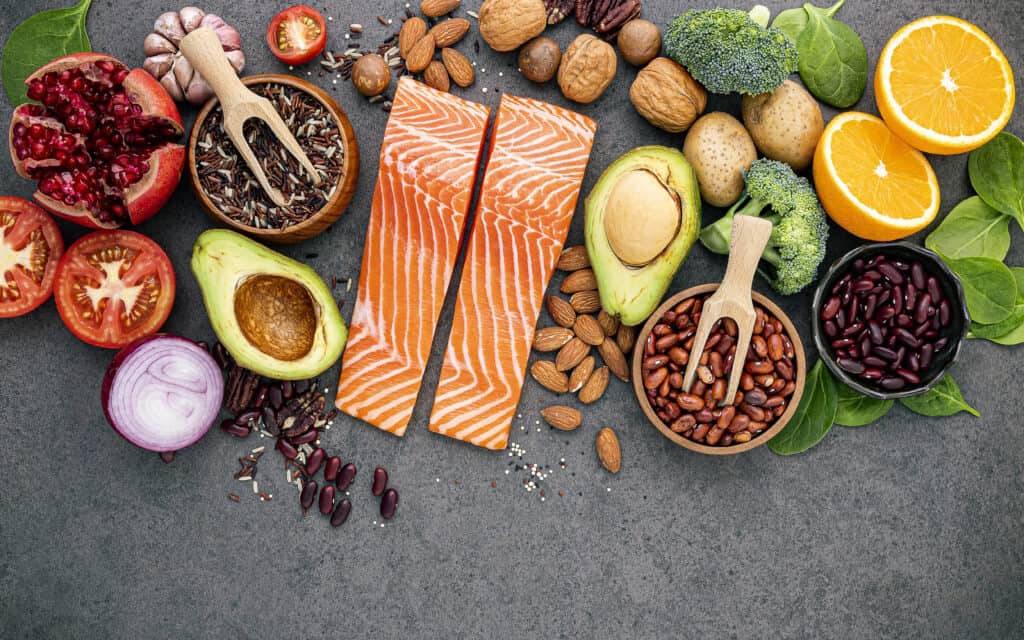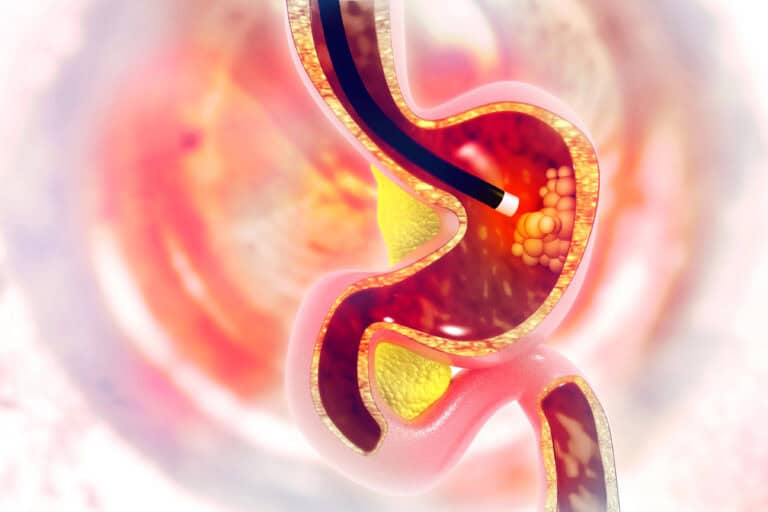

10 MUST HAVE Healthy Foods to Help with Esophagus Cancer
Living Stronger: The Power of Healthy Foods in the Fight Against Esophagus Cancer
When you’re battling esophagus cancer, your body becomes your battleground, and food becomes one of your most powerful weapons. My whole nutrition changed after being diagnosed not only with esophageal cancer, but also colon cancer. I have always been a huge athlete—tennis, pickleball, walking—but I never truly paid attention to what I was feeding my body. That all changed. Now, every bite, every sip, and every step I take is intentional, healing, and filled with gratitude.
Whether you’re newly diagnosed, going through treatment, or in remission like I am, making intentional food choices can fuel your strength, boost your immune system, and support recovery. This post will explore the top 10 healthy foods that supported my journey with Esophagus Cancer, why they work, when to enjoy them, and how I weave them into my daily routine.

1. Leafy Greens (Spinach, Kale, Swiss Chard)
Why: Packed with folate, fiber, and cancer-fighting antioxidants, leafy greens promote cell health and detoxification.
Best Season: Fall and Winter.
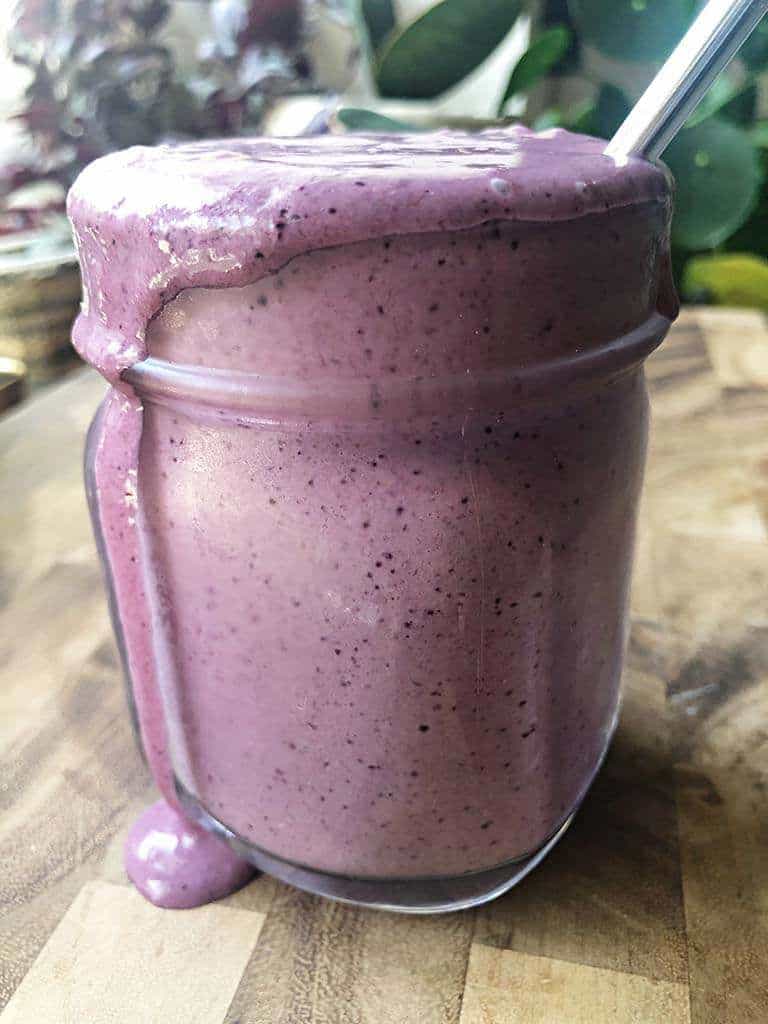
How I Use Them: Every morning, I blend spinach or kale into my go-to protein shake—blueberries, strawberries, avocado, protein powder, collagen powder, and coconut milk. It’s my daily powerhouse breakfast before my two-mile walk at our local state park.
Extra Tip: Add chopped greens to soups, soft scrambled eggs, or pureed vegetable blends for added nutrition.
More Ideas: Create green pesto with spinach and olive oil for pasta, or blend kale into creamy soups.
Shopping Tip: Buy pre-washed organic greens to save time and reduce pesticide exposure.
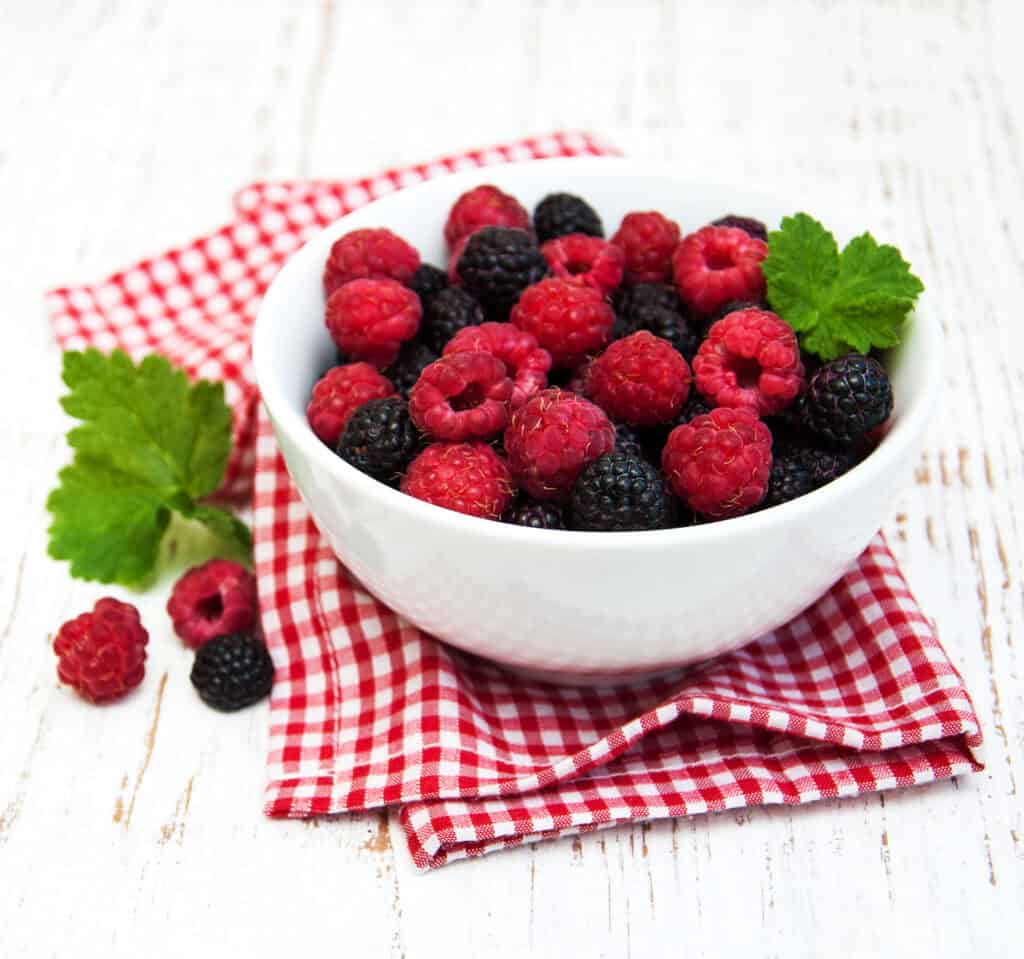
2. Berries (Blueberries, Strawberries, Raspberries)
Why: Rich in fiber, vitamin C, and polyphenols, berries help reduce inflammation and oxidative stress.
Best Season: Spring and Summer.
How I Use Them: I keep bags of frozen organic berries on hand. They’re perfect for smoothies or thawed and mixed into Greek yogurt.
Extra Tip: Puree berries into sauces for pancakes or oatmeal to add a burst of flavor.
More Ideas: Make a soft berry compote to top Greek yogurt or blend with banana for a sorbet.
Shopping Tip: Stock up on fresh berries when in season and freeze for year-round use.
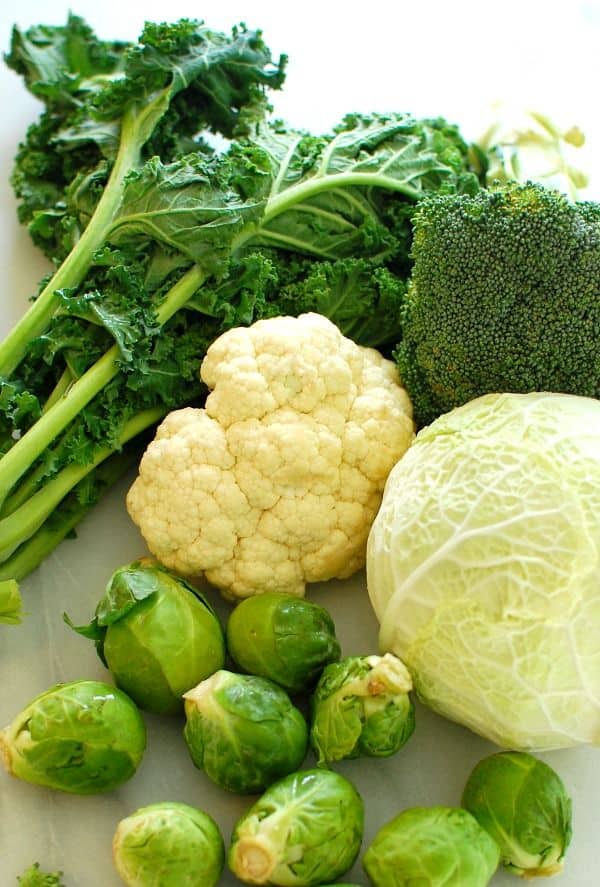
3. Cruciferous Vegetables (Broccoli, Cauliflower, Brussels Sprouts)
Why: Contain sulforaphane, which may inhibit cancer cell growth.
Best Season: Winter.
How I Use Them: Steamed with olive oil or roasted for a nutty flavor. Early in my recovery, I blended cooked cauliflower into mashed potatoes for added nutrients.
Extra Tip: Chop broccoli into tiny florets and stir into soups to make them softer to chew.
More Ideas: Mash cauliflower with garlic and olive oil for a soft, creamy side.
Prep Tip: Batch-cook and store in glass containers for quick meal additions.
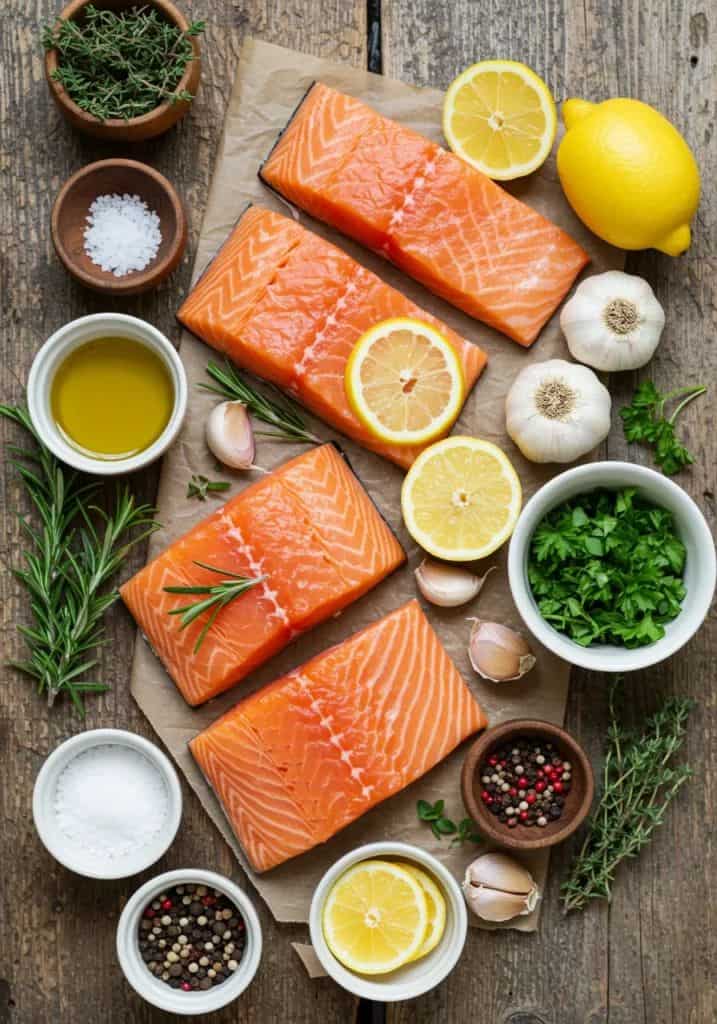
4. Salmon (Wild-Caught)
Why: Omega-3 fatty acids reduce inflammation and promote healing.
Best Season: Late Spring to Early Fall.
How I Use It: Baked with lemon and dill, paired with soft vegetables.
Extra Tip: Try salmon patties with mashed sweet potatoes for a soft, protein-rich meal.
More Ideas: Make a salmon and avocado salad with soft greens and olive oil dressing.
Shopping Tip: Look for wild-caught over farmed for cleaner nutrition.

5. Sweet Potatoes
Why: Beta-carotene, fiber, and vitamin C provide gentle, easy-to-digest energy.
Best Season: Fall.
How I Use Them: Mashed with olive oil or baked with cinnamon. During recovery, sweet potato puree became my comfort food.
Extra Tip: Add sweet potato to smoothies for natural sweetness and creaminess.
More Ideas: Slice and bake as soft fries for a healthy side dish.
Shopping Tip: Choose firm, unblemished sweet potatoes and store in a cool, dark place.

6. Greek Yogurt (Unsweetened)
Why: Probiotics, protein, and calcium for gut health.
Best Season: Year-round.
How I Use It: Blended into smoothies or topped with peanut butter.
Extra Tip: Use Greek yogurt as a creamy base for salad dressings or dips.
More Ideas: Mix with mashed berries for a probiotic-rich dessert.
Meal Prep Tip: Portion into small containers with fresh fruit for grab-and-go snacks.
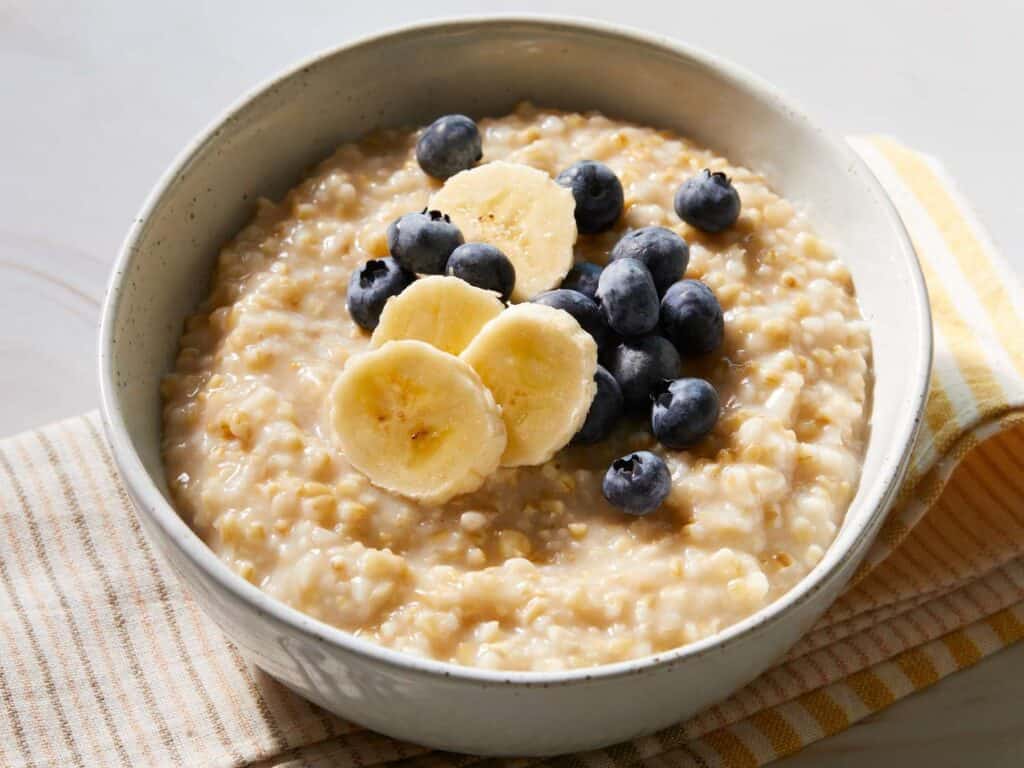
7. Oats
Why: Gentle fiber supports digestion and heart health.
Best Season: Winter.
How I Use Them: Overnight oats with almond milk and bananas, or blended into smoothies.
Extra Tip: Bake soft oat muffins with mashed banana for an easy snack.
More Ideas: Cook oats with cinnamon and soft apples for a warming breakfast.
Shopping Tip: Opt for gluten-free oats if sensitive to gluten.
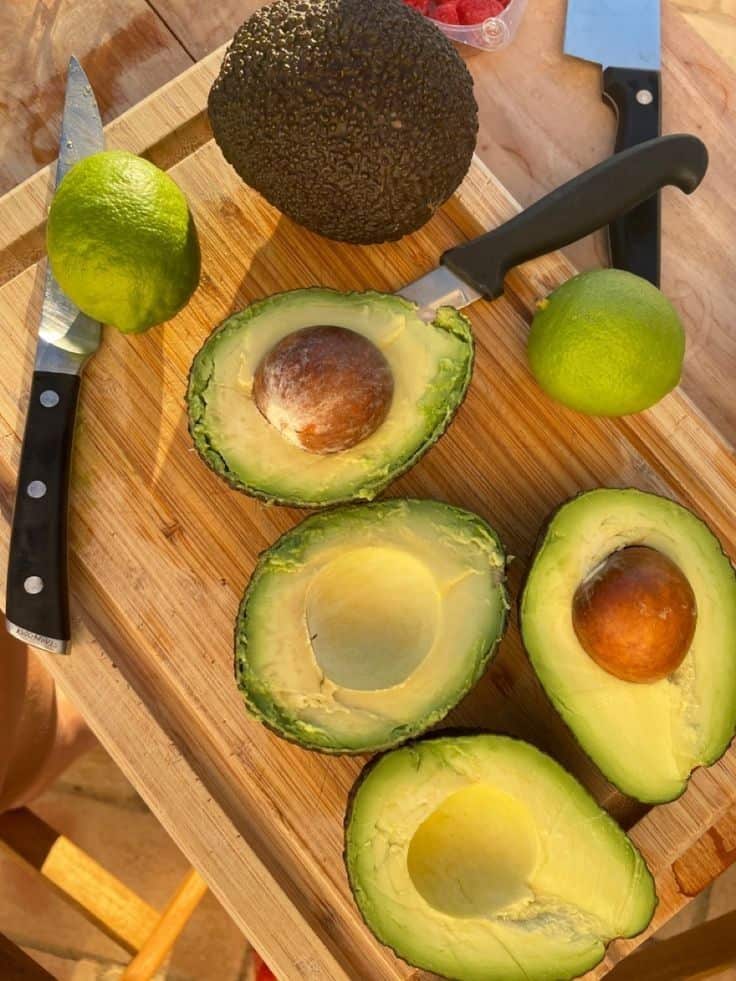
8. Avocados
Why: Healthy fats help nutrient absorption and cell repair.
Best Season: Late Spring and Summer.
How I Use Them: Blended into my morning shake for creaminess.
Extra Tip: Mash onto soft whole-grain toast and top with a poached egg for a nutrient boost.
More Ideas: Blend avocado with cocoa powder, honey, and almond milk for a healthy pudding.
Shopping Tip: Buy slightly firm avocados and ripen at room temperature.
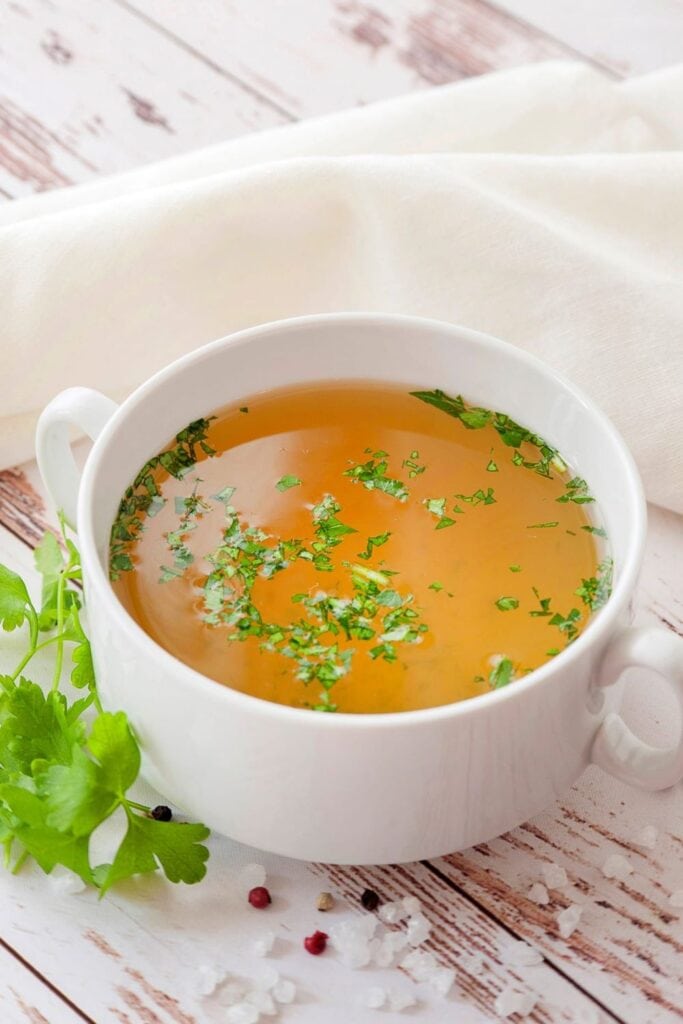
9. Bone Broth
Why: Collagen and minerals for gut healing and immunity.
Best Season: Fall and Winter.
How I Use It: Sipped warm, or used as a base for soups and stews.
Extra Tip: Add cooked vegetables and soft noodles for a nourishing bowl.
More Ideas: Freeze bone broth in ice cube trays for easy portioning into meals.
Meal Prep Tip: Simmer a large batch and store in mason jars in the fridge.
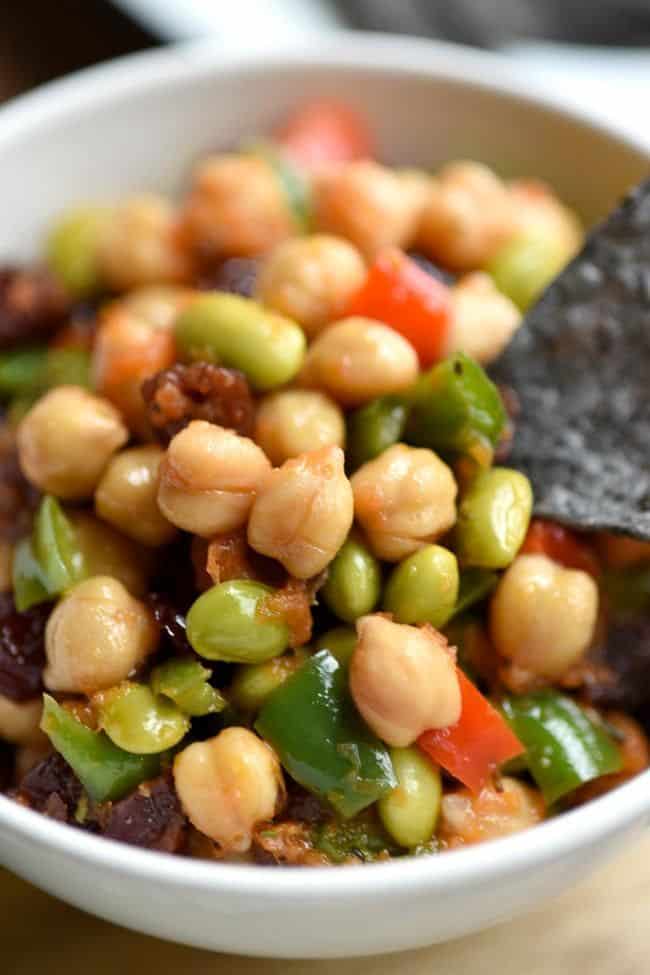
10. Edamame and Legumes
Why: Plant-based protein and fiber for muscle health and satiety.
Best Season: Spring.
How I Use Them: My go-to snack—microwaved edamame with sea salt.
Extra Tip: Blend beans into hummus for a soft, nutrient-packed spread.
More Ideas: Make lentil soup with carrots and celery for a filling, nutrient-rich meal.
Shopping Tip: Keep canned, no-salt-added beans for quick meals.
Quick Recipes From My Kitchen
Morning Healing Shake
- 1 cup blueberries
- 1 cup strawberries
- 1/2 avocado
- 1 scoop protein powder
- 1 scoop collagen powder
- 1 cup coconut milk
- Handful spinach or kale
Blend until creamy.
Go-To Edamame Snack
- 1 cup frozen edamame
- Sea salt to taste
Microwave for 3 minutes, sprinkle with sea salt.
Lifestyle Changes That Supported My Healing
Smoothies with Purpose: My morning shake fuels my body before my two-mile walk in the state park.
Hydration and Quitting Sodas: Water improved my clarity and digestion.
Movement and Joy: Tennis and pickleball twice a week keep me active.
Faith and Mindset: Daily Bible reading and gratitude fuel my spirit.
Mindful Snacking: Peanut butter on graham crackers and edamame energize me.
Quality Sleep and Love: Rest and a supportive relationship help me heal.
Extra Healing Practices: Gentle stretching in the mornings, practicing deep breathing exercises, and spending time outdoors daily to keep my mood balanced.
Meal Planning Advice: Plan weekly menus around seasonal produce and batch cook to save energy on busy days.
Grocery Shopping Tip: Shop the perimeter of the store for the freshest options and avoid heavily processed aisles.
Final Thoughts: Choose Healing Every Day
Your plate is powerful. Each bite can fuel your fight. These foods didn’t just aid my recovery from esophagus and colon cancer—they transformed my life.
You have more control than you think. Whether it’s blending a smoothie, walking in nature, or choosing faith over fear, every healthy choice counts.
Visit the Prayer Wall for Esophagus Cancer to share your journey, lift others in prayer, and find strength in community.
Here’s to your journey.
— A Survivor Still Smiling 💛