

7 REALISTIC WAYS TO EAT WITH AN ESOPHAGUS STRICTURE DIET
When you first hear the words ESOPHAGUS STRICTURE DIET it sounds medical and distant. But when you live it, it becomes personal and raw. You start realizing how much of life revolves around food—celebrations, comfort, even connection—and suddenly, swallowing becomes something you have to think about.
After my Esophageal Cancer treatment and surgery, I discovered that swallowing wasn’t just difficult—it was different. My taste buds changed, and so did my tolerance for texture. The mashed potatoes I once loved now clung to my throat. The crunch I used to crave from chips felt sharp and scary. Even smells affected me differently.
You might be right there too—frustrated, hungry, and tired of worrying about choking. But take heart, friend, ESOPHAGUS STRICTURE DIET is here. There are real ways to eat safely and still find joy in food again. Let’s walk this path together.
1. UNDERSTAND WHAT AN ESOPHAGUS STRICTURE REALLY IS
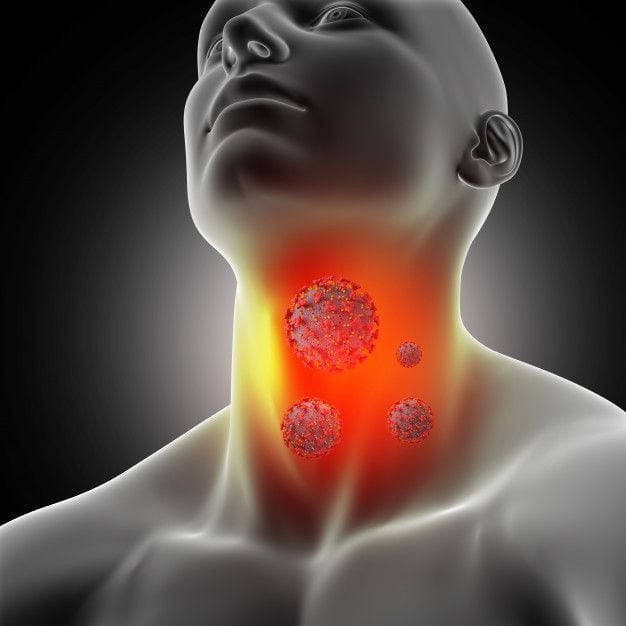
To live well with an esophagus stricture diet, you first need to know what’s going on inside your body. A stricture is simply a narrowing in your esophagus—the tube that carries food from your mouth to your stomach.
This narrowing can come from:
- Repeated acid reflux
- Radiation or surgery
- Scar tissue buildup
- Chronic inflammation
When food hits that narrowed area, it feels like it gets “stuck.” Sometimes you’ll feel pressure in your chest or even pain. It can trigger coughing, gagging, or panic.
But understanding this helps take away some fear. It reminds you that your body is not failing—it’s healing in its own way. With time, awareness, and some dietary adjustments, you can ease the struggle and reclaim a bit of normalcy.
2. RECOGNIZE THAT FOOD TEXTURE IS YOUR NEW BEST FRIEND
Here’s something I wish I had known sooner: texture matters more than taste when you live with an esophagus stricture diet.
After my surgery, my throat tolerated only smooth, moist foods. I could no longer eat dry chicken or flaky biscuits without choking. On bad days, I’d take one bite, feel it stick, and push the plate away.
You’ll go through a learning curve, too. Foods you once loved might betray you, while others you never considered could save the day.
Here’s what worked for me:
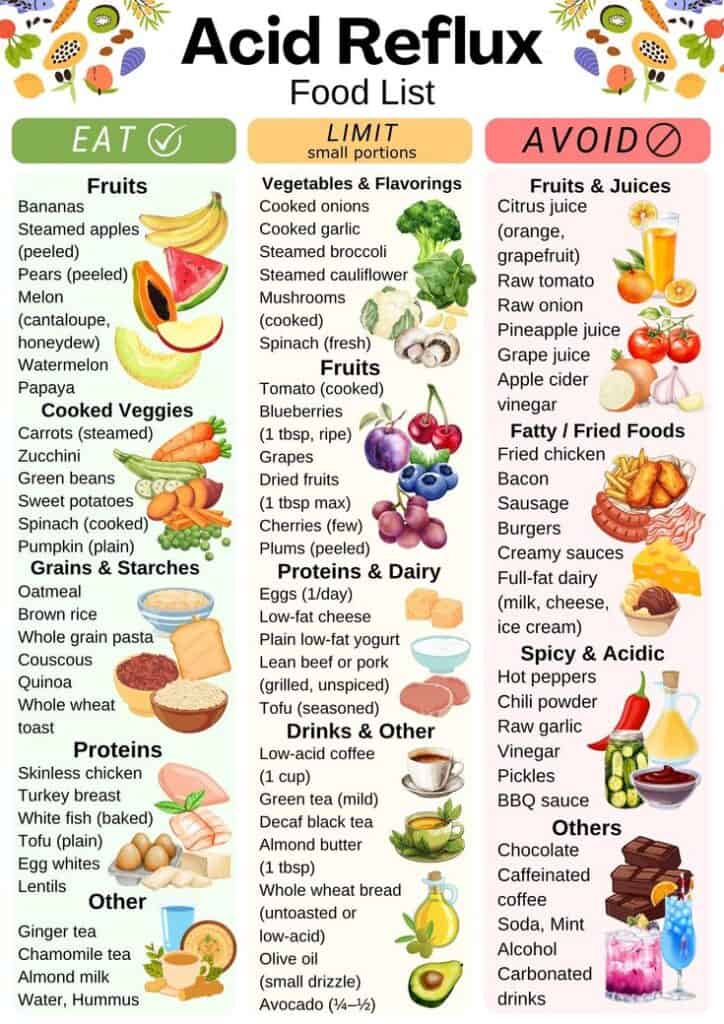
✔ Easier foods: scrambled eggs, creamy soups, mashed avocado, yogurt, pudding, smoothies.
✗ Harder foods: toast, crackers, dense bread, rough meats, raw vegetables.
I started keeping a “Food Journal of Wins”—writing down which textures worked and which caused trouble. Over time, this became my playbook for daily meals. It gave me back confidence and control.
Try this yourself. You’ll soon find patterns, and that’s your roadmap to eating without fear.
3. PRACTICE SLOW, INTENTIONAL EATING
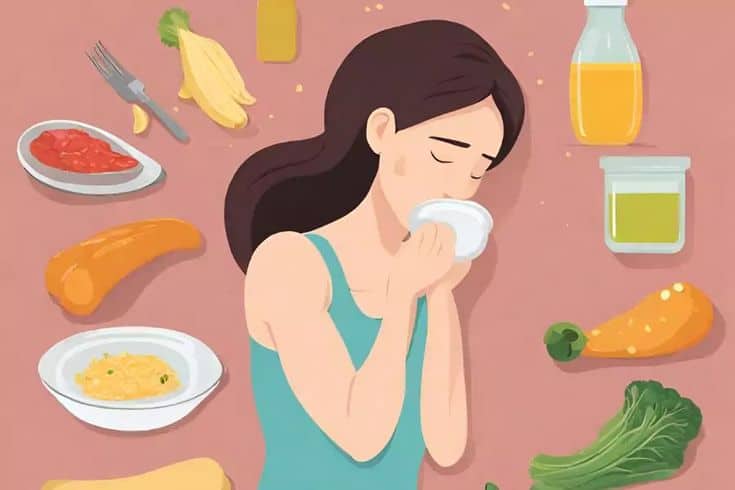
Eating with an esophagus stricture takes patience. You can’t rush it.
In my early recovery, I remember sitting at the dinner table surrounded by family, feeling so out of place. Everyone laughed, talked, and ate while I stared at my plate—cutting food into tiny pieces and dreading every swallow. I often left the table in tears.
But slowing down became my survival skill. It wasn’t just physical—it was spiritual, too. Slowing down gave me time to breathe, pray, and thank God for what I could eat.
Try this routine:
- Sit upright at a 90-degree angle.
- Take small bites and chew 20–30 times.
- Sip warm water or mild tea between bites.
- Set your fork down after each bite to pause.
Over time, this becomes second nature. Instead of eating to finish, you eat to nourish—and that shift changes everything.
4. LEARN TO MOISTEN, SOFTEN, AND BLEND
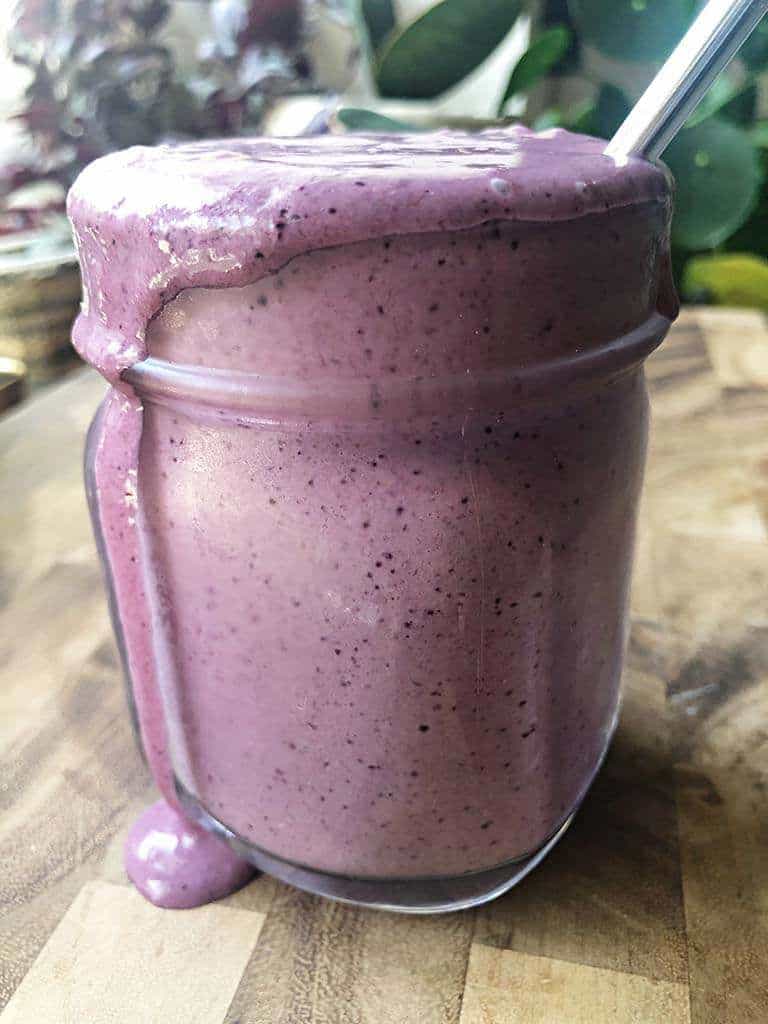
This step will save you hours of discomfort. Moisture helps food slide down smoothly, reducing friction on a narrow esophagus.
Think of your blender, broth, and olive oil as your best kitchen buddies.
Here are some ideas to make foods easier to swallow:
- Add broth or cream to mashed potatoes or casseroles.
- Mix olive oil into soft rice or pasta.
- Blend cooked vegetables into soups.
- Puree meats with gravy to keep the flavor but remove the struggle.
One night, I blended roast beef with broth and laughed at the sight—it looked nothing like my old Sunday dinner, but it tasted like comfort. That moment taught me that pride has no place in healing. You do what you need to survive—and sometimes that means blending your blessings.
Also, avoid sticky foods like peanut butter, dry bread, or tough meats. They’re the worst culprits for clogging up the throat.

5. DEAL WITH THE EMOTIONAL SIDE OF EATING
No one talks about the emotional weight of an esophagus stricture diet. But it’s real.
Eating is one of life’s great pleasures, and losing that freedom can feel like grief. You may feel embarrassed in public or lonely at family gatherings. You might skip events because eating feels like a chore.
I know, because I’ve been there. I’ve cried over bowls of soup that refused to go down. I’ve felt angry when everyone else was eating steak while I sipped broth. I’ve stared at my reflection and thought, “Will this ever feel normal again?”
Here’s what helped me through those dark days:
- I let myself feel it all. The anger, sadness, and frustration.
- I reframed food as fuel, not fun.
- I prayed over every meal, thanking God for nourishment in any form.
- I found joy in tiny wins—like swallowing oatmeal without pain.
When you invite God into the struggle, the fear starts to loosen its grip. Faith doesn’t make swallowing easy, but it makes the journey lighter.
6. TRY NEW FLAVORS AS YOUR TASTE BUDS CHANGE
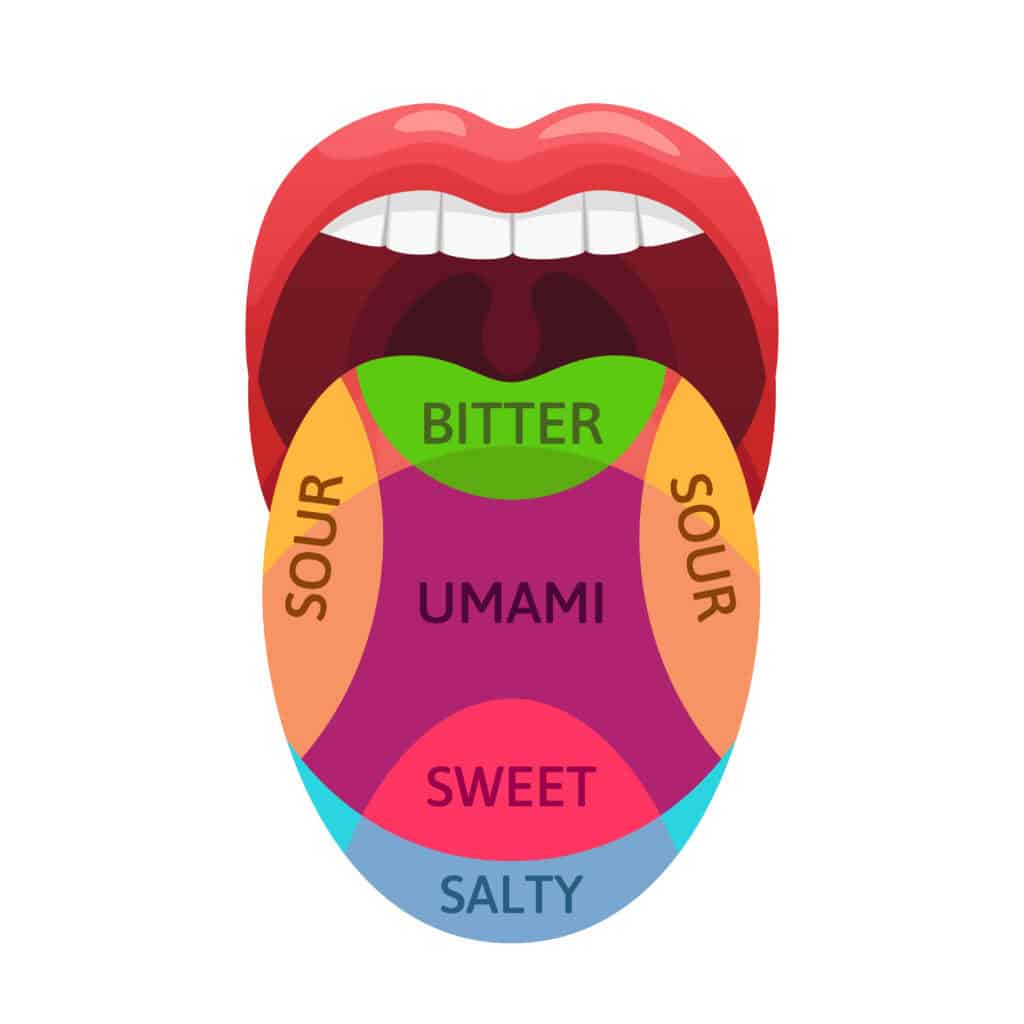
Cancer changes everything—especially your sense of taste. After treatment, I discovered that my favorite foods tasted “off.” Sweet foods tasted metallic. Spices burned. Even plain water sometimes carried a chemical aftertaste.
But here’s the beautiful twist: taste buds can relearn. Your body adapts when given grace and time.
Here are gentle ways to reintroduce flavor:
- Try cold foods like smoothies, yogurt, or fruit purées—they’re soothing and easy to swallow.
- Add a squeeze of lemon or vinegar to brighten bland foods.
- Use herbs like mint, basil, or parsley for freshness.
- Avoid strong seasonings or greasy foods—they can trigger nausea or reflux.
This phase is all about discovery. What once disgusted you may become your new favorite comfort food. I used to hate oatmeal, but it became my go-to breakfast because it was warm, gentle, and forgiving.
Remember: your body has changed, but that doesn’t mean your joy in eating is gone. It just looks different now.
7. STAY NOURISHED AND SEEK HELP EARLY
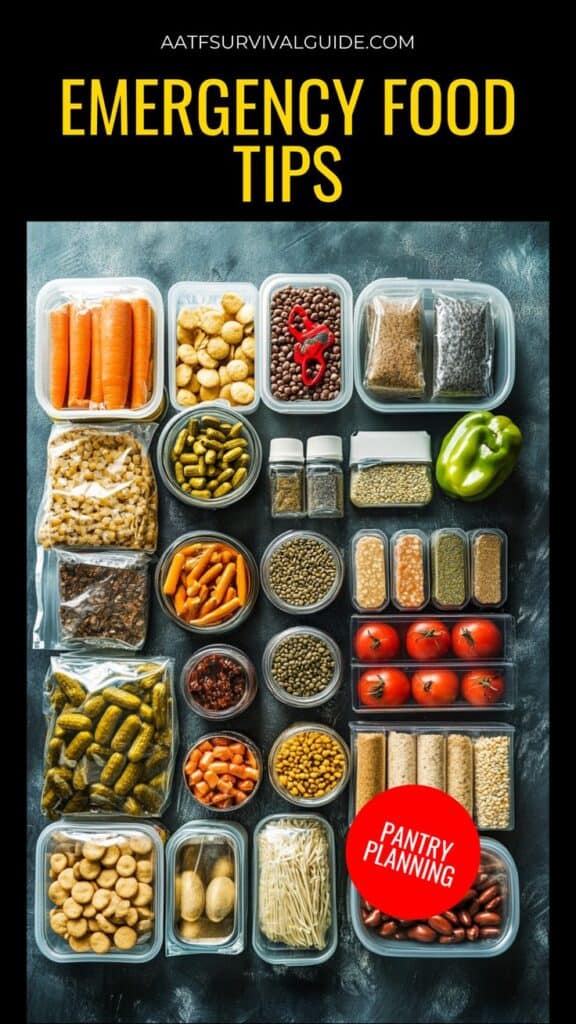
Managing an esophagus stricture diet is a balancing act between eating safely and getting enough nutrition.
If you find yourself losing weight or feeling fatigued, don’t ignore it. Sometimes your esophagus needs medical help, like a dilation procedure—a gentle stretching done by your gastroenterologist to widen the narrowed area.
Meanwhile, focus on foods that keep you strong:
- Protein shakes or smoothies with milk, nut butter, and fruit.
- Soft scrambled eggs or custards.
- Mashed beans or lentils.
- Moist fish like salmon or tilapia.
- Plenty of water and warm liquids to relax the throat.
Hydration matters more than you think. Warm teas or soups can help loosen the muscles around your esophagus, making swallowing easier.
And if you feel stuck—emotionally or physically—reach out to a speech or swallowing therapist. You don’t have to go through this alone. article concerning soft food diet click here :https://www.cedars-sinai.org/blog/esophageal-soft-diet-guidelines.html
PATCHAID VITAMIN PATCH CORNER + PRAYER SUPPORT

When your esophagus limits your ability to swallow, even simple vitamins can feel impossible. That’s why I use PatchAid Vitamin Patches—my secret weapon for staying nourished.
💛 Why I love them:
- No swallowing needed
- Apply at night on clean, dry skin
- Peel off in the morning—done!
After my surgery, bloodwork confirmed my levels stayed strong with these patches. It gave me peace knowing my body was supported even when food was limited.
👉 If swallowing vitamins is a daily battle, try PatchAid—it’s an effortless way to get nutrients while honoring your healing journey. get 40% off https://patchaid.com/?dt_id=2603960&utm_source=affiliate

🙏 THE PRAYER WALL: WHERE HOPE LIVES
You don’t have to fight your swallowing battles alone. My online Prayer Wall was created for moments just like this. When frustration builds, post your prayer request. Whether it’s gratitude for one pain-free meal or hope for healing, others will lift you up in prayer.
We were never meant to carry pain alone. Through prayer, community, and faith, we find strength together. 💗 VISIT THE PRAYER WALL HERE →https://texaskkstompscancer.com/prayer-wall-esophagus-cancer/

FINAL THOUGHTS: YOU’RE NOT ALONE
Living with an esophagus stricture diet is a journey—sometimes long, often lonely, but filled with unexpected blessings. Each swallow, each bite, each breakthrough reminds you that your body is still fighting, still healing, still yours.
Be patient with yourself. Cry when you need to. Laugh when you can. Pray always.
One day, you’ll look back and see how far you’ve come—not just in how you eat, but in how you live.
Healing isn’t just about your throat—it’s about your heart.
You are stronger, softer, and more resilient than you know.