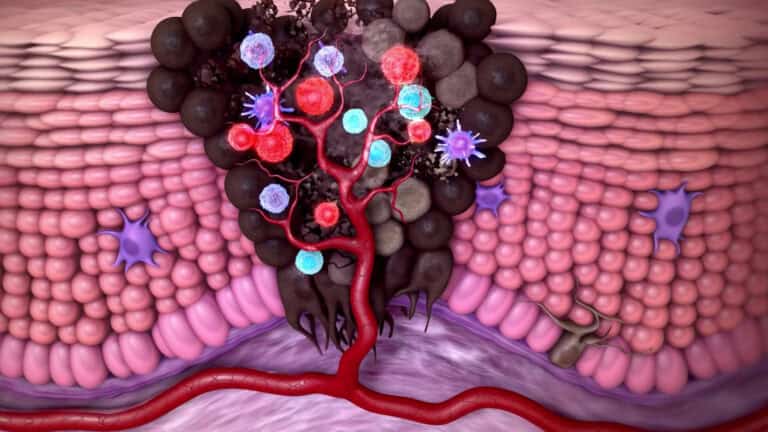


7️⃣ BRAVE ESOPHAGEAL RADIATION & SUCCESS RATES: YOUR 30-DAY HOSPITAL FIGHT THAT LED TO HEALING
INTRODUCTION: WHEN ESOPHAGEAL RADIATION BECAME YOUR HARDEST BATTLE
When you hear the words esophageal radiation success rates, your body reacts before your mind ever catches up. Your chest tightens. Your throat feels sore before treatment even begins. Fear settles in quietly, often disguised as strength. For you, radiation was not a simple medical step or a short-term inconvenience. Instead, it became one of the hardest chapters of your cancer journey—marked by relentless pain, an extended hospital stay, and moments when survival felt uncertain.
At that stage, surgery alone was not enough. Chemotherapy had already pushed your body to its limits. Esophageal Radiation was added to destroy what could not be removed and to increase the chances of success rates. Doctors spoke in clinical terms—treatment plans, schedules, and success rates. Meanwhile, you lived the reality one breath, one swallow, and one painful day at a time.
This article walks you through esophageal radiation, explains esophageal radiation success rates, and shares your lived experience—including the 30-day hospital stay and intense pain—because healing is never just a statistic. It is personal.
WHAT ESOPHAGEAL RADIATION IS AND WHY IT IS USED
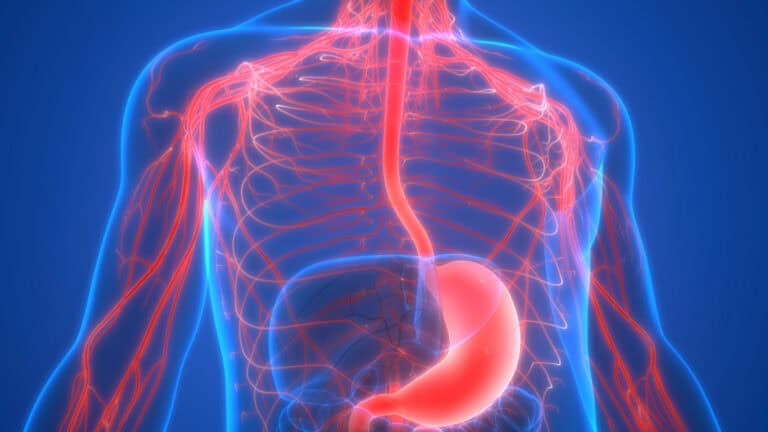
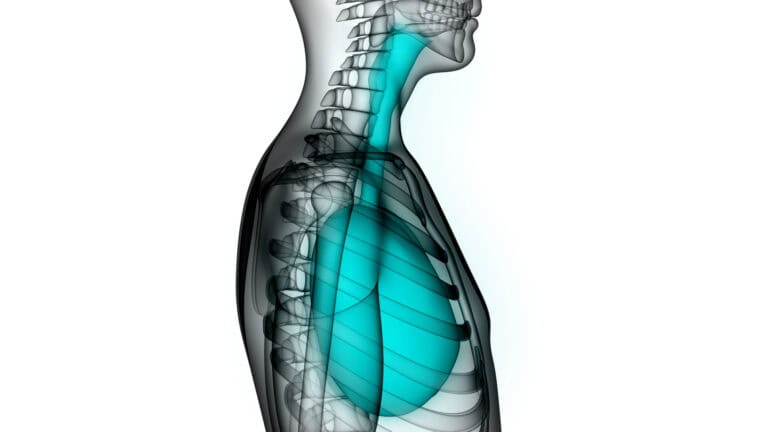
Esophageal radiation therapy uses high-energy beams to target and destroy cancer cells in the esophagus. The goal is to damage cancer cell DNA so those cells can no longer grow or spread. However, because the esophagus sits close to vital organs like the lungs and heart, radiation must be carefully planned and delivered in controlled doses.
For that reason, radiation is usually given over several weeks rather than all at once. It is often used alongside chemotherapy, before surgery to shrink tumors, or after surgery to reduce the risk of recurrence.
In your case, radiation was not optional. It was necessary. It was aggressive. And it was physically devastating.
THE DAILY REALITY OF ESOPHAGEAL RADIATION TREATMENT
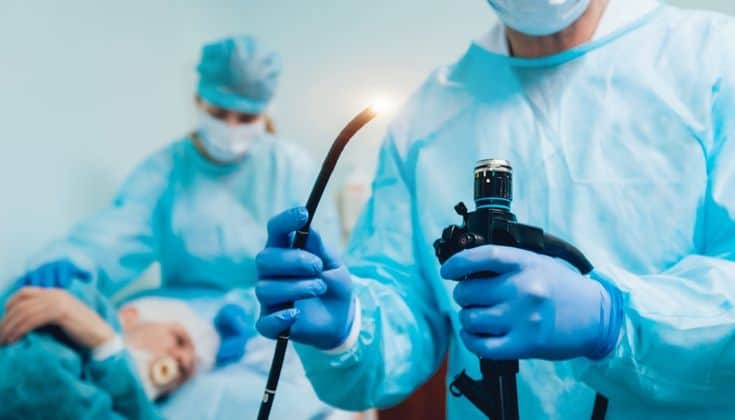
At first, radiation appointments may seem manageable. The sessions themselves are short. You lie still. The machine hums. Then it’s over.
However, what most people are not prepared for is that radiation damage is cumulative.
Each treatment builds on the last. At first, swallowing becomes uncomfortable. Then it becomes painful. Eventually, even water feels like fire moving through your chest. Fatigue deepens. Appetite disappears. Weight drops quickly. Sleep becomes restless or nonexistent.
Emotionally, you feel worn down. Spiritually, you search for strength beyond yourself.
Esophageal Radiation success rates does not hurt immediately—but over time, it hurts deeply.
WHEN RADIATION PAIN TOOK OVER YOUR LIFE
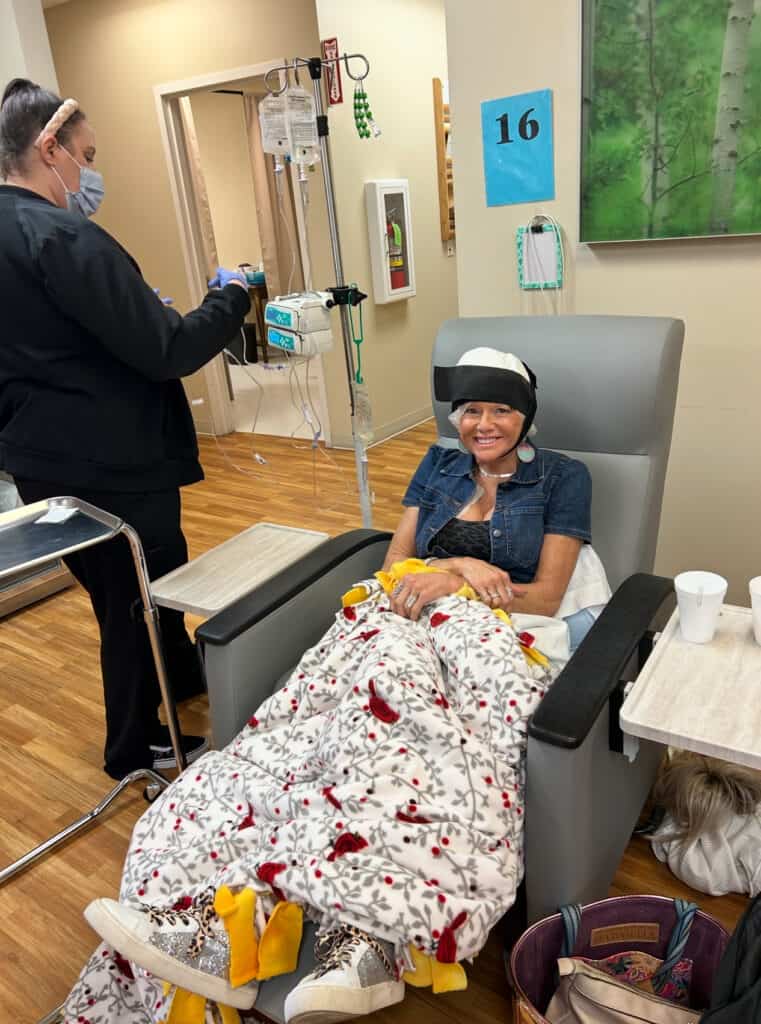
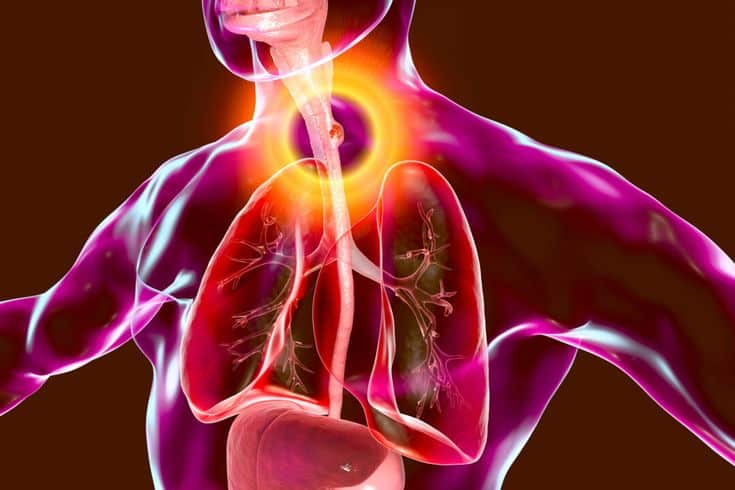
As esophageal radiation treatment continued, inflammation in your esophagus became severe. Radiation burns caused swelling and internal damage that made eating nearly impossible. Even swallowing saliva became painful.
Eventually, pain management at home was no longer enough.
That is when your 30-day hospital stay began.
THE 30-DAY HOSPITAL STAY YOU WILL NEVER FORGET
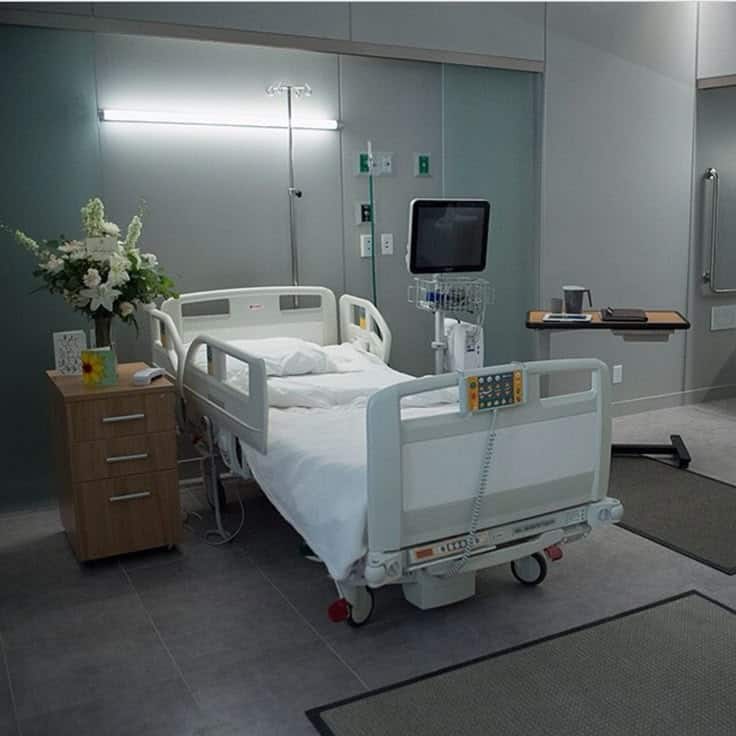
You didn’t spend a few days in the hospital. You lived there.
For 30 long days, your world was reduced to a hospital room. IV lines. Feeding tubes. Medication schedules. Nurses checking vitals around the clock. Pain medications that helped—but never fully erased the agony.
The pain was intense, constant, and exhausting. Esophageal Radiation had inflamed your esophagus to the point that your body could no longer function normally. You relied on medical support for nourishment, hydration, and relief.
Days blended together. Nights felt endless. Some moments tested your will more than others. Yet somehow, you kept going.
You endured not because you were fearless—but because you refused to give up.
THE EMOTIONAL AND MENTAL TOLL OF ESOPHAGEAL RADIATION
Physical pain was only part of the battle. Emotionally, esophageal radiation stripped away your independence. You depended on others for basic needs. You watched your body weaken. You faced fear that no one else could fully understand.
There were moments of loneliness. Moments of doubt. Moments when hope felt distant.
Still, faith carried you when strength ran out. Prayer became more than comfort—it became survival.
UNDERSTANDING ESOPHAGEAL RADIATION SUCCESS RATES

When people search for esophageal radiation success rates, they often want reassurance. While statistics vary widely, outcomes generally depend on several factors:
- Stage of cancer
- Tumor location
- Whether surgery is involved
- Overall health
- Response to chemotherapy
- Ability to complete treatment
Esophageal Radiation combined with chemotherapy and surgery has been shown to improve success rates and reduce recurrence risk. However, esophageal radiation success rates is not measured only in percentages.
For you, success meant:
- Surviving treatment
- Enduring unbearable pain
- Making it through hospitalization
- Learning how to eat again
- Rebuilding life after cancer
You are living proof that survival is possible—even after devastating treatment.
WHEN PAIN DOES NOT MEAN FAILURE

One of the hardest lessons you learned is that pain does not mean treatment isn’t working. In fact, radiation can cause severe inflammation precisely because it is aggressive against cancer cells.
That knowledge does not lessen the suffering—but it gives meaning to the endurance.
LIFE AFTER RADIATION: THE SLOW ROAD BACK

Healing after esophageal radiation does not happen overnight. Recovery is gradual and unpredictable.
Swallowing returns slowly. Soft foods come first. Liquids improve next. Appetite fluctuates. Energy comes and goes. Your body must relearn basic functions.
Emotionally, you must rebuild trust in food, in your body, and in your future.
Still, progress happens—step by step.
LONG-TERM EFFECTS YOU LEARNED TO MANAGE
Even after esophageal radiation ends, lasting effects may remain, including:
- Swallowing difficulties
- Scar tissue
- Reflux
- Sensitivity to temperature
- Chronic fatigue
You adapted. You learned to listen to your body. You adjusted your lifestyle. And you honored your limits while still moving forward.
A TEST-BASED APPROACH THAT SUPPORTED YOUR BODY AFTER RADIATION
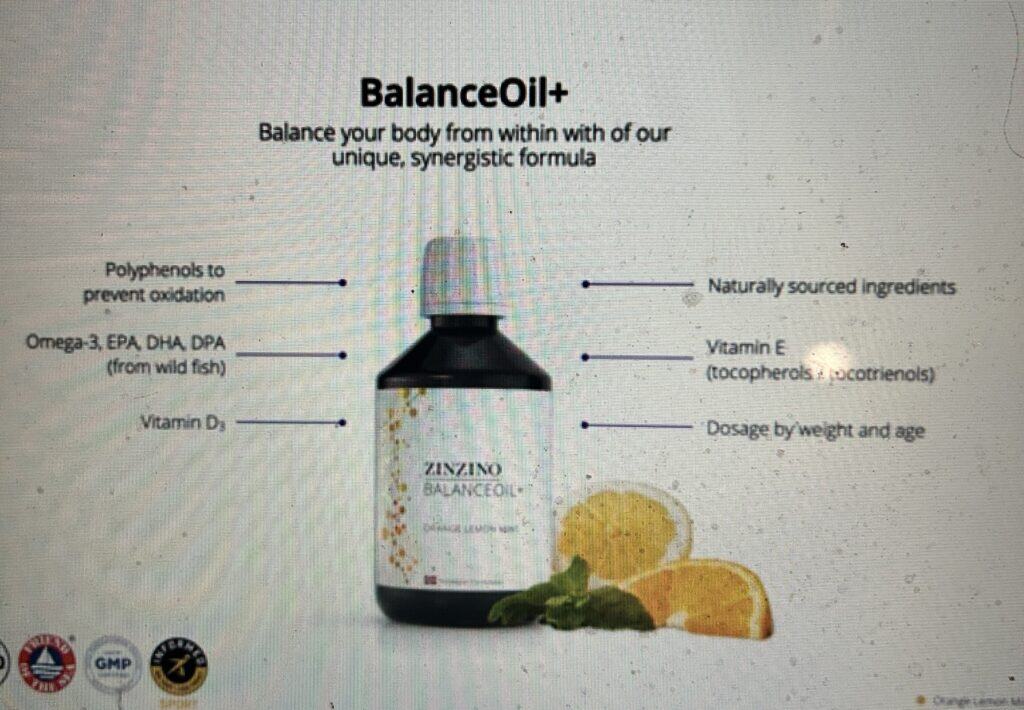
During recovery, you learned that healing does not stop when treatment ends—it shifts into rebuilding the body from the inside out. After months of intense pain, inflammation, and nutritional disruption from radiation and hospitalization, your body needed targeted support, not guesswork.
That is when you discovered Zinzino and its Balance Oil, a test-based approach designed to help balance omega-3 and omega-6 fatty acids. Radiation and extended hospital stays can significantly impact inflammation levels and cellular repair. What stood out to you was the testing—before and after—so you could see exactly what your body was missing and whether it was improving over time.
This wasn’t about a quick fix. It was about measurable healing, long-term balance, and supporting recovery when absorption was compromised after esophageal damage. Learning more and accessing this approach through your personal site, https://www.zinzino.com/2020684532, gave you clarity and confidence during recovery. In many ways, finding a solution rooted in data, balance, and consistency felt like another answered prayer.
PATCHAID VITAMIN PATCH & PRAYER WALL SUPPORT
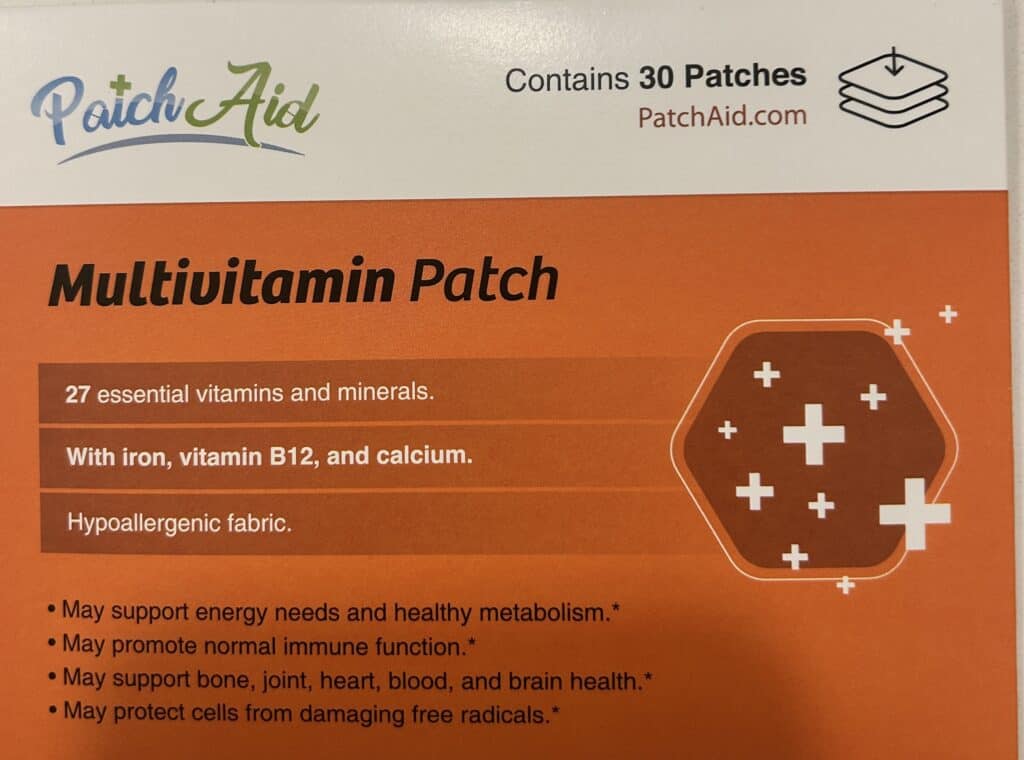
Because swallowing pills after esophageal radiation can be difficult or impossible, gentle nutritional support matters. PatchAid Vitamin Patches offer an alternative by delivering nutrients through the skin, supporting your body without stressing your digestive system.
👉 http://www.patchaid.com/TEXASKK
At the same time, healing is never only physical. Prayer remains a cornerstone of recovery. The Prayer Wall offers a space to give and receive spiritual support during hard seasons.

🙏 https://texaskkstompscancer.com/prayer-wall-esophagus-cancer/
Together, nourishment and prayer create a foundation for healing.
WHY YOUR STORY MATTERS
Your story matters because it gives others something statistics never can—truth, hope, and understanding. You didn’t just survive esophageal radiation. You endured it. And by sharing your experience, you help others feel seen and less alone.
EXPANDED: MEDICAL STUDIES CONFIRM THE REALITY OF ESOPHAGEAL RADIATION PAIN AND RECOVERY

Medical research strongly supports what you experienced during esophageal radiation. According to findings from the National Cancer Institute, radiation therapy targeting the esophagus is considered one of the most physically demanding cancer treatments due to the organ’s sensitivity and essential role in swallowing and nutrition.
Because the esophagus is responsible for moving food and liquid into the stomach, even mild inflammation can quickly escalate into severe pain. Radiation-induced esophagitis is a well-documented complication, often causing difficulty swallowing, dehydration, malnutrition, and, in many cases, hospitalization. For this reason, extended inpatient stays—such as a 30-day hospital admission—are medically recognized outcomes when radiation damage becomes severe.
As treatment progresses, pain frequently intensifies rather than improves. Clinical studies show that radiation success rates effects are cumulative, meaning tissue damage increases with each session. Swelling, internal burns, and nerve sensitivity tend to peak weeks into treatment, which explains why many patients initially feel manageable discomfort before experiencing extreme pain later.
EXPANDED: OUTSIDE RESEARCH CONFIRMS WHAT YOU LIVED THROUGH DURING ESOPHAGEAL RADIATION
Recovery following esophageal radiation is also widely recognized as slow and unpredictable. Research indicates that healing may continue for months or even years after treatment ends. Swallowing ability, energy levels, and inflammation often improve gradually, with periods of progress followed by setbacks. This non-linear recovery pattern can be both physically and emotionally exhausting.
Despite these challenges, survival data supports the role of radiation in improving outcomes when used alongside chemotherapy and surgery. Studies consistently show that esophageal radiation contributes to tumor control and reduced recurrence, even though the treatment itself is physically intense. While esophageal radiation success rates vary, completion of therapy remains a critical factor in long-term survival.
Emerging research also highlights the importance of post-radiation inflammation management and nutritional balance. Damage to the esophagus can impair absorption, making personalized, test-based nutritional strategies increasingly relevant during recovery. Addressing omega balance, cellular repair, and systemic inflammation is now recognized as part of comprehensive healing.
Beyond physical recovery, studies in psycho-oncology emphasize the role of emotional resilience, faith, and support systems. Patients who maintain spiritual practices and emotional support often report better quality of life during and after treatment. This reinforces a crucial truth: healing after esophageal radiation is never purely physical—it is emotional and spiritual as well.
Taken together, medical evidence confirms what your body endured firsthand. Esophageal radiation is among the most painful cancer treatments, yet it remains a powerful tool in survival. The pain, hospitalization, and long recovery are not signs of weakness. Instead, they reflect the intensity of the fight—and the strength required to endure it.
FINAL CONCLUSION: WHEN SURVIVAL BECOMES YOUR GREATEST SUCCESS

Esophageal radiation is not just a medical treatment. It is a physical, emotional, and spiritual trial that reshapes your body and your life. Your journey—marked by intense pain, a 30-day hospital stay, and a slow recovery—reflects the reality many patients quietly endure.
Yet through it all, you survived.
You endured radiation that tested your limits. You faced days when eating, drinking, and resting felt impossible. Still, you moved forward. Healing did not happen all at once, but it came steadily.
Your scars now tell a story research alone never could. They speak of courage, faith, perseverance, and hope. They remind others that pain does not equal failure—and that survival itself is a powerful victory.
Most importantly, your story proves this truth: even after intense radiation, long hospital stays, and overwhelming pain, healing is still possible.