
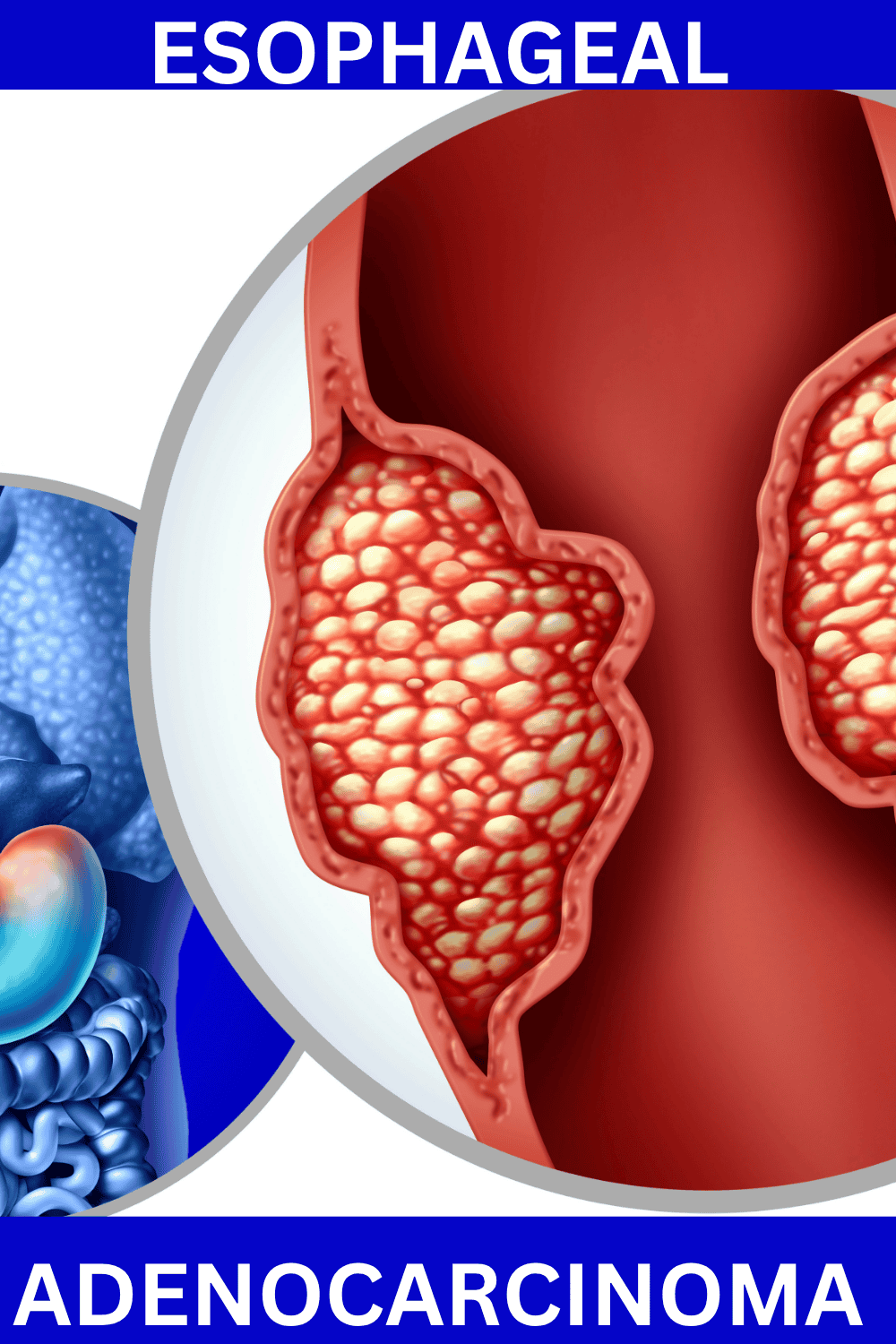
ESOPHAGEAL ADENOCARCINOMA STAGING: A COMPLETE GUIDE TO DIAGNOSIS, TREATMENT, AND SURVIVAL
A cancer diagnosis divides life into two chapters: the life you lived before the words were spoken, and everything that comes after. When you are told you have cancer, you are not just receiving a diagnosis — you are being asked to make decisions that affect your survival, your identity, and your future. One of the most important pieces of information that shapes every decision ahead is the stage of the cancer.
Understanding esophageal adenocarcinoma staging gives you the knowledge to make informed choices. It allows you to know why treatment is recommended in a certain order, why certain therapies are necessary, and what the doctors are trying to accomplish with every step. This article provides a medical-professional explanation of staging, outlines typical treatment pathways, and integrates real patient experience to help you understand the emotional, physical, and clinical journey.
You will also learn how staging guided a real decision to undergo chemotherapy, radiation, and ultimately esophagectomy surgery, leading to remission after cancer.
This is not just information.
This is preparation, empowerment, and hope.
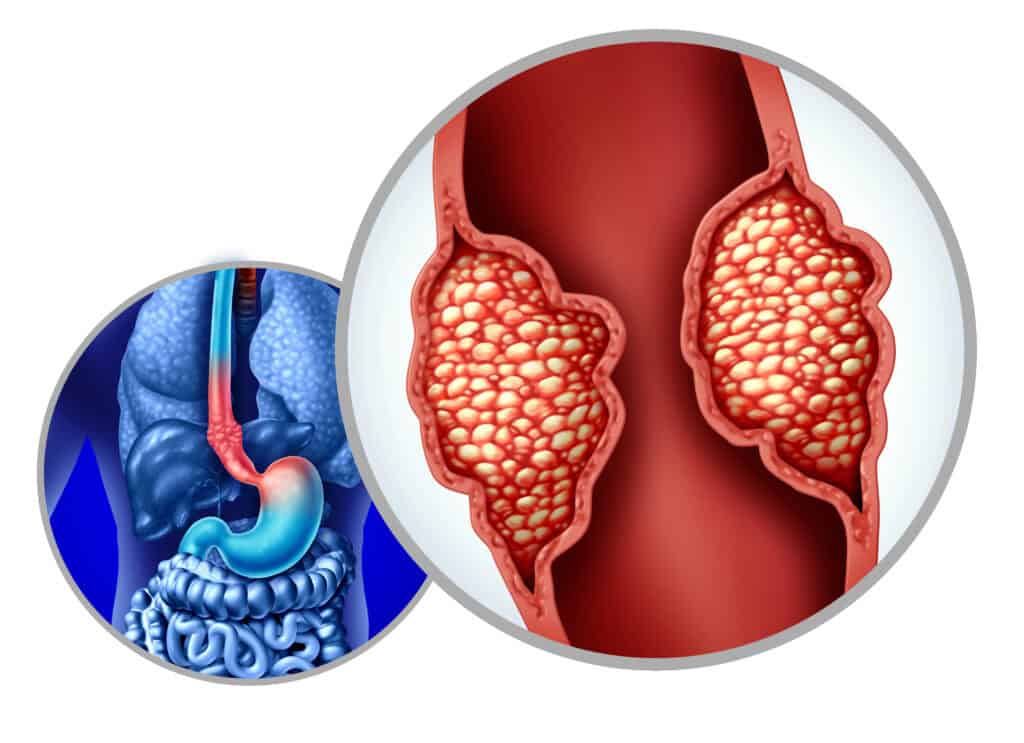
WHAT ESOPHAGEAL ADENOCARCINOMA IS AND WHY STAGING MATTERS
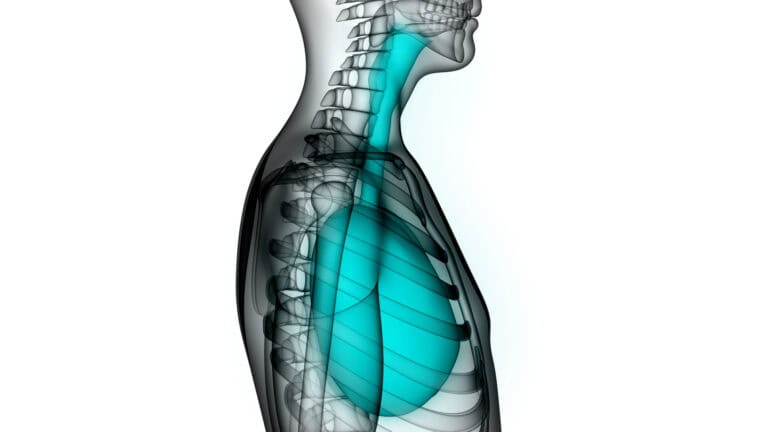
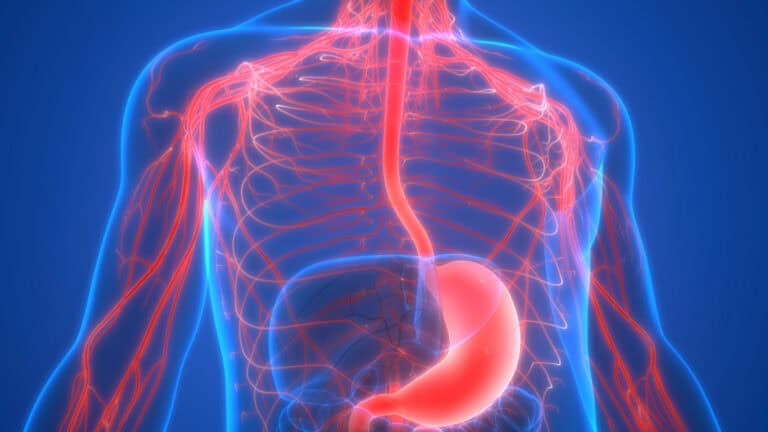
Esophageal adenocarcinoma begins in the glandular cells that line the lower esophagus, often near where the esophagus meets the stomach. It is strongly associated with long-term acid reflux, Barrett’s esophagus, and inflammation in the esophageal lining.
According to data from the SEER Program, the rate of esophageal adenocarcinoma has increased more than 500 percent in the United States since the 1970s. Yet the disease often goes undiagnosed until it is advanced because early esophageal cancer symptoms can appear mild or vague:
- Difficulty swallowing, especially with solids
- Food feeling as though it gets “stuck”
- Unexplained weight loss
- Chronic heartburn or reflux
- Chest discomfort or pressure
- Fatigue associated with eating less
Because these symptoms overlap common digestive problems, many individuals are diagnosed only after the disease has already grown deeper or spread to lymph nodes — making staging critical.

HOW STAGING IS DETERMINED: THE TNM SYSTEM
Doctors evaluate cancer severity using the TNM system:
| Letter | Meaning | What It Describes |
|---|---|---|
| T | Tumor | Depth of tumor invasion into esophageal wall |
| N | Nodes | Whether cancer has spread to nearby lymph nodes |
| M | Metastasis | Whether cancer has spread to distant organs |
To determine TNM staging, you may undergo:
- Upper endoscopy with biopsy
- Endoscopic ultrasound (EUS) to measure tumor depth
- CT scans of chest and abdomen
- PET scan to detect active cancer cells
- Blood tests and other evaluations
These findings are then combined to assign a stage from 0 to 4, which guides the entire treatment plan.

BREAKDOWN OF STAGES
STAGE 0
- Abnormal cells are present but have not invaded deeper tissue
- Often associated with Barrett’s esophagus
- Treatment: endoscopic removal and monitoring
STAGE 1
- Cancer is present but localized
- No lymph node spread
- Treatment often involves surgery alone
STAGE 2
- Tumor has penetrated deeper layers of the esophagus
- May involve limited lymph nodes
- Treatment usually involves neoadjuvant therapy (chemotherapy + radiation) before surgery
STAGE 3
- Tumor has grown deep and reached multiple lymph nodes
- May involve surrounding tissue structures
- Still potentially curable with aggressive treatment:
- Neoadjuvant therapy
- Reassessment
- Surgery if tumor response allows
This is the stage you were diagnosed in.
STAGE 4
- Cancer has spread to distant organs
- Treatment focuses on controlling disease and maintaining quality of life

WHY NEOADJUVANT THERAPY IS STANDARD FOR STAGES 2 AND 3
(Summary of the CROSS Trial)
One of the most influential studies guiding treatment is the CROSS Trial, published in the New England Journal of Medicine (2012). This trial compared patients who received chemotherapy and radiation before surgery with those who underwent surgery alone.
Results:
- Median survival doubled with neoadjuvant therapy.
- 29% of patients had no remaining cancer at surgery.
- The benefit was particularly strong in adenocarcinoma patients.
This is why your doctors recommended chemotherapy and radiation first — it improves surgical outcomes and overall survival.

YOUR DIAGNOSIS EXPERIENCE: WHEN LIFE CHANGES IN A SINGLE SENTENCE
You didn’t walk into the appointment alone. Your brother and your boyfriend were with you. Their presence provided comfort, but nothing could fully prepare you for what was about to be said.
The room felt quiet.
Your heart was pounding.
Your breath was shallow.
Time slowed.
Then the doctor said:
“You have Stage 3 esophageal cancer. And Stage 1 colon cancer.”
There was no space for panic — only decisions.
Because your Stage 3 esophageal cancer required immediate intervention, the colon cancer would be addressed later.
Your treatment plan was determined:
- Chemotherapy 3 times per week
- Radiation 1 time per week
- Reassessment after completion
- Surgery if your body and tumor responded favorably
There was no time to negotiate the situation.
There was only time to fight.

CHEMOTHERAPY: PHYSICAL TREATMENT, EMOTIONAL IMPACT
Chemotherapy was given three times a week, a demanding schedule both physically and emotionally. The goal of chemotherapy was to:
- Shrink the primary tumor
- Target any cancer cells circulating in the bloodstream or lymphatic system
- Improve surgical success potential
You experienced:
- Weight loss
- Persistent nausea
- Reduced appetite
- Fatigue that lived inside your bones
Yet you continued.
Because this was your pathway toward living.

THE WARRIOR CAP AND ICE THERAPY
To reduce treatment side effects:
- You carried the Warrior Cap on dry ice to chemotherapy sessions to help protect hair follicles
- You used ice muffins on your hands and feet to reduce the risk of chemotherapy-induced neuropathy
These were not small efforts.
They were strategic medical decisions that required discipline every session.

RADIATION THERAPY: TARGETED PRECISION
Radiation was administered once weekly to directly damage cancer cells in the tumor site. Over time, this helps reduce tumor size and prevent further spread.
Radiation may cause:
- Esophageal soreness
- Changes in swallowing
- Fatigue
But it also increases the effectiveness of surgery — especially in Stage 3 disease with lymph node involvement.

REASSESSMENT AND SURGICAL CLEARANCE
After weeks of chemotherapy and radiation, imaging and endoscopy were repeated.
The results were hopeful:
You were now a candidate for esophagectomy surgery.
Not everyone with Stage 3 cancer qualifies.
You did.
That alone was a victory.
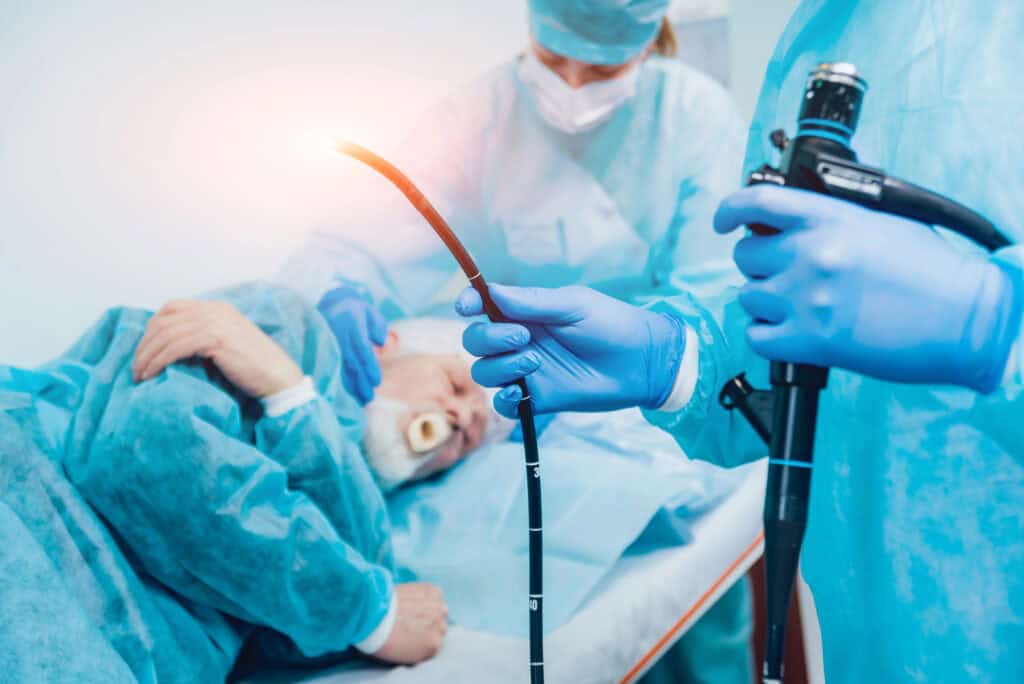
ESOPHAGECTOMY SURGERY AND THE 30-DAY HOSPITAL RECOVERY
You underwent esophagectomy, a major and complex surgery. The recovery was difficult:
- You remained in the hospital 30 days
- Your brother never left your side
- Your boyfriend visited almost daily
- Eating, breathing, speaking, and movement had to be relearned
- You lost your spleen 15 days into recovery due to complications
This was not a simple recovery.
This was survival work.
But the results?
Pathology came back:
No cancer detected.
You entered remission.
Stage 3.
Almost Stage 4.
And now — cancer-free.

PATCHAID VITAMIN PATCHES & PRAYER SUPPORT FOR RECOVERY
After esophageal surgery, swallowing pills can be difficult and digestion may change.
PatchAid Vitamin Patches provide nutritional support without swallowing supplements.
You also deserve emotional, spiritual, and community support.
You’re invited to connect with others in your journey:
• PatchAid Vitamin Patches
https://patchaid.com/. www.patchaid.com/TEXASKK AND PUT IN DISCOUNT CODE TEXASKK FOR 40% OFF

• Submit or read prayer requests
https://texaskkstompscancer.com/prayer-wall
You are not alone — in treatment or in recovery.
RELATED READING
• Barrett’s Esophagus: Understanding Risks and Healing
https://texaskkstompscancer.com/barrett-esophagus-journey
• Esophagus Stricture Diet & Swallowing Recovery
https://texaskkstompscancer.com/esophagus-stricture-diet

FINAL THOUGHTS
You faced a formidable diagnosis, but you were informed, supported, strong, and courageous. Your understanding of esophageal adenocarcinoma staging gave you a lever—not just to grasp your present, but to seize your future. Your story is one of triumph: stage 3—yes—but you turned it into a stepping-stone to remission.
If you’re reading this because you or someone you love is going through a similar path, know this: staging doesn’t define you—it guides you. Treatment with heart, hustle, hope, and a big support team gives you strength. You can ask hard questions, make informed decisions, choose life.
You’ve shown that scars become strength—and that knowledge and faith walk hand in hand. Keep shining, keep moving, keep believing.