
AWESOME INSIGHT: THE EPIDEMIOLOGY OF ESOPHAGUS CANCER
When you hear the term “epidemiology of esophagus cancer,” it might sound like something reserved for doctors, scientists, or research journals. But for me, those numbers became personal. After years of acid reflux, constant heartburn, and moments of pain I brushed off as “just life,” I learned firsthand how crucial awareness really is.
This isn’t just about data—it’s about people like you and me, living stories behind every statistic. Today, I’ll take you through what experts know about esophagus cancer, while sharing pieces of my own journey of endurance, faith, and recovery.
WHAT “EPIDEMIOLOGY” REALLY MEANS
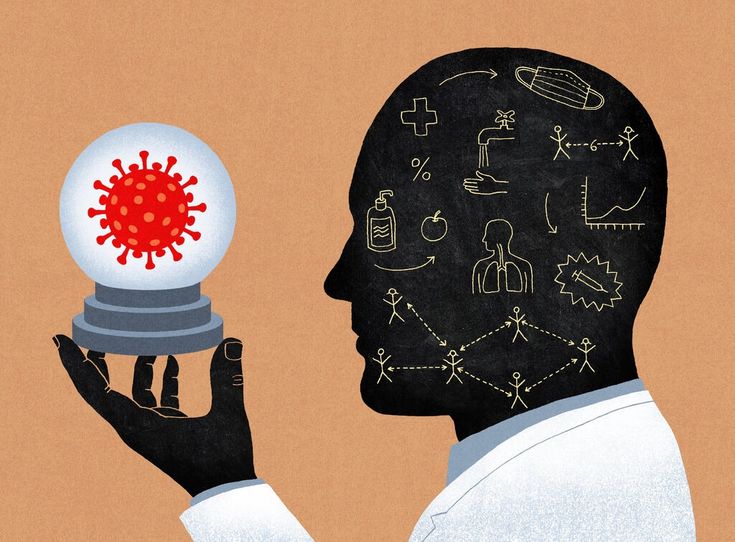
The epidemiology of esophagus cancer is the scientific study of who gets the disease, where, when, and why. It’s how researchers identify patterns, causes, and ways to prevent and treat it. But behind those data tables are human hearts—like mine—that fought for every breath and meal.
When my doctors diagnosed me with esophageal adenocarcinoma, I didn’t even understand what “epidemiology” meant. I just knew my life had split into “before” and “after.” Later, as I learned more, I realized my story wasn’t isolated—it was part of a much bigger picture.
GLOBAL AND LOCAL INCIDENCE
Worldwide, about 604,000 people are diagnosed with esophagus cancer each year. In the U.S., roughly 4 out of every 100,000 people are newly diagnosed annually. This is called the esophageal cancer incidence rate.
Each one of those “numbers” represents someone’s father, mother, friend—or, in my case, a grandmother and Texas Realtor who loved tennis, horses, and showing ranch homes.
I remember one Thanksgiving so clearly—my family gathered around the table, laughter filling the air, and the Dallas Cowboys game about to kick off. I was all decked out in my Cowboys gear but couldn’t eat a bite. The reflux pain in my chest was unbearable, and I ended up on the couch praying for relief. That moment, I didn’t know it yet, but my body was crying out for help long before my diagnosis.
WHO IS MOST AFFECTED
Statistically, men over 55 are most often diagnosed. They make up nearly 70% of global cases. However, as I learned, women aren’t immune. We often ignore symptoms—too busy caring for everyone else.
The epidemiology of esophagus cancer also shows sharp differences by location:
- High rates occur in parts of China, Iran, and East Africa.
- In the U.S. and U.K., cases are climbing because of obesity and chronic acid reflux.
For me, alcohol and reflux was the root cause. It was brushed off for years until it turned into something much more serious. I was an active, fit, go-getter woman who thought cancer couldn’t possibly happen to me. But statistics don’t check résumés—they reflect choices, genetics, and grace.
TWO MAIN TYPES OF ESOPHAGEAL CANCER
Understanding the types helps us grasp how differently the disease behaves around the world.
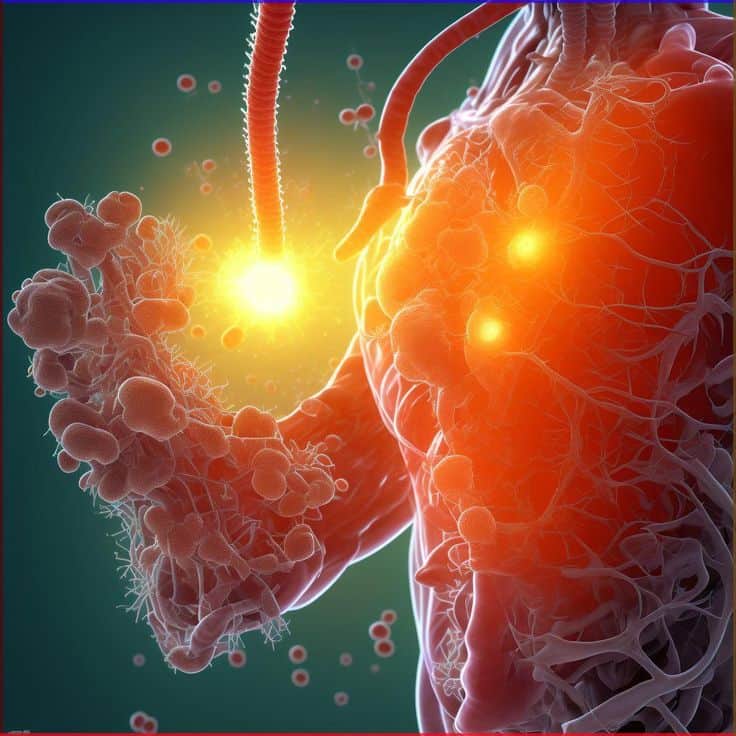
- Esophageal Squamous Cell Carcinoma (ESCC) – Found more in Asia and Africa, often linked to smoking, alcohol, and drinking very hot beverages.
- Esophageal Adenocarcinoma (EAC) – Found mostly in Western countries and often connected to obesity, reflux, and Barrett’s esophagus.
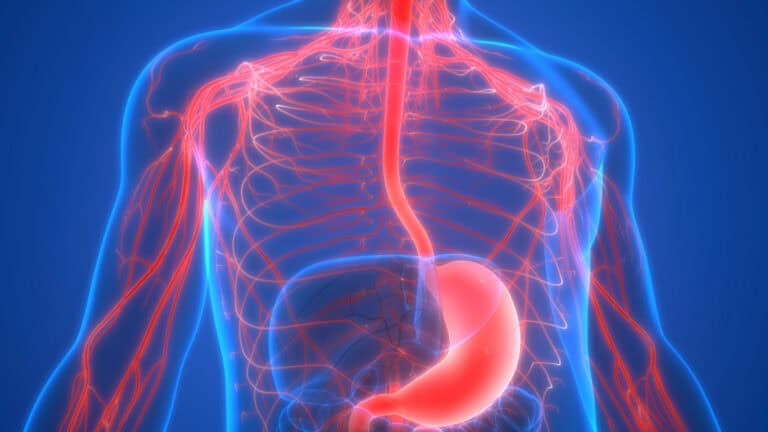
I had EAC. My surgeon explained how years of reflux caused cell changes in my lower esophagus, slowly turning healthy tissue into a problem that couldn’t be ignored. The surgery was long, intense, and life-changing. But as hard as it was—God never left my side.
RISK FACTORS FOR ESOPHAGEAL CANCER
Research highlights several known risk factors. Some can be changed; others can’t.
Lifestyle and Environmental Risks:
- Smoking and chewing tobacco
- Heavy alcohol use
- Frequent consumption of scalding-hot drinks
- Diet low in fruits and vegetables
- Chronic acid reflux (GERD) or Barrett’s esophagus
- Obesity and poor eating habits
Genetic and Medical Risks:
- Family history of gastrointestinal cancers
- Previous radiation therapy to the chest
I fit several of these categories—especially reflux and stress-driven eating. I used to drink scalding coffee between showings and skip meals, thinking “I’ll eat later.” That “later” came in the form of surgery, recovery, and a reconstructed esophagus that changed how I live today.
THE JOURNEY THROUGH SURGERY AND HEALING
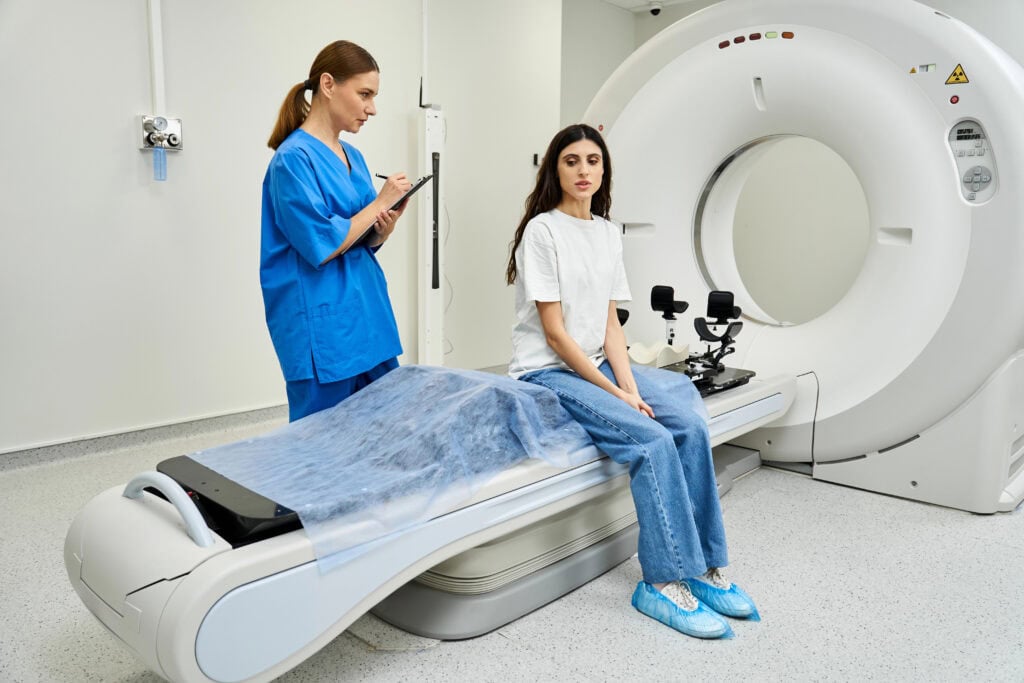
After my diagnosis, I spent 30 days in the hospital. My chest was opened, my spleen removed, and part of my stomach was attached higher into my chest to replace my esophagus. I required blood transfusions and round-the-clock care.
When I first woke up, I could barely whisper. My voice felt locked inside. I learned to breathe deeply through my diaphragm, using air to speak instead of strain. Each small sound felt like victory.
Even swallowing water was painful. My taste buds changed—foods I once loved made me nauseous. Through trial and error, I found new comfort foods like edamame, soft and protein-rich, that went down easily. That became my “miracle snack.”
Recovery wasn’t easy—but God walked every hallway with me.

GLOBAL BURDEN AND FUTURE PROJECTIONS
The global burden of esophageal cancer continues to rise, particularly in developing regions. Projections estimate nearly one million new cases by 2040, with deaths increasing to over 900,000 annually.
However, there is hope. As awareness grows and more people treat reflux early, many cases can be prevented or detected sooner. This is where you come in. Whether you’re reading this for yourself or someone you love, sharing knowledge saves lives.

WHY TRENDS AND DATA MATTER
You might wonder why I mix statistics with my story. Because the epidemiology of esophagus cancer helps doctors and survivors see progress. Trends show:
- In the U.S., squamous cell cancer is decreasing thanks to lower smoking rates.
- Adenocarcinoma is still rising but stabilizing with better reflux management.
- Survival rates improve when diagnosis happens earlier.
Data helps guide treatment; faith helps carry you through it.

LIVING WITH NEW LIMITATIONS
After surgery, my eating habits changed forever. Small, frequent meals replaced the “big Texas dinners” I once loved. I can’t lie down right after eating, and I must eat slowly, allowing each bite to move carefully through my reconstructed esophagus.
I also had to rebuild my immune system after losing my spleen. Infections are easier to catch, so I stay cautious—but grateful. Life feels more fragile now, yet somehow more beautiful.
I often tell my clients and friends: “Your health is your first home. Take care of it before buying a bigger one.”

FAITH: MY FOUNDATION THROUGH THE FIGHT
There were nights I cried so hard that only scripture soothed me. I’d whisper Psalm 34:18—“The Lord is close to the brokenhearted and saves those who are crushed in spirit.”
God carried me when I couldn’t carry myself. He gave me Bruce, my loving partner, my family, and my faith community that prayed me through recovery.
Faith didn’t remove the storm—it steadied my ship.
That’s why I now write about hope as much as healing. Because data may explain what happened, but faith explains why I’m still here.
PATCHAID VITAMIN PATCH & PRAYER WALL
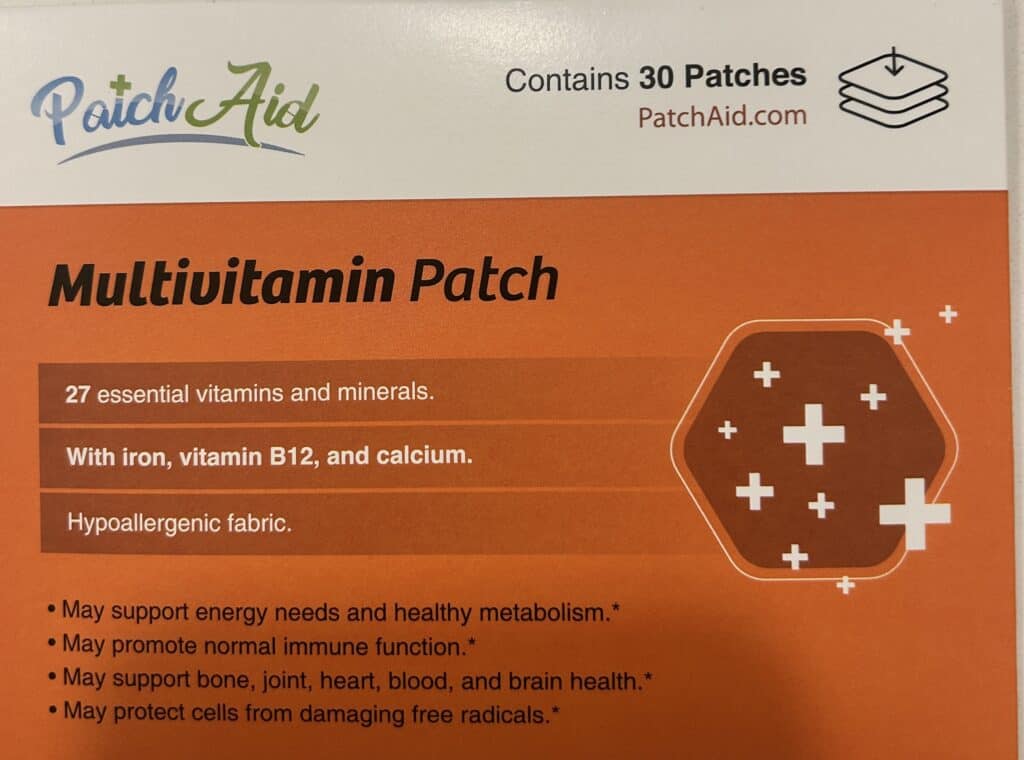
When swallowing pills became nearly impossible, I discovered PatchAid Vitamin Patches. I apply one nightly—simple, effective, and no choking fears. These patches became part of my daily healing rhythm.
🩹 Visit PatchAid.com to explore vitamin patches that make nutrition easier for anyone with swallowing issues. When swallowing pills became nearly impossible for me, I discovered PatchAid Vitamin Patches. PatchAid www.patchaid.com/TEXASKK AND PUT IN DISCOUNT CODE TEXASKK FOR 40% OFF patches allowed me to absorb nutrients without upsetting my throat or triggering reflux. After surgery and during the diet changes, they became one of my anchor tools.

💛 And when you need peace, visit my Prayer Wall — a space to share prayer requests, read others’ stories, and feel God’s comfort:
👉 Submit or Read Prayers Here. https://texaskkstompscancer.com/prayer-wall-esophagus-cancer/
Together, these two remind us that healing isn’t just physical—it’s spiritual.

TAKEAWAYS YOU CAN HOLD ONTO
- The epidemiology of esophagus cancer reveals growing awareness but also rising numbers globally.
- Early detection saves lives—don’t ignore chronic reflux or difficulty swallowing.
- Lifestyle habits matter: avoid tobacco, manage reflux, eat nourishing foods, and stay active.
- Share awareness in your community—because prevention begins with conversation.
- Faith and compassion are as important as medicine and data.

FAITH: THE FINAL WORD
When my body was broken and my spirit bruised, God rebuilt both. He turned pain into purpose and scars into strength. I’m alive to tell you that there’s more beyond the fear, more beyond the diagnosis, and more beyond the statistics.
If you’re reading this today, please remember: your story isn’t over.
The same God who brought me through surgery, fear, and recovery can meet you wherever you are. Whether it’s reflux, cancer, or uncertainty—He is your constant companion through it all.
RELATED READING
- 7 HEALING FOODS FOR A HAPPIER ESOPHAGUS – Learn which gentle, nutrient-rich foods support recovery and reduce irritation after surgery or reflux.