
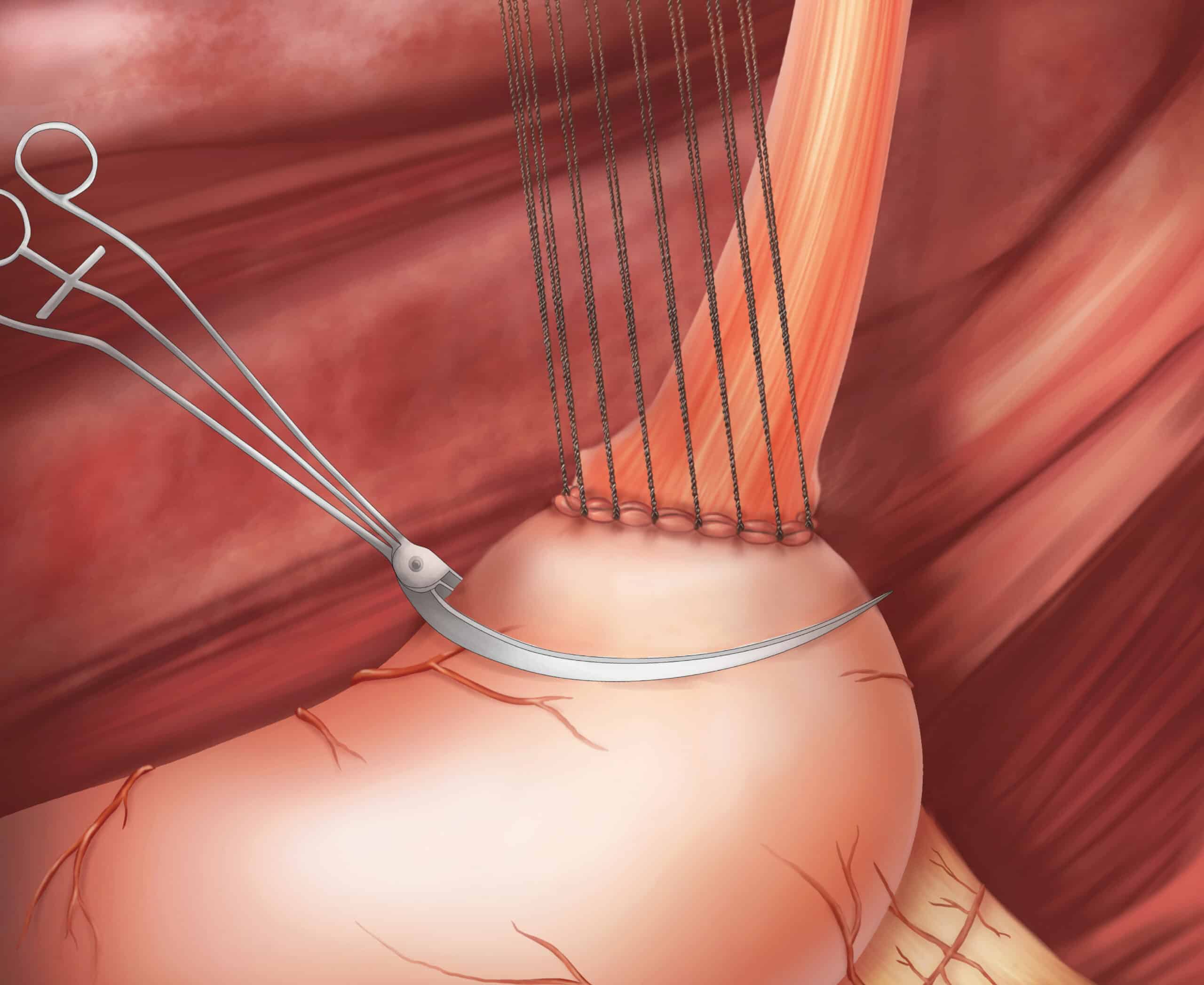
7 BOLD ANASTOMOSIS HEALING: YOUR SURGERY RECONNECT COMEBACK
First, this article is for you if you’re healing after a surgical reconnect.
Next, it explains anastomosis in a way that is clear, hopeful, and easy to follow.
Most importantly, it blends medical facts, real recovery steps, nutrition support, and faith-filled peace for the comeback ahead.
WHAT IS ANASTOMOSIS?
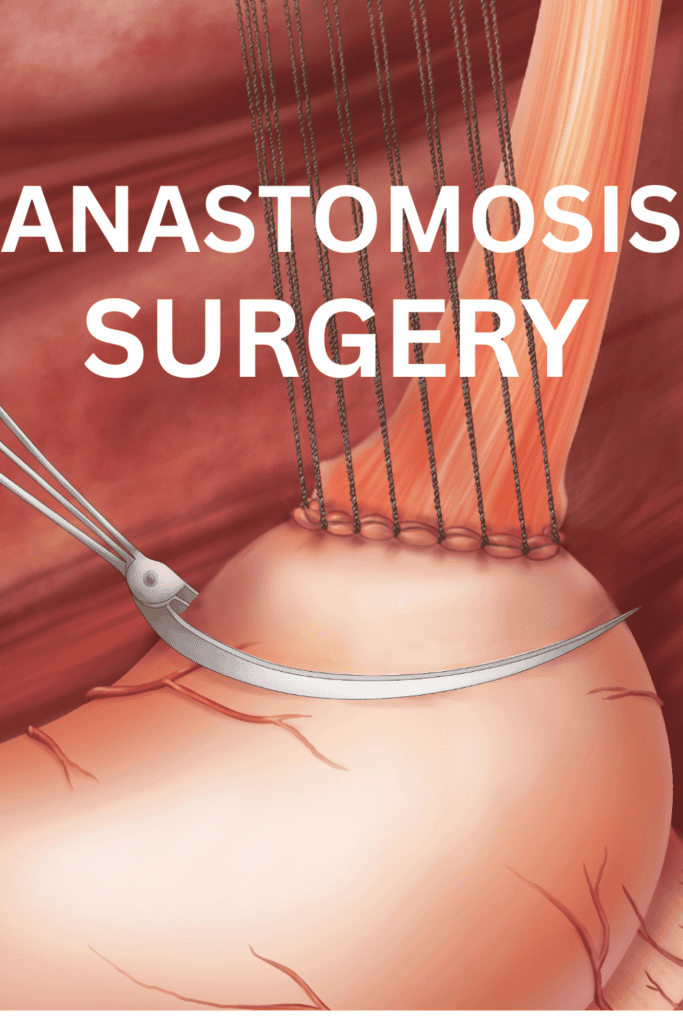
To begin, anastomosis means connecting two tubes inside the body.
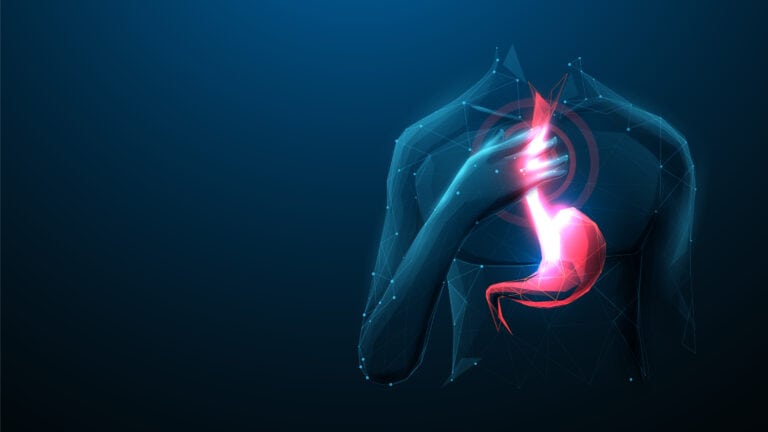
In other words, it rebuilds your food path when cancer surgery removes part of your esophagus.
So, when surgeons remove the cancerous esophagus (called an esophagectomy), they must reconnect the remaining tube so food can travel again.
That reconnect point is the anastomosis.

WHY ANASTOMOSIS HEALING MATTERS SO MUCH
After that, your body starts a whole new healing process. This matters because:
- It restores swallowing
- It rebuilds the food route
- It supports strength and immunity
- It improves your quality of life long-term
- It gives you a second chance at eating and living again
As a result, this step becomes the turning point between surgery and recovery.

7 KEY INSIGHTS ABOUT ANASTOMOSIS HEALING
First, here are 7 bold truths you need to know:
- It restores your digestive path
- Healing is gradual, not instant
- Leak awareness protects your safety
- Stricture risks peak at 6–12 weeks
- Reflux may change but can be managed
- Nutrition support matters when pills feel hard to swallow
- Faith support lowers stress and lifts your heart
MAIN TYPES OF ANASTOMOSIS USED IN ESOPHAGUS CANCER SURGERY
Next, surgeons use 3 major reconnect types depending on your surgery plan:
- Esophagus → stomach (esophagogastric anastomosis)
- Esophagus → small intestine (esophagojejunal anastomosis)
- Esophagus → colon (esophagocolic anastomosis)
In fact, the most common method is the gastric pull-up + esophagogastric anastomosis, where the stomach is stretched upward into the chest or neck and attached to the remaining esophagus.
WHERE THE ANASTOMOSIS CONNECTION CAN BE MADE
Then, the surgeon chooses the safest location based on your tumor and anatomy. This can be in:
- The neck (cervical anastomosis)
- Or the chest (intrathoracic anastomosis)
However, both locations aim to restore the path for food and give your body the best healing advantage.
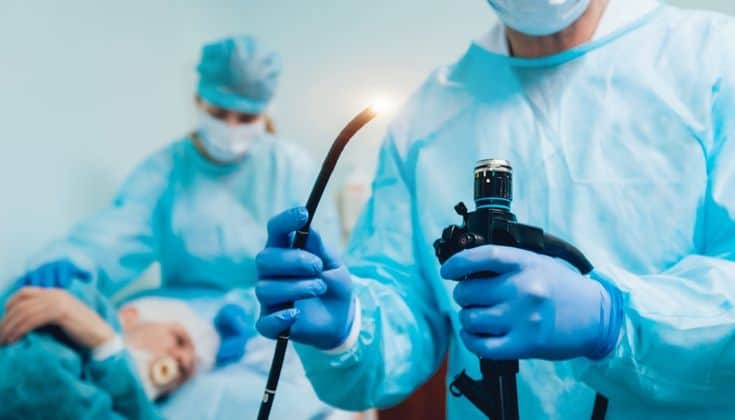
HOW SURGEONS MAKE THE ANASTOMOSIS CONNECTION
Thankfully, modern surgery offers safe and precise tools for this reconnect. The 3 main methods include:
HAND-SEWN
- Surgeon connects the tubes using stitches (sutures)
STAPLED
- Surgical staplers create fast, even, secure joins
ROBOT-ASSISTED
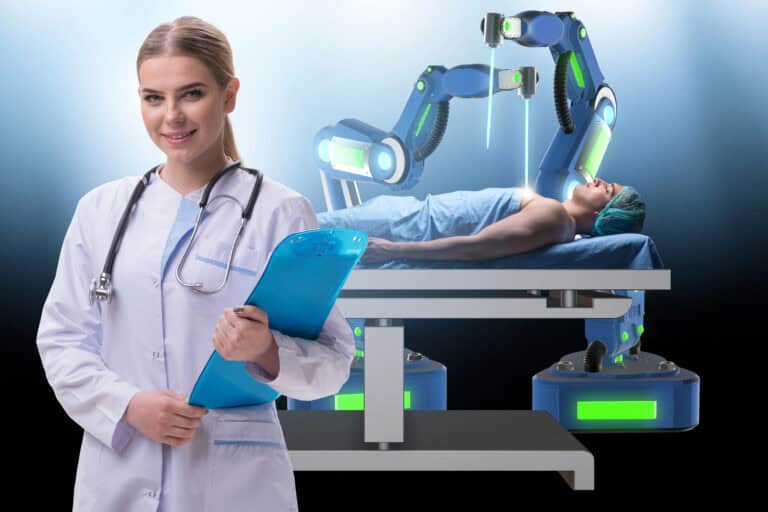
- Ultra-precise robotic instruments help guide the reconnect
At the same time, many surgeons combine stitches + staples for extra safety and strength.
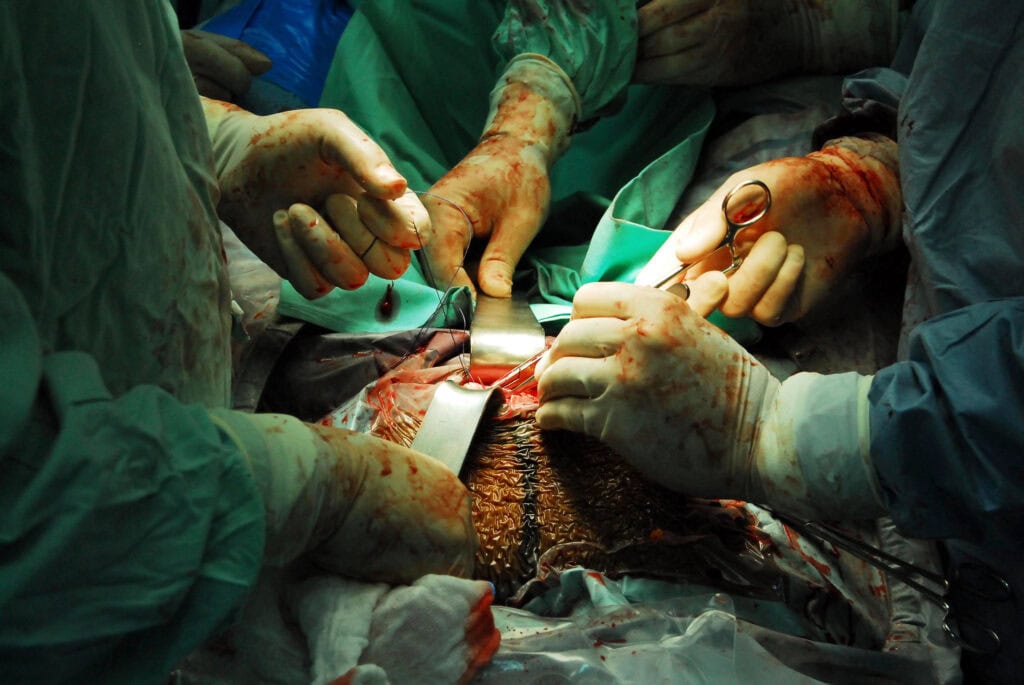
COMMON COMPLICATIONS DURING ANASTOMOSIS HEALING
Next, it’s important to know what can happen so you can protect your recovery. Common complications include:
- Anastomotic leak → connection doesn’t seal tightly, fluids escape
- Stricture → scar tissue causes narrowing, swallowing gets harder
- Reflux → acid rises easier due to anatomy changes
- Aspiration → food or liquid enters the airway by accident
- Infection → often linked to leaks or slow healing
- Pneumonia → may happen if aspiration or infection occurs
- Delayed gastric emptying → food moves slower than before
- Pain → especially high in early healing weeks
- Malnutrition → can follow if swallowing stays difficult too long
- Nerve impact → can affect voice, throat tension, or swallow pressure
But here’s the hope: when caught early, doctors can treat these issues safely.

WARNING SIGNS YOU SHOULD NEVER IGNORE AFTER SURGERY
So, contact your doctor right away if you feel:
- Fever or chills
- Chest or neck pain that gets worse
- Trouble swallowing that suddenly increases
- Coughing after eating or drinking
- Racing heartbeat
- Sudden weakness or heavy sweating
- Shortness of breath
- Drainage from incision areas
- Feeling extremely sick or confused
Eventually, early care prevents bigger danger.
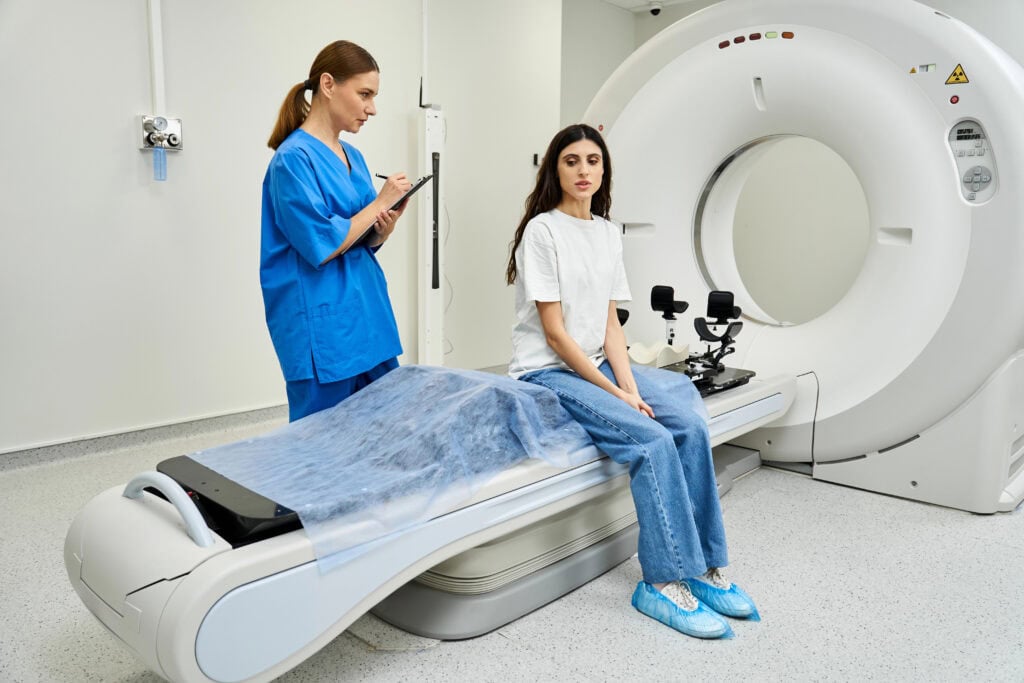
HOW DO DOCTORS TEST ANASTOMOSIS HEALING?
Next, doctors check your reconnect point using trusted imaging and camera tools. These include:
- Contrast swallow X-ray → you drink dye and doctors watch it move down
- Endoscopy → a tiny camera looks at the reconnect point from the inside
- Barium swallow study → checks for narrowing or stricture
- CT scan with contrast → looks for leaks, swelling, or infection
- Manometry (sometimes later) → measures swallowing pressure and muscle movement
In fact, these tests help doctors find problems before symptoms get worse.
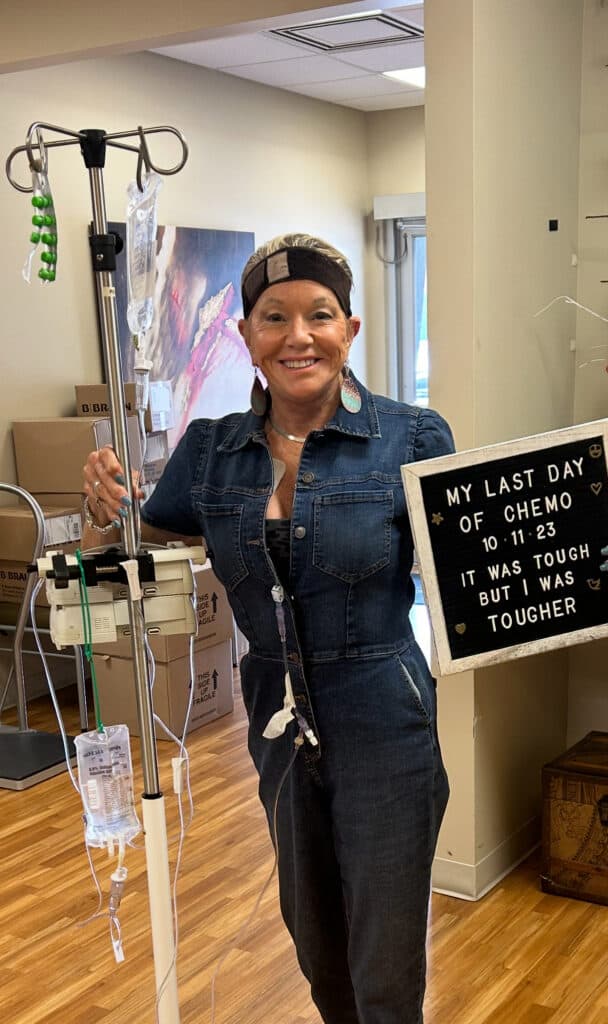
YOUR STORY MAKES THIS REAL
Meanwhile, your recovery journey proves the impact of this reconnect:
- You spent 30 days in the hospital after your robotic esophagus cancer surgery
- You had intense pain for 30 days
- You had to gain 15 pounds before surgery by eating high-calorie foods 5 times a day
- Your fueling foods included:
- Buttery pasta with rich sauces
- High-protein smoothies
- Starbucks frappuccinos
But then, recovery required a new approach.
You never thought you’d:
- Drink fruit-and-vegetable smoothies every morning
- Take vitamins daily
- Walk 2 miles, 5 days a week
- Play competitive tennis twice a week
But cancer changed the rules — and the anastomosis gave you the chance to rebuild.
Step by step, you turned survival into strength and scars into power.

HOW EATING CHANGES AFTER THE SURGICAL RECONNECT
At first, eating may feel different than before. Most patients notice:
- Smaller appetite
- Taste and texture changes
- Food moving slower or feeling “stuck”
- Needing extra chewing
- Needing small, frequent meals
- Drinking liquids between bites, not with bites
- Reflux flares after certain foods
Little by little, these things improve as healing continues.
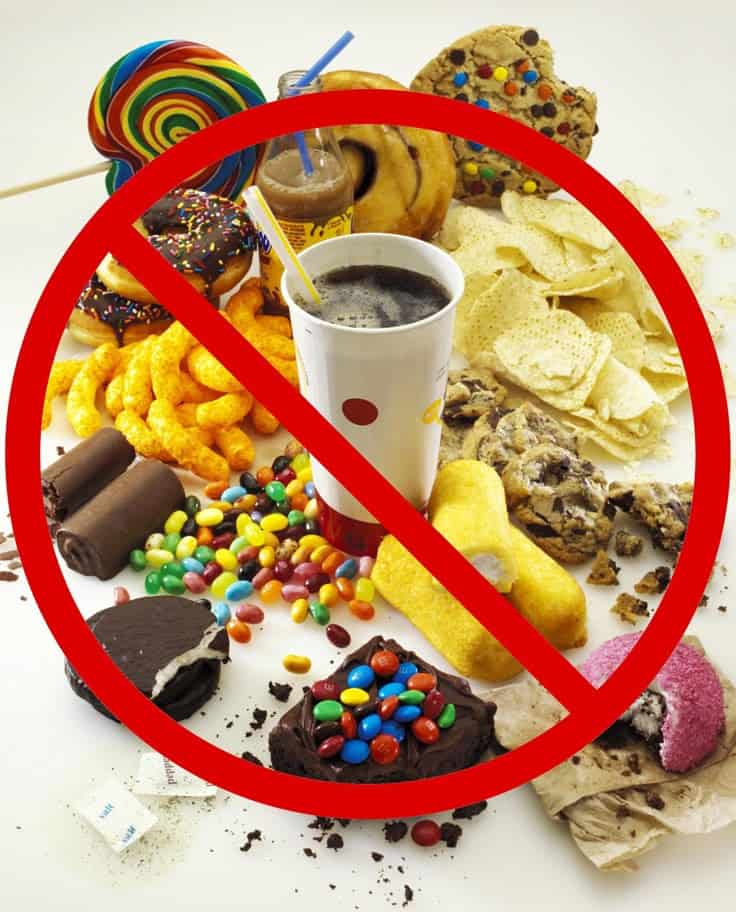
PROVEN EATING METHODS THAT SUPPORT ANASTOMOSIS HEALING
So, here are reliable, doctor-approved ways to protect your reconnect while eating becomes easier:
DO THIS:
- Take small bites
- Chew longer than normal
- Eat slowly
- Stay upright 30–60 minutes after meals
- Choose moist foods, not dry
- Drink warm liquids to relax the path
- Drink between bites
- Work with a swallow therapist if needed
AVOID THIS EARLY ON:
- Tough or dry meats
- Dry bread
- Carbonated drinks
- Very spicy foods
- Chips or crackers
- Sticky or gummy foods
- Acid-heavy foods if reflux flares
As a result, these steps protect healing while rebuilding strength.
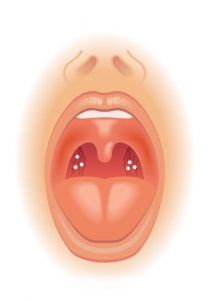
SWALLOW THERAPY AND MUSCLE RETRAINING THAT CAN HELP
Another key point: swallowing is both coordination and pressure, so therapy matters.
Helpful exercises include:
- Diaphragm breathing → breathe from the abdomen to reduce neck tension
- Effortful swallow → swallow safely like you’re pushing down thick food
- Chin-tuck swallow → protects your airway and reduces aspiration risk
- Neck stretches → ease scar tightness
- Vocal cord training → rebuilds swallow pressure and airway safety
- Speaking from your cords, not your mouth → reduces neck strain and rebuilds muscle habits
Eventually, these steps retrain your body’s new baseline.
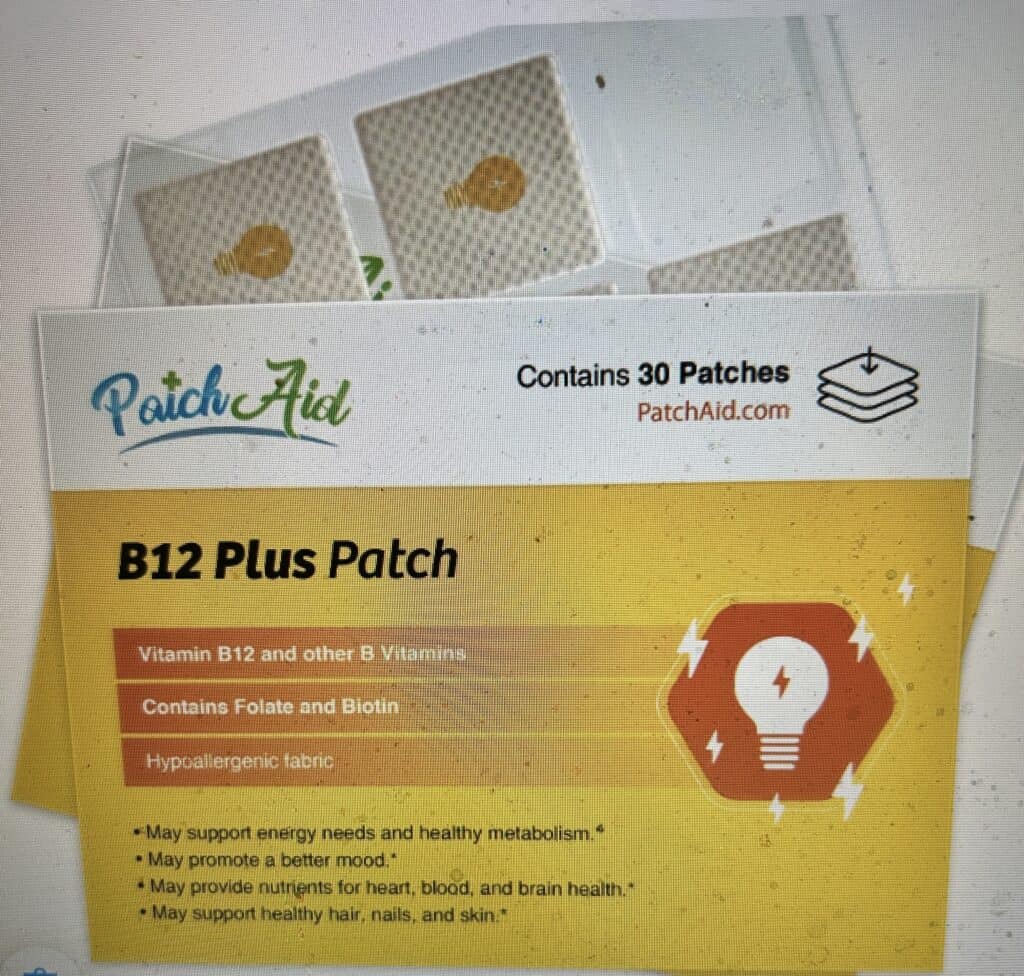
NUTRITION SUPPORT WHEN SWALLOWING PILLS STILL FEELS HARD
Thankfully, there are options that don’t require swallowing.
Many patients use:
- Liquid vitamins
- Protein shakes
- Hydrating foods
- Skin-delivery vitamin support
Most importantly, consistency protects healing and supports your immune rebuild.
PATCHAID VITAMIN PATCH BENEFITS + PRAYER SUPPORT FOR ANASTOMOSIS HEALING
Finally, your recovery needs support that is gentle, steady, and uplifting.
PatchAid vitamin patches help your body absorb nutrients through your skin, which can be easier than swallowing pills when your anastomosis is healing. At the same time, the Prayer Wall gives you a community that lifts your heart, calms stress, and strengthens your spirit while your body rebuilds.
➡️ Explore PatchAid for vitamin support: http://www.patchaid.com/TEXASKK
➡️ Visit the Prayer Wall for support: https://texaskkstompscancer.com/prayer-wall-esophagus-cancer/
In other words, this combo supports:
- Gentle vitamin absorption
- Better immunity
- Better sleep
- Less stress during recovery
- A feeling of community, not isolation
- Healing for both body and heart

CONCLUSION: THE RECONNECT THAT BECOMES A COMEBACK
To sum it up, anastomosis reconnects your digestive system, but recovery reconnects you to life.
So remember:
- Your body learns a new normal
- Healing takes time
- Complications are real, but thankfully, they can be fixed
- Nutrition protects your future
- Prayer protects your peace
- Small steps become big strength
- Your comeback story is yours to finish
Eventually, you’ll look back and see: the reconnect rebuilt more than your food path — it rebuilt you stronger.

“Meet Kelle Hinson, founder of Texas KKs Stomps Cancer, esophagus cancer survivor, advocate, and blogger sharing hope, faith, healthy living, and recovery.”