

9 NO NONSENSE TRUTHS ABOUT ESOPHAGUS CARCINOMA YOU NEED TO KNOW
If you’ve ever heard the term esophagus carcinoma and wondered if it’s the same as esophageal cancer, you’re not alone. These two medical phrases often get used interchangeably, but there’s a difference worth understanding. Knowing what type of carcinoma you’re facing — and how it connects to conditions like Barrett’s esophagus or chronic acid reflux — can change how your doctor plans your carcinoma treatment and how you manage your daily life.
Understanding the difference between esophagus carcinoma and esophageal cancer gives you power. You’ll learn what causes each type, which esophagus cancer symptoms to watch for, and how early detection can bring hope and healing. Whether you’re newly diagnosed or supporting someone who is, this guide blends medical facts, faith, and reliable ways to help — because when knowledge meets compassion, you find strength to move forward.
1️⃣ UNDERSTANDING WHAT ESOPHAGUS CARCINOMA MEANS
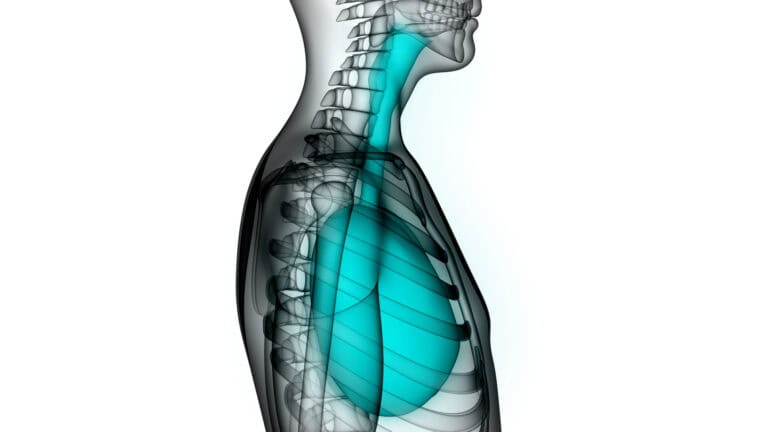
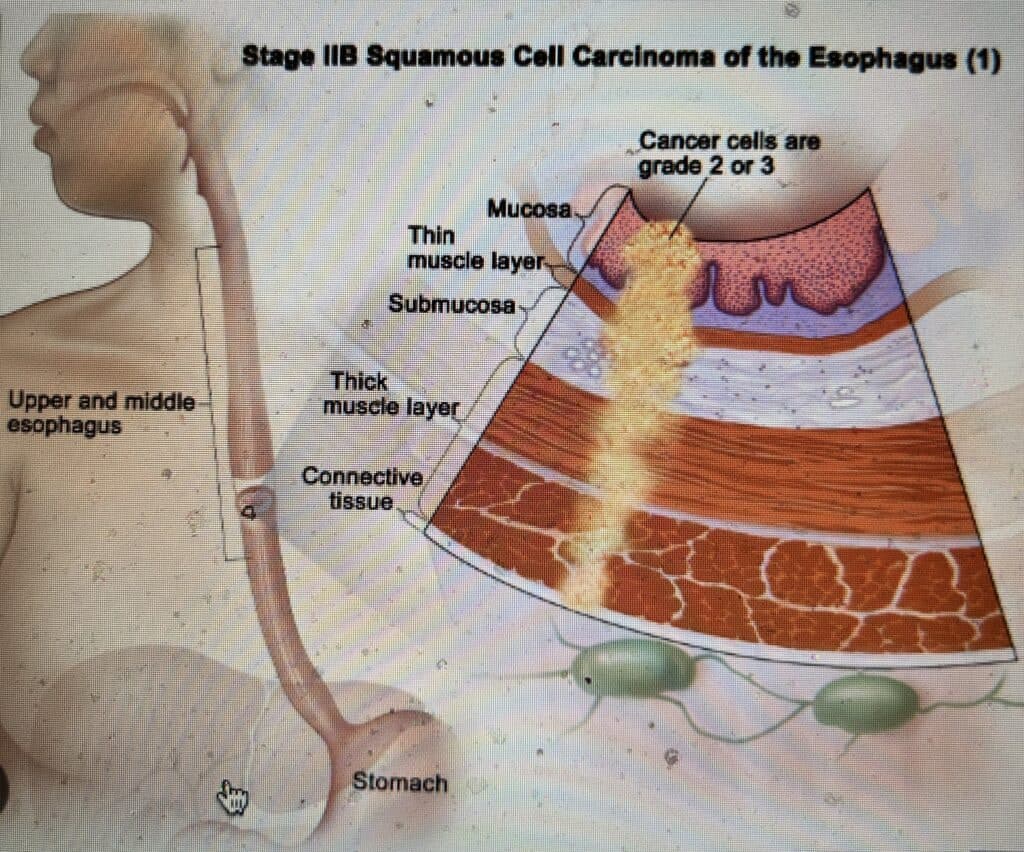
When doctors use the term esophagus carcinoma, they’re describing a type of cancer that begins in the inner lining of your esophagus — the long tube that carries food from your throat to your stomach. The word “carcinoma” refers to cancers that start in epithelial cells, which are the cells covering organs and tissues.
So, in simple terms, esophagus carcinoma is a cancer that begins in the lining of the esophagus. Over time, it can grow deeper into the esophageal wall, spreading to nearby lymph nodes or other parts of the body if not treated.
Most people diagnosed with esophageal cancer actually have carcinoma, which is why the terms often get mixed up. But knowing the distinction matters — it helps you understand what type of treatment you’ll need and what your doctor is really saying.

2️⃣ ESOPHAGUS CARCINOMA VS. ESOPHAGEAL CANCER — THE KEY DIFFERENCE
Here’s the truth: all esophagus carcinomas are esophageal cancers, but not all esophageal cancers are carcinomas.
Think of “esophageal cancer” as the big umbrella term — under it live several types, including adenocarcinoma, squamous cell carcinoma, and rarer types like sarcoma, lymphoma, or melanoma of the esophagus.
- Adenocarcinoma usually forms in the lower part of the esophagus, often linked to acid reflux or Barrett’s esophagus.
- Squamous cell carcinoma tends to occur in the upper and middle sections and is more common in those who smoke or drink heavily.
- Other rare forms like sarcoma start in muscle tissue, not in the lining.
So, when your doctor says “you have esophagus carcinoma,” they’re telling you that your cancer began in the lining of the esophagus — most likely one of those two main carcinoma types.
It’s kind of like saying: “All Labradors are dogs, but not all dogs are Labradors.” You’re learning to see the big picture clearly — and clarity brings peace of mind.
3️⃣ SYMPTOMS YOU SHOULD NEVER IGNORE
You probably already know that something doesn’t feel right before a doctor ever tells you so. When I look back, there were hints — small ones at first — that my esophagus was in distress.
For many people, early symptoms of esophagus carcinoma can be subtle. You might:
- Struggle to swallow solid foods or even soft ones.
- Feel like food gets “stuck” halfway down.
- Lose weight without trying.
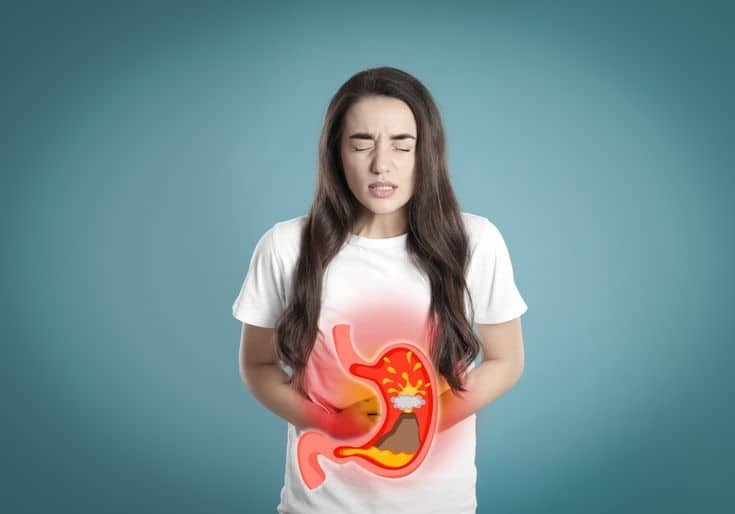
- Notice constant heartburn or chest discomfort.
- Develop a hoarse voice or persistent cough.
I remember when my taste buds changed completely — textures I once loved suddenly felt strange. A simple biscuit at breakfast became a battle. That’s when frustration really set in. But here’s what matters: don’t ignore your body’s whispers.
Keep a little journal — track what foods are harder to swallow, note any burning, choking, or nausea. These patterns help doctors see what’s going on and how quickly it’s changing. Many of these warning signs overlap with what I shared in 11 Overlooked Symptoms of Esophagus Cancer — it’s a must-read if you’ve ignored your heartburn or swallowing issues for too long.
4️⃣ DIAGNOSING ESOPHAGUS CARCINOMA — EARLY DETECTION SAVES LIVES
It’s natural to fear the word “biopsy.” But it’s also your best weapon.
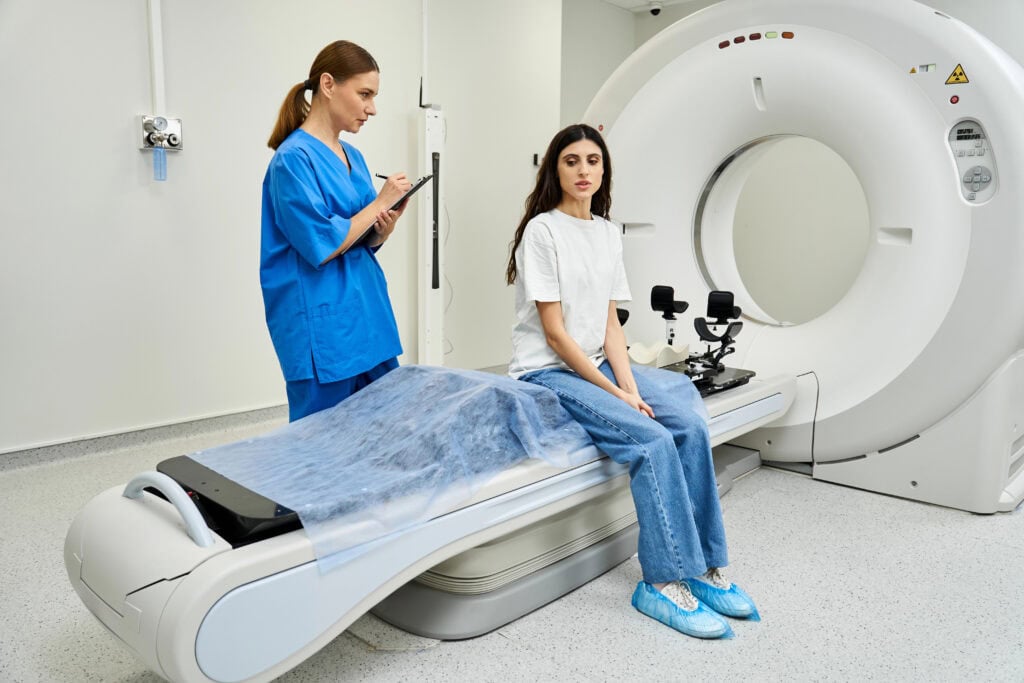
Diagnosing esophagus carcinoma typically starts with an endoscopy, a simple camera-tube procedure that lets doctors look directly at the esophagus. If they see something suspicious, they take a tiny tissue sample (a biopsy) and send it to a lab.
Other tests — like CT scans, PET scans, or barium swallows — help determine how far the cancer may have spread.
You might feel hesitant, nervous, or even ashamed that you waited. Please hear this: there’s no shame in fear, only strength in facing it.
The earlier you know, the better your chance at recovery. Don’t let embarrassment or anxiety stop you from calling your doctor when swallowing becomes painful or you feel constant heartburn.
5️⃣ TREATMENT OPTIONS THAT BRING HOPE
Once you know your diagnosis, the next step is to discuss treatment. For esophagus carcinoma, options depend on the cancer’s location, type, and stage.
Here’s a breakdown in plain English:
- Surgery: Removes the tumor or part of the esophagus.
- Radiation Therapy: Targets cancer cells with high-energy beams.
- Chemotherapy: Travels through your bloodstream to destroy cancer cells.
- Immunotherapy: A newer treatment that helps your immune system recognize and attack cancer.
Each path is unique, and your medical team will tailor it to your needs. Trust them — and trust the One guiding them.

6️⃣ LIFESTYLE CHANGES THAT MAKE A DIFFERENCE
Living with or recovering from esophagus carcinoma requires new habits. And you don’t have to get it perfect — you just have to start.
Here’s what helps:
- Eat small, frequent meals.
- Stay upright after eating.
- Avoid alcohol and smoking.
- Choose soft, moist foods.
- Hydrate regularly.
My taste buds changed drastically after surgery, but experimenting helped me rediscover what worked. Some days edamame or mashed potatoes became tiny victories — and that’s what healing looks like.
7️⃣ 🌿 PATCHAID VITAMIN PATCH & PRAYER WALL 🌿🙏
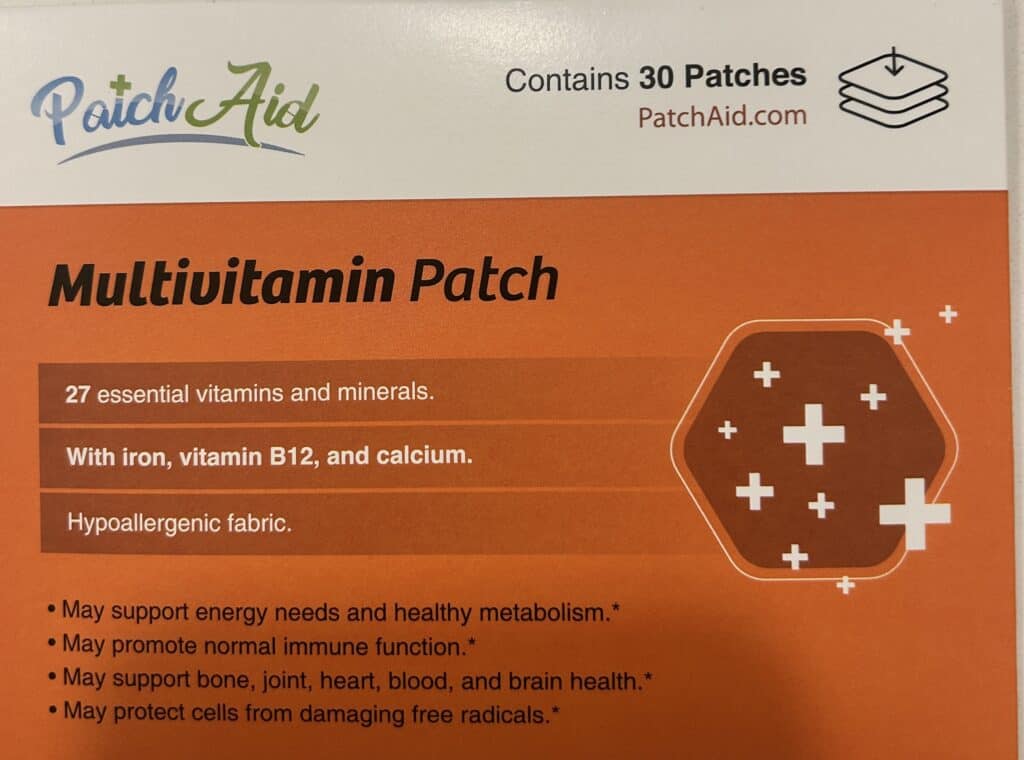
When swallowing becomes painful or your throat feels tight after surgery or treatments, even a small pill can feel like a mountain. That’s when PatchAid Vitamin Patches became a blessing in my life. After my esophageal surgery, my swallowing was limited — vitamins, medication, or even large bites of food became impossible. These patches gave me a new way to nourish my body and protect my immune system without swallowing anything at all.
How PatchAid works: Each patch contains essential vitamins, minerals, and nutrients that absorb directly through your skin — bypassing your digestive system completely. You simply place it on clean, dry skin (I use my stomach or shoulder) before bed. While you rest, your body absorbs what it needs slowly and safely through the night.
Why I trust them:
- No choking or nausea from large pills.
- No stomach irritation.
- My bloodwork consistently shows healthy vitamin levels.
- They save time and energy when eating is already a challenge.
I’ve used these patches for daily support, and they’ve become part of my healing routine. On days when swallowing is difficult, they give me peace of mind — knowing I’m still taking care of myself from the inside out. 👉 If swallowing vitamins is a daily battle, try PatchAid—it’s an effortless way to get nutrients while honoring your healing journey. get 40% off https://patchaid.com/?dt_id=2603960&utm_source=affiliate

💛 THE PRAYER WALL — WHERE FAITH AND HEALING MEET
Faith and healing go hand in hand. When your world feels uncertain, prayer can calm what medicine cannot. That’s why I created a Prayer Wall — a space where anyone can share their prayer requests, offer encouragement, or stand in faith with others walking through tough times.
Whether you’re praying for healing from esophagus carcinoma, strength after surgery, or peace for a loved one, your prayer matters. Every request on the wall is read and prayed over — because no one should face illness alone.
You can post anonymously, share updates, or simply say, “I’m praying with you.” Each word strengthens someone else’s faith, and that ripple of hope is powerful.
When your body feels weak, prayer restores your spirit. When your voice shakes, God still hears you. 💗
Visit the Prayer Wall💗 VISIT THE PRAYER WALL HERE →https://texaskkstompscancer.com/prayer-wall-esophagus-cancer/today — submit your request, lift someone else’s name, and feel the unity of hearts standing together in faith and healing.

8️⃣ WAYS YOU CAN SUPPORT SOMEONE WITH ESOPHAGUS CARCINOMA
You don’t need to be a doctor to make a difference. Sometimes, love looks like simple actions:
- Offer to drive them to appointments.
- Bring soft meals they can manage.
- Share a verse or message of encouragement.
- Be present — your company means more than words.
If you’re the one fighting this battle, let others help. It’s not weakness; it’s grace.

9️⃣ FAITH, FACTS, AND FORWARD MOTION
Esophagus carcinoma is more than a diagnosis — it’s a journey of faith, courage, and perseverance.
Here’s what to remember:
- Knowledge gives you strength.
- Early detection saves lives.
- Faith restores hope.
God doesn’t waste pain. Every scar tells a story, and every setback is a setup for something greater.
Take a deep breath tonight, thank Him for the small miracles, and trust that you’re not walking this road alone.