7 BRAVE TRUTHS ABOUT ESOPHAGEAL MOTILITY DISORDER
You may not have asked for esophageal motility disorder , but here you are—struggling with swallowing, meals, and the hidden fear of what might happen at the next bite. Living with esophageal motility disorder is not just a medical diagnosis—it’s a daily test of courage, creativity, and faith. This article is written to you, with honesty, compassion, and the hope that you will walk away informed, encouraged, and ready to take the next step.
WHAT IS ESOPHAGEAL MOTILITY DISORDER?hit here for article
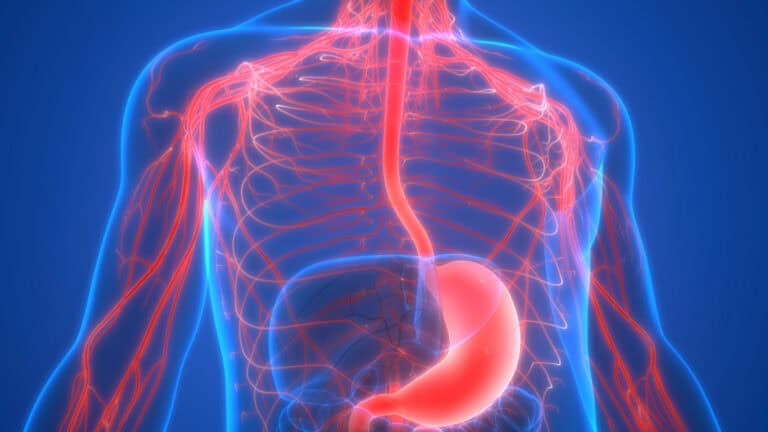
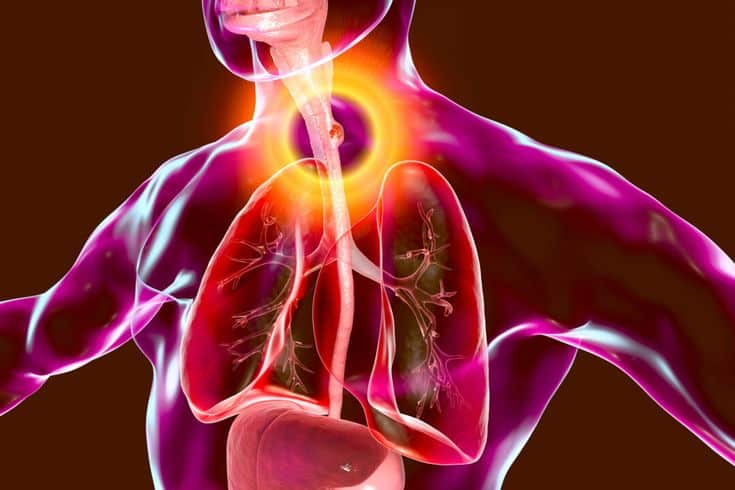
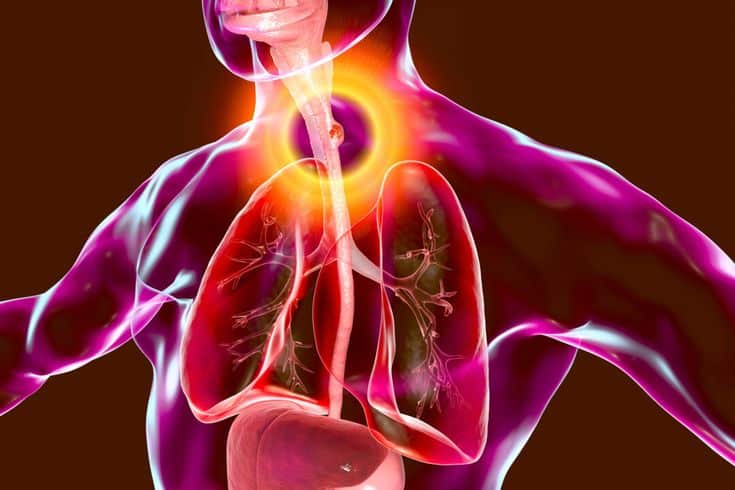
Esophageal motility disorder happens when your esophagus—the muscular tube that should carry food and drink smoothly into your stomach—doesn’t do its job correctly. Instead of the muscles working in rhythm, they misfire. Sometimes food stalls halfway down. Other times spasms strike, leaving you clutching your chest in pain.
There are different types of motility disorders, including achalasia, esophageal spasms, and jackhammer esophagus. Each one looks a little different, but all can leave you feeling uncertain about something that should be simple—eating.

WHY THIS MATTERS — SYMPTOMS YOU CAN’T IGNORE
Maybe you’ve felt it:
- Food getting stuck mid-swallow.
- A biscuit or piece of meat that feels like it will not budge.
- Sudden chest pain that makes you wonder if it’s your heart.
- Unexpected gagging or regurgitation.
If you’ve lived this, you know it’s not just “annoying.” It’s terrifying. You never know when it will happen, and that unpredictability shapes your whole life. Ignoring it only makes things worse, because esophageal motility disorders rarely disappear on their own.

MY FIRST YEAR AND A HALF — THE RAW TRUTH
I want to pause and share something personal, because you may be carrying this same burden.
During my first year and a half with swallowing issues, I was absolutely mortified. I never knew when food would get stuck. Imagine being in the Bahamas with friends, sitting at breakfast with a warm biscuit in front of you. You take a bite, expecting joy, but instead—nothing moves. The food is trapped.
In panic, I would grab a napkin and a cup, gag until it came back up, and spit it out just to breathe again. The embarrassment was crushing. After a while, I started telling people, “I already ate.” It was easier than facing the stares or explaining what was wrong.
Smoothies became my new normal. Instead of meals, I blended everything I could just to stay safe. Even then, I lived on edge. I learned to keep a backup outfit in the car, because spit-up and reflux can destroy clothing in seconds. That became my survival plan.
If this sounds familiar, I want you to hear this clearly: you are not alone. You are not strange. You are not weak. You are adapting, and that takes more courage than people realize.
HOW DO DOCTORS DIAGNOSE THIS?
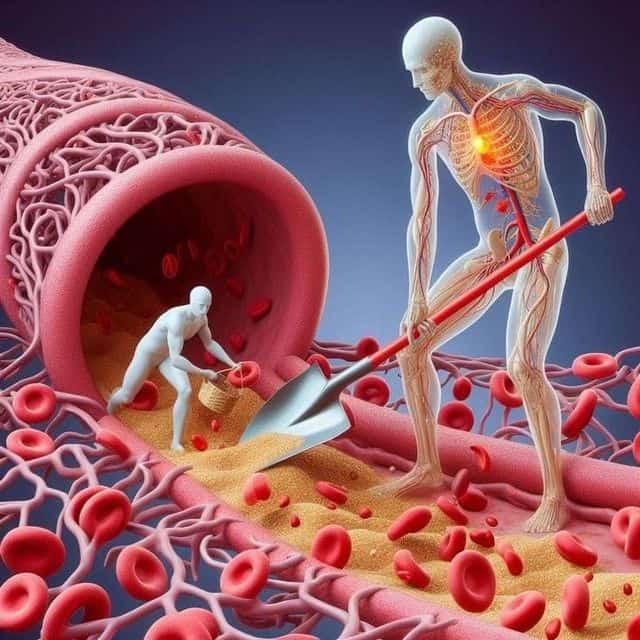
Doctors can run several tests to get clear answers:
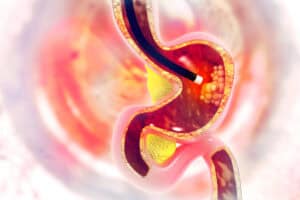
- Endoscopy lets them look inside your esophagus with a camera.
- Barium swallow involves drinking liquid while X-rays track the flow down your throat.
- High-resolution manometry is the gold standard—it measures how well your esophagus muscles squeeze and relax.
Each test shows a different piece of the puzzle, and together they give doctors the information needed to confirm what’s really happening.

PRACTICAL TREATMENT OPTIONS
Treatment looks different for each type of motility disorder, but here are the main strategies:
- Diet and lifestyle changes: Eat smaller, more frequent meals. Chew carefully. Take sips of water between bites. Stay upright after eating.
- Medications: Some disorders respond to muscle relaxers or other prescription drugs that reduce spasms.
- Endoscopic procedures: Botox injections, dilations, or other minimally invasive options may be offered.
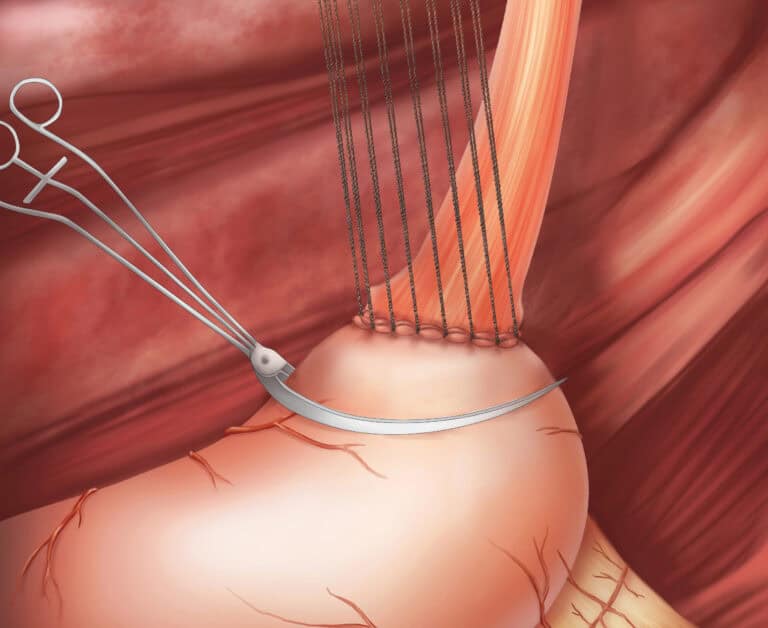
- Surgery: In severe cases, surgery such as POEM (peroral endoscopic myotomy) or a Heller myotomy may be considered.
No single path works for everyone. That’s why listening to your body and working closely with your GI doctor is so important.
FOODS THAT HELP VS FOODS THAT HURT
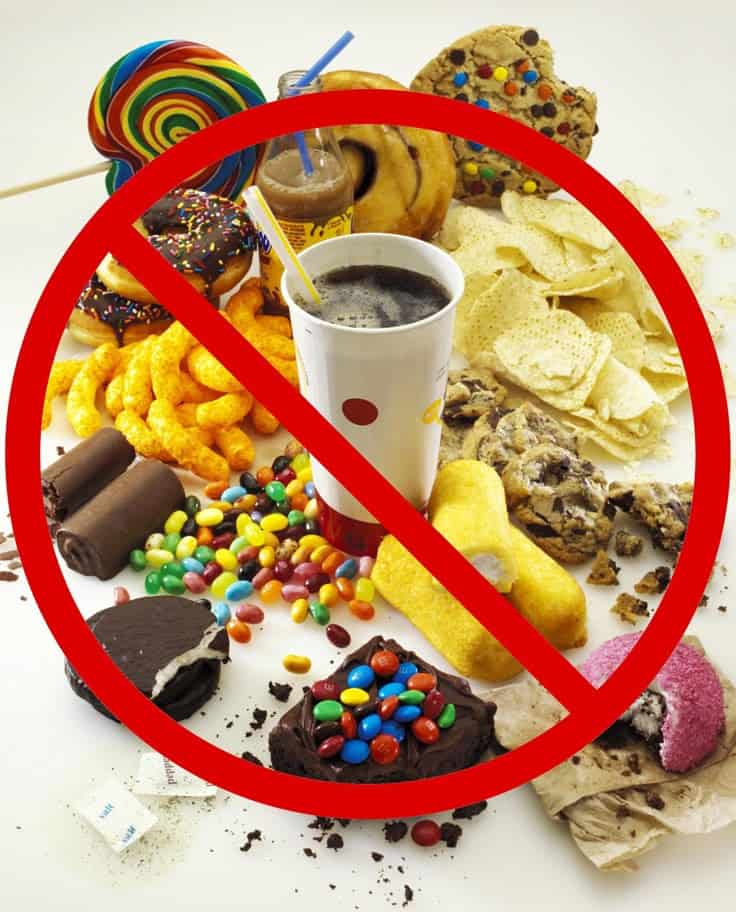
One of the hardest lessons with esophageal motility disorder is learning that not all foods are safe every day.
What helps:
- Smoothies packed with protein and soft fruits.
- Cooked veggies that are soft and easy to chew.
- Moist foods with sauces, broths, or gravies.
What hurts:
- Dry, dense foods like biscuits, crackers, and bread.
- Big chunks of meat.
- Alcohol, caffeine, and fried foods that trigger reflux.
You’ll find your own rhythm. For me, smoothies with protein became a lifeline. Instead of fighting with stubborn foods, I found a way to nourish my body without panic.

DAILY LIVING HACKS (REAL AND RAW)
Here’s what you can try right now:
- Have a cover story: If you’re out and don’t want to explain, say you “already ate.” It protects your peace.
- Carry a care kit: Napkins, water, antacids, and even a backup shirt can save you from embarrassment.
- Choose safety meals: Smoothies or softer foods before social events reduce the risk of an episode.
- Relaxation matters: Stress tightens your throat and makes swallowing worse. Slow down, breathe, and don’t rush meals.
- Track patterns: Keep a journal of what foods cause problems—it will help you and your doctor find triggers.
These may sound simple, but they make life manageable.

WHEN TO GET URGENT HELP
You must take this seriously if:
- You can’t swallow liquids.
- You’re losing weight rapidly.
- You’re in severe chest pain.
- You feel dehydrated or weak.
Don’t wait—get medical attention. These can be signs of a worsening disorder or even a medical emergency.
PATCHAID VITAMIN PATCH + PRAYER WALL
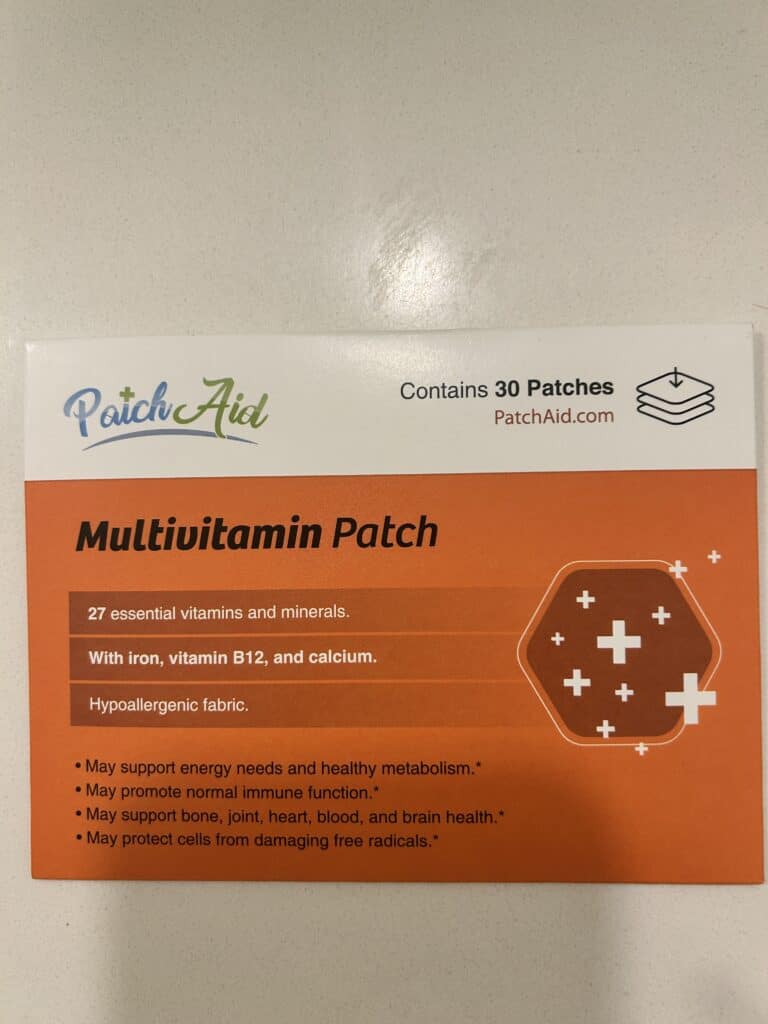
When you can’t swallow, even vitamins feel impossible. That’s why I use PatchAid vitamin patches. You apply them to your skin, and nutrients absorb without a single pill. It’s simple, effective, and my bloodwork shows it’s working. hit the pic above for a 40% discount or this link http://www.patchaid.com/TEXASKK TO GET 40% OFF.

But I don’t stop there. I lean on faith. Prayer is my daily medicine. On my blog, you’ll find a Prayer Wall ( hit pic above to submit your prayer request )where you can submit requests—anonymously if you want—and know that others are praying for you too. You don’t have to carry this burden in silence. Faith and community bring peace where medicine stops.

WAYS TO WORK TOGETHER
I don’t just write; I live this. Here are ways you can connect:
- Explore related blog posts about the digestive system, cancer journeys, and wellness.
- Use the Prayer Wall—post requests, join prayer times, and experience the strength of community.
- Lean on local help: If you’re in my area and life changes mean you need a new home, I’m here. Sometimes health leads us to safer spaces, and I’ll walk that road with you.
FAITH AND HOPE CONNECTION

The Bible says in Isaiah 41:10: “So do not fear, for I am with you; do not be dismayed, for I am your God. I will strengthen you and help you.”
When you’re choking back tears—or a bite of food—remember that God has not abandoned you. This disorder may scare you, but faith can steady you. Every small victory at the table is proof of your resilience and God’s sustaining hand.

SUMMARY — YOUR NEXT STEPS
- Don’t ignore swallowing problems.
- See a GI doctor and ask about endoscopy, barium swallow, and manometry.
- Make small food and lifestyle changes to reduce risk.
- Build your safety toolkit: smoothies, napkins, spare clothes, and calm breathing.
- Lean on supplements like PatchAid when swallowing pills isn’t possible.
- Share your journey and prayer requests—you don’t have to walk this alone.
You are stronger than you feel right now. Living with esophageal motility disorder may be messy and unpredictable, but you can still live with courage, dignity, and faith.