5️⃣ UNMISTAKABLE SIGNS THAT REFLUX ESOPHAGITIS VS GERD IS MORE THAN JUST HEARTBURN
INTRODUCTION: WHEN REFLUX FEELS LIKE MORE THAN HEARTBURN
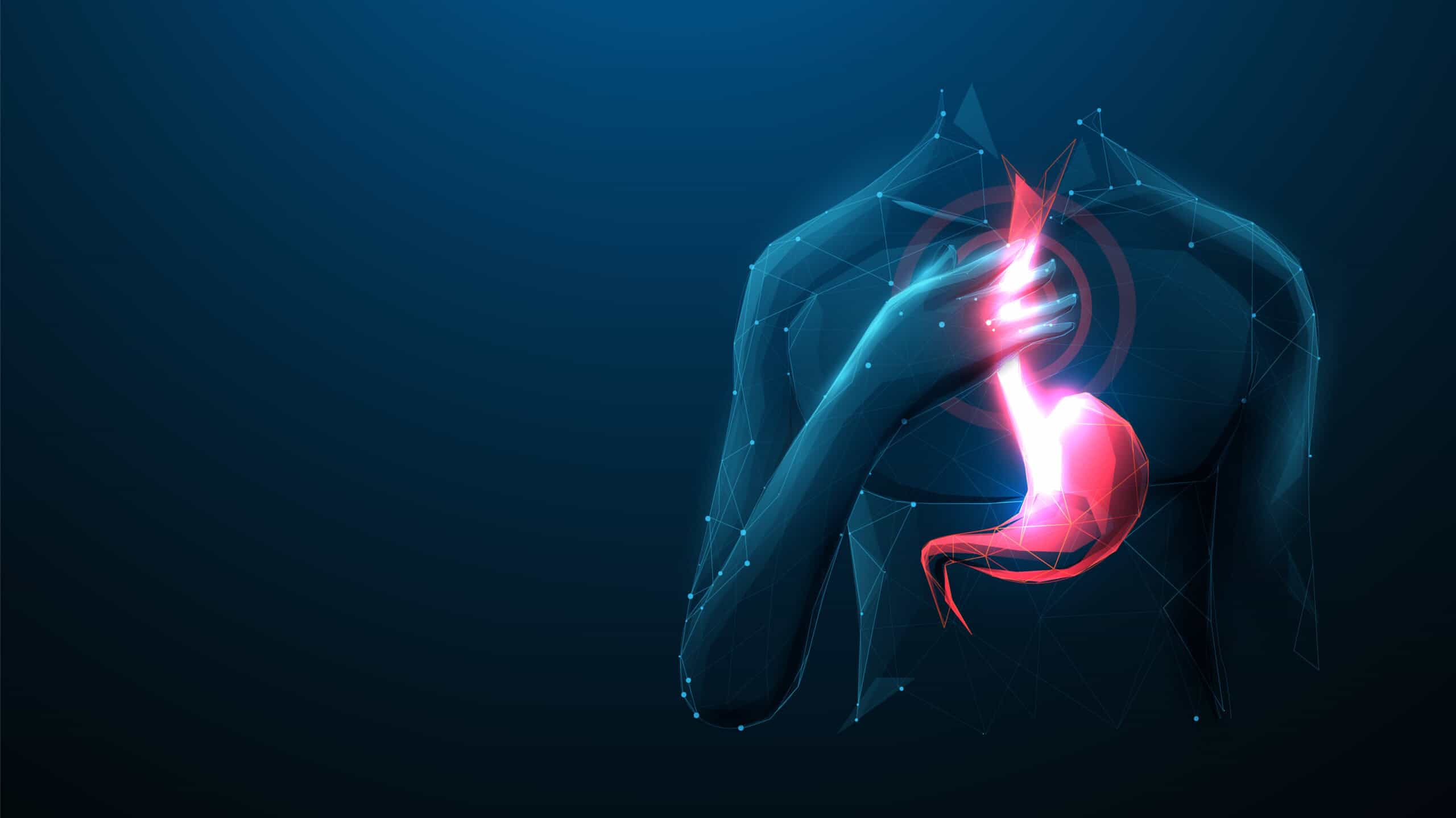
When you compare reflux esophagitis vs GERD, it’s easy to assume they’re the same thing—but they aren’t. Gastroesophageal reflux disease (GERD) is the condition where acid repeatedly flows back into your esophagus, while reflux esophagitis is what happens when that acid causes real inflammation and damage.
If you’ve ever eaten a meal that felt like it turned against you within minutes, you already understand the agony of acid reflux. You may recognize reflux esophagitis symptoms like burning, tightness, and nausea that keep you up at night. For me, that realization hit at one of the worst possible times—when I was supposed to be enjoying a night out.

THE NIGHT THAT CHANGED HOW I SAW REFLUX FOREVER
It was a warm Texas evening, and I had been so excited for the concert. I was dressed up, ready for music and fun, and we grabbed dinner before heading to the venue—nachos piled high and smoky barbecue, the kind of meal that feels like a celebration.
But an hour later, the celebration was over. I began to feel nausea, lightheadedness, dizziness, weakness, and a tightness in my chest that I knew all too well. The familiar burn was climbing its way up, and I could tell reflux esophagitis vs GERD had chosen this moment to remind me who was really in control.
Within minutes, I was sweating and shaky. I left the concert, barely making it to the car before getting sick. I remember curling up in the seat, trying to rest until it passed. The music played in the distance while I lay there, waiting for my stomach to calm down. It took me three or four days before I could eat normally again—chicken noodle soup, crackers, and bland foods became my safe space until my digestive system reset.
That night taught me something powerful: acid reflux isn’t just an inconvenience. It can completely derail your day, your plans, and your confidence.
UNDERSTANDING GERD: THE ROOT CAUSE OF CHRONIC REFLUX
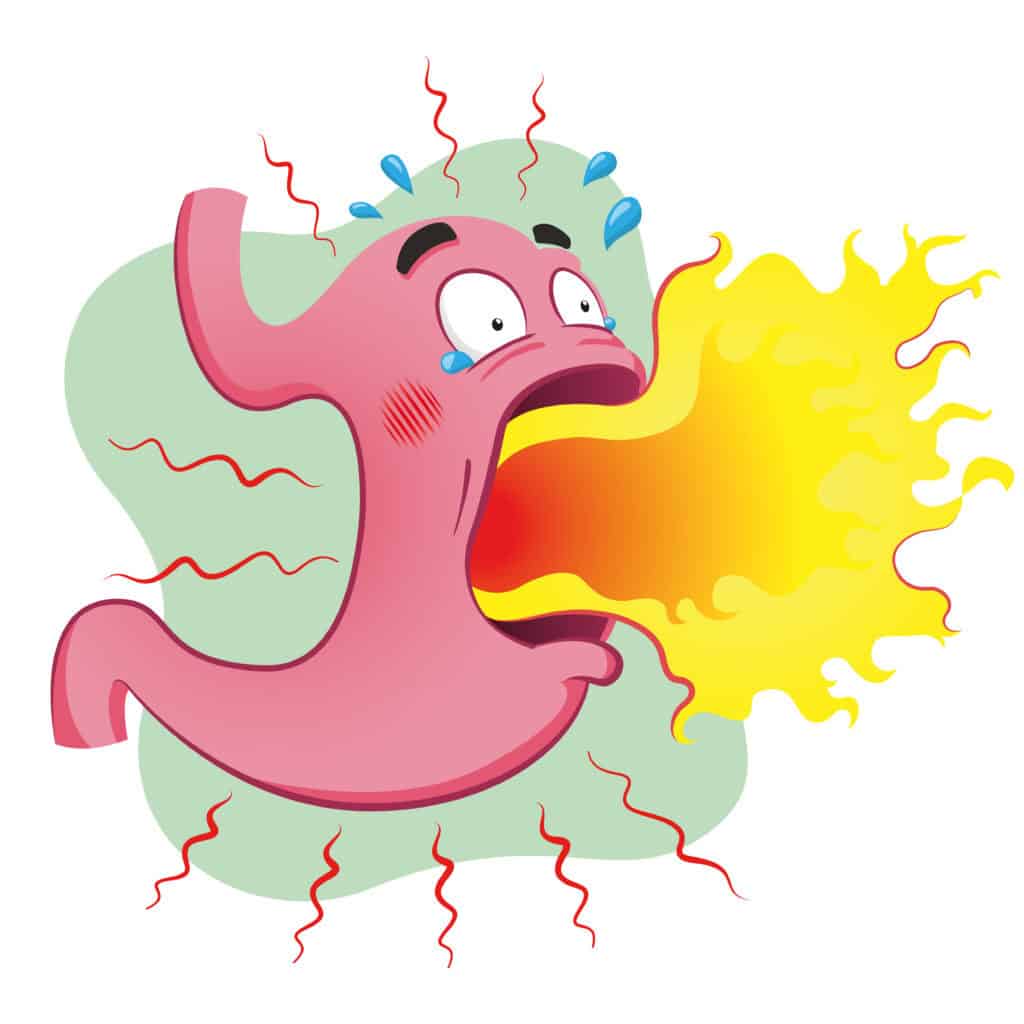
GERD, short for gastroesophageal reflux disease, is a chronic condition where stomach acid flows back into the esophagus due to a weakened lower esophageal sphincter (LES). When that small muscle fails to close properly, acid creeps upward, leading to irritation and pain.
Common causes of reflux esophagitis include:
- A hiatal hernia that allows acid to slip upward
- Overeating or lying down too soon after meals
- Certain trigger foods like fried dishes, chocolate, and citrus
- Obesity, smoking, and alcohol use
- Stress and anxiety increasing acid production
While GERD is often considered manageable, chronic acid reflux damage can silently progress into something more serious—reflux esophagitis.
WHAT IS REFLUX ESOPHAGITIS?
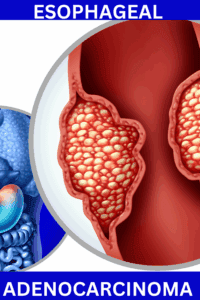
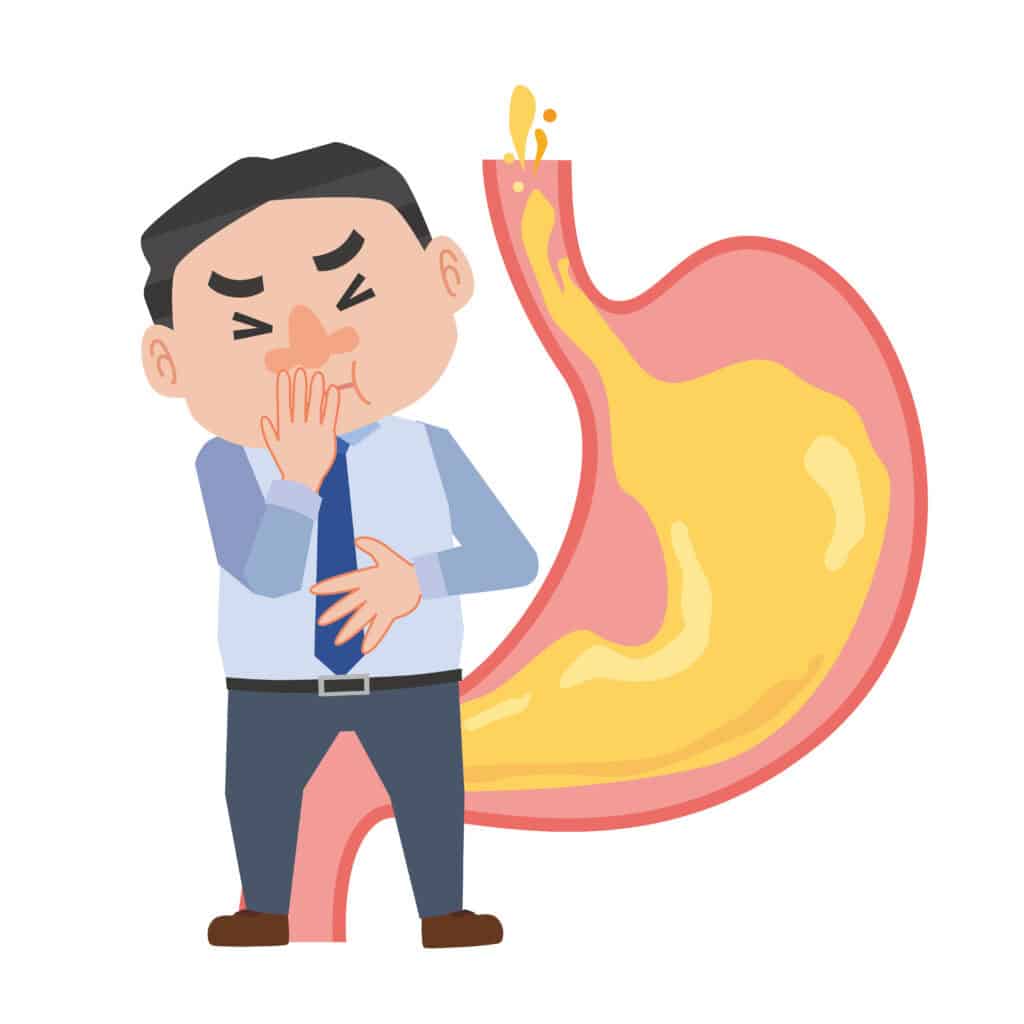
Reflux esophagitis is the result of persistent acid exposure. Over time, that acid erodes the protective lining of the esophagus, creating inflammation, swelling, and even small ulcers. Unlike standard GERD, where acid reflux is mostly a symptom, reflux esophagitis represents actual injury to the tissue.
When you’re dealing with reflux esophagitis vs GERD, you’ll notice the pain is sharper, the nausea lasts longer, and recovery takes days rather than hours. The chest tightness may mimic a heart attack, and swallowing can become difficult or painful.

KEY DIFFERENCES BETWEEN REFLUX ESOPHAGITIS VS GERD
| FEATURE | GERD | REFLUX ESOPHAGITIS |
|---|---|---|
| Definition | Acid reflux occurring repeatedly | Inflammation and damage from acid exposure |
| Symptoms | Heartburn, regurgitation, mild nausea | Chest pain, severe nausea, bleeding, difficulty swallowing |
| Severity | Chronic but manageable | Can cause scarring and ulcers |
| Diagnosis | Based on symptoms or endoscopy | Confirmed by visible tissue inflammation |
| Treatment | Lifestyle changes, acid blockers | Requires healing time and stronger medication |
In other words, GERD is the spark—reflux esophagitis is the fire.

SIGNS THAT YOU’RE CROSSING THE LINE INTO DAMAGE
You may be dealing with reflux esophagitis symptoms if you notice any of these warning signs:
- Intense burning in your chest that doesn’t ease with antacids.
- Feeling food or acid rising into your throat.
- Nausea, dizziness, and weakness after eating.
- Painful swallowing or the sensation that food gets stuck.
- A hoarse voice or chronic cough from acid irritation.
Ignoring these can lead to scar tissue buildup, strictures, or even Barrett’s Esophagus, a precancerous condition.

WHEN FOOD BECOMES A TRIGGER INSTEAD OF A TREAT
After my concert episode, I realized certain meals were a setup for disaster. Spicy dishes, rich barbecue sauce, and late-night snacks were now off-limits. I had to retrain myself to think of food as fuel, not fun—at least until my reflux healed.
I found comfort in small meals, baked chicken, soups, and simple grains. For several days, my body needed rest, hydration, and gentle nourishment. I learned that how to prevent GERD naturally begins with honoring your digestive limits.
If you’ve ever spent the night regretting that one meal, you know how it feels. The bloating, pressure, and fatigue can last for days. Listening to your body early on is the key to avoiding that spiral.

GERD TREATMENT OPTIONS THAT REALLY WORK
When symptoms persist beyond two weeks, it’s time to see a doctor. The right GERD treatment options may include:
- Proton pump inhibitors (PPIs) like omeprazole to reduce acid production.
- H2 blockers that calm acid secretion more gently.
- Antacids for temporary relief after meals.
- Surgical repair if the LES muscle is severely weakened.
Lifestyle changes also play a huge role. Sleeping on an incline, avoiding tight clothing, and finishing your last meal three hours before bedtime can make a noticeable difference.
HEALING YOUR BODY THROUGH DIET AND DAILY HABITS
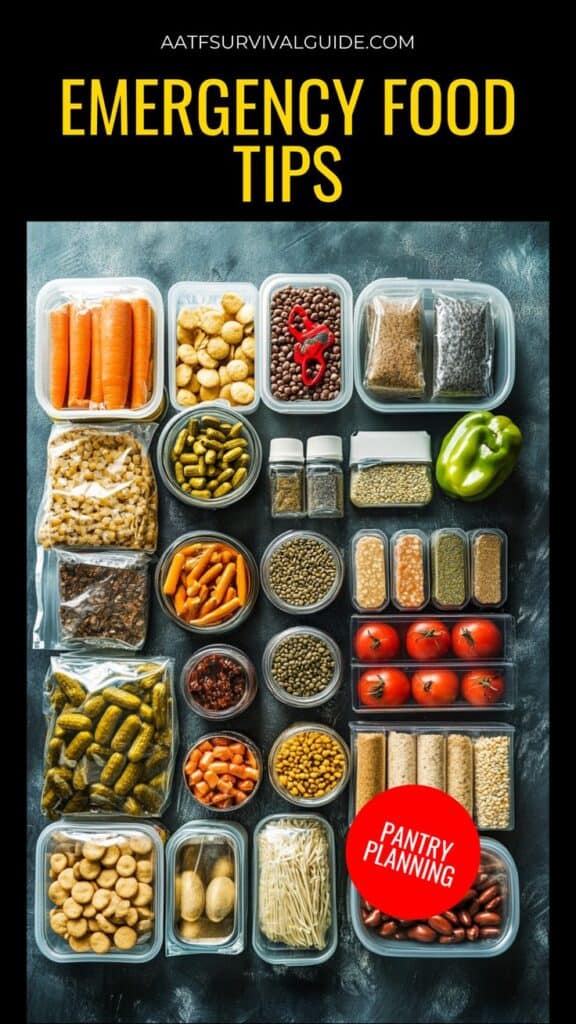
To protect your esophagus and reduce inflammation, adopt these healing strategies:
Foods to Avoid:
- Tomato sauces and citrus fruits
- Caffeine and carbonated drinks
- Onions, garlic, and fried foods
- Chocolate and peppermint
Foods That Help:
- Oatmeal, bananas, and melons
- Lean proteins like turkey and fish
- Steamed vegetables and low-fat yogurt
- Aloe vera juice or chamomile tea for soothing relief
You can also strengthen digestion by walking after meals, staying hydrated, and practicing deep breathing. When you calm your stress, your stomach follows suit.
WHEN CHRONIC ACID REFLUX DAMAGE BECOMES A LIFESTYLE LIMIT
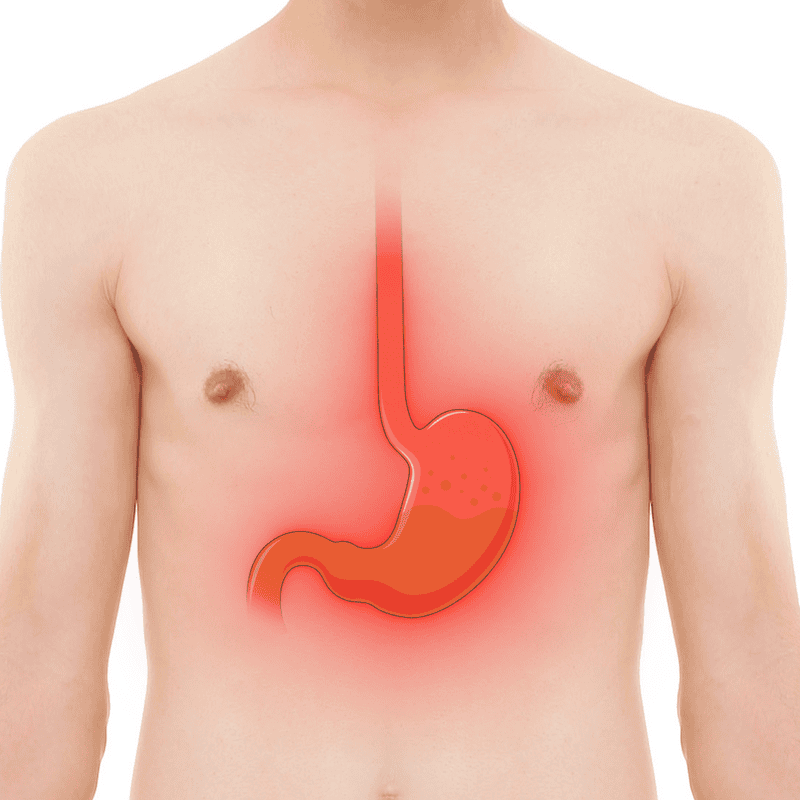
Chronic acid reflux damage doesn’t just hurt your throat—it changes how you live. You may avoid social outings, hesitate to travel, or skip your favorite foods out of fear. I understand that exhaustion, both physical and emotional.
But the truth is, healing happens when you treat reflux as a whole-body experience. Your mind, body, and spirit all need care. By combining proper medical attention with faith and rest, you give yourself the best chance to heal completely.

FAITH, HOPE, AND HEALING THROUGH THE JOURNEY
Illness humbles you. It teaches patience, endurance, and faith. When I was at my lowest—sick, weak, and tired—I learned to lean into prayer. I found peace not in perfection, but in progress.
You may not control reflux every day, but you can control your attitude and self-care. When flare-ups come, remind yourself this too shall pass. Surround yourself with supportive people and keep believing in your body’s ability to heal.
PATCHAID VITAMIN PATCH & PRAYER WALL
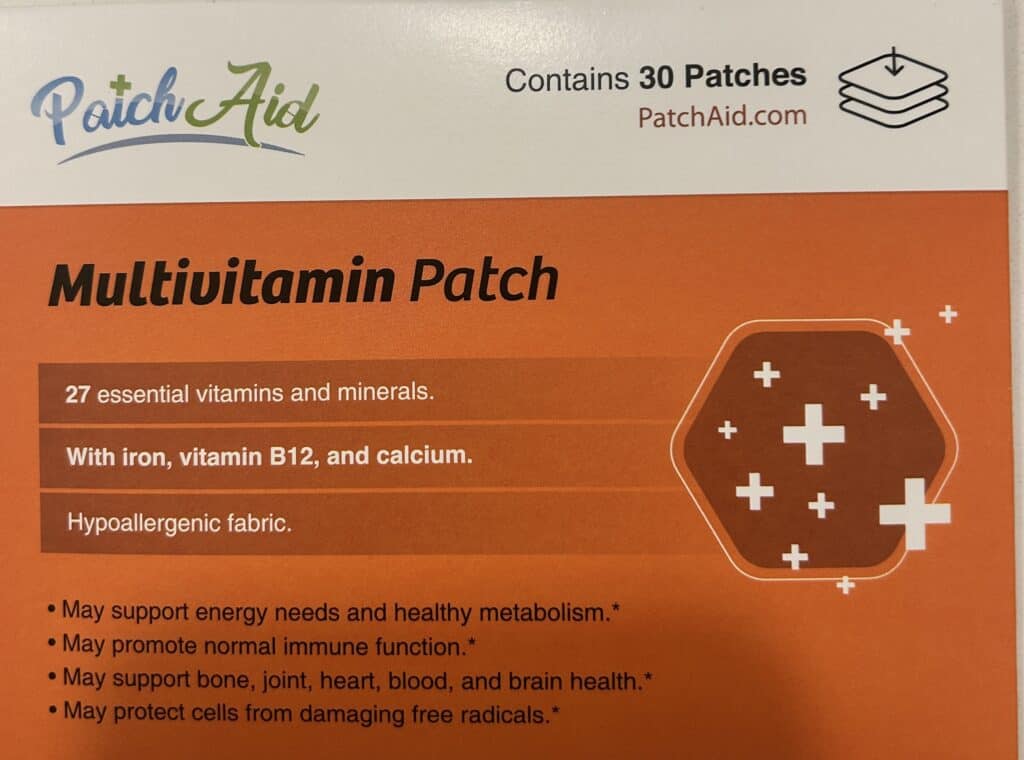
If you’re battling digestive issues, fatigue, or low energy from reflux, consider supporting your wellness through PatchAid Vitamin Patches. They’re designed to deliver nutrients efficiently—perfect when swallowing pills feels impossible.
💛 Explore the full line of vitamin patches at PatchAid.com. http://www.patchaid.com/TEXASKK to get 40% off.
After esophageal surgery, swallowing pills can be difficult and digestion may change.
PatchAid Vitamin Patches provide nutritional support without swallowing supplements.
You also deserve emotional, spiritual, and community support.
You’re invited to connect with others in your journey:

• Submit or read prayer requests
https://texaskkstompscancer.com/prayer-wall
You are not alone — in treatment or in recovery.
CONCLUSION: KNOWING YOUR BODY, HONORING YOUR LIMITS
When it comes to reflux esophagitis vs GERD, understanding the difference can save you from years of pain. GERD may start as an inconvenience, but reflux esophagitis means your body is crying out for rest and change.
Listen when your symptoms whisper—so they don’t have to scream. Your story doesn’t end with reflux; it’s just one chapter in your journey toward health, peace, and resilience.