
3 STRONG GASTRIC PULL-UP RECOVERY
WHAT GASTRIC PULL-UP REALLY IS
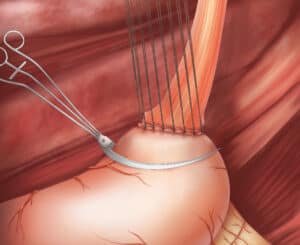
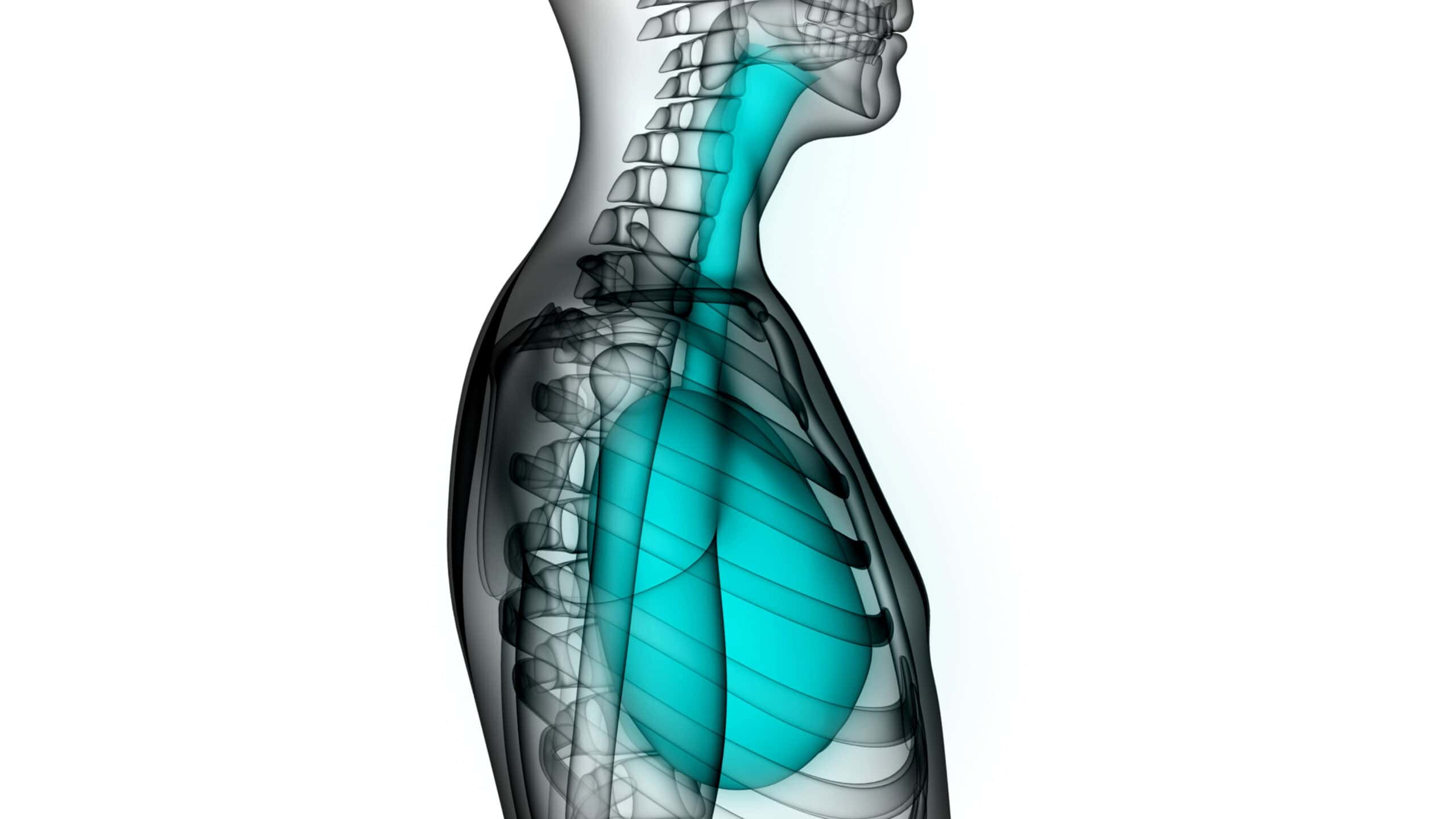
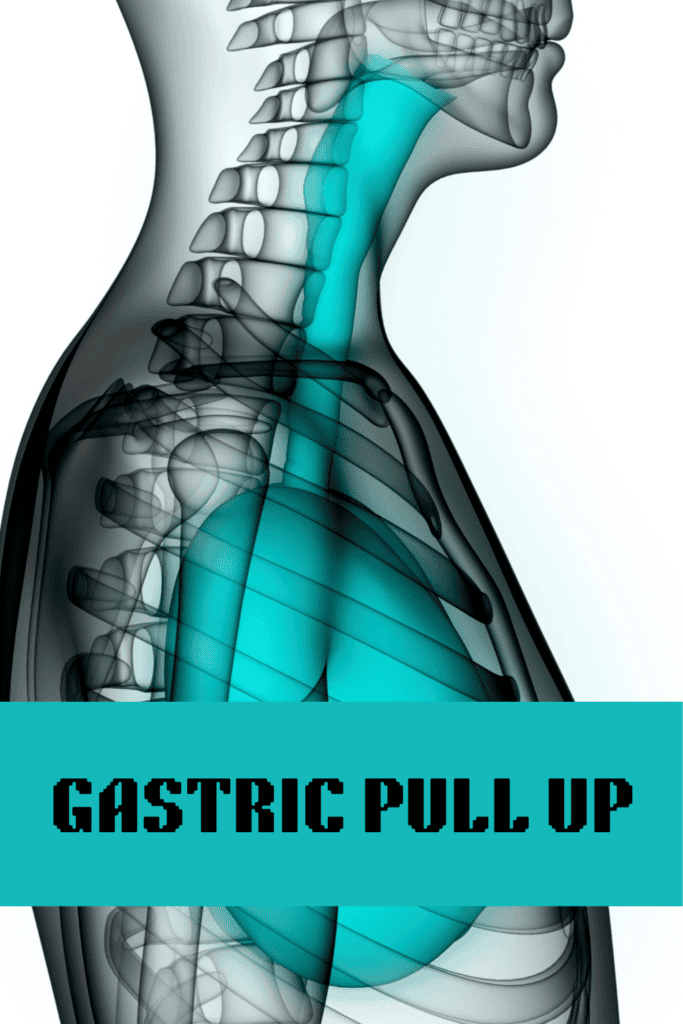
A gastric pull-up is a surgery used after esophageal cancer.
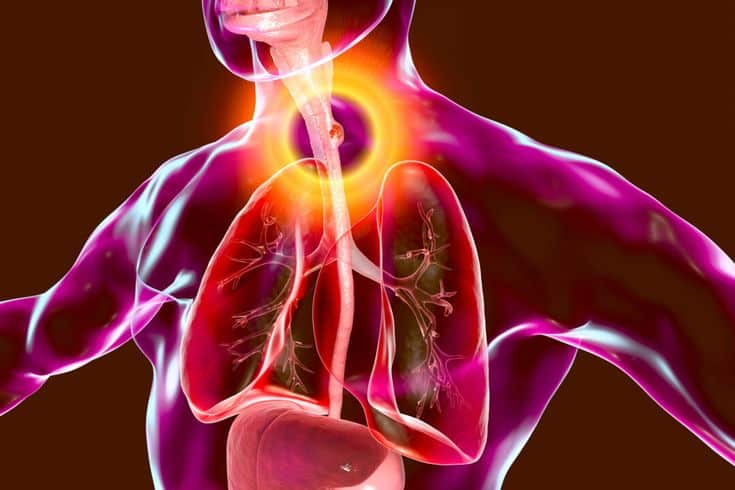
Surgeons move your stomach up into your chest or neck to rebuild your food pathway.
Then they connect the stomach to the rest of the esophagus or throat area.
This connection point is called an anastomosis.
This procedure is one of the most common ways to restore swallowing after tumor removal when the esophagus has to be taken out.
WHY THIS SURGERY CHANGES EVERYTHING
Gastric pull-up after esophagus cancer surgery gives you a real restart.
It gives you a chance to swallow, eat, heal, and rebuild strength.
But the comeback looks different for everyone.
And it always starts small.

QUALITY OF LIFE AFTER GASTRIC PULL-UP
A 2024 study in the Journal of Thoracic Disease followed 200 esophagectomy patients who had reconstruction with the stomach.
It showed:
- 82% regained a solid ability to eat by mouth by 6 months
- patients who followed structured small-meal nutrition plans lost less weight
- patients who walked daily had fewer lung complications
- reflux symptoms improved faster in patients who stayed upright after meals and avoided late-night eating
The study concluded that nutrition + early movement directly influenced long-term success.

ACTIVITY HELPS HEALING TOO
Another 2024 clinical trial showed that post-surgery patients who walked 30 minutes daily after 6 weeks had 2x better lung recovery and less fatigue compared to non-walkers.
This lines up with your personal experience of 2-mile daily walks and athletic recovery rhythms.

WHAT YOUR BODY IS DOING IN THE FIRST 12 WEEKS
Right after gastric pull-up after esophagus cancer surgery, your body is adjusting to a new layout inside your chest and neck.
During the first 2–12 weeks, your body is:
- reducing swelling at the reconnect site
- learning how fast food can safely move
- adapting to early fullness
- protecting the airway from reflux
- rebuilding circulation after long hospital stays
- healing nerve pathways affected during surgery
- retraining swallowing muscles
- managing inflammation in the chest cavity
This is the most sensitive window.
This is where care plans matter most.
THE MOST COMMON SYMPTOMS & WHAT THEY MEAN
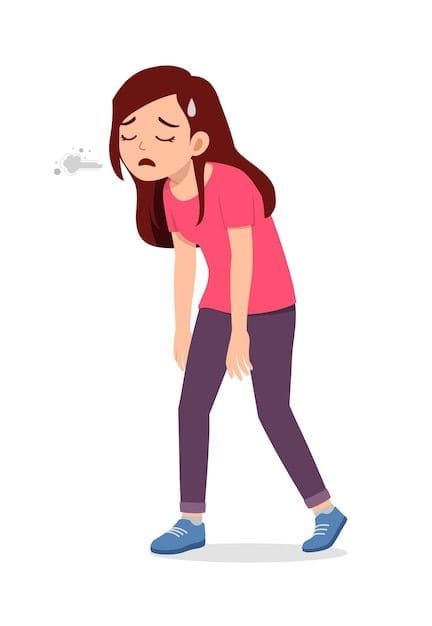
Most patients feel:
- full very fast → your stomach is smaller in capacity now
- heartburn or reflux → the anti-reflux valve was removed during surgery
- coughing during eating → food may be moving too fast or sitting too high
- tired after meals → digestion is taking more energy than before
- burping often → air pressure releases differently after reconstruction
- hoarse voice or throat irritation → acid mist can reach higher now
- food hesitation when swallowing → swelling or scar tissue can slow passage
- weight drop → your body is burning more calories to heal
A 2024 surgical outcomes report confirmed these symptoms are normal, but they must be managed intentionally.
YOUR NEW EATING RULES FOR RECOVERY
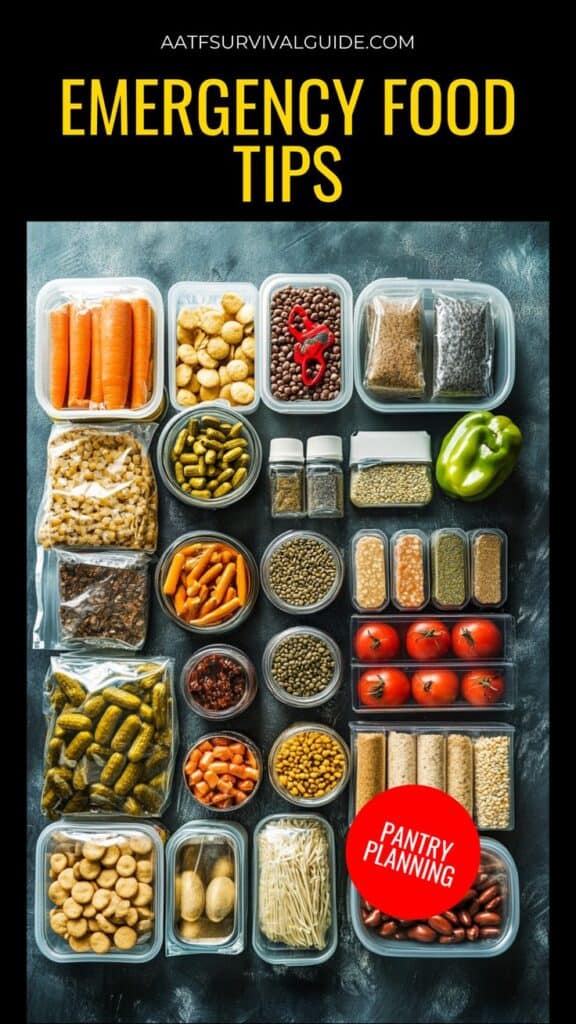
You now need a different rhythm with food.
DOCTORS RECOMMEND:
- 5 to 6 very small meals a day
- protein first every time
- chew longer than you think you need to
- sip liquids between meals, not during
- sit upright 30–60 minutes after eating
- raise the head of your bed at night
- avoid eating 3 hours before sleeping
Studies show this reduces GERD after esophagus reconstruction and lowers choking risk.
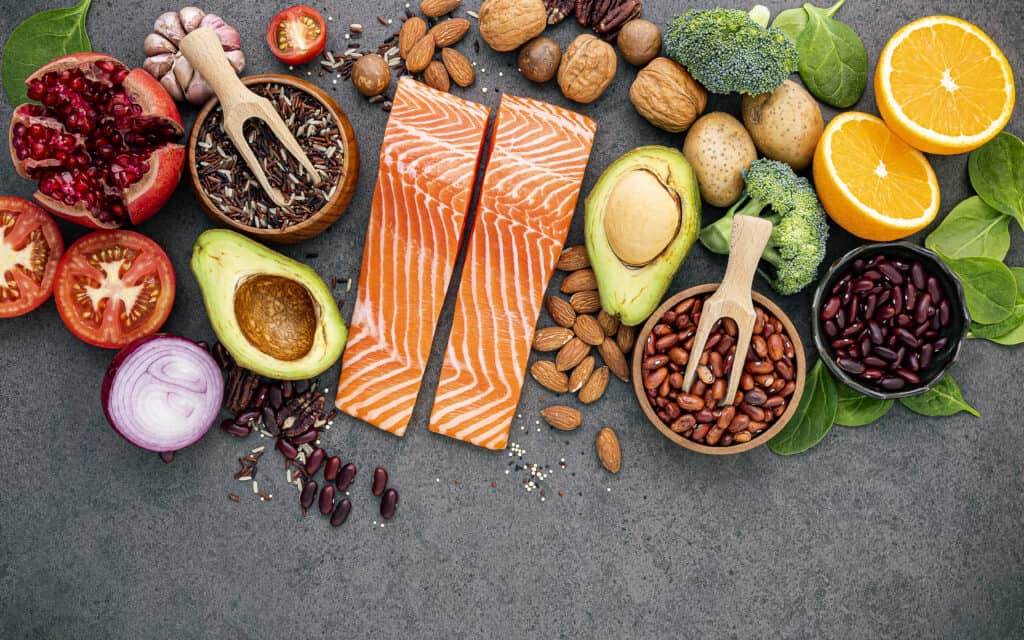
THE BEST HEALING FOODS BY CATEGORY (RESEARCH-BACKED)
SOFT PROTEINS:
- scrambled eggs
- soft white fish
- slow-cooked chicken
- Greek yogurt
- cottage cheese
- collagen-added shakes
- soft turkey meat
- blended lentil soups
Protein repairs the reconnect site and protects muscle loss.
COOKED VEGGIES:
- carrots
- squash
- sweet potatoes
- spinach
- zucchini
- green beans (soft cooked)
- pumpkin puree
- cauliflower mash
GENTLE FRUITS:
- bananas
- melons
- steamed apples
- pears
- peaches (soft or blended)
- papaya (great for digestion enzymes)
- avocado blended into smoothies
- soft berries mixed into yogurt
HYDRATION DRINKS:
- electrolyte water
- aloe water (not citrus-heavy)
- diluted herbal teas
- protein waters
- mild smoothies without heavy sugar
VITAMIN ABSORPTION AFTER GASTRIC PULL-UP
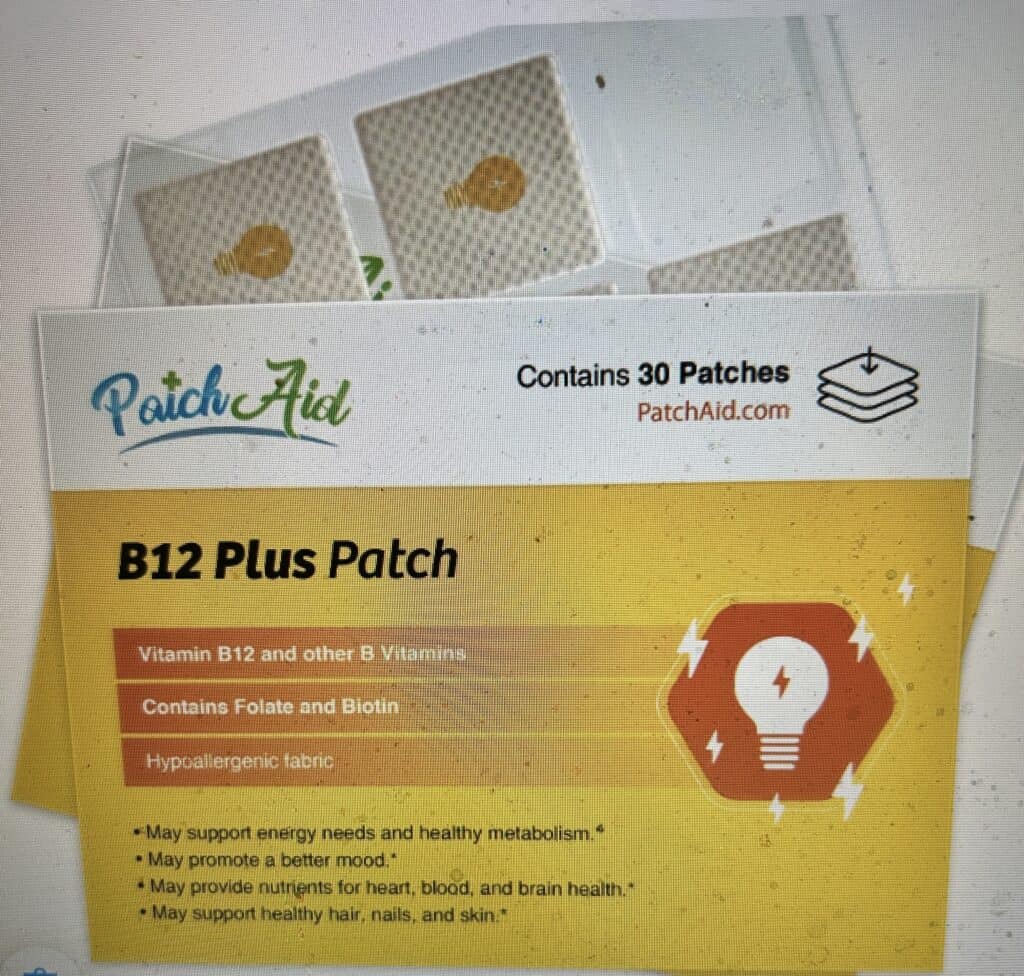
After gastric pull-up after esophagus cancer surgery, vitamin absorption can be slower because food now travels a shorter and faster route into the intestines.
A 2024 nutrition absorption study showed:
- B12 and iron absorption drop temporarily after reconstruction
- liquid vitamins or transdermal vitamin patches improve consistency
- calcium + vitamin D must be protected to avoid bone loss
- magnesium supports esophagus and stomach muscle relaxation
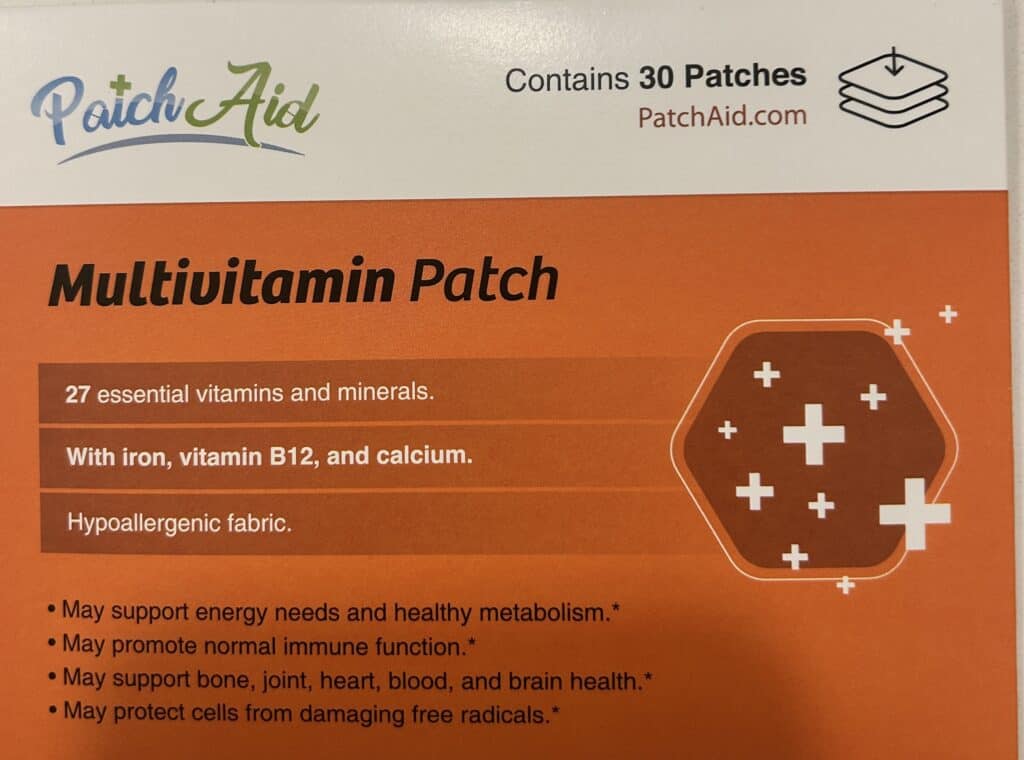
This supports why many patients choose vitamin patches like PatchAid, especially early in recovery.
PATCHAID VITAMIN PATCH & PRAYER WALL SUPPORT
This section always joins the physical + spiritual recovery:
Benefits:
- vitamins absorb through the skin, bypassing early digestion stress
- gentle on a reconstructed stomach
- supports immune strength
- helps steady energy when meals are tiny
- easy on reflux-sensitive patients
- paired prayer support improves emotional recovery
Explore PatchAid: http://www.patchaid.com/TEXASKK
Visit the Prayer Wall: https://texaskkstompscancer.com/prayer-wall-esophagus-cancer/
Together, vitamins + prayer build a stronger comeback rhythm.
DUMPING SYNDROME: THE MOST IMPORTANT SIDE EFFECT TO KNOW
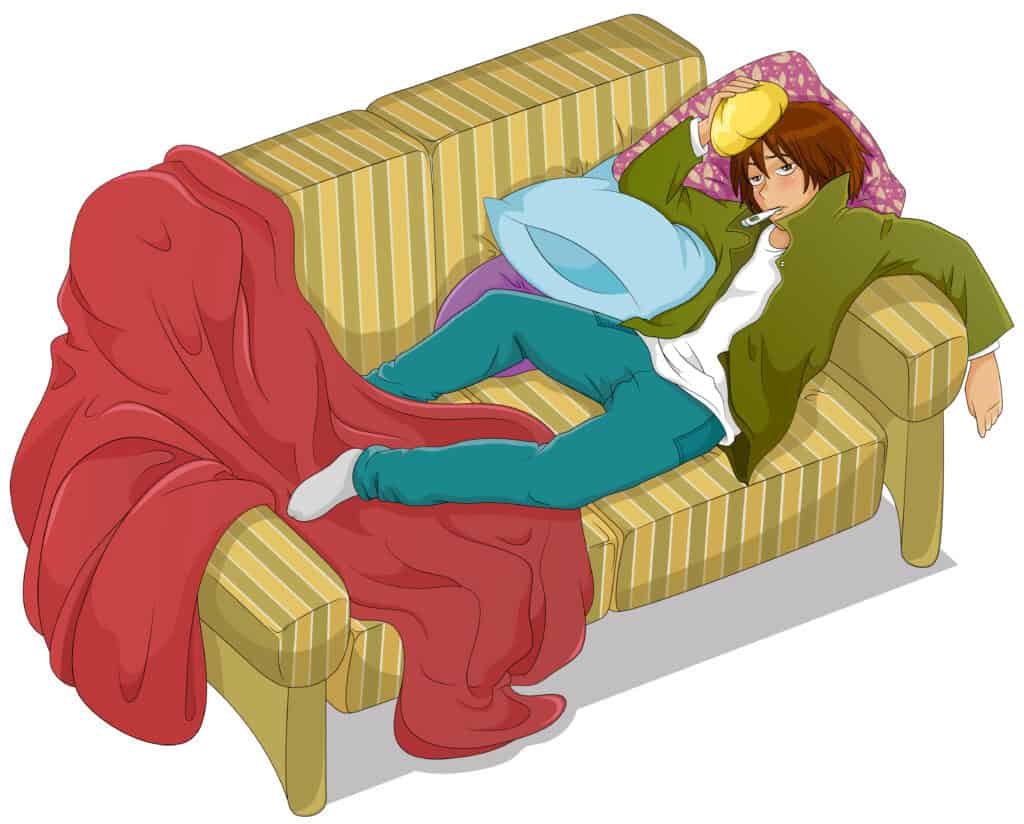
A 2025 gastro-surgery study confirmed that up to 60% of gastric pull-up patients feel dumping syndrome early in recovery.
This happens when food drops into the intestine too fast.
YOU MAY FEEL:
- dizzy
- shaky
- sweaty
- nauseous
- heart racing
- sudden fatigue
- weak or light-headed
- anxious after eating sugar-heavy foods
TRIGGERS:
- sugar
- eating fast
- large bites
- drinking while eating
- heavy carbs alone
HOW TO PREVENT:
- slow down eating speed
- balance meals with protein + soft fiber
- avoid sweets early in the day
- drink 30 min before or after meals
- never lie down after eating
Most symptoms improve after 6–12 months when food timing is managed.
REFLUX (GERD) AFTER RECONSTRUCTION
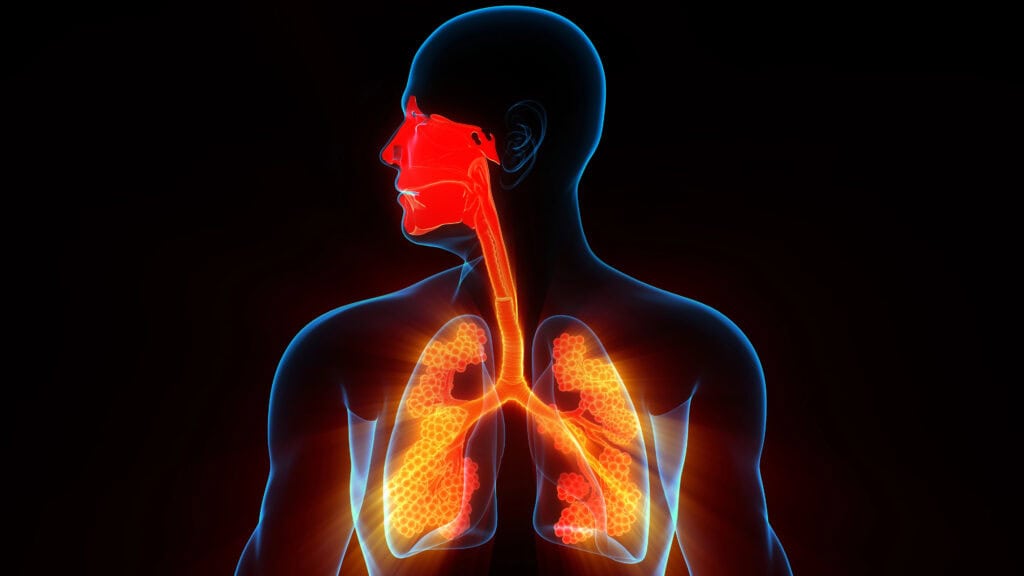
A 2025 surgical reflux study showed that acid backflow is expected long-term, but it improves when patients:
- sleep elevated
- avoid spicy and greasy foods
- keep meals tiny
- stop late-night eating
- protect vitamins in liquid or patch form
- avoid carbonated drinks right after meals
This reduces throat irritation and lung risk.
ANASTOMOSIS HEALING: WATCHING FOR LEAKS
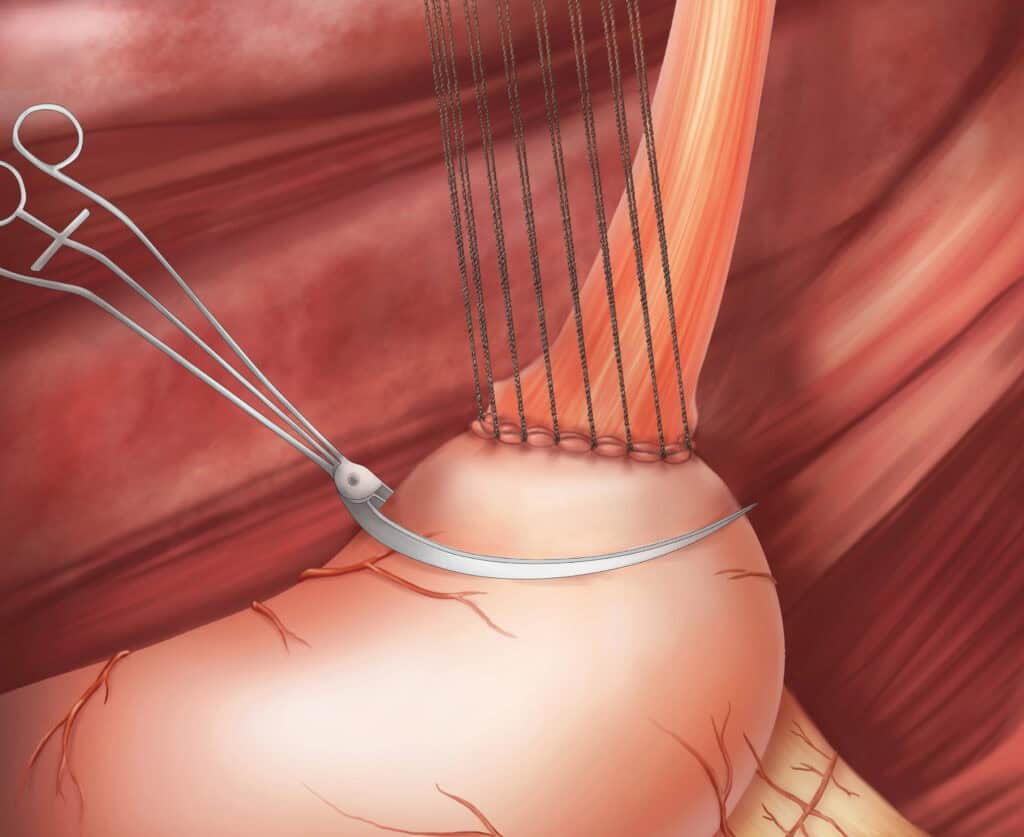
A 2025 surgery safety review confirmed leaks are rare (under 10%) but must be recognized fast.
SEEK HELP IF YOU FEEL:
- fever
- chest pain that spikes instead of improving
- breathing pressure
- sudden weakness
- foul taste or smell when swallowing
- severe coughing after eating
- neck swelling that increases
- confusion or extreme fatigue
This is considered urgent medical follow-up.

ACTIVITY AS A HEALING TOOL (MORE DEPTH)
Movement heals too.
You’ve lived that in your athletic life, and the science backs it.
A 2025 recovery outcomes report found:
- walking improves digestion circulation
- movement reduces pneumonia risk after chest surgery
- lung expansion heals faster with daily steps
- patients who return to sport after clearance report better mental recovery
- movement reduces post-surgery depression symptoms by 40%
But timing matters:
SAFE TIMELINE:
- 0–2 weeks: short indoor steps
- 2–6 weeks: 10–15 min gentle outdoor walks
- 6–12 weeks: 30-minute walks if cleared
- 3–6 months: tennis or sport only after doctor approval
- 6–12 months: normal athletic return for many patients
You already have a history of walking 2 miles daily and playing competitive tennis.
That foundation helps your lungs, circulation, mood, and stamina recover faster when you restart slowly.
MENTAL, FAMILY & COMMUNITY SUPPORT (EXPANDED)
Recovery isn’t only physical.
A 2025 oncology recovery psychology report found that patients heal faster when they:
- lean on family
- accept community support
- share emotions instead of holding them in
- stay connected spiritually
- follow nutrition + movement plans consistently
You already live this in real life:
- delivering Meals on Wheels
- helping with Vacation Bible School
- showing compassion for homeowners in crisis
- building communities through blogging
- living farm-life resilience
Those same support systems lift you now.
POST-SURGERY NUTRITION SCIENCE (ADDED DEPTH)
A 2025 nutrition study confirmed that esophagus reconstruction patients do best when they:
- eat protein within 30 minutes of waking
- avoid sugar alone
- add 20–30g protein daily minimum during the first 3 months
- include soft fiber to slow digestion speed safely
- supplement vitamins in liquid or patch form
- avoid acidic citrus drinks early after surgery
Patients who followed this plan kept 18% more lean muscle than those who didn’t.

VOICE, SWALLOWING & MUSCLE RETRAINING (MORE DETAILS)
Because your stomach now sits high, swallowing muscles and even voice muscles can tighten during healing.
A 2025 speech and swallow recovery report showed that patients improve when they practice:
- deep diaphragm breathing
- gentle neck relaxation stretches
- humming to engage vocal cords safely
- sipping water with chin neutral, not tucked
- slow bite timing, pause swallowing between bites
- posture training while eating
This improves clarity in speech and safer swallowing control.

FINAL COMEBACK MESSAGE
Gastric pull-up after esophagus cancer surgery rebuilds your pathway to swallow and digest again.
But your recovery rebuilds:
- your strength
- your stamina
- your habits
- your voice
- your confidence
- your hope
- your life rhythm
Your scars are now part of your strength story.